ABYSS: THE CUBAN MISSILE CRISIS by Max Hastings
12 Nov 2022 Leave a comment

![June 3, 1961: Soviet Premier Nikita Khrushchev, left, and U.S. President John F. Kennedy sit in the residence of the U.S. ambassador in Vienna, Austria, at the start of their historic talks. [AP/Wide World Photo]](https://2009-2017.state.gov/cms_images/7khruschev_kennedy1_600.jpg)
(Soviet Premier Nikita Khrushchev and President John F. Kennedy)
Vladimir Putin’s ill-advised invasion of Ukraine last February has not produced the results that he expected. As the battlefield situation has degenerated for Russian army due to the commitment of the Ukrainian people and its armed forces, along with western assistance the Kremlin has resorted to bombastic statements from the Russian autocrat concerning the use of nuclear weapons. At this time there is no evidence by American intelligence that Moscow is preparing for that eventuality, however, we have learned the last few days that Russian commanders have discussed the possible use of tactical nuclear weapons. The conflict seems to produce new enhanced rhetoric on a daily basis, and the world finds itself facing a situation not seen since the Cuban Missile Crisis of October 1962 amidst the Cold War.

(A map of Cuba annotated by former U.S. President John F. Kennedy…
View original post 1,877 more words
Economic management in years gone by
12 Nov 2022 Leave a comment

Last week I reread Victoria University historian Jim McAloon’s history of New Zealand economic policymaking from 1945 to 1984, Judgements of all Kinds, first published a decade or so ago. Good works of economic history, let alone of the history of economic policymaking, aren’t thick on the ground in New Zealand, and as McAloon himself notes in a journal article published a year or two later:
“Economic history has a relatively low profile in New Zealand. Few economics programmes offer much in the way of economic history, and none of them offer courses in New Zealand economic history. Very few academics in New Zealand economics programmes publish in economic history. Victoria University, once boasting the only New Zealand chair in economic history,
has largely abandoned the field.”
(Actually, when I was at Victoria in the early 80s – and not wise enough myself to have done much economic history…
View original post 4,664 more words
Serbia’s Last Stand Against The Central Powers I THE GREAT WAR – Week 68
12 Nov 2022 Leave a comment
in defence economics, war and peace Tags: World War I
Wicked Waste: Nothing to Show From $3.8 Trillion Squandered On Intermittent Wind & Solar
11 Nov 2022 Leave a comment


The wild claims about wind and solar replacing, coal, gas and nuclear power don’t stand first contact with reality.
Over the last 20 years, trillions of dollars have been squandered on subsidies, tax breaks, mandates, penalties, and other state-directed efforts to make chaotically intermittent wind and solar serious contenders on the world energy scene. Their combined contribution to world energy demand remains thoroughly underwhelming, as John Hinderaker highlights below.
$3.8 Trillion for Essentially Nothing
Powerline
John Hinderaker
26 October 2022
Jeff Currie, who is Global Head of Commodities Research for Goldman Sachs, describes the utter futility of “green” energy:
Here’s a stat for you, as of January of this year. At the end of last year, overall, fossil fuels represented 81 percent of overall energy consumption. Ten years ago, they were at 82. So though, all of that investment in renewables, you’re talking about $3.8 trillion, let me repeat that…
View original post 207 more words
How Old is Health Care?
11 Nov 2022 Leave a comment
in economic history, economics of media and culture, health economics
Henry VII’s Pretenders: A Game of Thrones
11 Nov 2022 Leave a comment
in economic history, economics of media and culture Tags: British history
How Ukraine Forced Russia’s Retreat in Kherson
11 Nov 2022 Leave a comment
in defence economics, war and peace Tags: Ukraine

Gas Demand Driven By Need to ‘Back Up’ Wind & Solar Using Fast-Start Gas Turbines
09 Nov 2022 Leave a comment
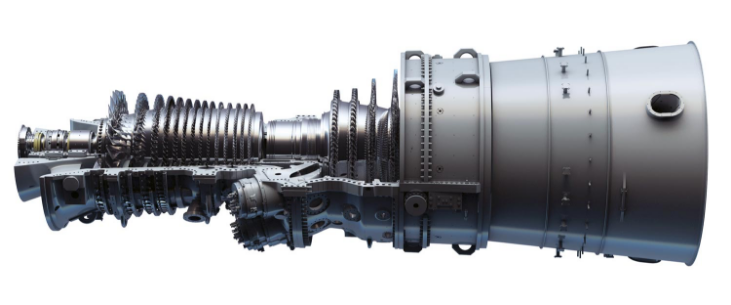
Before the obsession with intermittent wind and solar took hold, gas was rarely used to generate electricity if coal, nuclear or hydro sources were available. Gas-fired electricity, in the main, was simply too expensive, by comparison with coal-fired power.
Coal-fired generators are designed to run around-the-clock. Wind turbines and solar panels only run according to the dictates of the weather and, in the latter case, where the Sun sits in the sky.
The crazy and chaotic intermittency inherent in wind and solar has created a place for Open Cycle Gas Turbines and even piston-engined diesels, of the kind used in oceangoing vessels.
Both are referred to as ‘peakers’ in the electricity generation trade, because they’re designed to run for short bursts to pick up peaks in the load (ie rapid increases in demand). Their running costs are such that they were only ever meant to run at the margins…
View original post 1,579 more words
Sweden was right
09 Nov 2022 Leave a comment

It turns out all the panic mongers were wrong. Lockdowns etc worked worse than the Swedish approach, even without taking into account all the long term damage to life expectancy, educational outcomes, economic prosperity that the authoritarian states incurred.
As of reporting date June 19th 2022, of all the countries analysed by theOECD, Sweden has the lowest overall cumulative excess deaths tally.
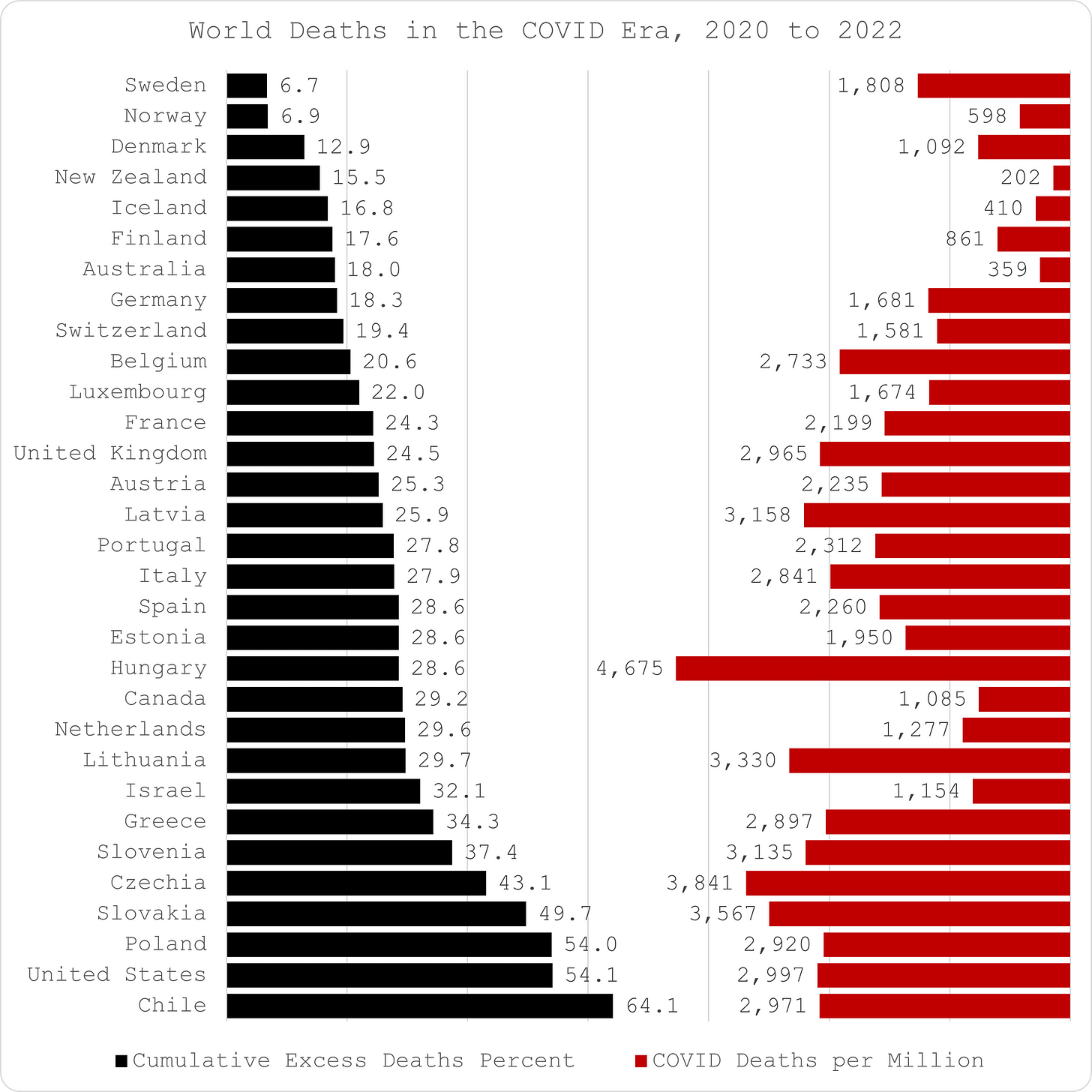
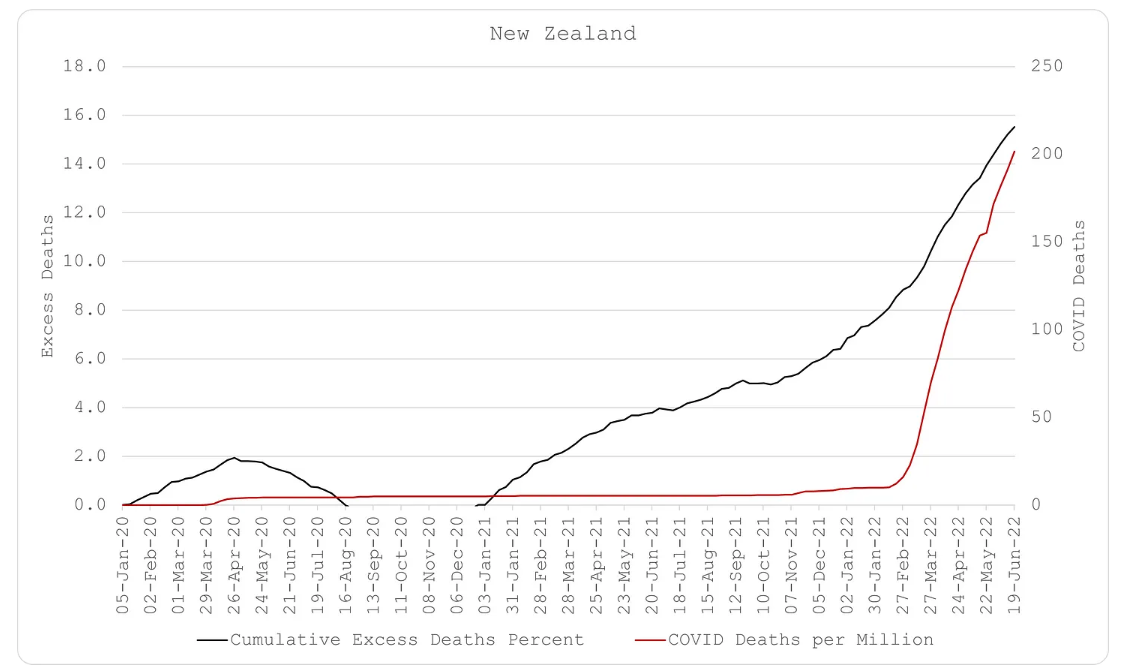
And New Zealand took all that pain for long term damage rather than gain.


Recent Comments