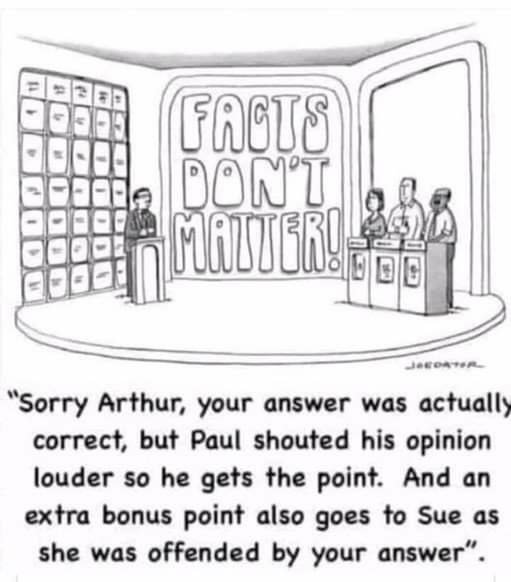
Woke knowledge finding
09 Jun 2022 Leave a comment
in economics of education, Karl Popper Tags: conjecture and refutation, philosophy of science, political correctness, regressive left
The Gallic War by Julius Caesar – 3
08 Jun 2022 Leave a comment

It is nearly always invisible dangers which are most terrifying. (VII.84)
This second half of the Gallic Wars is much more exciting than the first. In the previous four books the Romans steamrollered over everyone they encountered in a rather monotonous way. Here they experience the catastrophic loss of an entire legion and then the fierce siege of Quintus Cicero’s camp, i.e. for the first time you feel the contingency and risk involved in the entire project. And both events are carefully crafted to feature dramatic episodes of a kind not found in the first four.
Book 5: The second rebellion
The book title was supplied by the editors of the Penguin edition and refers to the revolt of the Belgic tribes.
1 to 8: Illyricum and Gaulish rebels
At the end of each campaigning season in Gaul, Caesar spends the winter in Cisalpine Gaul attending to administration. He also…
View original post 6,980 more words
The Gallic War by Julius Caesar – 2
08 Jun 2022 Leave a comment
Propaganda
The fundamental thing to grasp about Caesar’s Gallic Wars is that they were not at all what we think of as ‘history’. The Latin word he uses was commentarii which, apparently, means something like ‘report’. Each of the 7 ‘books’ whuch make up the Gallic Wars covers one of the years when he campaigned in Gaul and each one is like an end-of-term, or in this case, end-of-campaign-season report, back to his masters, the Senate and the people of Rome.
Thus they are written for a particular audience and are designed to achieve a certain effect. This is to justify Caesar’s behaviour. Legally, he had been tasked with simply administering 3 existing provinces: Illyricum (the east coast of the Adriatic) Cisalpine Gaul (northern Italy) and Transalpine Gaul (the area based round France’s Mediterranean coast, also known as ‘the Province’).
But he wanted glory and and so had his…
View original post 5,572 more words
DAILY MAIL – SARAH VINE: It’s Amber Heard HERSELF who has proved a setback for women
08 Jun 2022 Leave a comment
Drinking the ‘heroic-journalist’ Kool-Aid in run-up to Watergate’s 50th anniversary
08 Jun 2022 Leave a comment

It wouldn’t be a major Watergate anniversary without prominent references to the heroic-journalist myth — that risible, media-centric view that the Washington Post’s reporting exposed the crimes that brought down Richard Nixon’s presidency.
Risible?
For sure.
 Not exactly, Jerry Ford
Not even the Post’s Watergate principals embraced the heroic-journalist interpretation. As Bob Woodward, one of the newspaper’s lead Watergate reporters, proclaimed in an interview in 2004:
“To say that the press brought down Nixon, that’s horse shit.”
Such pointed disclaimers notwithstanding, the myth seems as robust as ever in the run-up to next week’s 50th anniversary of the break-in at the Watergate complex in Washington, D.C. The burglary touched off a spiraling scandal.
Any more, even the Post drinks the heroic-journalist Kool-Aid.
For example, in its obituary the other day about Barry Sussman, the newspaper’s Watergate editor who died June 1, the Post said of…
View original post 684 more words
The Case for Economic Growth
08 Jun 2022 Leave a comment

As far as I’m concerned, the huge reductions in global poverty in recent decades are the only evidence we need about the benefits of economic growth.
This chart I shared in 2014 shows that output doubles much faster when annual economic growth goes from low levels (1 percent or 2 percent)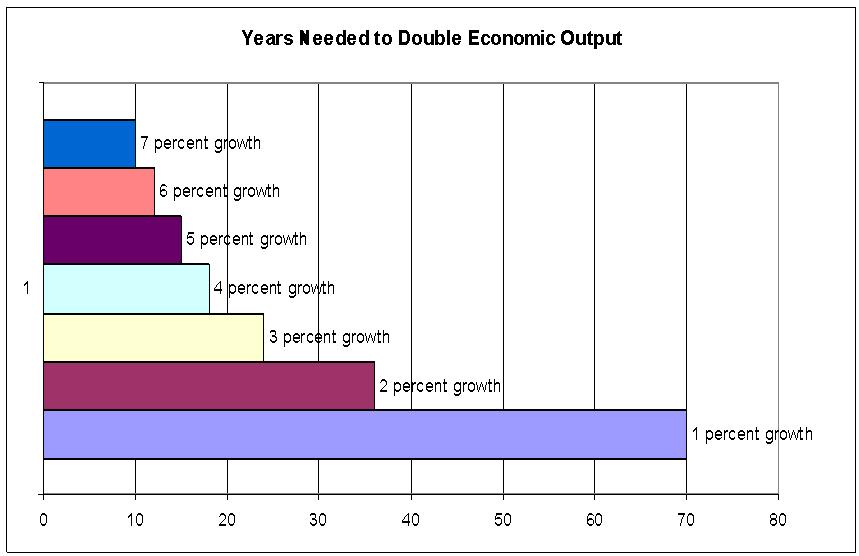 to high levels (4 percent or above).
I call this the miracle of compounding.
Needless to say, I also argue that nations experience high levels of growth with the right policies and the right perspective.
But not everyone thinks policy makers should focus on getting more economic growth. Some of them (the “Okunites“) are willing to sacrifice some prosperity to achieve more equality, while others dislike growth because of the environment.
In a column for the Foundation for Economic Education, Saul Zimet points out that the people who downplay growth are no friends of the…
View original post 652 more words
Kate Andrews | Feminism CAN Be Capitalist (4/6) | Oxford Union
08 Jun 2022 Leave a comment
in applied price theory, discrimination, economic history, economics of education, gender, health and safety, human capital, labour economics, labour supply, occupational choice, poverty and inequality Tags: gender wage gap
Milton Friedman – Understanding Inflation
08 Jun 2022 Leave a comment
in economic history, financial economics, history of economic thought, macroeconomics, Milton Friedman, monetarism, monetary economics Tags: monetary policy
Economic Underpinnings of the Renaissance in Northern Italy
07 Jun 2022 Leave a comment

The Renaissance in northern Italy was a period between roughly 1350 and 1550 (definitions vary) when a proto-modern outlook and culture and economy replaced feudal medieval society. We all know about the great artistic and literary and scientific advances made at this time and place. I got curious about the economics behind all this. It is clear that the cities of northern Italy, such as Florence, were extremely prosperous, otherwise they could not have funded all these artists and architects.
It has jokingly been said, “Ah, I don’t see what is so great about Shakespeare – – all he did was string together a bunch of famous quotes.” Well, since I know little about all this, what I will do here is mainly string together a bunch of relevant quotes. Let the citations begin….
This blurb from “helenlo-weebly” (?) gives a good overview, noting the importance of trade and the…
View original post 671 more words
Impossible Dream: Wind Power Does Nothing To Meet Net-Zero CO2 Emissions Targets
07 Jun 2022 Leave a comment


An obsession with carbon dioxide gas is responsible for an obsession with costly and unreliable wind and solar.
There is no hope of shaking the former among politicos and the MSM – that carbon dioxide gas is ‘pollution’ and the cause of all ills is mantra #1 of the climate cult’s catechism.
The latter, however, is up for debate.
The renewable energy calamity playing out in Europe has given rise to a new found appreciation for generation systems that can deliver power as and when we need it.
The Germans have backflipped on their plans to kill off their nuclear and coal-fired plants; the French are determined to maintain all 56 of their nuclear plants and build 14 more, besides.
In any country crazy enough to sign up to a net-zero carbon oxide gas emissions target, the only answer is the wholesale embrace of nuclear power to meet it.
Call…
View original post 1,042 more words
190th Anniversary of the 1832 Reform Act
07 Jun 2022 Leave a comment

This month marks the 190th anniversary of the passing of the 1832 Reform Act, one of the iconic milestones in modern British political history. ‘Was the 1832 Reform Act “Great”?’ may not be the standard exam question it once was, but ongoing research about the Act’s broader legacy and impact on political culture, based on new resources and analytical techniques, continues to reshape our understanding of its place in modern British political development.
Much attention used to be focussed on the number of voters enfranchised by the Act. The extent to which the overall increase of around 314,000 electors in the UK (from around 11 to 18% of adult males) amounted to some form of democratic advance, however, has always been complicated by the Act’s limitations as an enfranchising measure, especially given the huge expectations aroused by the popular outdoors campaign in its support. Not only were most working class…
View original post 958 more words
D-Day-The beginning of the end.
07 Jun 2022 Leave a comment

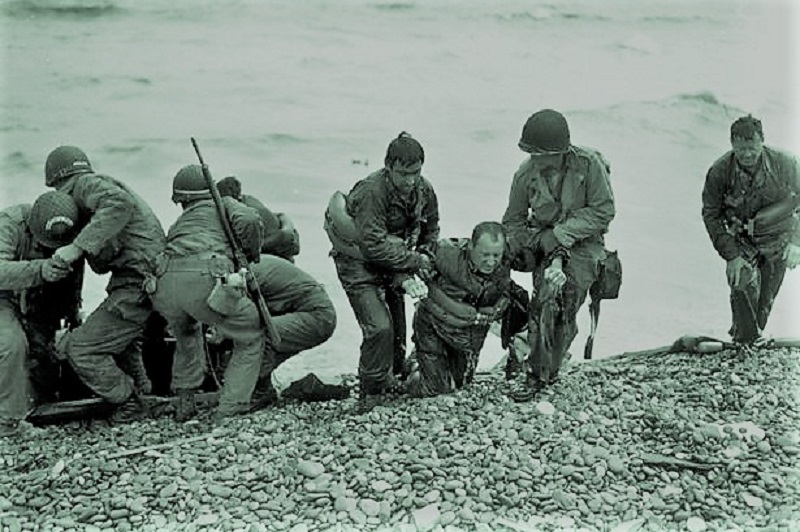
Although the tide had already turned for the Nazis , June 6-1944 was to become the final push for the allied troops to free Europe from the Nazi regime.
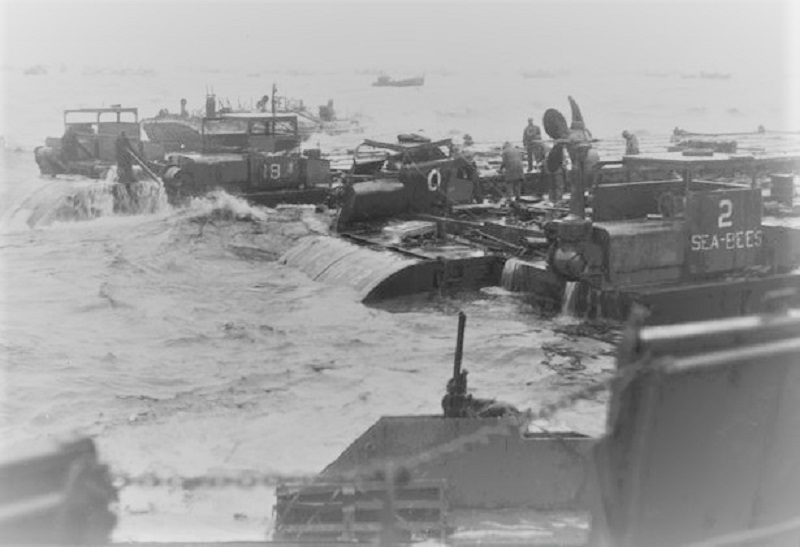
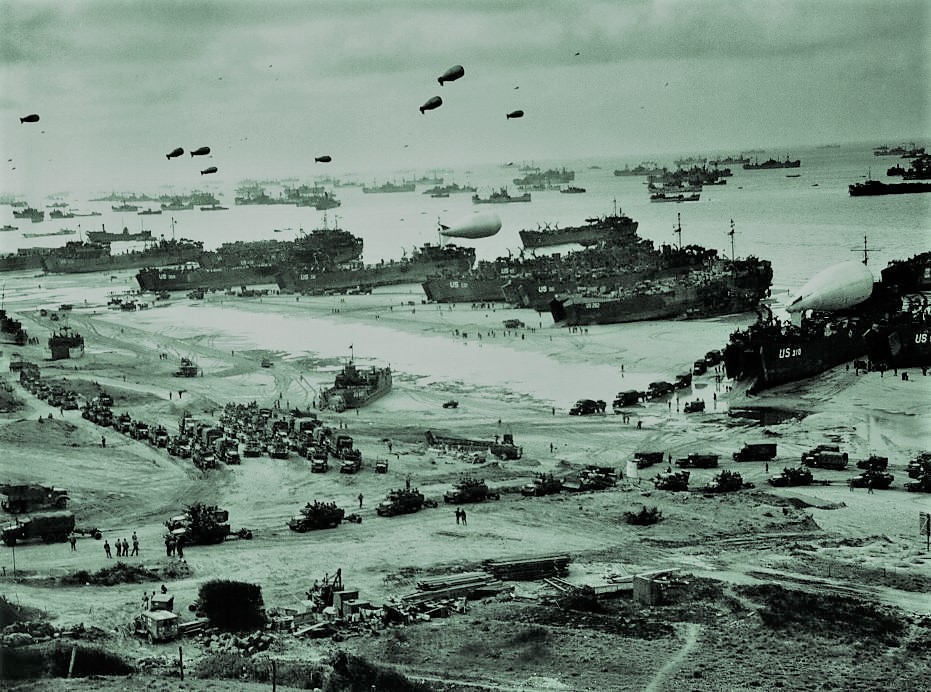
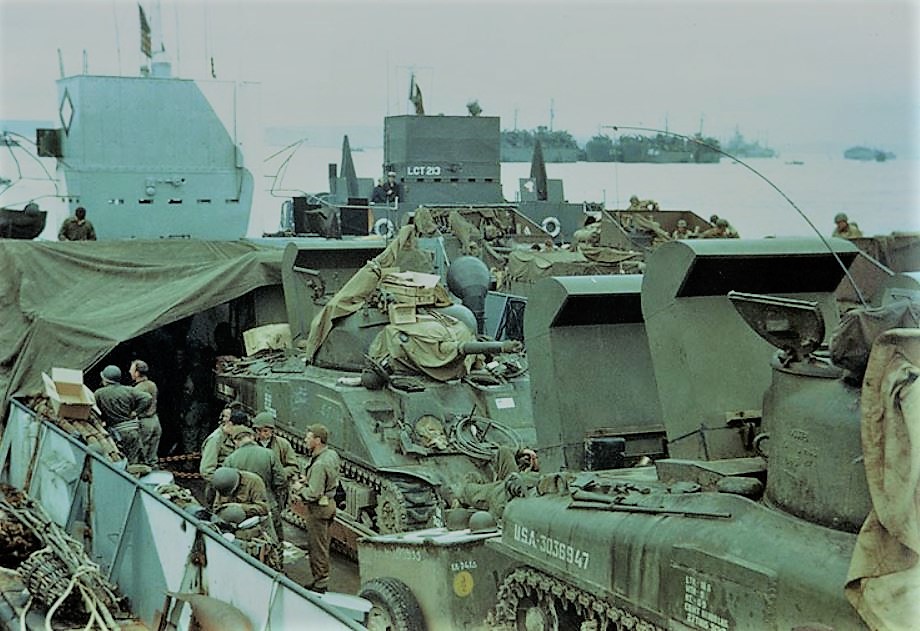
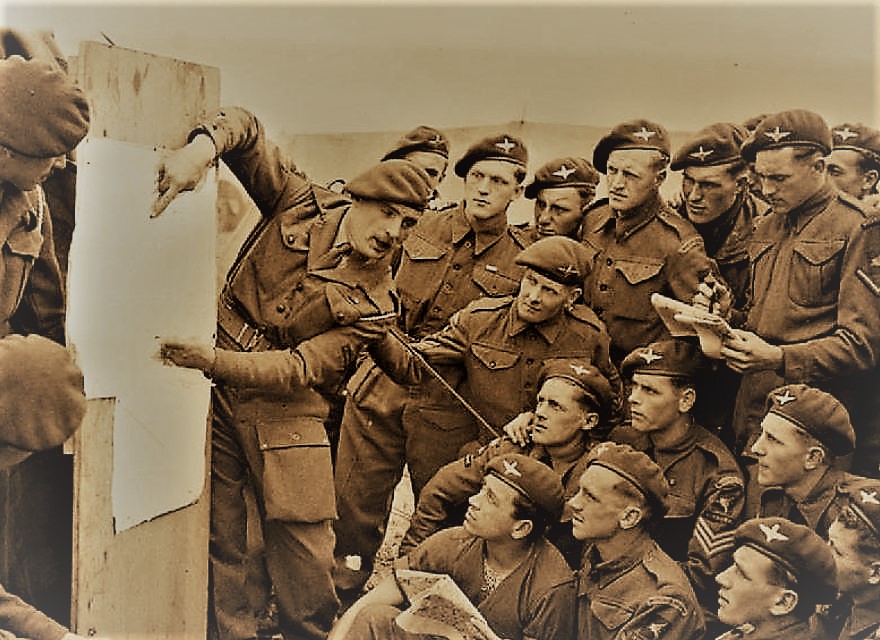
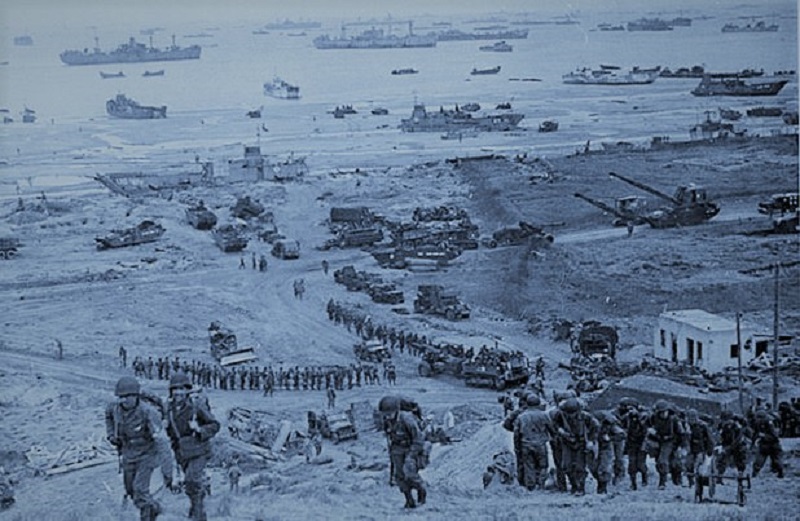
Theodore Roosevelt Jr., son of former US President Theodore Roosevelt,was the only general on D-Day to land by sea with the first wave of troops. At 56, he was the oldest man in the invasion,[29] and the only one whose son also landed that day; Captain Quentin Roosevelt II was among the first wave of soldiers at Omaha Beach.
At the time of the D-Day landings on June 6th 1944, Roosevelt was a frail man, not in the best of health; needing the aid of a walking stick. His health had suffered as a result of the first World War, he had arthritis …
View original post 497 more words


Recent Comments