
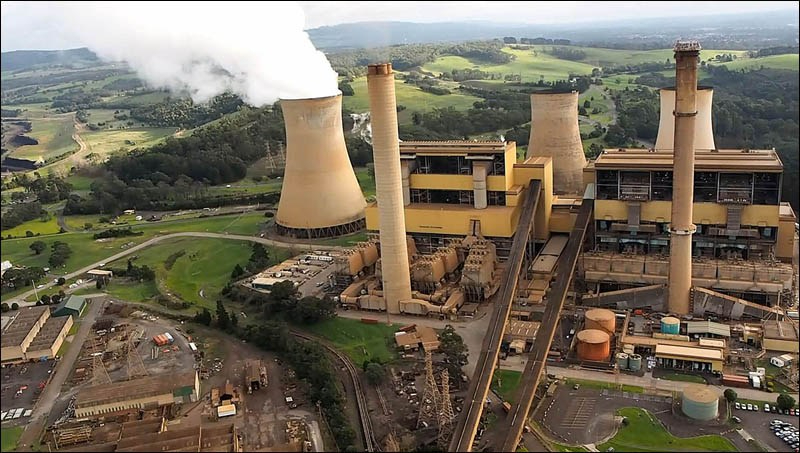
Wind and solar advocates keep carping that ‘coal is dead’, as if thermal power generation had gone the same way as the dodo and flared trousers.
This wouldn’t be the first time an obituary has been published way to early. Mark Twain noted that reports of his death had been greatly exaggerated. So too, coal-fired power.
Thermal coal prices are off the charts, with record demand driving record prices: Australian thermal coal prices recently hit $US$400 ($548 a tonne), with prices still on the rise.
True enough, the ex-KGB lad with his sights set on crushing Ukraine has played his part. But, so too has the West’s suicidal obsession with chaotically intermittent and heavily subsidised wind and solar. In Europe, Germany in particular, the harsh reckoning of foolishly locking themselves into reliance on Russian oil and gas has caused a major rethink about their attempt to run on sunshine and…
View original post 716 more words








Recent Comments