Hayek Lecture 2011: Robert Barro on ‘Fiscal-Stimulus Packages’
18 Oct 2021 Leave a comment
in applied price theory, Austrian economics, budget deficits, business cycles, econometerics, economic growth, economic history, economics of bureaucracy, Euro crisis, F.A. Hayek, fiscal policy, global financial crisis (GFC), great depression, great recession, history of economic thought, inflation targeting, job search and matching, labour economics, labour supply, macroeconomics, monetarism, monetary economics, Public Choice, unemployment
Law Without the State – David Friedman
18 Oct 2021 Leave a comment
in applied price theory, applied welfare economics, comparative institutional analysis, constitutional political economy, David Friedman, economics of crime, law and economics, property rights
Steven Pinker: The leftist, Social Justice Monoculture in the Universities
18 Oct 2021 Leave a comment
in economics of education, law and economics, liberalism, libertarianism, Marxist economics, politics - Australia, politics - New Zealand, politics - USA Tags: Age of Enlightenment, free speech, political correctness, regressive left
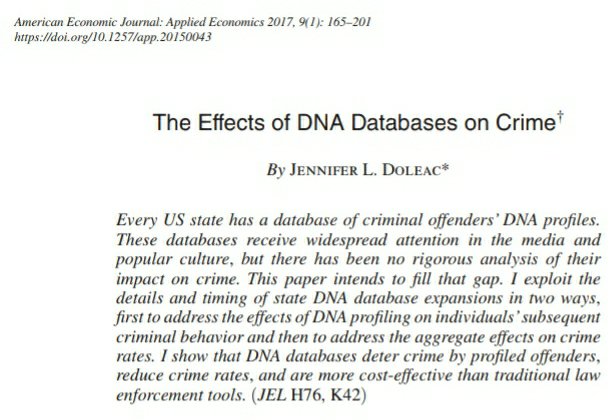
Criminals don’t like having their collars felt
17 Oct 2021 Leave a comment
in applied price theory, econometerics, economics of crime, labour economics, law and economics, occupational choice Tags: crime and punishment, law and order
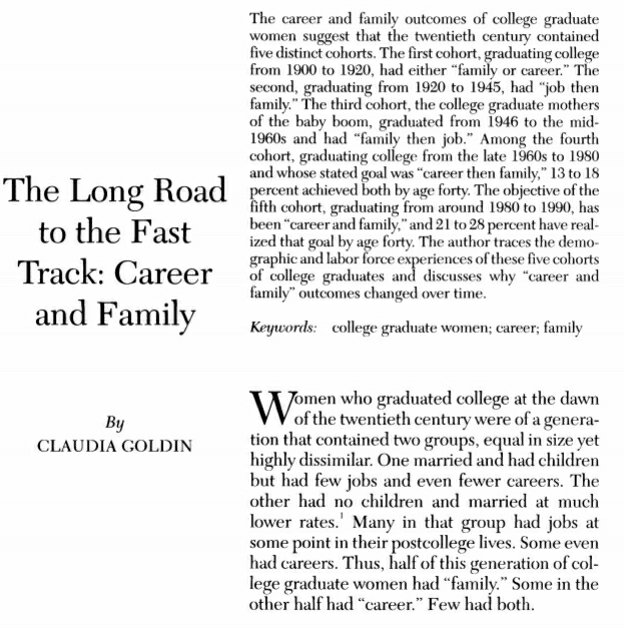
100 years on female labour supply and occupational choice
17 Oct 2021 Leave a comment
in discrimination, econometerics, economic history, economics of education, gender, health and safety, human capital, labour economics, labour supply, occupational choice, poverty and inequality Tags: gender wage gap
Ohanian (2000) on the ultimate question
17 Oct 2021 Leave a comment
in business cycles, economic history, great depression, history of economic thought, labour economics, macroeconomics, Milton Friedman, monetarism, monetary economics, unemployment

What Motivates the Left, Disdain for the Rich or a Desire to Help the Poor?
17 Oct 2021 Leave a comment

I’m happy to discuss theory when debating economic policy, but I mostly focus on real-world evidence.
That’s because my friends on the left always have a hard time answering my two-question challenge, 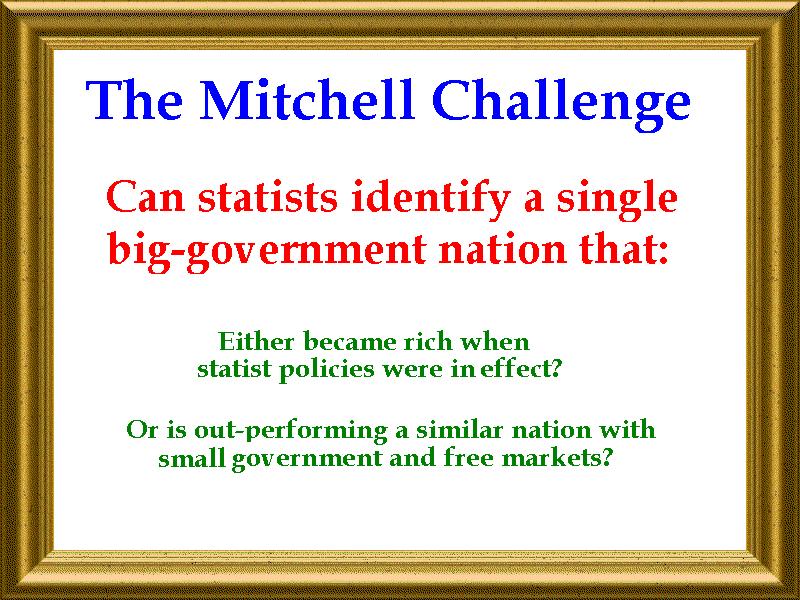 which simply asks them to name one success story for big government.
They usually point to Sweden and Denmark, but get discouraged when I point out that those nations became rich when government was relatively small.
And I’m embarrassed to admit that some of my fellow economists once thought that communist nations grew faster than capitalist nations.
But let’s not digress. I raise this topic because there are many critics of capitalism who admit that free markets generate more wealth, but they assert that society would be better off if incomes were lower so long as rich people suffered more than poor people.
This strikes me as morally poisonous. But it also gives me an opportunity…
View original post 447 more words

The Fractured-Land Hypothesis
17 Oct 2021 Leave a comment
in applied price theory, comparative institutional analysis, constitutional political economy, economic growth, economic history, economics of bureaucracy, entrepreneurship, growth disasters, growth miracles, history of economic thought, income redistribution, law and economics, macroeconomics, property rights, Public Choice, rentseeking
David Friedman’s appearance in Miami’s Rothbardian Circle
17 Oct 2021 Leave a comment
in comparative institutional analysis, constitutional political economy, David Friedman, economics of crime, law and economics, property rights
George Selgin | American Institute for Economic Research
17 Oct 2021 Leave a comment
in Austrian economics, business cycles, economic history, financial economics, global financial crisis (GFC), great recession, macroeconomics, monetary economics


Recent Comments