The ‘Negativity Effect’ Leads to Bad Journalism, Big Government, and Busted Relationships
06 Mar 2020 Leave a comment
in discrimination, economics of bureaucracy, economics of crime, economics of education, energy economics, environmental economics, gender, health and safety, health economics, human capital, income redistribution, industrial organisation, labour economics, labour supply, law and economics, Marxist economics, poverty and inequality, property rights, Public Choice, public economics, rentseeking, unemployment, unions, welfare reform Tags: pessimism bias
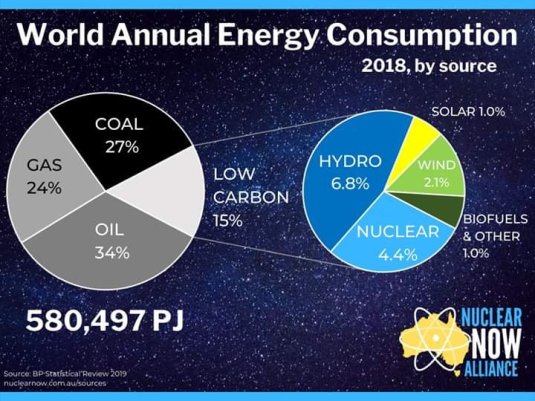
Bjorn Lomborg: Don’t waste trillions on BAD Climate Policy
06 Mar 2020 Leave a comment
in applied welfare economics, energy economics, environmental economics, global warming, politics - Australia, politics - New Zealand, politics - USA, Public Choice Tags: climate alarmists
So true
05 Mar 2020 Leave a comment
in economics of education, health economics, politics - Australia, politics - New Zealand, politics - USA Tags: Dunning-Kruger effect, rational ignorance, rational irrationality

By @WHO mission to China
05 Mar 2020 Leave a comment
in health economics Tags: economics of pandemics

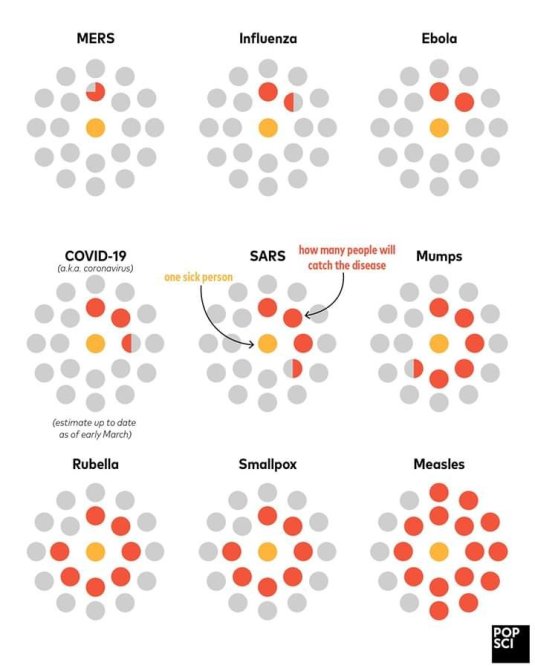
Nothing more that a severe flu season is ahead plus a lot of panicky overreactions
05 Mar 2020 Leave a comment
in health economics, politics - Australia, politics - New Zealand, politics - USA Tags: economics of pandemics
#climateemergency #globalwarming anti-science @GreenpeaceAP @Greens
05 Mar 2020 Leave a comment
in economic history, economics of natural disasters, energy economics, environmental economics, global warming, politics - Australia Tags: Anti-Science left, climate alarmists, pessimism bias

Black Americans Failed by Good Intentions: An Interview with Jason Riley
05 Mar 2020 Leave a comment
in comparative institutional analysis, constitutional political economy, discrimination, economics of bureaucracy, economics of education, economics of regulation, human capital, income redistribution, labour economics, labour supply, law and economics, Marxist economics, occupational choice, occupational regulation, politics - USA, poverty and inequality, property rights, Public Choice, public economics, rentseeking, unemployment, unions, welfare reform Tags: affirmative action, political correctness, racial discrimination, regressive left
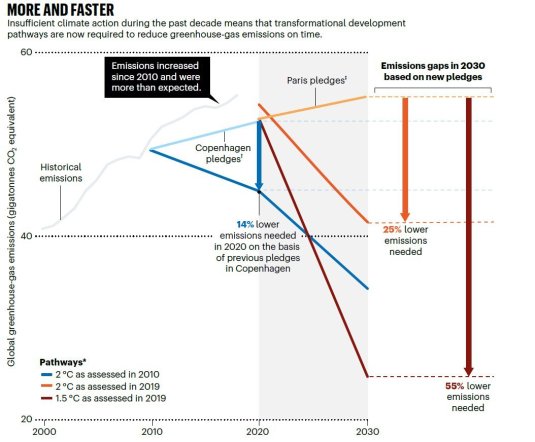
Empty #globalwarming #climateemergency international pledges @Greens @NZGreens @jamespeshaw @mfe_news @greenpeaceusa @BernieSanders @SenWarren @AOC
05 Mar 2020 Leave a comment
in economic history, economics of bureaucracy, economics of natural disasters, energy economics, environmental economics, global warming, income redistribution, international economic law, International law, politics - Australia, politics - New Zealand, politics - USA, Public Choice, rentseeking Tags: climate alarmists, pessimism bias
Contrary to The Times’ claim, Joint List is not “left-wing”
05 Mar 2020 Leave a comment

h/t Joe
Anshel Pfeffer knows better.
The Times’ British-born Jerusalem correspondent and long-time Haaretz journalist – though one the most moderate and lucid contributors to the hard-left Israeli daily – is an extremely well-informed reporter and analyst on Israeli politics.
So, we were scratching our heads when we saw the following passage in Peffer’s March 3rd Times column on the Israeli elections (“Israeli election exit poll: Benjamin Netanyahu two seats from victory after stunning comeback”).
Israel’s left-wing parties,with the exception of the Arab-dominated Joint List, have been trounced. Mr Netanyahu is rampant and no one should now bet against him forming a government and staying out of jail.
As Pfeffer surely must know, there is little that’s “left-wing”, progressive or woke about the Joint List.
As Liel Leibovitz demonsrated in an article at Tablet, Joint List is made up of four different parties, including Muslim Brotherhood supporting Islamists…
View original post 391 more words
March 4, 1461: Edward IV of England deposed Henry VI of England
05 Mar 2020 Leave a comment

In October 1452, an English advance in Aquitaine retook Bordeaux from the French and was having some success, but by 1453 Bordeaux was lost again leaving Calais as England’s only remaining territory on the continent. Upon hearing of the final loss of Bordeaux in August 1453, Henry VI of England experienced a mental breakdown and became completely unresponsive to everything that was going on around him for more than a year. He even failed to respond to the birth of a son and heir, who was christened Edward.

Henry VI, King of England and Lord of Ireland
Henry may have inherited a psychiatric condition from Charles VI of France, his maternal grandfather, who was affected by intermittent periods of insanity during the last thirty years of his life. During his bout of insanity, Henry was attended by the surgeons Gilbert Kymer and John Marchall. Thomas Morstede had previously been appointed…
View original post 411 more words
Ross McKitrick explains carbon taxes and cap & trade
05 Mar 2020 Leave a comment
in economics of bureaucracy, economics of regulation, energy economics, environmental economics, global warming, income redistribution, Public Choice, rentseeking Tags: cap and trade

Are CEOs overpaid?
05 Mar 2020 Leave a comment
in economics of information, financial economics, human capital, labour economics, labour supply, law and economics, managerial economics, occupational choice, organisational economics, personnel economics, property rights, theory of the firm Tags: CEO pay, efficient markets hypothesis


Recent Comments