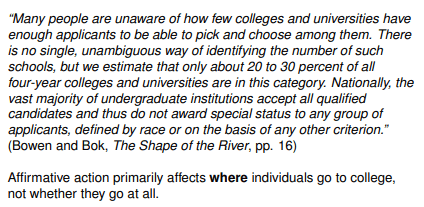
From https://www.brookings.edu/wp-content/uploads/2012/09/Arcidiacono.pdf
Celebrating humanity's flourishing through the spread of capitalism and the rule of law
04 Mar 2020 Leave a comment
in discrimination, economics of education, politics - USA
04 Mar 2020 Leave a comment
in economic history, industrial organisation, survivor principle
04 Mar 2020 Leave a comment

Back in 1983 the American Wind Industry Association claimed that solar and wind would be “competitive and self-supporting on a national level by the end of the decade if assisted by tax credits and augmented by federally sponsored R&D”. That was 36 years ago.
There has been no lack of assistance in the form of tax credits and federally sponsored R&D, along with a whole bunch of other punitive mandates and targets designed to cripple conventional generators and favour chaotically intermittent wind and solar. And yet, the contribution to world energy demand from wind and solar remains trivial, at best.
Notwithstanding $trillions in subsidies, no country has ever powered itself entirely with wind and solar; no country ever will. Ronald Stein explains why.
U.S. Government continues to dump funds into an electrical sinkhole
Fox & Hounds
Ronald Stein
27 January 2020
When I read the WSJ article “The Best-Laid Energy Plans”
View original post 940 more words
04 Mar 2020 Leave a comment
in defence economics, economics of regulation, financial economics, health economics, politics - New Zealand

From https://www.forbes.com/2009/10/21/sin-stocks-outperform-personal-finance-sin-stocks.html#3b5f89954cfd and http://pages.stern.nyu.edu/~sternfin/mkacperc/public_html/sin.pdf
04 Mar 2020 Leave a comment
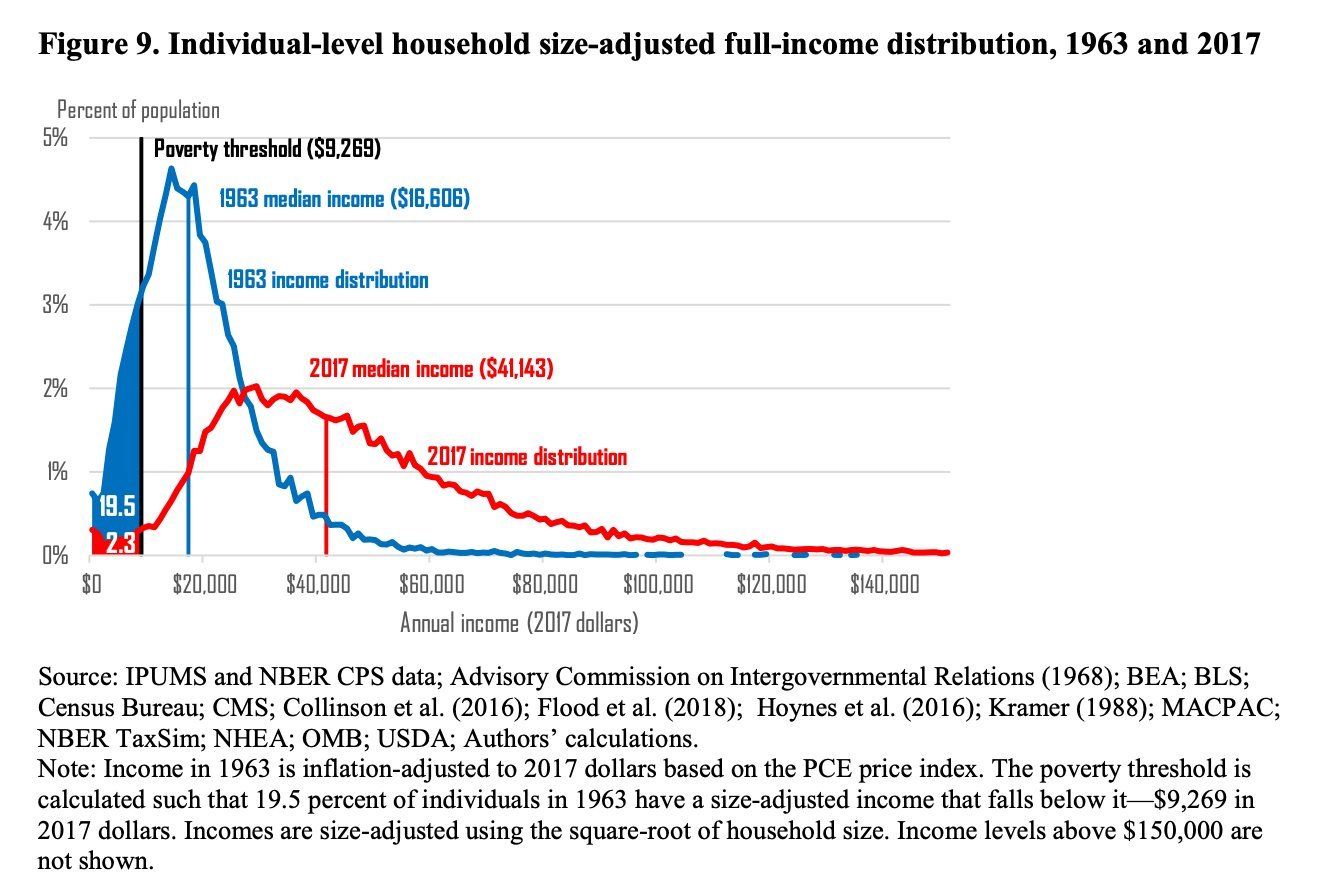
in applied welfare economics, economic history, income redistribution, labour economics, politics - USA, poverty and inequality, Public Choice Tags: 2020 presidential election, child poverty, family poverty, social insurance
04 Mar 2020 Leave a comment
in development economics, economics of natural disasters, energy economics, environmental economics, global warming, politics - Australia, politics - New Zealand, politics - USA Tags: China, climate alarmists, expressive voting, India, nuclear energy, pessimism bias, rational irrationality, The fatal conceit, virtue signaling

04 Mar 2020 Leave a comment
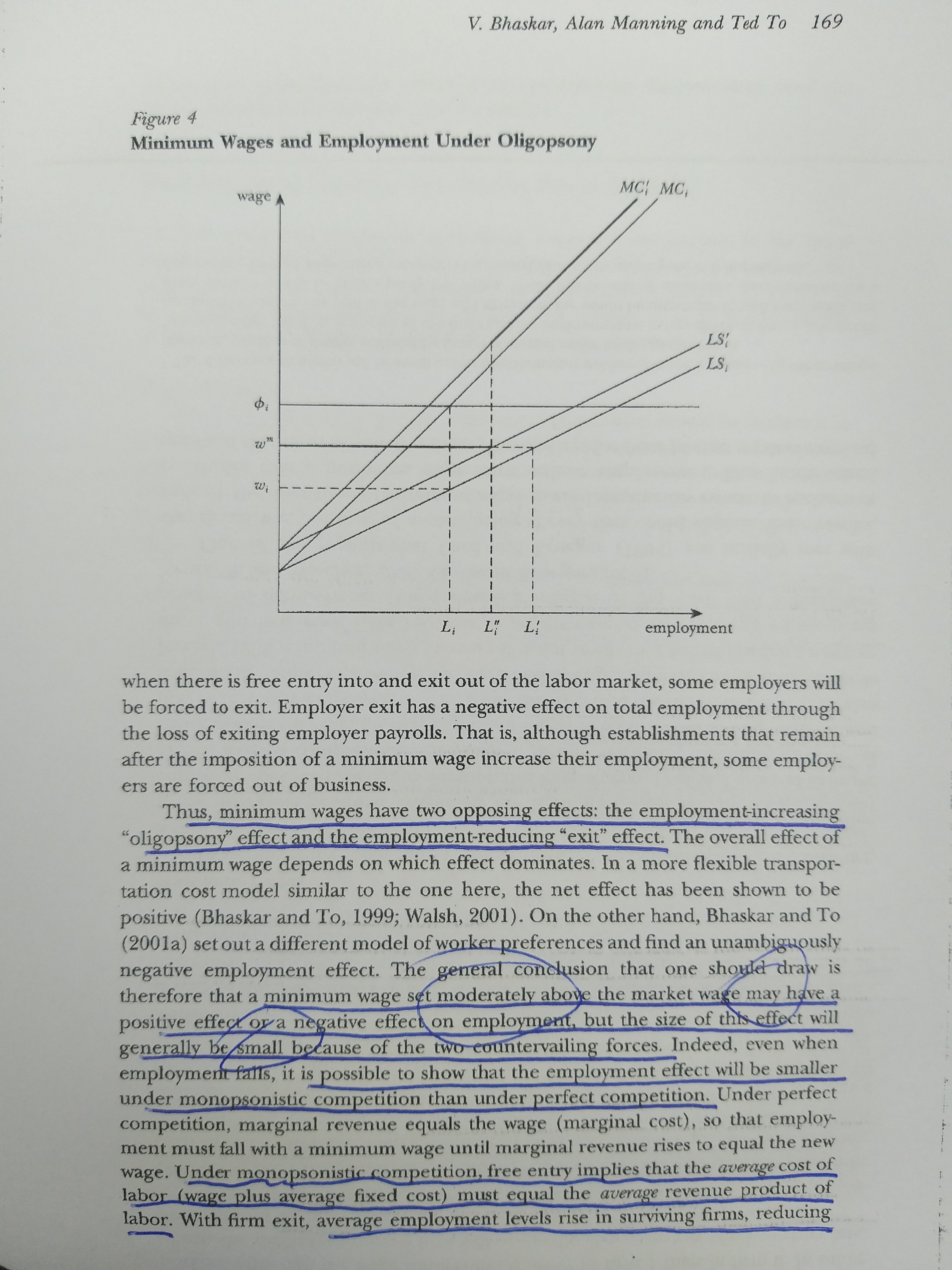
in applied price theory, labour economics, labour supply, minimum wage, politics - USA Tags: 2020 presidential election, inequality of bargaining power, monopsony, offsetting behaviour, The fatal conceit, unintended consequences
04 Mar 2020 Leave a comment
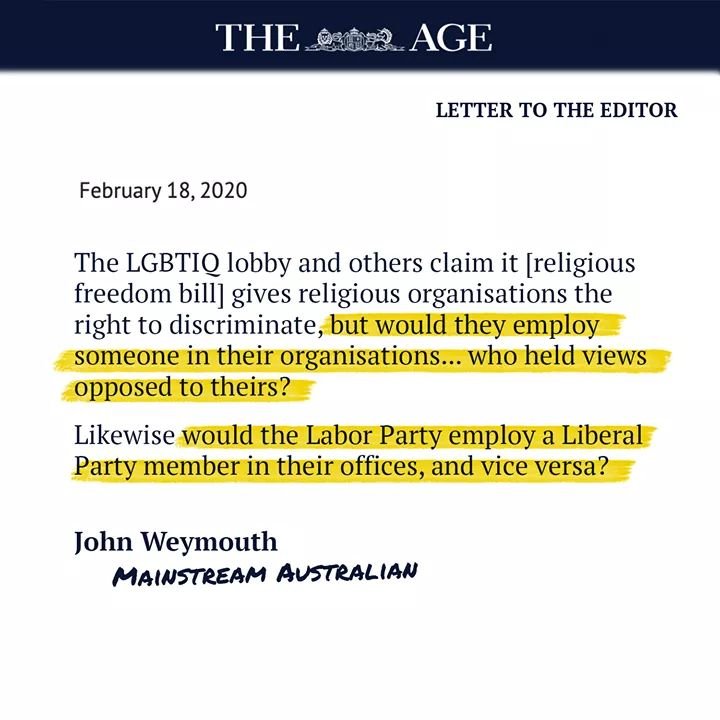
in discrimination, labour economics, labour supply, law and economics, occupational choice, politics - Australia, politics - New Zealand, politics - USA, property rights, Public Choice Tags: antidiscrimination laws, Freedom of religion, political correctness, regressive left, The fatal conceit, unexpected consequences
04 Mar 2020 Leave a comment
in economics of natural disasters, energy economics, environmental economics, global warming, politics - Australia Tags: climate alarmists, pessimism bias
04 Mar 2020 Leave a comment
in business cycles, economic growth, fiscal policy, history of economic thought, labour economics, labour supply, macroeconomics, monetary economics, Thomas M. Humphrey Tags: monetary policy, real business cycle theory
04 Mar 2020 Leave a comment
in applied price theory, discrimination, economics of education, Gary Becker, labour economics
04 Mar 2020 Leave a comment
in discrimination, economic history, economics of education, human capital, labour economics, labour supply, occupational choice, politics - USA, poverty and inequality, unemployment, welfare reform Tags: affirmative action, racial discrimination, regressive left
04 Mar 2020 Leave a comment
in economics of education, income redistribution, politics - USA, Public Choice, rentseeking Tags: affirmative action, political correctness, racial discrimination, regressive left
04 Mar 2020 Leave a comment
In a very helpful blog post, Paul Krugman tries to make sense of Wal-Mart’s recent statement that it is already reaping some gains from raising wages via reduced turnover costs. Krugman’s main point is as follows. If worker productivity is a function of the wage (through improved morale, lower turnover, etc.), and Wal-Mart was initially maximizing profits, then a small change in wages will leave profits largely unchanged.
As Krugman points out, this is logic of the “envelope theorem.” What I want to clarify in this post is that the logic behind this argument is more general than the particular efficiency wage model Krugman works through. Any time firms are choosing wages to balance various concerns—as opposed to simply accepting a “market wage” as a constraint—the logic of the envelope theorem applies. What’s more, two types of empirically relevant models of the labor market—monopsonistic competition and efficiency wages—look pretty similar in this regard, and can be thought of as…
View original post 618 more words
Celebrating humanity's flourishing through the spread of capitalism and the rule of law
Celebrating humanity's flourishing through the spread of capitalism and the rule of law
Celebrating humanity's flourishing through the spread of capitalism and the rule of law
Celebrating humanity's flourishing through the spread of capitalism and the rule of law
Celebrating humanity's flourishing through the spread of capitalism and the rule of law
Celebrating humanity's flourishing through the spread of capitalism and the rule of law
Celebrating humanity's flourishing through the spread of capitalism and the rule of law
Celebrating humanity's flourishing through the spread of capitalism and the rule of law
Celebrating humanity's flourishing through the spread of capitalism and the rule of law
Celebrating humanity's flourishing through the spread of capitalism and the rule of law
Celebrating humanity's flourishing through the spread of capitalism and the rule of law
Celebrating humanity's flourishing through the spread of capitalism and the rule of law
A History of the Alt-Right
Econ Prof at George Mason University, Economic Historian, Québécois
Celebrating humanity's flourishing through the spread of capitalism and the rule of law
Scholarly commentary on law, economics, and more
Beatrice Cherrier's blog
Celebrating humanity's flourishing through the spread of capitalism and the rule of law
Celebrating humanity's flourishing through the spread of capitalism and the rule of law
Celebrating humanity's flourishing through the spread of capitalism and the rule of law
Why Evolution is True is a blog written by Jerry Coyne, centered on evolution and biology but also dealing with diverse topics like politics, culture, and cats.
Celebrating humanity's flourishing through the spread of capitalism and the rule of law
A rural perspective with a blue tint by Ele Ludemann
DPF's Kiwiblog - Fomenting Happy Mischief since 2003
Celebrating humanity's flourishing through the spread of capitalism and the rule of law
The world's most viewed site on global warming and climate change
Tim Harding's writings on rationality, informal logic and skepticism
A window into Doc Freiberger's library
Let's examine hard decisions!
Commentary on monetary policy in the spirit of R. G. Hawtrey
Thoughts on public policy and the media
Celebrating humanity's flourishing through the spread of capitalism and the rule of law
Politics and the economy
A blog (primarily) on Canadian and Commonwealth political history and institutions
Reading between the lines, and underneath the hype.
Economics, and such stuff as dreams are made on
"The British constitution has always been puzzling, and always will be." --Queen Elizabeth II
Celebrating humanity's flourishing through the spread of capitalism and the rule of law
Celebrating humanity's flourishing through the spread of capitalism and the rule of law
WORLD WAR II, MUSIC, HISTORY, HOLOCAUST
Undisciplined scholar, recovering academic
Celebrating humanity's flourishing through the spread of capitalism and the rule of law
Res ipsa loquitur - The thing itself speaks
In Hume’s spirit, I will attempt to serve as an ambassador from my world of economics, and help in “finding topics of conversation fit for the entertainment of rational creatures.”
Researching the House of Commons, 1832-1868
Reflections on books and art



Recent Comments