Let this article be Exhibit A in the case against climate policy by fiat. And remember: when someone tells you fossil fuels are living off your tax dollars, ask them to show the receipts. Odds are, they’re pointing to a spreadsheet full of make-believe.
Dr. Matthew Wielicki Torches the $7 Trillion Fossil Fuel Subsidy Myth
Dr. Matthew Wielicki Torches the $7 Trillion Fossil Fuel Subsidy Myth
10 Jul 2025 1 Comment
in economics of climate change, energy economics, environmental economics, environmentalism, global warming, income redistribution, industrial organisation, politics - USA, Public Choice, rentseeking
The gender wage gap uses bogus statistics | FACTUAL FEMINIST
02 Jul 2025 Leave a comment
in applied price theory, discrimination, econometerics, economics of regulation, gender, health and safety, human capital, income redistribution, labour economics, labour supply, occupational choice, politics - USA, Public Choice Tags: gender wage gap, sex discrimination
Failing to Learn the Lessons of History
01 Jul 2025 1 Comment
in applied price theory, economics of bureaucracy, entrepreneurship, income redistribution, industrial organisation, labour economics, politics - USA, Public Choice, public economics, unions, urban economics
Plenty of people have commented on New York City mayoral candidate Zohran Mamdani’s proposal to lower food prices by creating city-owned grocery stores, but there is still more to be said about this plan. Mamdani either thinks or believes that voters think that store owners are making huge profit through … Continue reading →
Failing to Learn the Lessons of History
Quotation of the Day…
01 Jul 2025 Leave a comment
in applied price theory, income redistribution, international economics, politics - USA, Public Choice, rentseeking Tags: tarrifs
Tweet… is from page 45 of Milton & Rose Friedman’s great 1980 book, Free To Choose: Another source of “unfair competition” is said to be subsidies by foreign governments to their producers that enable them to sell in the United States below cost. Suppose a foreign government gives such subsidies, as no doubt some do.…
Quotation of the Day…
Bad Economic History Fuels Bad Present-Day Economic Policies
28 Jun 2025 1 Comment
in applied price theory, Austrian economics, comparative institutional analysis, development economics, economic history, history of economic thought, income redistribution, industrial organisation, international economics, liberalism, politics - USA, Public Choice
TweetAt CapX, I explain what motivated Phil Gramm and me to write our book, The Triumph of Economic Freedom: Debunking the Seven Great Myths of American Capitalism. A slice: Likewise with America’s own industrial revolution, the ‘Gilded Age’. American schoolchildren are taught that the final third of the 19th century witnessed John D. Rockefeller and…
Bad Economic History Fuels Bad Present-Day Economic Policies
Effects of Zoning: when we restrict supply, prices go up.
14 Jun 2025 1 Comment
in applied price theory, econometerics, income redistribution, law and economics, property rights, Public Choice, public economics, rentseeking, urban economics Tags: housing affordability, land supply, zoning
America’s Housing Supply Problem: The Closing of the Suburban Frontier?
08 Jun 2025 1 Comment
in economics of bureaucracy, economics of regulation, income redistribution, politics - USA, Public Choice, regulation, rentseeking, urban economics Tags: housing affordability, land supply, zoning
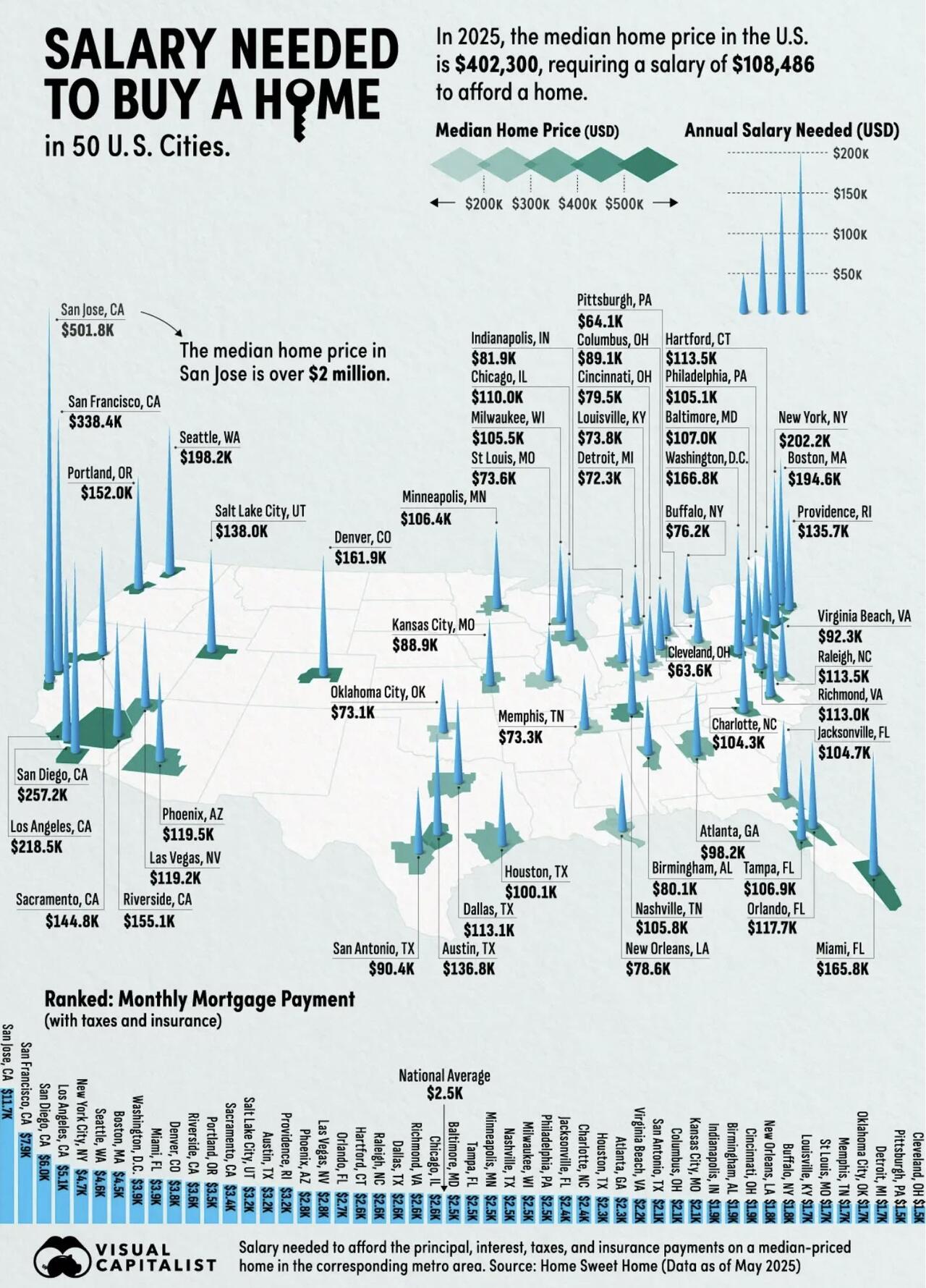
Housing prices across much of America have hit historic highs, while less housing is being built. If the U.S. housing stock had expanded at the same rate from 2000-2020 as it did from 1980-2000, there would be 15 million more housing units. This paper analyzes the decline of America’s new housing supply, focusing on large […]
America’s Housing Supply Problem: The Closing of the Suburban Frontier?
Counting the Cost
01 Jun 2025 Leave a comment
in applied price theory, discrimination, gender, human capital, income redistribution, labour economics, labour supply, occupational choice, politics - New Zealand, poverty and inequality, Public Choice, rentseeking Tags: constitutional law, gender wage gap, sex discrimination
For all the gravitas which Dame Marilyn’s involvement has conferred upon PSCPE, it is important not to lose sight of the fact that it represents a deliberate attempt to morally overpower what is now the law of the land. Chris Trotter writes – The People’s Select Committee on Pay Equity (PSCPE) is looking for evidence. […]
Counting the Cost
The Latest Affordability Numbers
26 May 2025 Leave a comment
in economics of regulation, income redistribution, Public Choice, rentseeking, urban economics Tags: housing affordability, land supply, zoning
Housing in Canada, Hong Kong, New Zealand, and Singapore was slightly more affordable in 2024 than it had been in 2023. Wendell Cox’s latest assessment of housing affordability, when compared with last year’s assessment, shows that housing became slightly less affordable in Ireland and the United Kingdom, while affordability remained … Continue reading →
The Latest Affordability Numbers
Excusing the Government
22 May 2025 Leave a comment
in applied price theory, applied welfare economics, comparative institutional analysis, constitutional political economy, economics of bureaucracy, economics of regulation, history of economic thought, income redistribution, international economics, labour economics, law and economics, property rights, Public Choice, public economics, rentseeking, urban economics
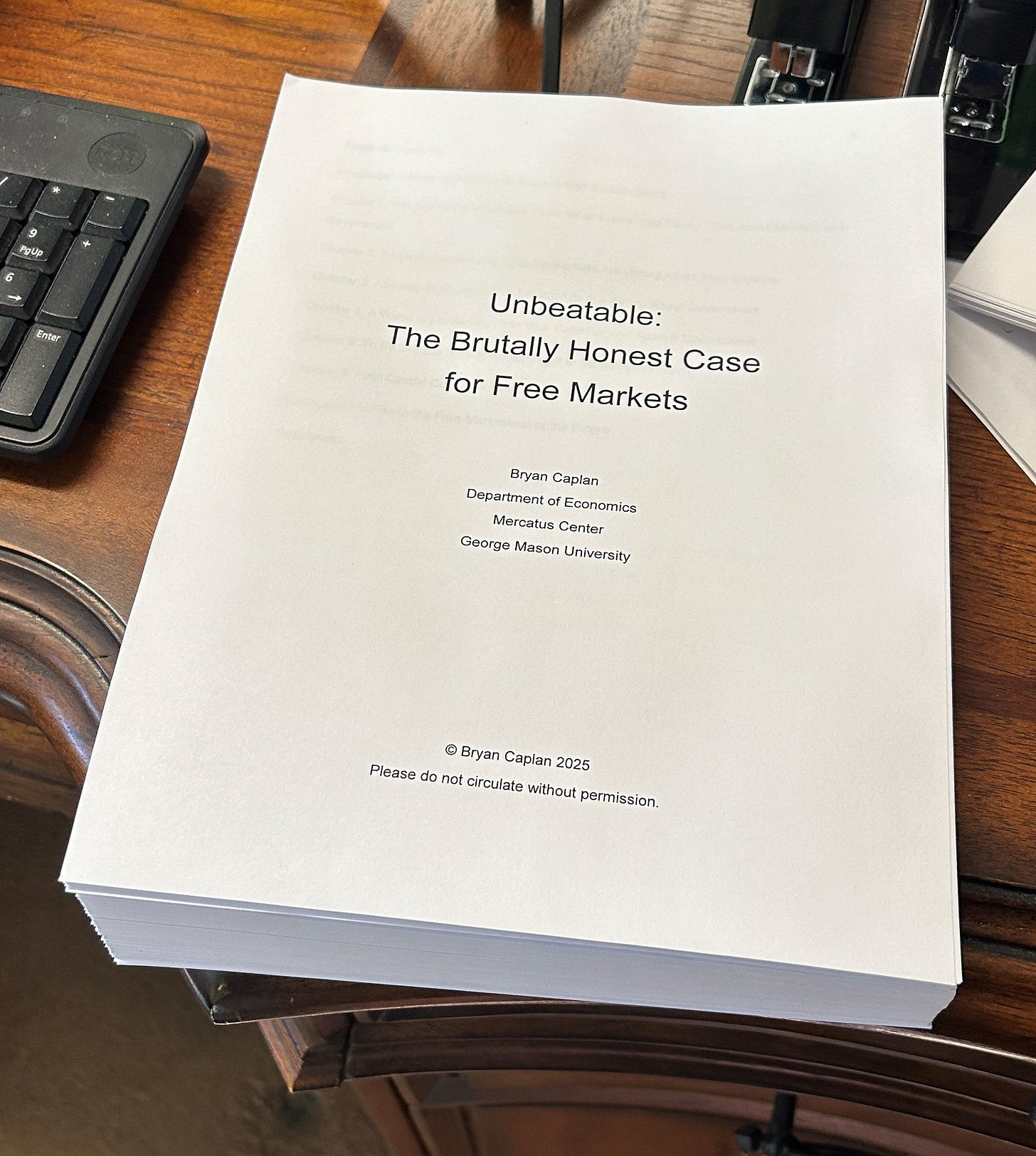
An excerpt from Chapter 3 of *Unbeatable*
Excusing the Government
Trump Admin Sues to Block Blue States From Taking Fossil Fuel Companies To Court Over Climate Change
02 May 2025 Leave a comment
in economics of bureaucracy, economics of regulation, energy economics, environmental economics, global warming, income redistribution, law and economics, politics - USA, property rights, Public Choice, rentseeking Tags: climate activists, nuisance suits
The Trump administration filed lawsuits Wednesday against Michigan and Hawaii in an attempt to block the states from seeking damages in court against fossil fuel companies for alleged environmental harm.
Trump Admin Sues to Block Blue States From Taking Fossil Fuel Companies To Court Over Climate Change
Housing affordability
01 May 2025 Leave a comment
in applied price theory, economics of regulation, income redistribution, law and economics, politics - New Zealand, property rights, Public Choice, rentseeking, urban economics Tags: housing affordability, land supply, zoning
Trump’s tariff claims are even stupider than anyone thought
04 Apr 2025 Leave a comment
in applied price theory, economic history, income redistribution, industrial organisation, international economic law, international economics, International law, politics - USA, Public Choice, rentseeking Tags: 2024 presidential election, free trade, tariffs
The White House released a list of countries and the tariff rates they charged the US. It was clearly wrong as NZ has an average tariff of around 1.7% on US imports and the list said 20%. I thought it was because they were including our GST of 15%. That would have been very dumb, […]
Trump’s tariff claims are even stupider than anyone thought
Cultural Apartheid
03 Apr 2025 Leave a comment
in discrimination, economics of education, health economics, human capital, income redistribution, law and economics, liberalism, Marxist economics, politics - New Zealand, Public Choice, rentseeking Tags: affirmative action, free speech, political correctness, racial discrimination, regressive left
Muriel Newman writes – King’s Counsel Gary Judd has been at the forefront of a battle to defend New Zealand from the actions of Maori tribal leaders attempting to force their cultural apartheid onto our country. He’s defending the Rule of Law from attack by those pushing for ‘decolonisation’ by arguing that since ‘tikanga’ is an ‘amorphous […]
Cultural Apartheid
The Protectionism Edition of Economics Humor
01 Apr 2025 Leave a comment
in applied price theory, applied welfare economics, comparative institutional analysis, economic history, history of economic thought, income redistribution, industrial organisation, international economics, politics - USA, Public Choice, rentseeking, survivor principle Tags: 2024 presidential election, free trade, tarrifs

It appears that Trump wants to repeat the mistakes of the 1930s with a global trade war. That is going to be very bad news for workers, consumers, taxpayers, manufacturers, farmers, and exporters. But there are two bits of good news. At least for small slices of the populations First, lobbyists will get rich as […]
The Protectionism Edition of Economics Humor
 Utopia, you are standing in it!
Recent Comments