Free To Choose in Under 2 Minutes Episode 2 – The Tyranny of Control
22 May 2020 Leave a comment
in Adam Smith, applied price theory, applied welfare economics, comparative institutional analysis, constitutional political economy, development economics, economic history, economics of religion, entrepreneurship, growth disasters, growth miracles, income redistribution, industrial organisation, international economics, labour economics, labour supply, law and economics, Milton Friedman, property rights, Public Choice, public economics, rentseeking, survivor principle, television Tags: capitalism and freedom, India, Japan
Free To Choose in Under 2 Minutes Episode 1 – The Power of the Market
21 May 2020 Leave a comment
in applied price theory, applied welfare economics, comparative institutional analysis, constitutional political economy, development economics, economic history, economics of regulation, entrepreneurship, financial economics, growth miracles, history of economic thought, industrial organisation, international economics, labour economics, labour supply, law and economics, Milton Friedman, occupational choice, poverty and inequality, property rights, Public Choice, public economics, survivor principle, television Tags: capitalism and freedom
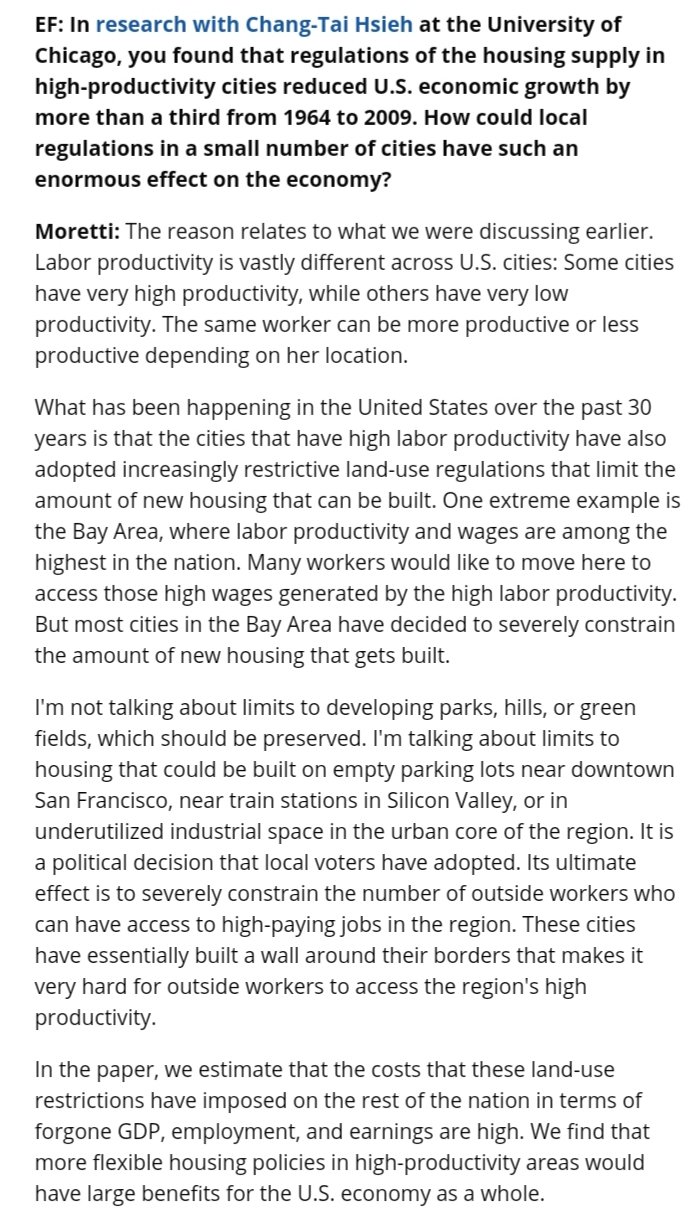
The staggering cost of NIMBYISM
18 May 2020 Leave a comment
in applied price theory, applied welfare economics, economic growth, economic history, economics of regulation, human capital, income redistribution, labour economics, labour supply, law and economics, macroeconomics, politics - USA, property rights, Public Choice, public economics, rentseeking, urban economics Tags: land supply, zoning
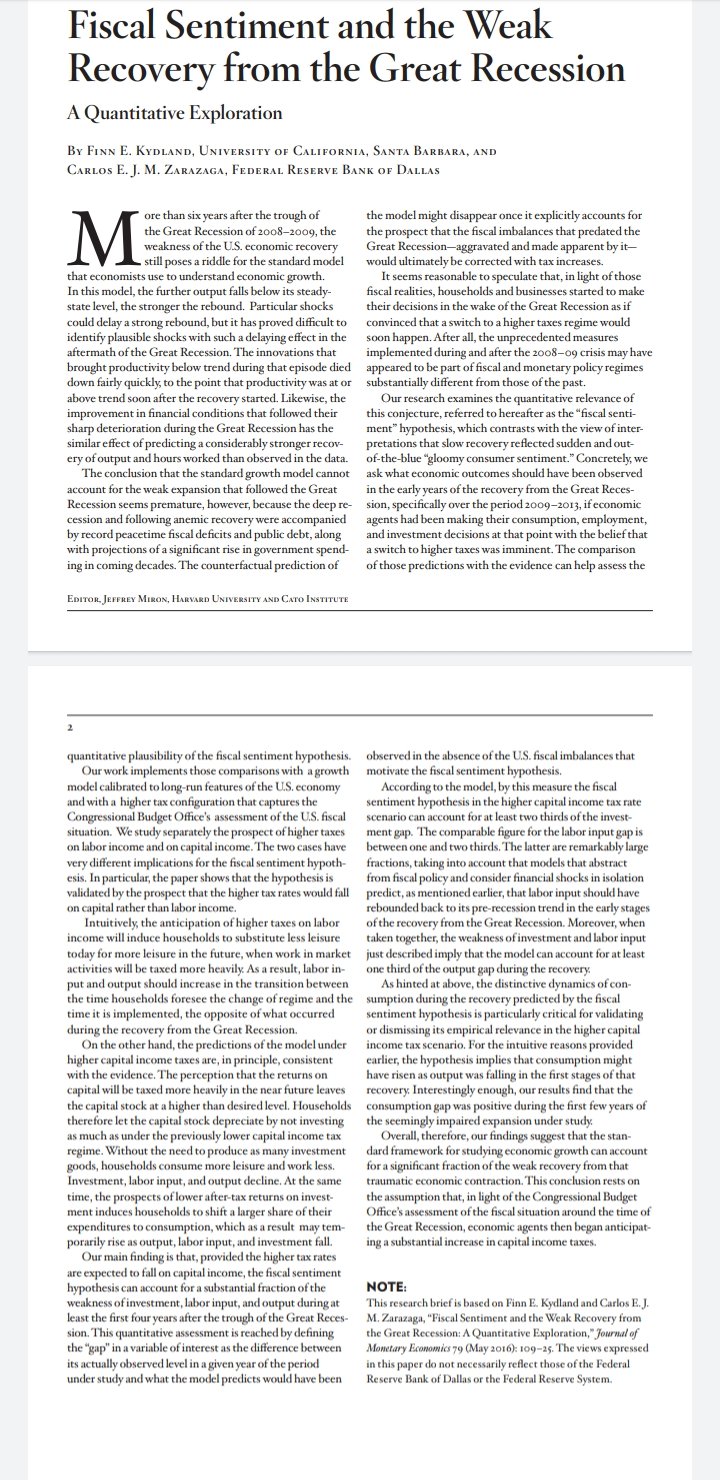
Will taxes stall the #COVID19 recovery?
18 May 2020 Leave a comment
in applied price theory, budget deficits, business cycles, econometerics, economic growth, economic history, fiscal policy, global financial crisis (GFC), great recession, labour economics, labour supply, macroeconomics, Public Choice, public economics Tags: real business cycle theory, taxation and investment
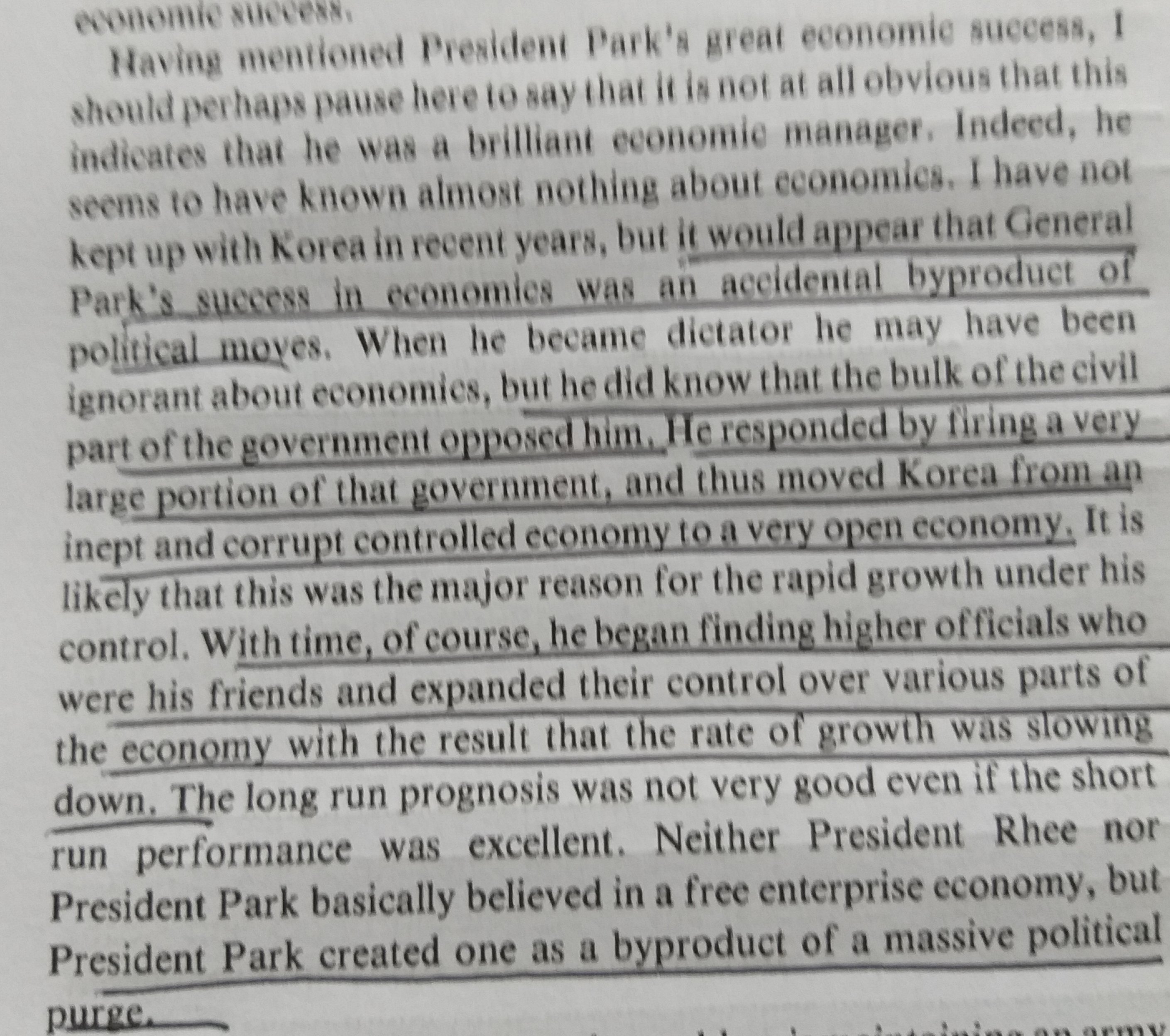
Gordon Tullock explains the Korean economic miricle
18 May 2020 Leave a comment
in comparative institutional analysis, constitutional political economy, defence economics, development economics, economic history, economics of bureaucracy, Gordon Tullock, growth miracles, Public Choice, public economics, rentseeking Tags: South Korea
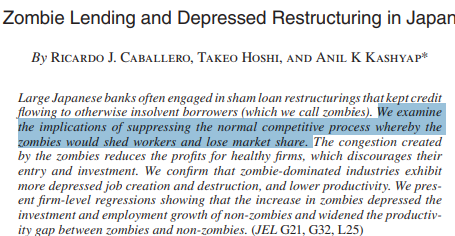
Doing Bad by Doing Good by Chris Coyne
18 May 2020 Leave a comment
in applied price theory, applied welfare economics, Austrian economics, comparative institutional analysis, constitutional political economy, economics of bureaucracy, economics of information, economics of natural disasters, economics of regulation, entrepreneurship, F.A. Hayek, health economics, history of economic thought, industrial organisation, international economics, labour economics, law and economics, property rights, Public Choice, public economics Tags: offsetting behaviour, The fatal conceit, unintended consequences
Robert Lucas on wealth taxes
07 May 2020 Leave a comment
in entrepreneurship, income redistribution, poverty and inequality, Public Choice, public economics, Robert E. Lucas

The shape of things to come if #COVID19 subsidies persist?
05 May 2020 Leave a comment
in fiscal policy, health economics, industrial organisation, politics - New Zealand, Public Choice, public economics, survivor principle
How many projects are shovel-ready with the border closed to a global construction engineers market?
04 May 2020 Leave a comment

Myth of the Rational Voter
02 May 2020 Leave a comment
in applied price theory, economics of bureaucracy, economics of crime, economics of education, economics of information, economics of regulation, election campaigns, energy economics, environmental economics, history of economic thought, income redistribution, industrial organisation, international economics, labour economics, labour supply, law and economics, managerial economics, market efficiency, Marxist economics, minimum wage, organisational economics, personnel economics, politics - USA, population economics, property rights, Public Choice, public economics, rentseeking, resource economics, theory of the firm, transport economics, urban economics, welfare reform Tags: anti-foreign bias, anti-market bias, make-work bias, pessimism bias, rational ignorance, rational irrationality, regressive left
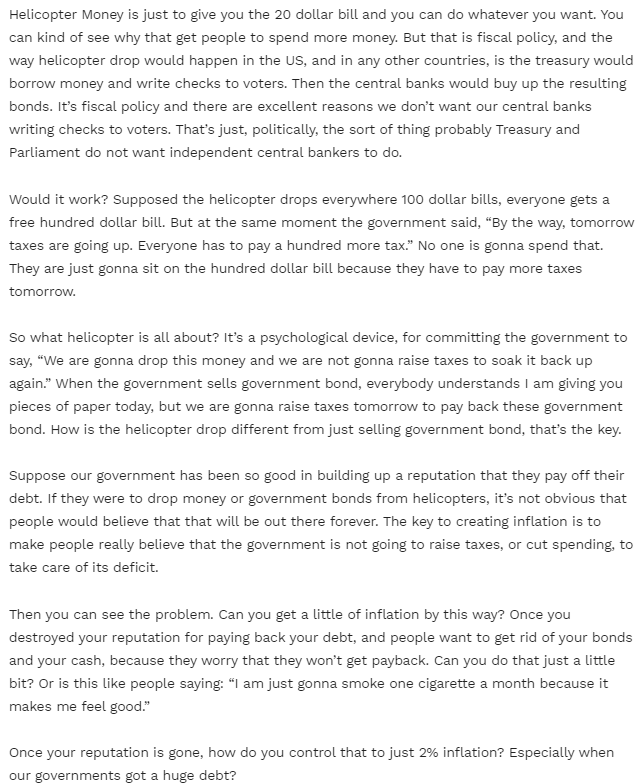
John Cochrane explains helicopter drops
01 May 2020 Leave a comment
in financial economics, fiscal policy, macroeconomics, Milton Friedman, monetarism, monetary economics, politics - New Zealand, public economics
Great depression unemployment rates
30 Apr 2020 Leave a comment
in business cycles, economic growth, economic history, fiscal policy, great depression, labour economics, labour supply, macroeconomics, monetary economics, public economics, unemployment Tags: Keynesian macroeconomics
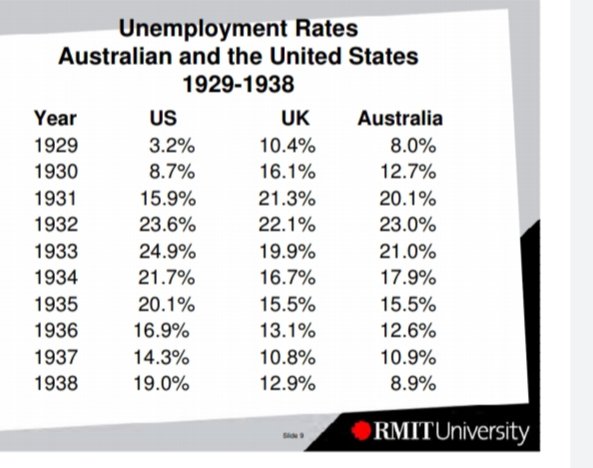
Source Sinclair Davidson
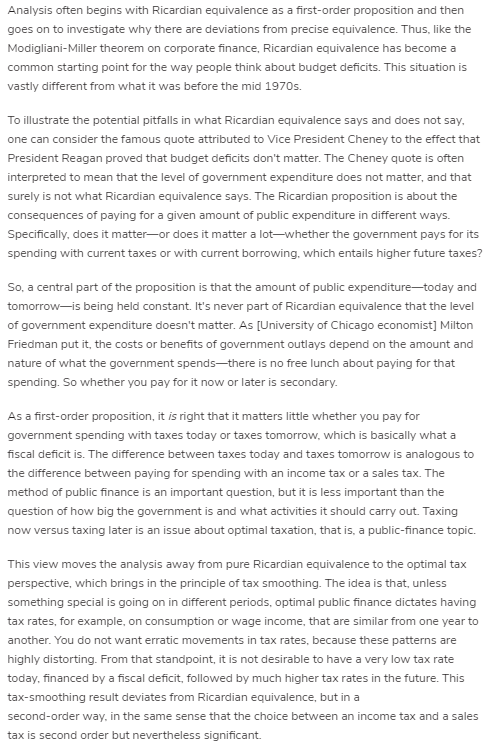
Robert Barro explains Ricardian equivalence and tax smoothing
26 Apr 2020 Leave a comment
in fiscal policy, macroeconomics, public economics
Can the Free Market End Global Poverty? Joseph Stiglitz vs. William Easterly
26 Apr 2020 Leave a comment
in Bill Easterly, comparative institutional analysis, constitutional political economy, development economics, economic history, economics of bureaucracy, economics of education, economics of regulation, growth disasters, growth miracles, history of economic thought, income redistribution, industrial organisation, labour economics, law and economics, P.T. Bauer, privatisation, property rights, Public Choice, public economics, rentseeking, survivor principle Tags: The Great Enrichment, The Great Escape


Recent Comments