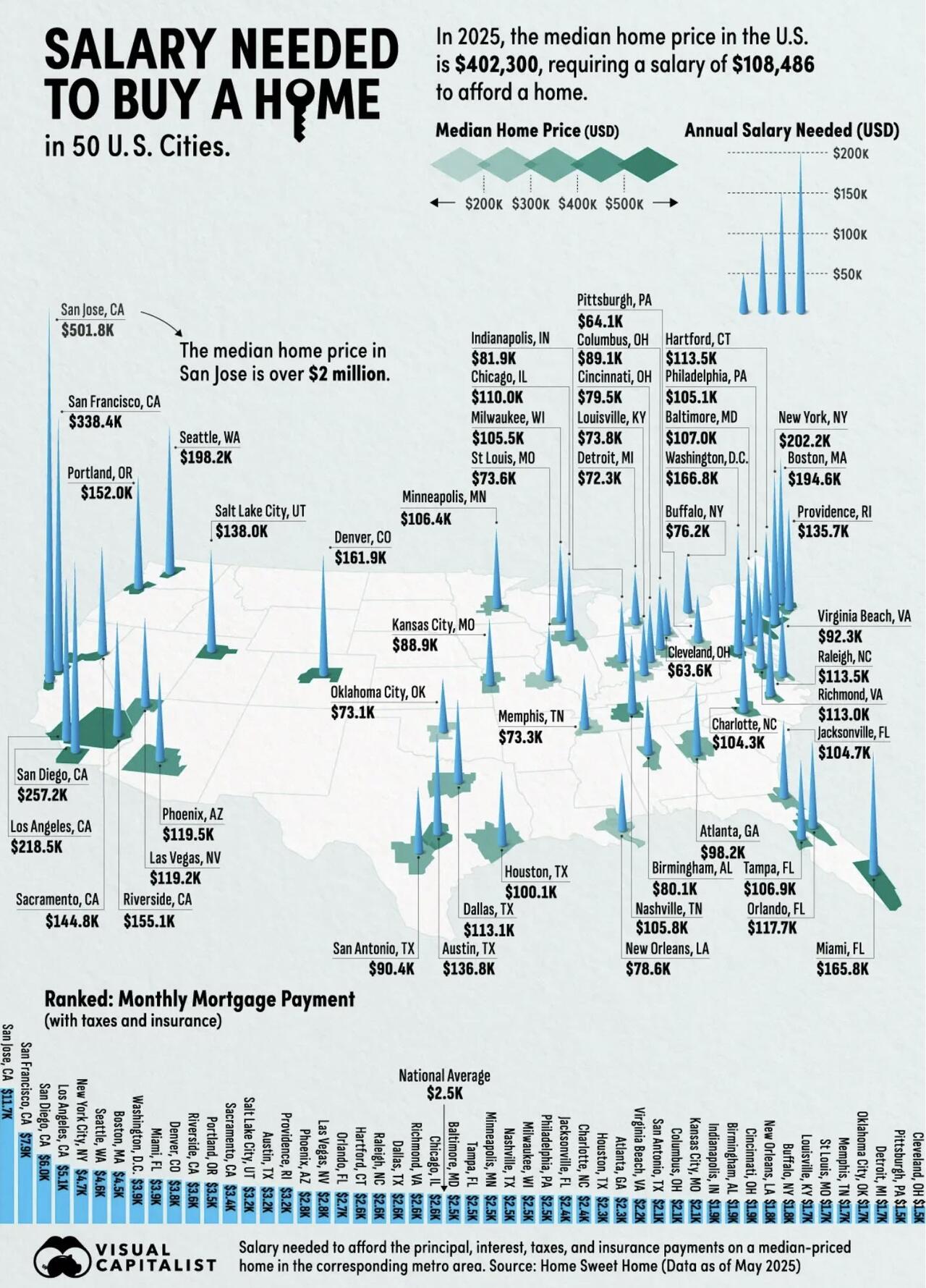
Effects of Zoning: when we restrict supply, prices go up.
Celebrating humanity's flourishing through the spread of capitalism and the rule of law
14 Jun 2025 1 Comment
in applied price theory, econometerics, income redistribution, law and economics, property rights, Public Choice, public economics, rentseeking, urban economics Tags: housing affordability, land supply, zoning
13 Jun 2025 1 Comment
in applied price theory, Public Choice, public economics Tags: Spain, taxation and entrepreneurship, taxation and investment, taxation and savings
From the Journal of Public Economics Twitter feed: What happened when Spain brought back the Wealth Tax in 2011? Using variation in exposure, this paper finds: – No drop in savings, but drop in taxable wealth—mainly via legal avoidance – Asset shifting caused most revenue loss – Estimated revenue loss was 2.75x initial 2011 rev. […]
What happened when Spain brought back the wealth tax?
30 May 2025 Leave a comment
in budget deficits, business cycles, economic growth, fiscal policy, inflation targeting, labour economics, macroeconomics, monetary economics, politics - New Zealand, public economics, unemployment Tags: monetary policy
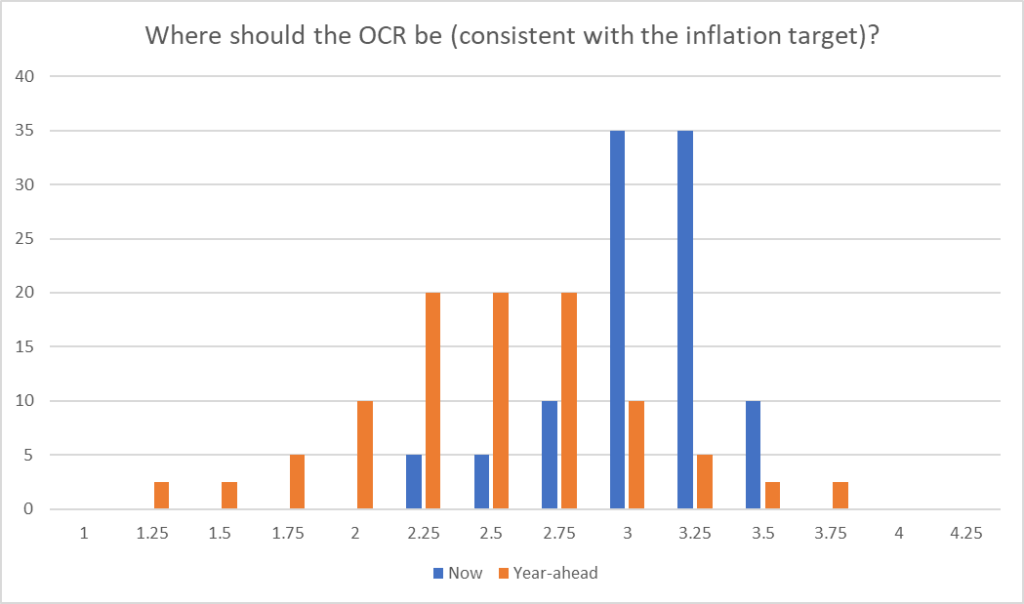
Michael Reddell writes – Procrastinating this morning, I asked Grok to write a post in my style on yesterday’s Monetary Policy Statement. Suffice to say, I think I’ll stick to thinking and writing for myself for the time being. Among the many oddities of Grok’s product was the conviction that Adrian Orr was still Governor. Mercifully […]
May Monetary Policy Statement
29 May 2025 1 Comment
in economics of regulation, politics - USA, public economics, urban economics Tags: NIMBY, zoning
See Small-Town Locals and Newcomers Unite Against a Common Foe: Data Centers: Residents in Appalachian tourist area band together to keep one of the largest data-center complexes in the world out of their no-stoplight community by Kris Maher of The WSJ. Excerpts:”residents [of DAVIS, W.Va.] are . . . determined to keep big tech out of…
Life is full of tradeoffs: We can have more data centers and local tax revnue or less tourism and a dirtier environment
27 May 2025 Leave a comment
in applied price theory, economic growth, fiscal policy, macroeconomics, politics - New Zealand, public economics Tags: taxation and investment

After the discussion in my post yesterday on the Investment Boost subsidy scheme announced in the Budget I thought a bit more about who was likely to benefit the most from it. The general answer of course is the purchasers of the longest-lived assets. Why? Because if you have an asset which IRD estimates to […]
One last post on Investment Boost
27 May 2025 Leave a comment
in budget deficits, business cycles, economic growth, fiscal policy, macroeconomics, politics - New Zealand, Public Choice, public economics Tags: taxation and investment

On two separate themes; aggregate fiscal policy, and the Investment Boost initiative. Aggregate fiscal policy Over the weekend for some reason I was prompted to look up the Budget Responsibility Rules that Labour and the Greens committed to in early 2017 (my commentary on them here). At the time, the intention seemed to be to […]
Some more post-Budget thoughts
25 May 2025 1 Comment
in development economics, financial economics, Public Choice, public economics Tags: remittances
Trump has been talking about this. I am not sure what version of the idea we might end up with, but let’s consider the idea in its abstract form. Let’s also put aside money laundering issues, and talk about “simple remittances.” The United States has a partial monopsony power over Latino (and often other) migrants, […]
The 3.5 percent remittance tax
24 May 2025 Leave a comment
in budget deficits, fiscal policy, macroeconomics, politics - New Zealand, Public Choice, public economics
Eric Crampton writes – This week’s budget projected no return to balanced books. It is difficult to see how recent budgets from National and Labour comply with the Public Finance Act’s fiscal responsibility provisions. It is a problem.
Deficits forever?
23 May 2025 Leave a comment
in applied price theory, budget deficits, economic growth, economics of regulation, entrepreneurship, fiscal policy, macroeconomics, politics - New Zealand, Public Choice, public economics

Michael Reddell writes – There were good things in the Budget. There may be few/no votes in better macroeconomic statistics and, specifically, a monthly CPI but – years late (for which the current government can’t really be blamed) – it is finally going to happen.
The (deeply underwhelming) Budget
22 May 2025 Leave a comment
in applied price theory, applied welfare economics, comparative institutional analysis, constitutional political economy, economics of bureaucracy, economics of regulation, history of economic thought, income redistribution, international economics, labour economics, law and economics, property rights, Public Choice, public economics, rentseeking, urban economics
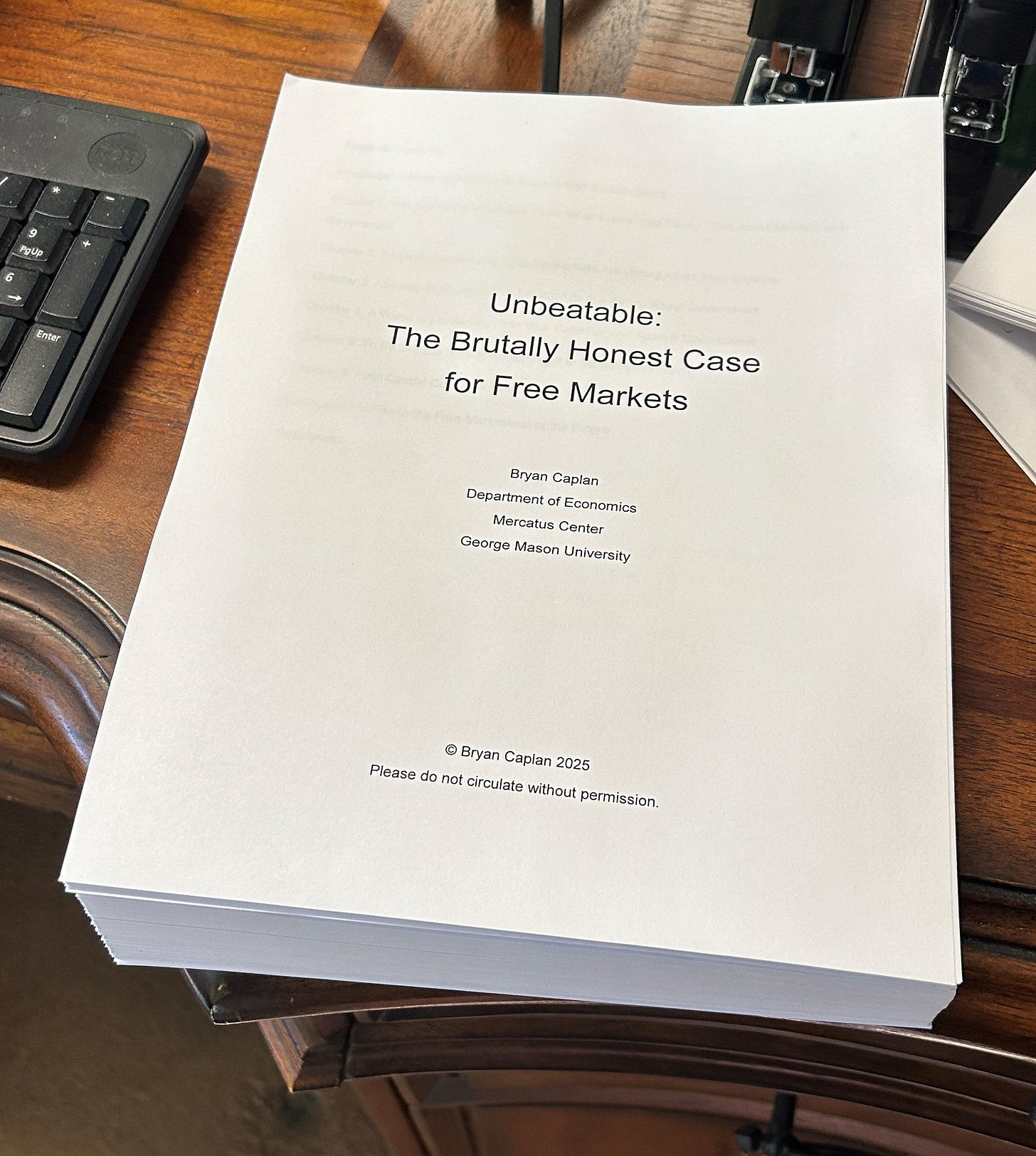
An excerpt from Chapter 3 of *Unbeatable*
Excusing the Government
16 Apr 2025 Leave a comment
in economics of bureaucracy, Public Choice, public economics Tags: tax privacy
In an era where many people are highly sensitive to what personal information is being collected about them, and how that information is being used, one sometimes hear the question: Why should the government have any power to know your income? In a US context, the question is often asked around April 15, when income…
Tax Privacy
02 Apr 2025 Leave a comment
in applied price theory, economic history, economics of bureaucracy, history of economic thought, industrial organisation, law and economics, managerial economics, organisational economics, politics - New Zealand, privatisation, property rights, Public Choice, public economics
New Zealand’s economic development has always been a partnership between the public and private sectors. Brian Easton writes – Public-Private-Partnerships (PPPs) have become fashionable again, partly because of the government’s ambitions to accelerate infrastructural development. There is, of course, an ideological element too, while some of the opposition to them is also ideological. PPPs […]
Public-Private-Partnerships?
09 Mar 2025 Leave a comment
in applied price theory, comparative institutional analysis, constitutional political economy, economic history, economics of bureaucracy, entrepreneurship, health economics, history of economic thought, Public Choice, public economics, rentseeking
I have a new working paper out. It proposes a price theory-based explanation of why states nationalize the production of “public goods” (i.e., non-excludable and non-rivalrous). This is different than existing explanations as the theory ignores whether private provision is efficient or superior to public provision. I call it the “redistributive engine” theory whereby the […]
Working paper: Why nationalize the production of public goods?
08 Mar 2025 Leave a comment
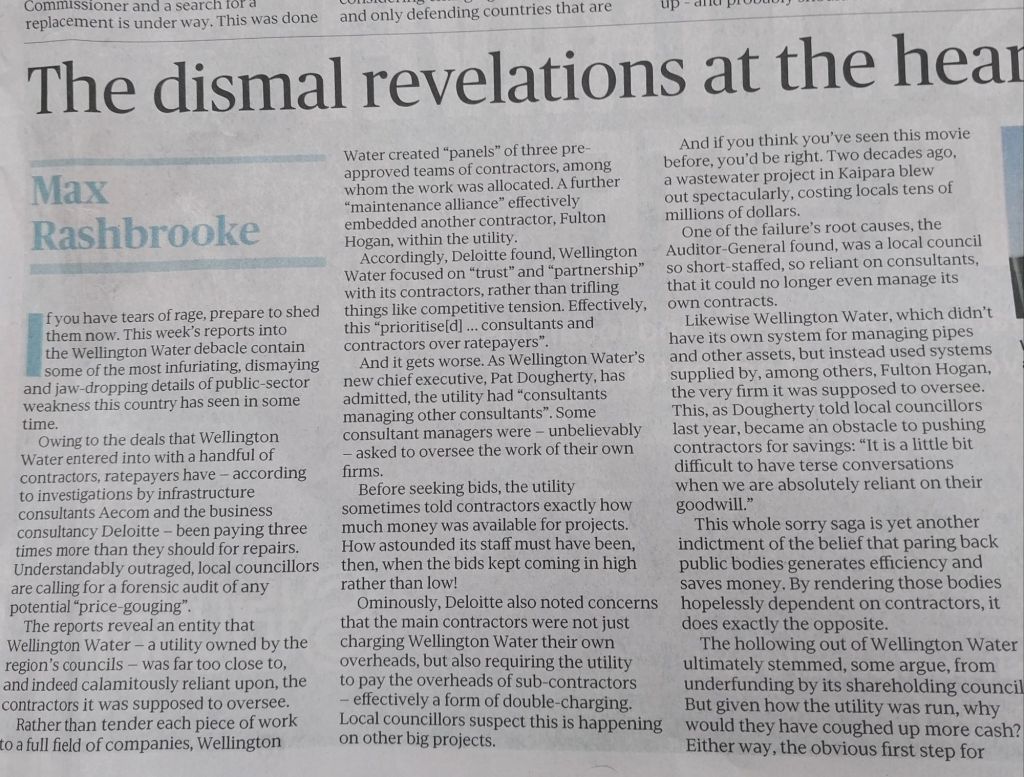
in applied price theory, comparative institutional analysis, economics of bureaucracy, industrial organisation, managerial economics, market efficiency, organisational economics, politics - New Zealand, Public Choice, public economics Tags: privatisation
Celebrating humanity's flourishing through the spread of capitalism and the rule of law
Scholarly commentary on law, economics, and more
Beatrice Cherrier's blog
Celebrating humanity's flourishing through the spread of capitalism and the rule of law
Celebrating humanity's flourishing through the spread of capitalism and the rule of law
Celebrating humanity's flourishing through the spread of capitalism and the rule of law
Why Evolution is True is a blog written by Jerry Coyne, centered on evolution and biology but also dealing with diverse topics like politics, culture, and cats.
Celebrating humanity's flourishing through the spread of capitalism and the rule of law
Celebrating humanity's flourishing through the spread of capitalism and the rule of law
A rural perspective with a blue tint by Ele Ludemann
DPF's Kiwiblog - Fomenting Happy Mischief since 2003
Celebrating humanity's flourishing through the spread of capitalism and the rule of law
The world's most viewed site on global warming and climate change
Tim Harding's writings on rationality, informal logic and skepticism
A window into Doc Freiberger's library
Let's examine hard decisions!
Commentary on monetary policy in the spirit of R. G. Hawtrey
Thoughts on public policy and the media
Celebrating humanity's flourishing through the spread of capitalism and the rule of law
Politics and the economy
A blog (primarily) on Canadian and Commonwealth political history and institutions
Reading between the lines, and underneath the hype.
Economics, and such stuff as dreams are made on
"The British constitution has always been puzzling, and always will be." --Queen Elizabeth II
Celebrating humanity's flourishing through the spread of capitalism and the rule of law
Celebrating humanity's flourishing through the spread of capitalism and the rule of law
WORLD WAR II, MUSIC, HISTORY, HOLOCAUST
Undisciplined scholar, recovering academic
Celebrating humanity's flourishing through the spread of capitalism and the rule of law
Res ipsa loquitur - The thing itself speaks
Celebrating humanity's flourishing through the spread of capitalism and the rule of law
Researching the House of Commons, 1832-1868
Articles and research from the History of Parliament Trust
Reflections on books and art
Posts on the History of Law, Crime, and Justice
Celebrating humanity's flourishing through the spread of capitalism and the rule of law
Exploring the Monarchs of Europe
Cutting edge science you can dice with
Small Steps Toward A Much Better World
“We do not believe any group of men adequate enough or wise enough to operate without scrutiny or without criticism. We know that the only way to avoid error is to detect it, that the only way to detect it is to be free to inquire. We know that in secrecy error undetected will flourish and subvert”. - J Robert Oppenheimer.
The truth about the great wind power fraud - we're not here to debate the wind industry, we're here to destroy it.
Celebrating humanity's flourishing through the spread of capitalism and the rule of law
Celebrating humanity's flourishing through the spread of capitalism and the rule of law
Economics, public policy, monetary policy, financial regulation, with a New Zealand perspective
Celebrating humanity's flourishing through the spread of capitalism and the rule of law
Restraining Government in America and Around the World
 Utopia, you are standing in it!
Recent Comments