Creative destruction in airline safety
25 Dec 2015 Leave a comment
in transport economics Tags: air accidents, Air safety, creative destruction
@TransportBlog @JulieAnneGenter community outrage at new bike lane death trap in Island Bay
22 Dec 2015 Leave a comment
in health and safety, politics - New Zealand, transport economics, urban economics

Source: Wellington’s Island Bay cycleway has left residents confused and angry | Stuff.co.nz.
We drove past this bicycle death trap in island Bay in Wellington the other weekend. The first thing I noticed is a lot of bicycle will be sideswiped as passengers in cars open their left door not expecting anybody to be there. The bike lane also narrows the road from buses. Residents now have a lot of trouble safely getting out of their houses without both are running over bicyclists and seeing oncoming cars. Further proof that bikes are a killer green technology.

Source: Wellington’s Island Bay cycleway has left residents confused and angry | Stuff.co.nz.
Part of the nonsense behind this death trap is that more people ride their bike if they can do so safely such as on this death trap according to the local mayor:
Wellington Mayor Celia Wade-Brown acknowledged the recent social media backlash – which she dubbed “bike-lash” – but was confident it would simmer down once the cycleway was complete.
She pointed to the council’s research, which showed 76 per cent of Wellingtonians would cycle more if cycling was safer.
“And I think a scientific survey is a clearer indication [of Wellingtonians’ views on the cycleway] than the number of social media likes or dislikes.”
Obviously our local mayor has not heard of the social acceptability bias that arises when answering questions about whether or whether not they are use fashionable forms of transport.

The number of people in Wellington taking a bicycle to work in Wellington is trivial. Three times as many walk to work as take a bike to work in Wellington.
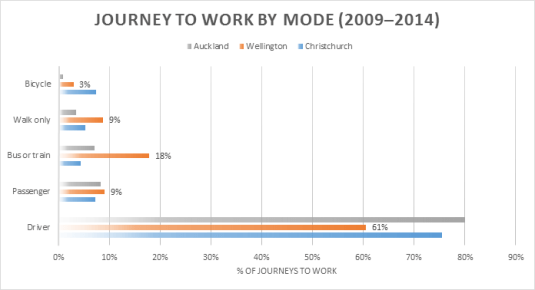
Source: New Zealand Transport Agency.
The Twitter Left mantra as championed by the Greens and Transport Blog is that it would all be so much different we invested a little bit more in public transport is a myth.
The experience in Europe and North America is that if you make buses free, the cheapies that currently bike take the bus or train. In addition, the street people find it comfortable warm place to hang out when during the day which drives the regular customers away.
A 2002 report released by the National Center for Transportation Research indicated that the lack of fares attracted hordes of young people, who brought with them a culture of vandalism, graffiti, and bad behavior—which all necessitated costly maintenance. The lure of “free,” the report implied, attracted the “wrong” crowd—the “right” crowd, of course, being wealthier people with cars, who aren’t very sensitive to price changes.
Comparison of the Titanic and a modern cruise ship
18 Dec 2015 1 Comment
in technological progress, transport economics Tags: creative destruction, The Titanic
Comparison of the Titanic and a modern cruise ship. http://t.co/lqdpKzfyct—
History in Pictures (@HistoryFlick) June 18, 2015
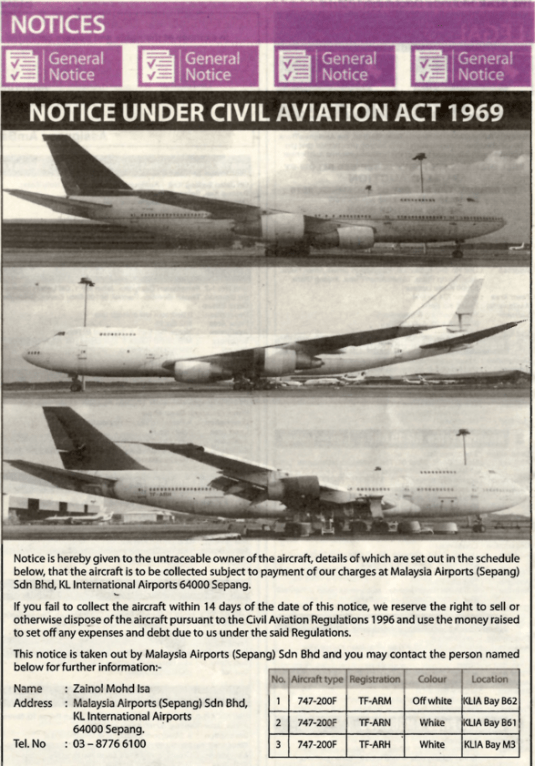
Creative destruction in car radios
06 Dec 2015 Leave a comment
in economics of media and culture, entrepreneurship, transport economics Tags: creative destruction, economics of advertising, entrepreneurial alertness, good old days
Global deaths from indoor and outdoor pollution
03 Dec 2015 1 Comment
in applied welfare economics, energy economics, environmental economics, health economics, transport economics, urban economics Tags: air pollution, indoor pollution, The Great Escape
@TransportBlog @JulieAnneGenter mode of commuting in Auckland, Wellington and Christchurch
01 Dec 2015 Leave a comment
in economics, transport economics, urban economics

Bugger all people commute by bus or train outside of Wellington. Even in Wellington taking the bus or the train has trouble staying well ahead of walking to work.
 Source: Ministry of Transport. (2015). 25 years of New Zealand travel: New Zealand household travel 1989–2014. Wellington: Ministry of Transport.
A hidden cost of terrorism
28 Nov 2015 1 Comment
in applied price theory, applied welfare economics, economics of crime, law and economics, transport economics, war and peace Tags: offsetting the, risk risk trade-offs, unintended consequences, war against terror
@stevenljoyce has his bridge too far on corporate welfare
25 Nov 2015 Leave a comment
in applied welfare economics, politics - New Zealand, rentseeking, transport economics
Motorcyclist deaths and injuries by age group in New Zealand @TransportBlog
24 Nov 2015 Leave a comment
in transport economics Tags: middle-age crises, motorbikes, road safety
Just as young tearaways grew up about the dangers of riding a motor bike over the course of the 1990s in a rather rapid way, baby boomer having their middle-age crisis seem to have taken much of their place at the emergency room.

Source: Ministry of Transport. (2015). 25 years of New Zealand travel: New Zealand household travel 1989–2014. Wellington: Ministry of Transport, Figure 31.
NZ mode of commuting
23 Nov 2015 2 Comments
in politics - New Zealand, transport economics, urban economics
Bugger all people commute by bus or train outside of Wellington. Even in Wellington taking the bus or the train has trouble staying well ahead of walking to work.
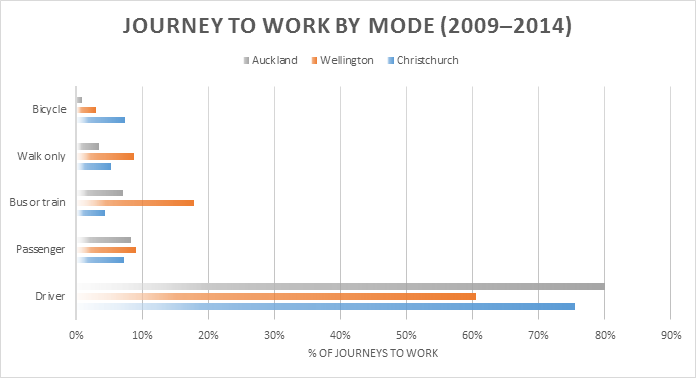
Source: Ministry of Transport. (2015). 25 years of New Zealand travel: New Zealand household travel 1989–2014. Wellington: Ministry of Transport.
@TransportBlog would #cyclists ever pass the precautionary principle?
17 Nov 2015 Leave a comment
in economics, transport economics, urban economics
If bikes were not invented until today, would they ever be allowed on the road by road safety regulators. Here is the business case: allow pedestrians to move around at high speed on the road including at night with poor visibility as long as they travel on a metal contraption.

Source: Ministry of Transport, Cyclists 2014.

With tech from 1960, you’d be more than twice as likely to die in a car wreck
12 Nov 2015 Leave a comment
in transport economics Tags: creative destruction, road safety
Self-driving cars – a surprising quirk in the cost benefit analysis
09 Nov 2015 Leave a comment
in applied welfare economics, health economics, transport economics
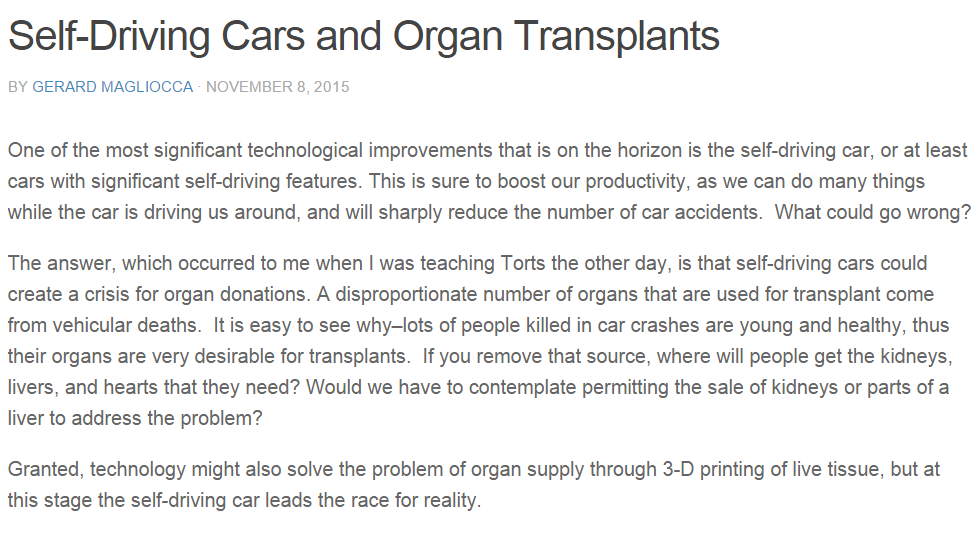
Rocket man overtakes Boeing A380
06 Nov 2015 Leave a comment
in economics of media and culture, transport economics Tags: Air safety
HT: David Taverna
 Utopia, you are standing in it!
Recent Comments