This occurred in Knoxville, you can watch it here. Lots of fun, and p.s. I am more of a free trader than he is. We did have some disagreements.
My debate with Dani Rodrik about tariffs and free trade
My debate with Dani Rodrik about tariffs and free trade
22 Apr 2025 Leave a comment
in applied price theory, applied welfare economics, comparative institutional analysis, development economics, economic history, history of economic thought, industrial organisation, international economic law, international economics, labour economics, politics - USA, unemployment Tags: 2024 presidential election, free trade, tariffs
Ronald Reagan in 1982 on Free Trade
20 Apr 2025 Leave a comment
in applied price theory, economic history, history of economic thought, industrial organisation, international economic law, international economics, liberalism, libertarianism, politics - USA, Public Choice, rentseeking Tags: free trade, tariffs
TweetWhen President Ronald Reagan delivered this address in November 1982, I was a 24-year-old graduate student. Radically libertarian at that point for almost six years, I was sufficiently astute enough to know that Reagan wasn’t terrible on most of the issues that I cared about, but I was nevertheless insufficiently mature and astute enough to…
Ronald Reagan in 1982 on Free Trade
Trump’s tariff claims are even stupider than anyone thought
04 Apr 2025 Leave a comment
in applied price theory, economic history, income redistribution, industrial organisation, international economic law, international economics, International law, politics - USA, Public Choice, rentseeking Tags: 2024 presidential election, free trade, tariffs
The White House released a list of countries and the tariff rates they charged the US. It was clearly wrong as NZ has an average tariff of around 1.7% on US imports and the list said 20%. I thought it was because they were including our GST of 15%. That would have been very dumb, […]
Trump’s tariff claims are even stupider than anyone thought
At the end of World War I, Britain was in heavy financial debt to the U.S. The question of repayments would bedevil both countries for decades
27 Mar 2025 Leave a comment
in defence economics, economic history, financial economics, international economic law, international economics, International law, war and peace Tags: British politics France, World War I
See ‘Mellon vs. Churchill’ Review: The Payback Problem by Benn Steil. He reviewed the book Mellon vs. Churchill: The Untold Story of Treasury Titans at War by Jill Eicher. Excerpts:”In a nutshell, the debt story of the 1920s goes like this. Following World War I, 10 countries owed the U.S. more than $10 billion ($190 billion…
At the end of World War I, Britain was in heavy financial debt to the U.S. The question of repayments would bedevil both countries for decades
What does India want – and what is New Zealand willing to give?
25 Mar 2025 Leave a comment
in applied price theory, comparative institutional analysis, development economics, economic history, economics of education, growth disasters, growth miracles, human capital, income redistribution, industrial organisation, international economic law, international economics, labour economics, labour supply, occupational choice, politics - New Zealand, poverty and inequality, Public Choice, rentseeking, survivor principle Tags: India, preferential trade agreements
Chris Trotter writes – What does India want from New Zealand? Not our dairy products, that’s for sure, it’s got plenty of those. Indeed 45 percent of the Indian population are small-scale farmers, most of them running a few head of cattle – not to eat, you understand – but to milk. If it once […]
What does India want – and what is New Zealand willing to give?
Peter Navarro Conducts a Master Class In Looking Only at That Which Is Seen
06 Mar 2025 Leave a comment
in applied price theory, history of economic thought, industrial organisation, international economic law, international economics, International law, survivor principle Tags: current account, free trade, tariffs
TweetHere’s a letter to USA Today. Editor: Defending Pres. Trump’s aluminum tariffs, Peter Navarro focuses exclusively on the effects of these tariffs on U.S. aluminum producers (“Trump tariffs will save American jobs and level the playing field,” Feb. 28). He points out what no serious defender of free trade denies, namely, that punitive taxation of…
Peter Navarro Conducts a Master Class In Looking Only at That Which Is Seen
…And the Really Stupid Sh*t Begins
02 Feb 2025 Leave a comment
in applied price theory, development economics, income redistribution, industrial organisation, international economic law, international economics, International law, politics - USA, Public Choice Tags: 2024 presidential election, Canada, China, free trade, Mexico, tariffs

Trump’s first few weeks have been a mix of good and bad for this libertarian, all against a backdrop of horror at how Imperial the presidency has become. But as of today, perhaps the most destructive and stupid initiative has begun: Because we are all tired of those fentanyl-toting Canadians crossing the border illegally. I…
…And the Really Stupid Sh*t Begins
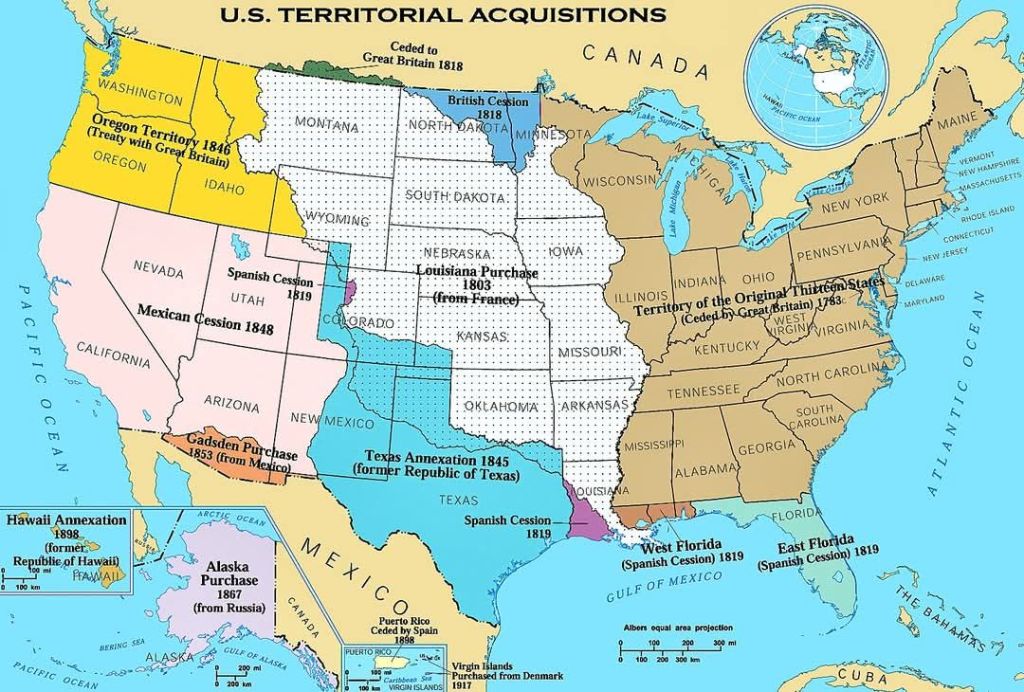
Maps
26 Dec 2024 1 Comment
in economic history, international economic law, International law, politics - USA Tags: economics of borders, maps
Economic Sanctions on Russia: Ineffective or Insufficient?
19 Aug 2024 Leave a comment
in applied price theory, defence economics, international economic law, international economics, International law, politics - USA, war and peace Tags: Russia, sanctions, Ukraine
Russia had of course already invaded Ukraine back in 2014, but in February 2022 it dramatically escalated the earlier invasion. The U.S. and Ukraine’s allies met Russia’s invasion two years ago with an unprecedented set of sanctions. They put a price cap on Russian oil exports, froze $300 billion worth of Russian foreign exchange reserves,…
Economic Sanctions on Russia: Ineffective or Insufficient?
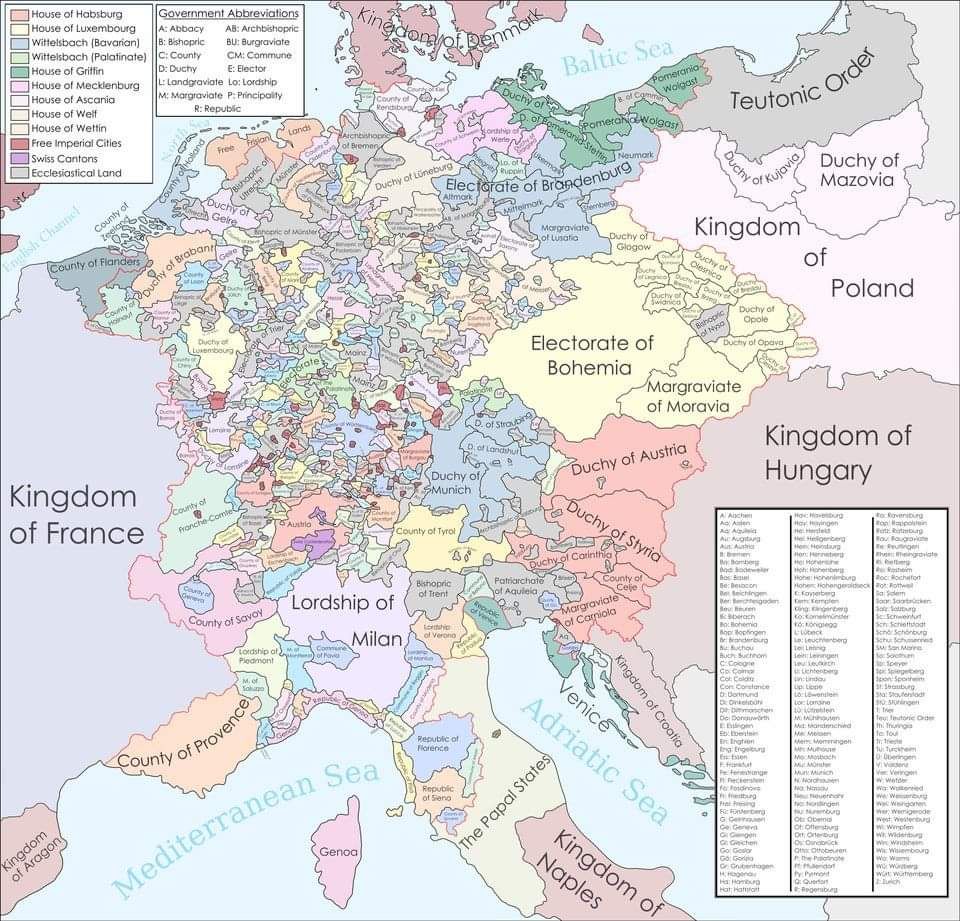
1359
17 Jan 2024 Leave a comment
in international economic law, International law Tags: economics of borders, maps
📸 Look at this post on Facebook
https://www.facebook.com/share/FHd1TVEdteM7QAKZ/?mibextid=RXn8sy
Why wasn’t there a Scramble for Australia?
28 Jul 2023 Leave a comment
in defence economics, economic history, economics of bureaucracy, international economic law, International law, Public Choice Tags: age of empires, Australia, economics of colonialism
Why did Japan ban everyone except for the Dutch?
30 Jan 2023 Leave a comment
in defence economics, economic history, international economic law, international economics, International law Tags: Japan
Countries That Share Territories (& Why?)
15 Jan 2023 Leave a comment
in economic history, international economic law, International law Tags: economics of borders, maps
The Sanction-Fueled Destruction of the Russian Aviation Industry
09 Oct 2022 Leave a comment
in defence economics, international economic law, international economics, International law, law and economics, property rights, transport economics Tags: Russia, Ukraine
Trade creation and trade diversion for NZ lamb imports into the UK
14 Mar 2022 Leave a comment
in applied price theory, applied welfare economics, income redistribution, industrial organisation, international economic law, international economics, International law, Public Choice, rentseeking Tags: free trade agreements, preferential trade agreements, trade creation, trade diversion


Recent Comments