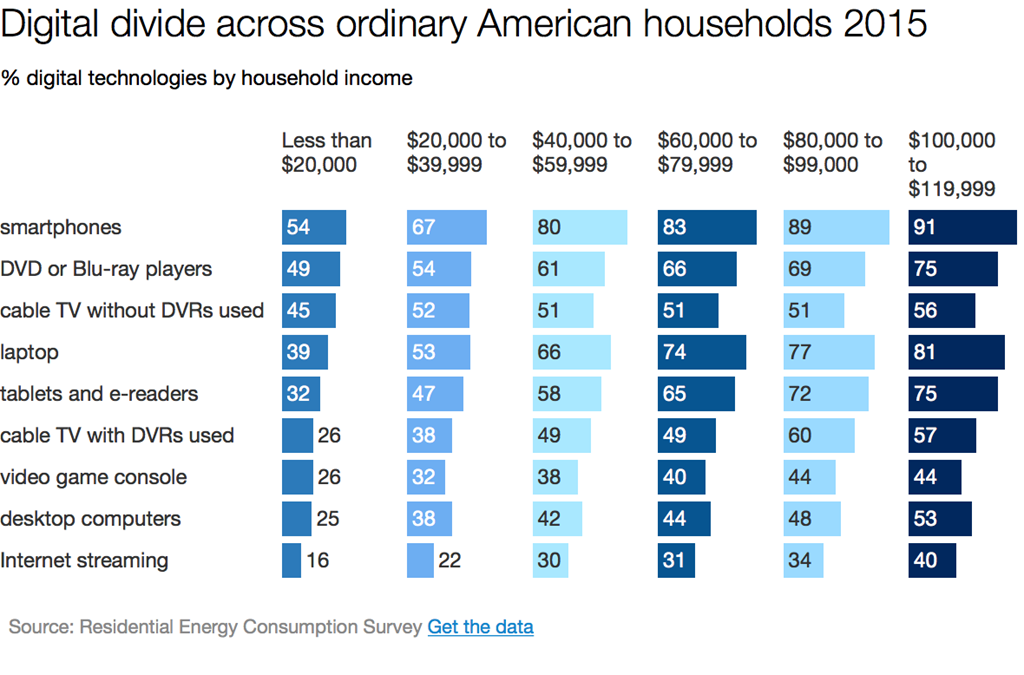
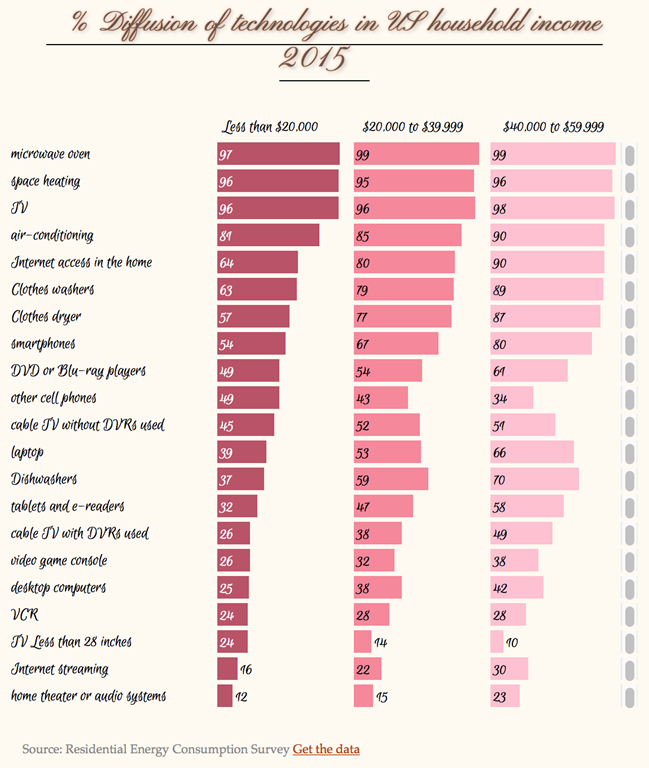
Moving on up is a smart phone, dishwasher & dryer @swinshi @Mark_J_Perry
19 Mar 2017 Leave a comment
Shouldn’t @NZSuperfund be funded by earmarked taxes? @TaxpayersUnion
19 Mar 2017 Leave a comment
in fiscal policy, macroeconomics, politics - New Zealand, public economics Tags: intergenerational equity, intergenerational justice, old age pensions, sovereign wealth funds
Pre-funding of New Zealand’s old age pension obligations requires contributions to the New Zealand Superannuation Fund now, higher taxes now in return for lower taxes later through the joys of compounding of the returns on the investments. If that is so, when the contributions are not made, the $3 billion in annual taxes should not be collected.
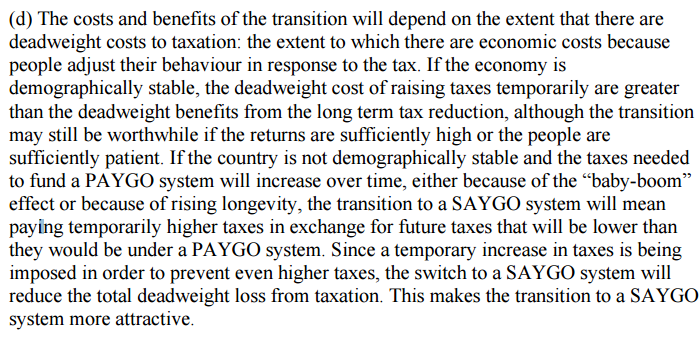
Source: Andrew Coleman, PAYGO vs SAYGO: Prefunding Government-provided Pensions, Motu Economics and Public Policy 26 Oct 2010.
There should be a separate New Zealand superannuation fund contribution levy that should lapse when contributions are suspended, as they were from 2009, and the pay-outs start after 2036? Otherwise, taxpayers will never see the promised lower taxes in the future. Never?
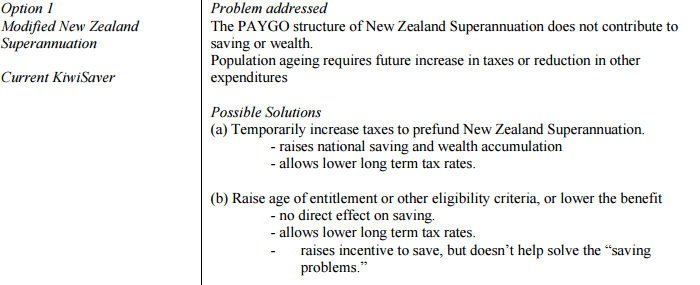
Source: Andrew Coleman Mandatory retirement income schemes, saving incentives, and KiwiSaver at http://www.treasury.govt.nz/publications/reviews-consultation/savingsworkinggroup/pdfs/swg-b-m-mris-24dec10.pdf
Constitutional political economy matters despite the reluctance of most who specialise in Social Security reform to think about that backend public choice risk. Unless there is iron-clad guarantee of lower taxes in the future, the whole deal about pre-funding superannuation pay-outs is a con.
That politicians can pass a law in 2003 to pre-fund old-age pensions 40 years hence and expect the politicians of 2036 and onwards to honour the deal with tax cuts is politically naive.
Liberals vs. Free Speech | Real Time with Bill Maher
18 Mar 2017 Leave a comment
in liberalism, politics - USA, television Tags: free speech, political correctness


My op-ed on the NZ super fund in the New Zealand Herald
18 Mar 2017 Leave a comment
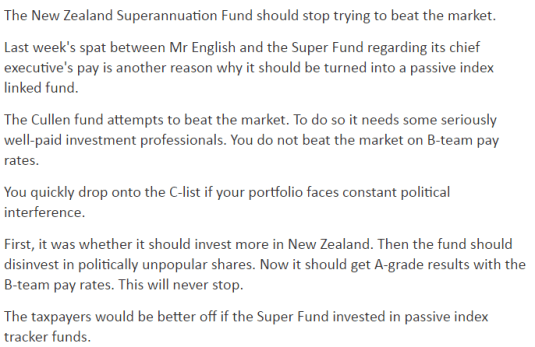
The remainder of the op-ed can be found at http://www.nzherald.co.nz/opinion/news/article.cfm?c_id=466&objectid=11808972
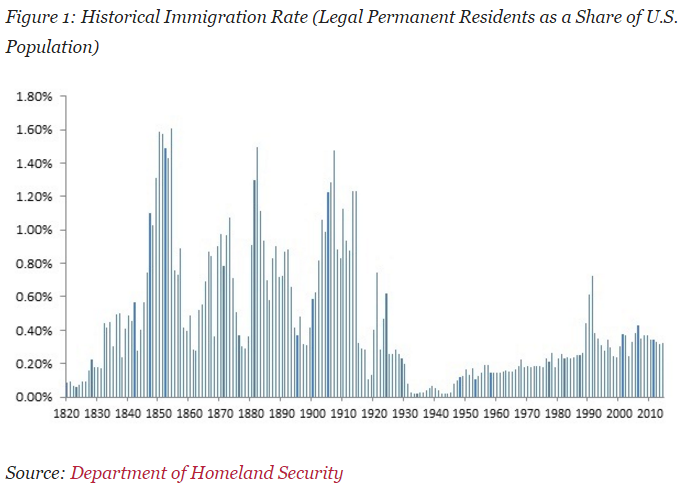
US immigration rates since 1820
18 Mar 2017 Leave a comment
in labour economics, labour supply, politics - USA, population economics Tags: economics of immigration

Sorry but homeless is no roof over your head, not living in a crowded house
10 Mar 2017 Leave a comment

P.J. O’Rourke on Trump, Populism, and “How the Hell Did This Happen?”
10 Mar 2017 Leave a comment
in liberalism, libertarianism, politics - USA Tags: 2016 presidential election
Waiting for @stevenljoyce’s great leap forward
09 Mar 2017 1 Comment
in international economics, politics - New Zealand
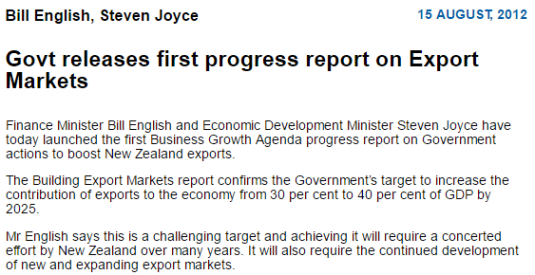
When I first heard of this idea to increase exports by 1/3rd, I immediately thought that the balance of payment balances. Any increase in exports will require a matching increase in imports unless we want to start exporting 10% of our GDP, running a trade surplus of 10% of our GDP relative to where it is now.
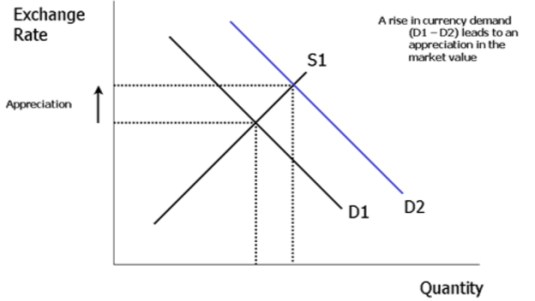
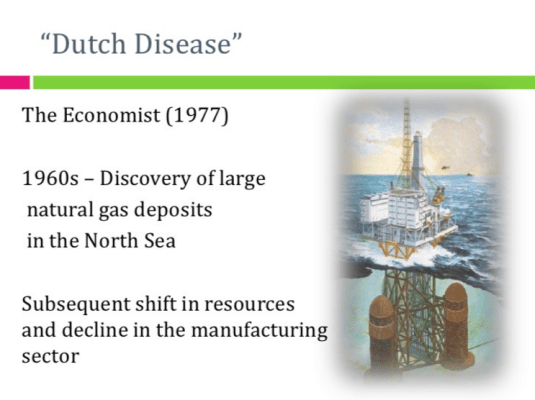
Countries do not normally embrace the Dutch disease. This is a large appreciation of the currency after an export boom will deindustrialise the import competing sectors and the non-booming export sectors. The exchange rate appreciation brought on by the export boom and heavy demand for New Zealand foreign exchange by foreigners will cause a large switch in consumer spending towards imports.
If exports are to go up by 10% of GDP, imports must too unless there is a change in incentives to invest and save in New Zealand and abroad. As Barro explains
The current-account balance is the difference between a country’s total income and its spending on consumption and investment (and net transfers abroad).
The current account is the difference between national saving — income not spent on consumption — and domestic investment. To think about why the ratio of the current-account deficit to GDP is large, ask why the ratio of investment to GDP is high or why the national saving rate is low.
Current accounts go into surplus or deficit because there is an international trade in savings. We either import the savings of others or export NZ savings. When net exports are positive, we are exporting our savings, when exports are negative, we are importing the savings of others.
The capital account surplus, otherwise known to scaremongering and export fetish types as the current account deficit, is the extent to which foreigners are willing to lend their savings to New Zealanders to buy imports in excess of export receipts.
When the current account is in surplus as it certainly must if we increased exports by 10 percentage points of GDP, New Zealanders would be lending a substantial amount of their savings to the rest of the world. What is the point of an export boom if we do not spend some of it?
It is just pedantic to point out the few countries outside of the European Union export more than 1/3rd of their GDP. That is just raining on Steven Joyce’s parade. Exports are still less than 30% of GDP in 2016 as the graphic below shows.
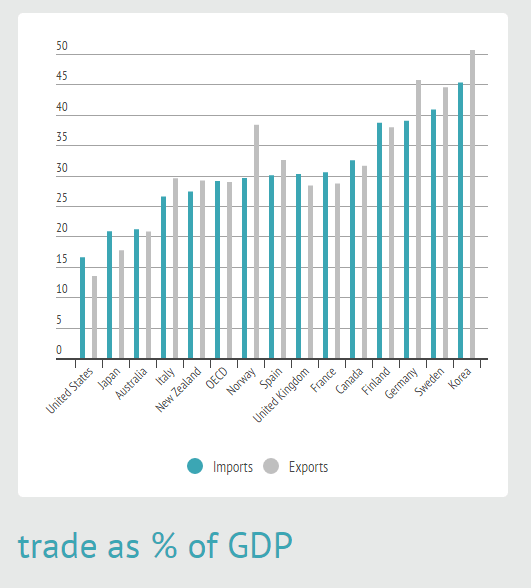
Source: OECD Factbook 2016.
Why do we men, bastards all, have a stronger unconscious bias against well-paid women?
09 Mar 2017 Leave a comment
in discrimination, gender, labour economics, labour supply, politics - USA Tags: employer discrimination, gender wage gap, unconscious bias
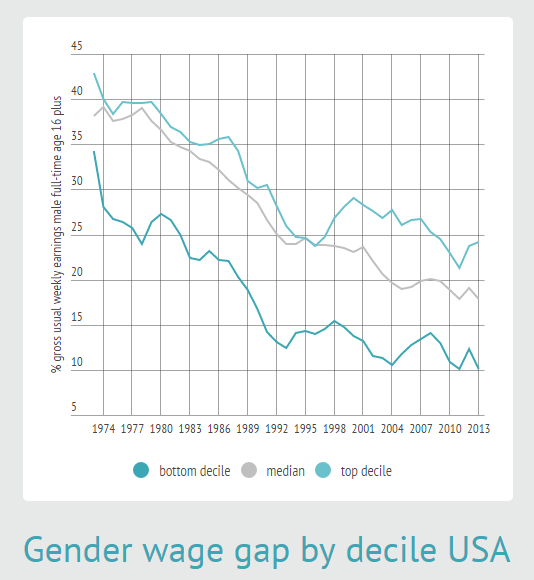
Source: OECD employment database.


Recent Comments