@justinbieber #MUGSHOT http://t.co/ZuYwmdipIy—
Miami Beach Police (@MiamiBeachPD) January 23, 2014
Why 41% of Americans wanted a fence on their northern border
01 Oct 2015 Leave a comment
in economics of crime, economics of media and culture, law and economics, politics - USA Tags: Canada, economics of immigration, Justin Bieber
Life in an American concentration camp (Beautiful photos from a Japanese-American “internment camp.”)
01 Oct 2015 Leave a comment
in economics of media and culture, laws of war, Music, politics - USA, war and peace Tags: Civil Liberties, Japan, Rap music, wartime detention, wartime interment, World War II

The reversing gender gap in graduate education
01 Oct 2015 Leave a comment
in discrimination, economics of education, gender, human capital, labour economics, occupational choice, politics - USA Tags: College premium, graduate premium, reversing gender gap
6 years of women earning most PhDs, outnumbering men in grad school 136 to100 @Mark_J_Perry khttp://goo.gl/4uoYLV http://t.co/1hYfbDpdST—
AEIdeas Blog (@AEIdeas) September 17, 2015
Once were British
30 Sep 2015 Leave a comment
in economic history, politics - Australia, politics - New Zealand Tags: British empire, New Zealand, New Zealand Constitution, Statute of Westminster
The politics of marijuana in the USA
30 Sep 2015 Leave a comment
in comparative institutional analysis, constitutional political economy, economics of crime, law and economics, politics - Australia, politics - New Zealand, politics - USA, Public Choice Tags: economics of federalism, laboratory federalism, marijuana decriminalisation, meddlesome preferences, medical marijuana, nanny state
In representative democracy that is a unitary state such as New Zealand, the issue on marijuana decriminalisation is who will change their vote to vote against a party who advocates marijuana decriminalisation under a MMP system where all elections are close.
A plurality of Americans back marijuana reform. Another 20% don't care. Only 3 in 10 oppose.
msnbcmedia.msn.com/i/MSNBC/Sectio… http://t.co/UlvBT1D0ms—
Christopher Ingraham (@_cingraham) September 29, 2015
In a strong federal state, where some states allow citizen initiated referendums to change the law, it is possible to pioneer reform without that backlash. Then laboratory federalism takes over. Subsequent to the decriminalisation of marijuana or medical marijuana by various state governments, the Congress defunded federal marijuana drug law enforcement in states who had decriminalised marijuana. That major reform was underreported.
@RobinHoodTax @helenkellyCTU does the average worker earn less than 40 years ago?
30 Sep 2015 Leave a comment
in applied welfare economics, economic history, Marxist economics, politics - New Zealand, politics - USA Tags: good old days, living standards, measurement error, middle class stagnation, productivity measurement, The Great Enrichment, wage stagnation
https://twitter.com/RobinHoodTax/status/648963471690698752/photo/1
For Economic Justice, America Badly Needs Some Raises goo.gl/iA3Ecp #RobinHoodTaxUSA robinhoodtax.org/why http://t.co/0wx4kCpb4Q—
Robin Hood Tax (@RobinHoodTax) September 23, 2015
Innovation is letting us accomplish more with less. Learn more: buff.ly/1LmtAZD #tech #progress http://t.co/e2kQlGu3NA—
HumanProgress.org (@humanprogress) June 22, 2015
@tslumley @GraemeEdgeler impact of 3-strikes law on 2nd strikes in NZ – corrected
30 Sep 2015 Leave a comment
in applied price theory, econometerics, economics of crime, occupational choice, politics - New Zealand Tags: 3-strikes, crime and punishment, criminal deterrence
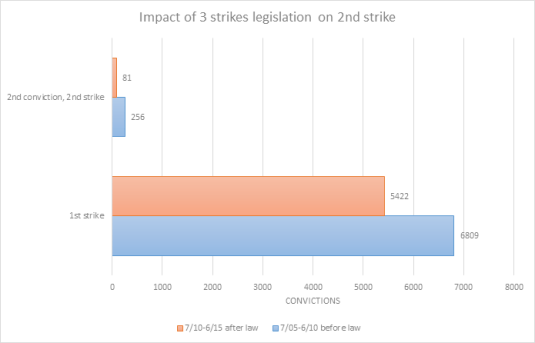
Via Three strikes: some evidence | Stats Chat from Graeme Edgeler.
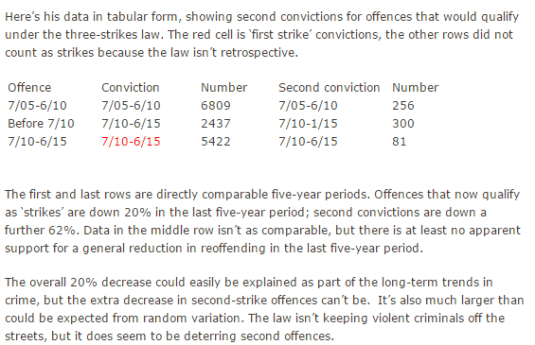
Via Three strikes: some evidence | Stats Chat.
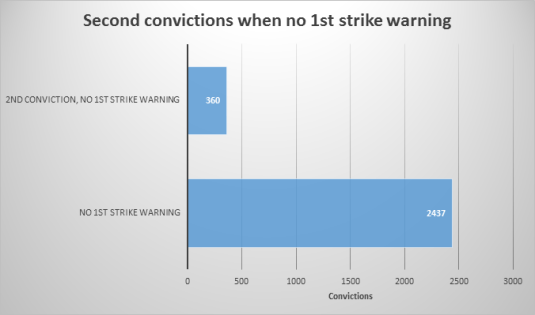
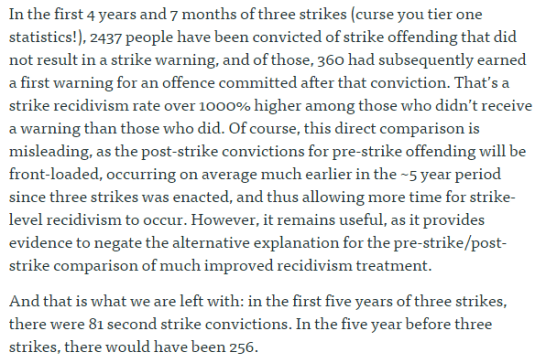
Via Three strikes: some evidence | Stats Chat from Graeme Edgeler.
Why do inmates tattoo their faces?
30 Sep 2015 Leave a comment
The commercial valuation of the New Zealand state-owned enterprises portfolio since 2007 with and without Solid Energy and KiwiRail
29 Sep 2015 Leave a comment
in economic history, energy economics, financial economics, industrial organisation, politics - New Zealand, survivor principle, transport economics Tags: KiwiRail, privatisation, Solid Energy, state owned enterprises, suppressing voting
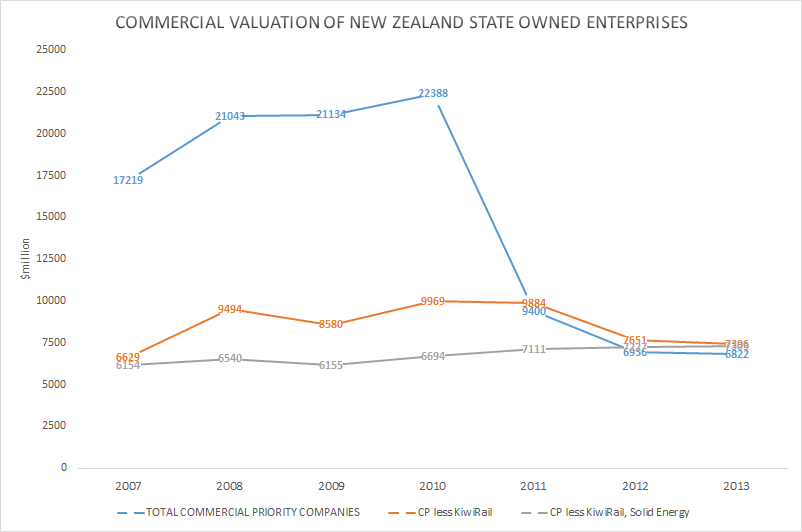
Source: The New Zealand Treasury – data released under the Official Information Act.
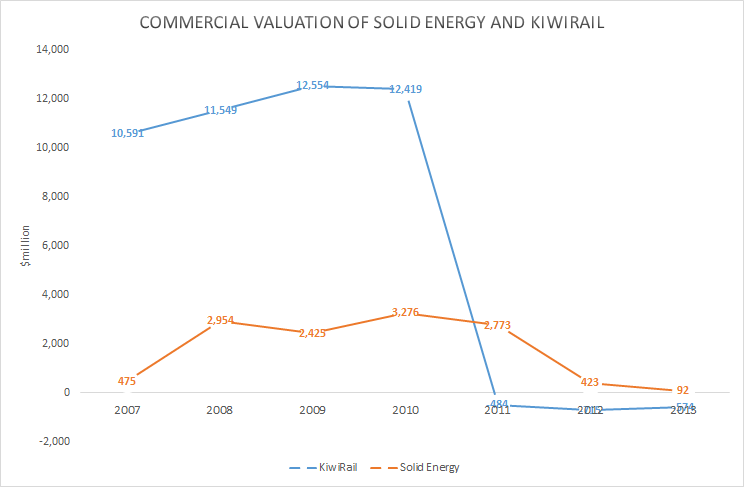
Source: The New Zealand Treasury – data released under the Official Information Act.
The financial performance of Landcorp since 2007
29 Sep 2015 Leave a comment
in economic history, environmental economics, industrial organisation, politics - New Zealand, resource economics, survivor principle Tags: agricultural economics, Landcorp, privatisation, state owned enterprises
Landcorp is a state-owned enterprise of the New Zealand government. Its core business is pastoral farming including dairy, sheep, beef and deer. In January 2012, Landcorp managed 137 properties carrying 1.5 million stock units on 376,156 hectares of land. Its total return to shareholders, the taxpayers, has been quite up-and-down in recent years.
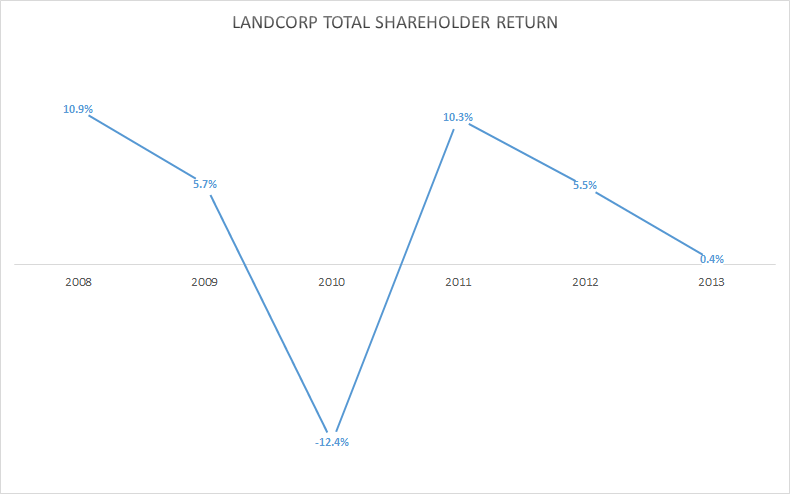
Source: The New Zealand Treasury – data released under the Official Information Act.
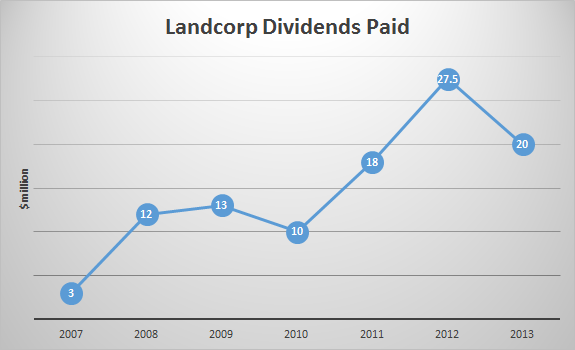
Source: The New Zealand Treasury – data released under the Official Information Act.
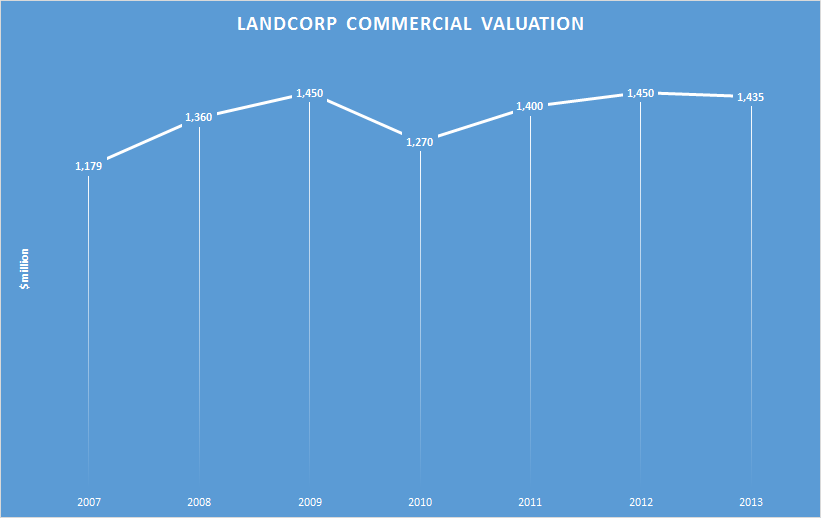
Source: The New Zealand Treasury – data released under the Official Information Act.
.
Has the Democratic Party lost the white working class
29 Sep 2015 Leave a comment
in economic history, income redistribution, politics - USA, Public Choice, rentseeking Tags: American politics, Democratic Party, rational ignorance, rational rationality, suppressive voting, Withering away of the proletariat
Again, the decline in white working class support for Democrats is vastly overstated. I bid you a good night. http://t.co/bUNpME5o3B—
The Monkey Cage (@monkeycageblog) September 13, 2015
California police killings by race, 1 January – 29 September 2015
29 Sep 2015 Leave a comment
in economics of crime, law and economics, politics - USA

KiwiRail’s financial performance since 2007
28 Sep 2015 1 Comment
in economic history, industrial organisation, politics - New Zealand
In addition to the $10+ billion write-off and collapsed to negative equity, KiwiRail has not paid any dividends for quite some time now to the taxpayer.

Source: The New Zealand Treasury – data released under the Official Information Act.

Source: The New Zealand Treasury – data released under the Official Information Act.


Recent Comments