
Stalin’s Paranoid Military Purges – The Great Terror | BETWEEN 2 WARS I 1938 Part 4 of 4
20 Mar 2020 Leave a comment
in defence economics Tags: Stalin
March 19, 1284: The Statute of Rhuddlan
20 Mar 2020 Leave a comment

The Statute of Rhuddlan provided the constitutional basis for the government of the Principality of Wales from 1284 until 1536. The Statute introduced English common law to Wales but also permitted the continuance of Welsh legal practices within the Principality.
The statute, which was enacted on March 3, 1284 after careful consideration by Edward I, takes its name from Rhuddlan Castle in Denbighshire where it was first promulgated on March 19 1284.

The Prince of Gwynedd had been recognised by the English Crown as Prince of Wales in 1267, holding his lands with the king of England as his feudal overlord. It was thus that the English interpreted the title of Llywelyn ap Gruffudd, Lord of Aberffraw, which was briefly held after his death by his successor Dafydd ap Gruffudd. This meant that when Llywelyn rebelled, the English interpreted it as an act of treason. Accordingly, his lands escheated to…
View original post 354 more words
March 19, 1649: Abolition of the House of Lords
20 Mar 2020 Leave a comment
On March 19, 1649 the House of Commons abolished the House of Lords. This revolutionary action did not obtain the consent of either Lords or the King and so it was not recognised as a valid law after the restoration of the King.
The first part of the abolishing Act was as follows.
The Commons of England assembled in Parliament, finding by too long experience that the House of Lords is useless and dangerous to the people of England to be continued, have thought fit to ordain and enact, and be it ordained and enacted by this present Parliament, and by the authority of the same, that from henceforth the House of Lords in Parliament shall be and is hereby wholly abolished and taken away; and that the Lords shall not from henceforth meet or sit in the said House called the Lords’ House, or in any other house or…
View original post 140 more words
Insurance-like Product Protects Power Developers from Windless Days
19 Mar 2020 1 Comment
in energy economics, entrepreneurship, environmental economics, financial economics, global warming Tags: green rentseeking, The fatal conceit, wind power

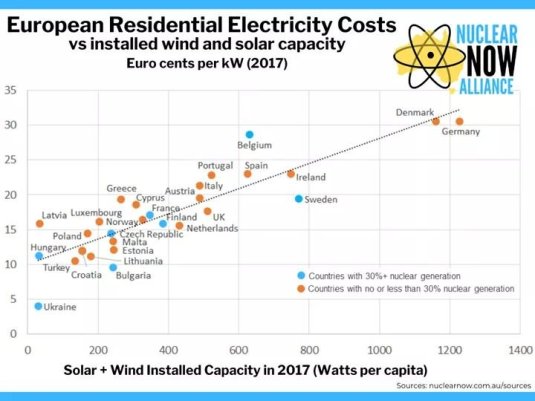
Green Energy Revolution Can’t Meet America’s Energy Demands | @ManhattanInst
19 Mar 2020 Leave a comment
in economics of education, energy economics, entrepreneurship, environmental economics, global warming, politics - Australia, politics - New Zealand, politics - USA Tags: solar power, The fatal conceit, wind power
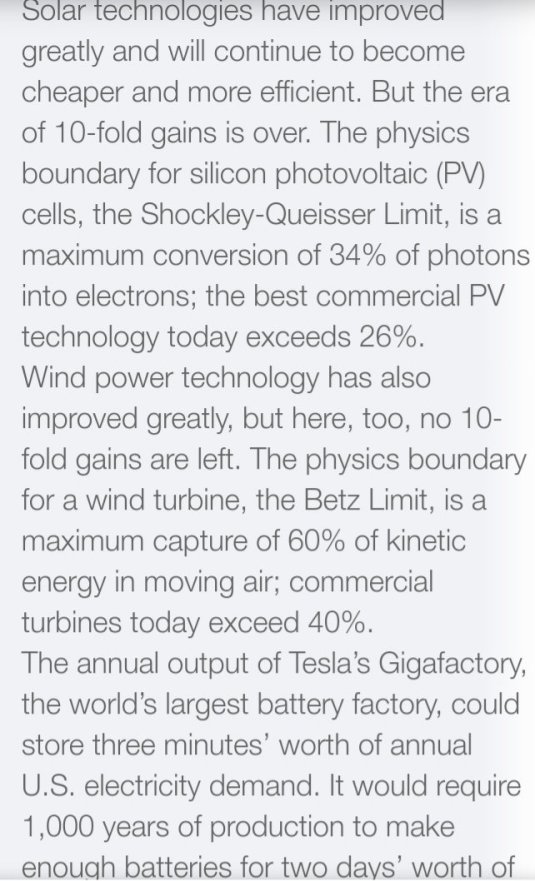
James Buchanan on highly undemocratic Arrow’s Impossibility Theorem
19 Mar 2020 Leave a comment
in applied welfare economics, constitutional political economy, history of economic thought, James Buchanan, Public Choice
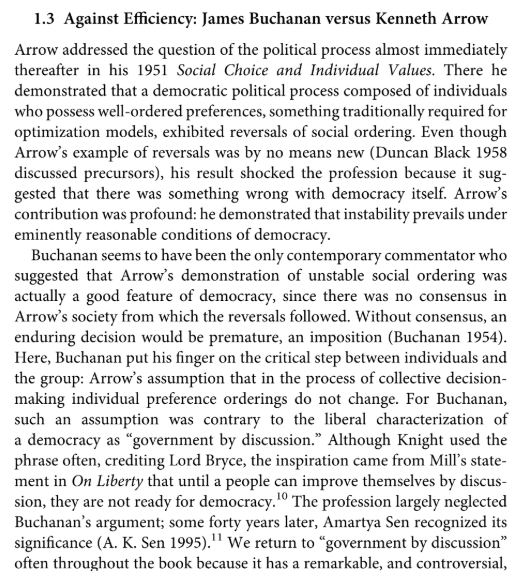
From https://books.google.co.nz/books?id=92xzxQEACAAJ&pg=PA3&source=gbs_toc_r&cad=3#v=onepage&q&f=false
Don’t Expect Millions To Die From Coronavirus, Says Richard Epstein
19 Mar 2020 Leave a comment
in health economics, Richard Epstein Tags: economics of epidemics
Bret Stephens on Woody Allen’s new book, and Hachette’s cancellation of it
19 Mar 2020 Leave a comment

I’ve posted twice on the story of the publisher Hachette canceling publication of Woody Allen’s memoir, Apropos of Nothing (see here and here). In short, Hachette was committed to publishing the book, but then Hachette author Ronan Farrow protested, on the grounds that he believed Allen had molested his step-sister Dylan Farrow when she was seven. (Two investigations failed to produce any evidence that Allen was guilty.) Farrow broke his relations with Hachette, and then a number of Hachette employees walked out for a day, on the grounds that they believed the accusations against Allen.
The next day, Hachette “caved”, as Bret Stephens puts it in the op-ed below, and canceled publication of the memoirs. So far as I know, nobody has picked up the book, but I may be wrong. And, according to Stephens, they should, as he’s read the book and liked it. Having read Allen’s essays…
View original post 743 more words
COVID-19 graphs, with data and code
19 Mar 2020 Leave a comment

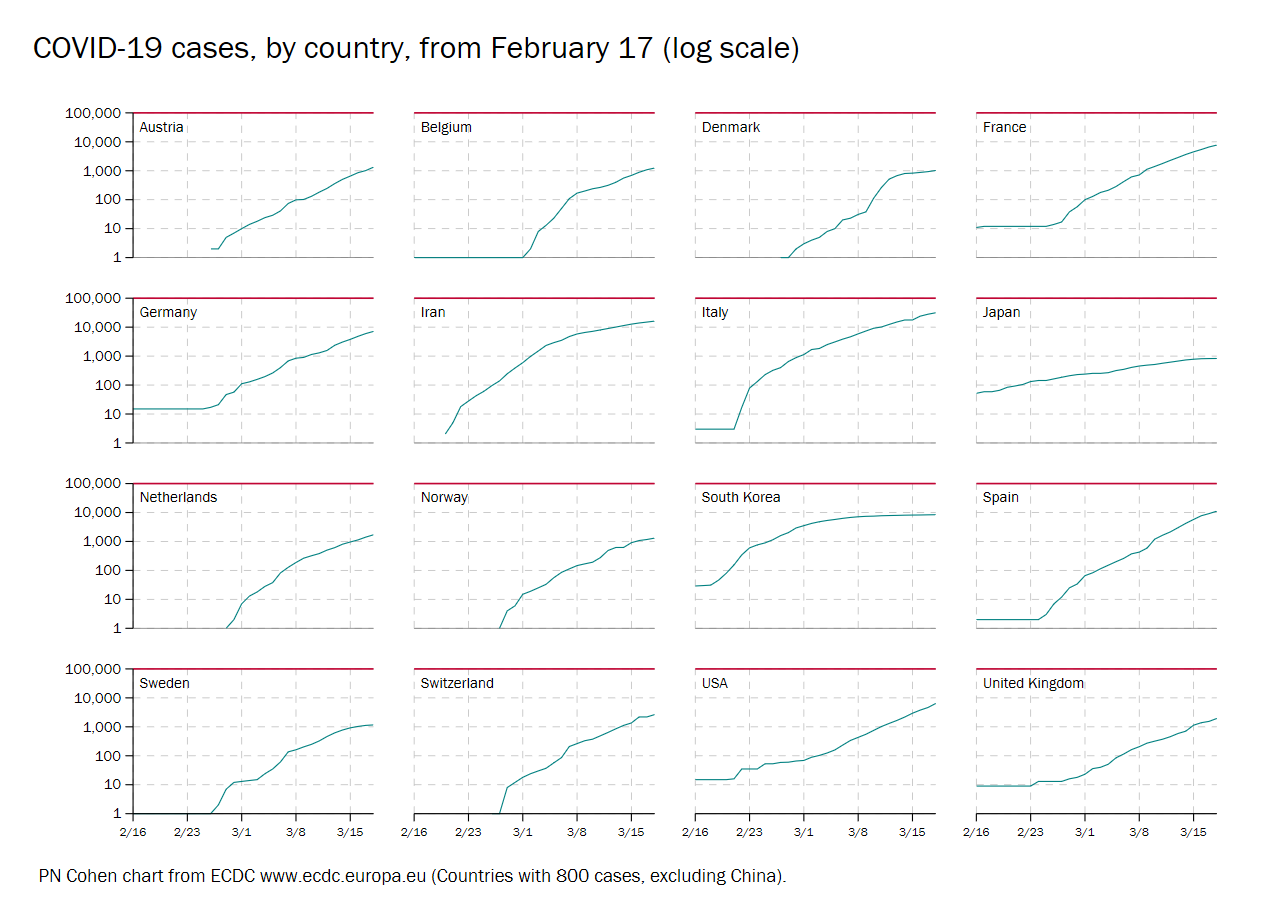
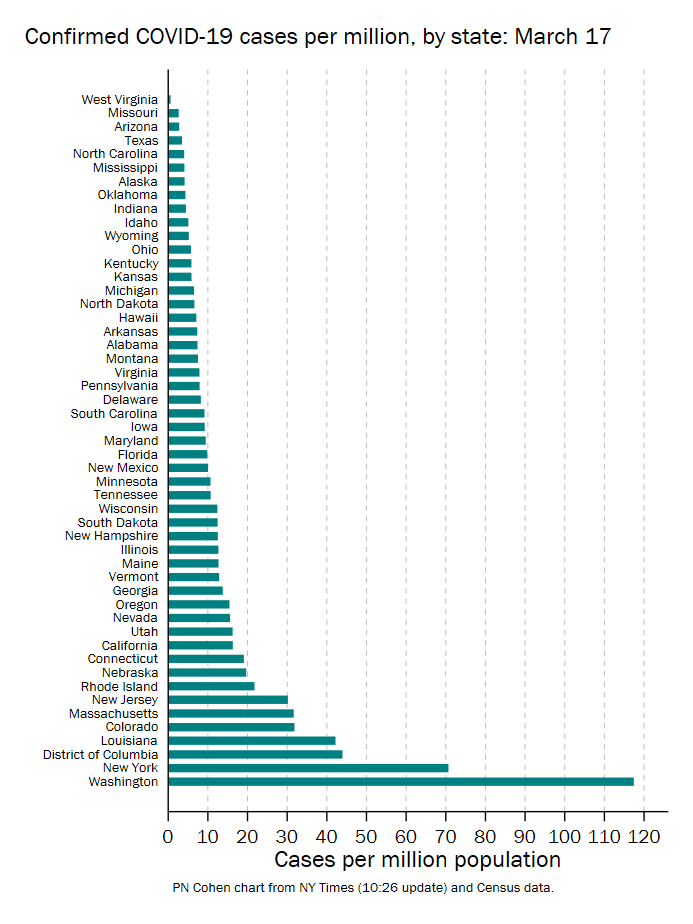
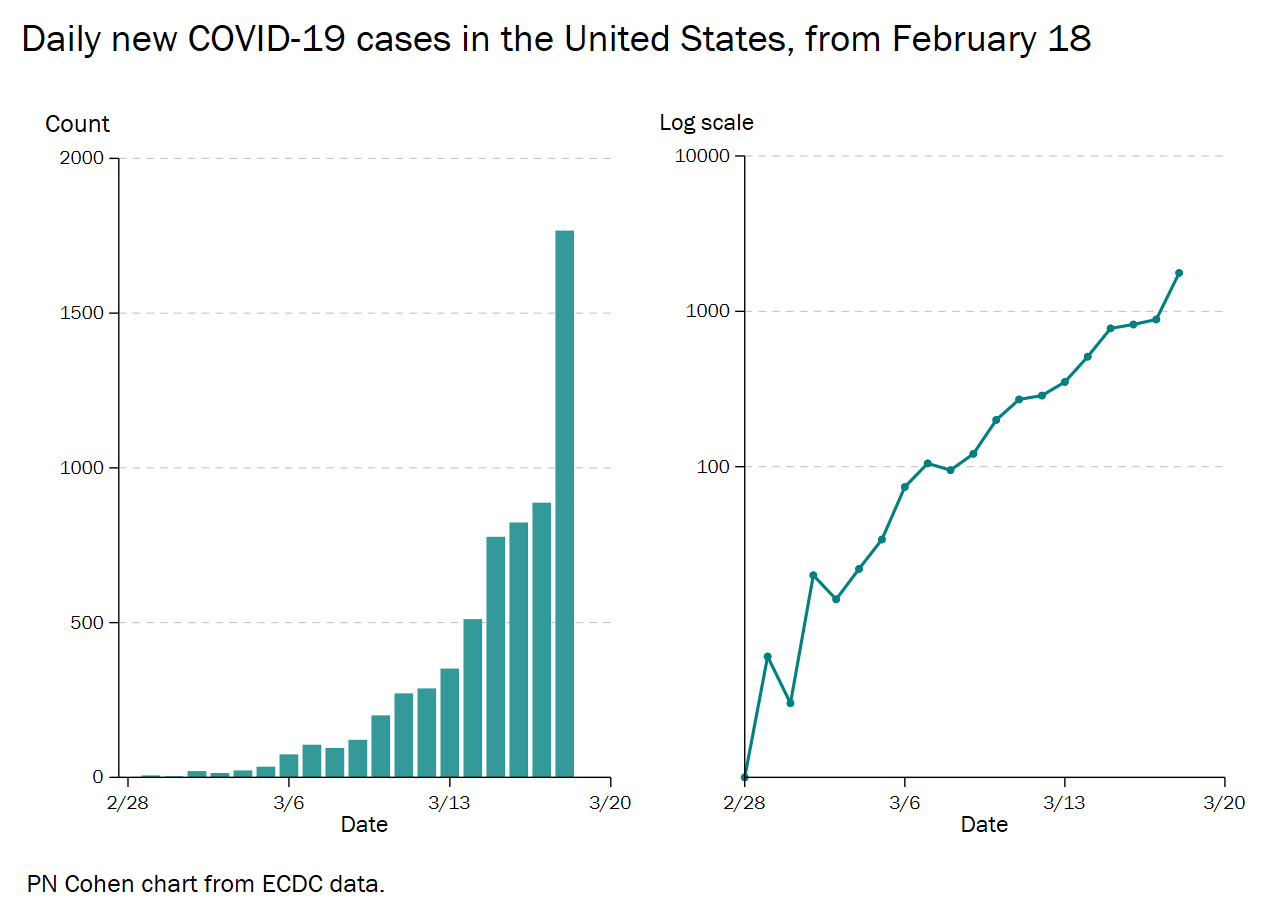
Although I’m not an expert on pandemic analysis, I am naturally following the COVID-19 data as best I can. And because I always understand data better when I make the figures myself, I’ve been making and looking at COVID-19 trend data, and sharing it as I go.
The figures below are the latest I made as of March 18. For the latest versions, and others I come up with, see the Figures folder in this Open Science Framework, here: osf.io/wd2n6/. You can also get the data and code I use there, under CC0 license. The project updates automatically as I go, but these figures won’t (because this is an old fashioned blog).



Recent Comments