
So much for the population bomb
11 Mar 2020 Leave a comment
in development economics, economic history, economics of love and marriage, gender, health economics, labour economics, population economics Tags: ageing society, economics of fertility

The Bill That Killed Freelance
11 Mar 2020 Leave a comment
in economics of bureaucracy, economics of religion, income redistribution, labour economics, labour supply, law and economics, managerial economics, market efficiency, Marxist economics, occupational choice, occupational regulation, organisational economics, personnel economics, poverty and inequality, property rights, Public Choice, rentseeking, unemployment Tags: employment law
Bryan Caplan & Charles Murray on “Selfish Reasons to Have More Kids”
11 Mar 2020 Leave a comment
in economics of education, economics of love and marriage, health economics, human capital, labour economics, labour supply, law and economics, occupational choice, poverty and inequality Tags: economics of fertility
A 10% rise in benefits induces a 3% to 4% increase in the time injured workers take to return to work
10 Mar 2020 Leave a comment
in applied price theory, economics of crime, health and safety, labour economics, labour supply
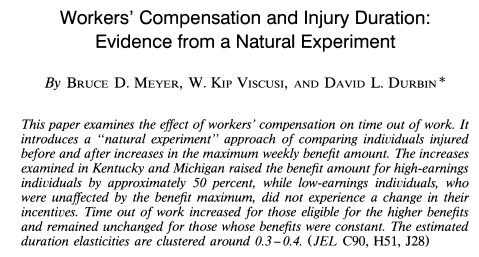
From https://scholarship.law.vanderbilt.edu/cgi/viewcontent.cgi?article=1184&context=faculty-publications
Abortion Legislation Bill – Committee Stage
10 Mar 2020 Leave a comment
in law and economics, politics - New Zealand Tags: abortion law reform
Tasmania Is No Stranger To Devastating Fires–Despite What The Guardian Says
10 Mar 2020 Leave a comment

William Wilberforce, a Lettre and An Appeal: abolitionism between campaigns, 1807-1823
10 Mar 2020 Leave a comment

Ahead of tonight’sParliaments, Politics and People seminarat the Institute of Historical Research, we hear from Anna Harrington, a PhD candidate at the University of Leicester. She spoke at our previous session on 25 February about her research into the campaigning of William Wilberforce following the abolition of the slave trade in 1807…
William Wilberforce (1759-1833) is remembered as the MP who championed the abolition of the slave trade in 1807. He retired from the House of Commons in 1825, after forty-five years as an MP (1780-1825). My PhD thesis, which is a reassessment of Wilberforce’s abolitionist activity throughout his career, argues that in many ways the years after the abolition of the slave trade reflect what Wilberforce had done within that first campaign.
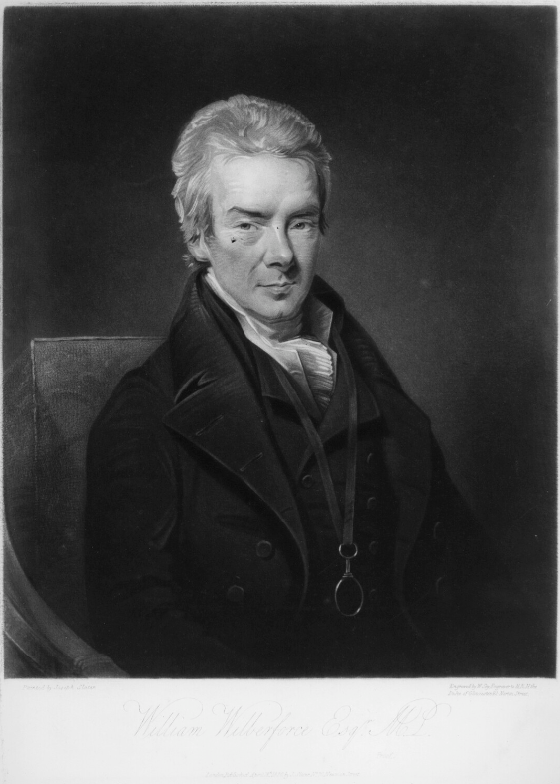
Wilberforce was as active an abolitionist in the second half of his career as he was…
View original post 922 more words
From The Blank Slate
10 Mar 2020 Leave a comment
in economics of education, economics of love and marriage, economics of media and culture, law and economics, Marxist economics, property rights Tags: economics of fertility, marriage and divorce

From @DomPost
10 Mar 2020 Leave a comment
in economic history, politics - New Zealand Tags: Age of Discovery, age of empires, economics of colonialism, economics of immigration

Kimberly Nixon vs Vancouver Rape Relief Society
10 Mar 2020 Leave a comment
in discrimination, economics of crime, gender, law and economics, property rights, Public Choice Tags: law and order, political correctness, regressive left

Anyone surprised that the woke left so effortlessly race baited its opponents, especially women of colour who think for themselves?
10 Mar 2020 Leave a comment
in discrimination, politics - Australia, politics - New Zealand, politics - USA, Public Choice Tags: British politics, political correctness, racial discrimination, regressive left

Climate Lawsuit Dominos
10 Mar 2020 Leave a comment

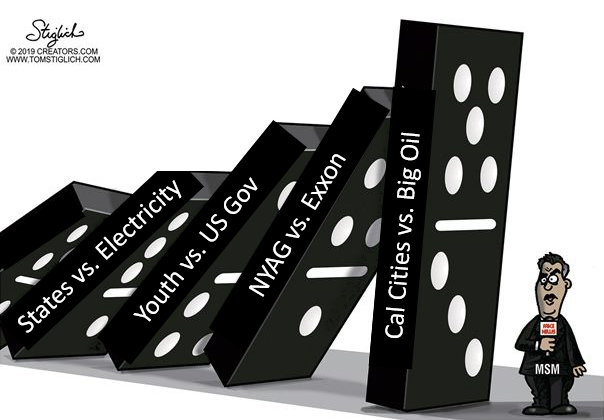
Posted to Energy March 05, 2020 by Curt Levey writes at InsideSources Climate Change Lawsuits Collapsing Like Dominoes. Excerpts in italics with my bolds.
Climate change activists went to court in California recently trying to halt a long losing streak in their quest to punish energy companies for aiding and abetting the world’s consumption of fossil fuels.
A handful of California cities — big consumers of fossil fuels themselves — asked the U.S. Court of Appeals for the Ninth Circuit to reverse the predictable dismissal of their public nuisance lawsuit seeking to pin the entire blame for global warming on five energy producers: BP, Chevron, ConocoPhillips, ExxonMobil and Royal Dutch Shell.
 The cities hope to soak the companies for billions of dollars of damages, which they claim they’ll use to build sea walls, better sewer systems and the like in anticipation of rising seas and extreme weather that…
View original post 723 more words


Recent Comments