The Risk-Monger’s Top Ten Good Things about COVID-19
17 Feb 2020 Leave a comment

While one should never consider a possible public health pandemic or human suffering as a good thing, the recent public concern about the COVID-19 coronavirus outbreak has provided us with some positive lessons on risk communications and public health management. While COVID-19 will not in all likelihood be the global pandemic health officials have been preparing us for, it has proven to be a useful “practice run”.
While I suspect this article may be too soon for those feeding from the lucrative trough of alarmism and the need to compulsively resort to precautionary measures, there have been many valuable learnings from this one-month public health exercise.
Here are the Risk-Monger’s Top Ten Good Things about COVID-19.
1. Increased public awareness on hygiene
“Regularly wash your hands … well.” … “Avoid touching objects like door handles, handrails, money, buttons and other people’s mobile phones.” … “Shaking…
View original post 1,501 more words
Charles Murray — Human Diversity book release
17 Feb 2020 Leave a comment
in economics of education, economics of love and marriage, health economics, human capital, labour economics, labour supply, law and economics, occupational choice, politics - USA, poverty and inequality, unemployment, welfare reform Tags: child poverty, economics of fertility, family poverty, marriage and divorce
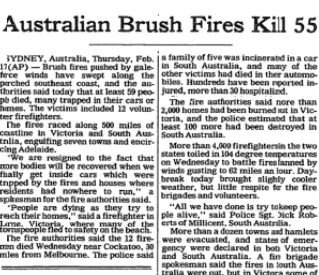
#OTD 1983 #globalwarming #climateemergency @GreenpeaceAP @Greens
17 Feb 2020 Leave a comment
in economic history, economics of natural disasters, energy economics, environmental economics, global warming, politics - Australia Tags: climate alarmists, pessimism bias
Why so many jobs now require a college degree | reTHINK TANK
17 Feb 2020 Leave a comment
in economics of education, economics of information, human capital, labour economics, labour supply, managerial economics, occupational choice, organisational economics, personnel economics Tags: adverse selection, asymmetric information, graduate premium, signaling
Jason Alexander discusses ‘George Costanza’ being based on Larry David
17 Feb 2020 Leave a comment
in television
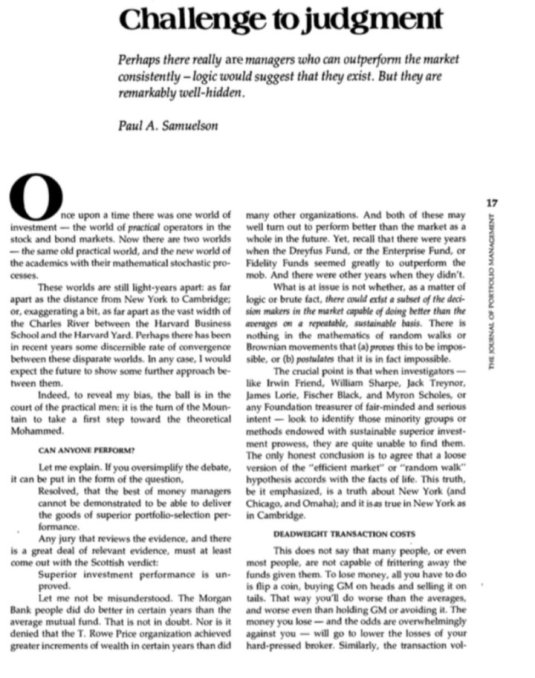
Masters of Finance: William F. Sharpe
16 Feb 2020 Leave a comment
in financial economics Tags: efficient markets hypothesis
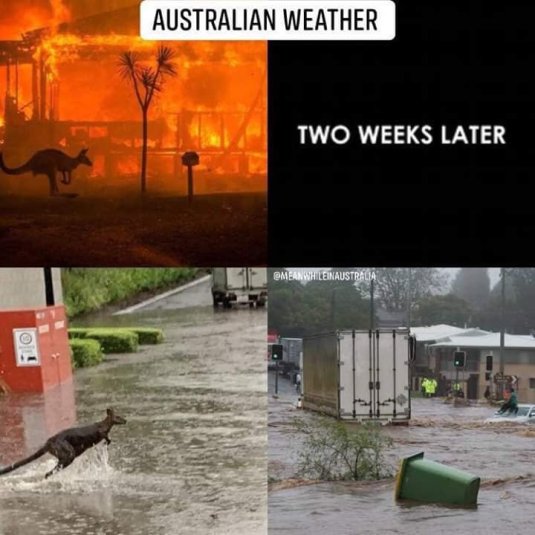
The land of drought and flooding rains
16 Feb 2020 1 Comment
in economics of natural disasters, energy economics, environmental economics, global warming Tags: Australia, pessimism bias
Terminal Diagnosis: Wind & Solar Chaos Places Australia’s Power Grid On Life Support
16 Feb 2020 1 Comment


Australia’s self-inflicted wind and solar calamity has just got serious; very serious.
Managing electricity grids is a finely balanced affair, requiring the ability to control what goes in and what goes out on a second-by-second basis.
The generation and distribution of electricity was relatively simple when synchronous, dispatchable conventional generation sources (in Australia, coal, gas and hydro) were the only game in town. Now, however, the erratic and chaotic and occasional delivery of large volumes of intermittent wind and solar has put paid to old certainties, and left grid managers struggling to prevent a complete grid collapse.
In this post STT takes a look at a brewing disaster waiting to happen. Precisely what the site has been predicting the best part of seven years.
The first article comes from the Australian Financial Review, which has been a very solid platform for wind and solar industry propaganda over the last decade…
View original post 1,715 more words


Recent Comments