Alex Tabarrok: Britain’s equal pay madness
16 Aug 2026 Leave a comment
in applied price theory, Austrian economics, discrimination, economics of education, gender, health and safety, human capital, industrial organisation, labour economics, labour supply, occupational choice, poverty and inequality Tags: affirmative action, gender wage gap, pay equity, sex discrimination
The Taliban, Women and the Far Left
15 Aug 2026 1 Comment
in defence economics, discrimination, economics of education, economics of religion, gender, human capital, labour economics, labour supply, war and peace Tags: Afghanistan
It is five years today since the Taliban took control of Afghanistan. On 15 August 2021, its forces entered Kabul as the Afghan government collapsed and the long Western intervention came to an ignominious end. Five years later, the consequences for Afghan women are appalling. The Taliban has issued more than 100 decrees restricting the […]
The Taliban, Women and the Far Left
The Schutzstaffel (SS): The Engine of the Nazi State
15 Aug 2026 1 Comment
in economics of crime, law and economics, laws of war, war and peace Tags: Nazi Germany, The Holocaust, World War II
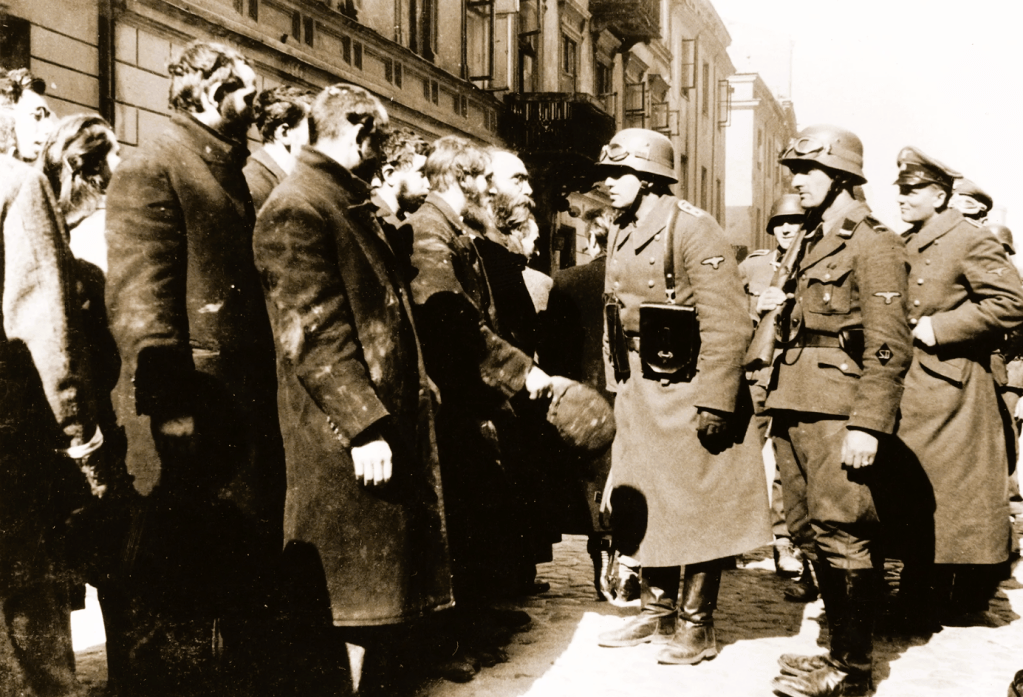
The Schutzstaffel (SS): The Engine of the Nazi State The Schutzstaffel, commonly referred to as the SS, played a pivotal role in the rise and implementation of the Nazi regime in Germany between 1925 and 1945. Originally formed as a paramilitary bodyguard unit for Adolf Hitler, the SS evolved into a multifaceted organization responsible for […]
The Schutzstaffel (SS): The Engine of the Nazi State
Incentive Misalignment in Communism: the case of Vietnam
15 Aug 2026 1 Comment
in applied price theory, development economics, economic history, growth disasters, history of economic thought, industrial organisation, labour economics, labour supply, Marxist economics Tags: economics of central planning, Vietnam
Rainer Zitelmann writes in How Capitalism Beat Communism in Vietnam in Reason Magazine, The state collectives did not reward members for the amount of rice they produced, but instead counted how many days they had worked. 183 more words
Incentive Misalignment in Communism: the case of Vietnam
Fred Hockley-Executed 9 hours after Japanese surrender.
14 Aug 2026 Leave a comment
in defence economics, laws of war, war and peace Tags: Japan, World War II

Following the Hiroshima bombing on August 6, the Soviet declaration of war and the Nagasaki bombing on August 9, the Emperor’s speech was broadcast at noon Japan Standard Time on August 15, 1945, and did reference the atomic bombs as a reason for the surrender. The broadcast was recorded a day earlier but was broadcast […]
Fred Hockley-Executed 9 hours after Japanese surrender.
Millions of households could face threat of emergency blackouts
14 Aug 2026 Leave a comment
in economics of climate change, energy economics, environmental economics, environmentalism, global warming Tags: British politics, climate alarmism, solar power, wind power

By Paul Homewood h/t Ian Cunningham We are rapidly turning into a third world country where our electricity grid is concerned: From the Telegraph: Emergency power cuts could be imposed on millions of households at short notice to avoid nationwide blackouts, under new rules introduced by grid bosses.
Millions of households could face threat of emergency blackouts
Some Links
14 Aug 2026 Leave a comment
TweetRyan Bourne explains that “burrito-gate reflects inflation’s toxic legacy.” Brian Albrecht carefully lays out the likely consequences of Mamdani’s government-run grocery stores. National Review‘s Jim Geraghty is right: “Both parties embrace what’s popular and abandon what’s right.” A slice: The Republican president keeps taking a government stake in private companies, now up to 30 firms.…
Some Links
Dr. Fauci’s Contempt of Congress Can Be Challenged but his Contempt for the Public Cannot be Denied
14 Aug 2026 Leave a comment
in politics - USA Tags: constitutional law
“Today I am the most famous and talked-about person in the country.” Those words from the diary of Dr. Anthony…
Dr. Fauci’s Contempt of Congress Can Be Challenged but his Contempt for the Public Cannot be Denied
Hedy Lamarr and WiFi during World War II
13 Aug 2026 Leave a comment
in defence economics, entrepreneurship, technological progress, war and peace Tags: World War II

Hedy Lamarr, born Hedwig Eva Maria Kiesler in 1914 in Vienna, Austria, is best known for her work as a Hollywood actress during the Golden Age of cinema. However, her contributions to science and technology, particularly her co-invention of a technology that laid the groundwork for WiFi, Bluetooth, and GPS, have garnered increasing recognition. Lamarr’s […]
Hedy Lamarr and WiFi during World War II
A rent control experiment
13 Aug 2026 1 Comment
in applied price theory, econometerics, economic history, economics of information, economics of regulation, law and economics, property rights Tags: offsetting behavior, rent control, unintended consequences

The Flensburg Government—The Last Convulsions of the Third Reich
12 Aug 2026 Leave a comment
in defence economics, International law, laws of war, war and peace Tags: Nazi Germany, World War II
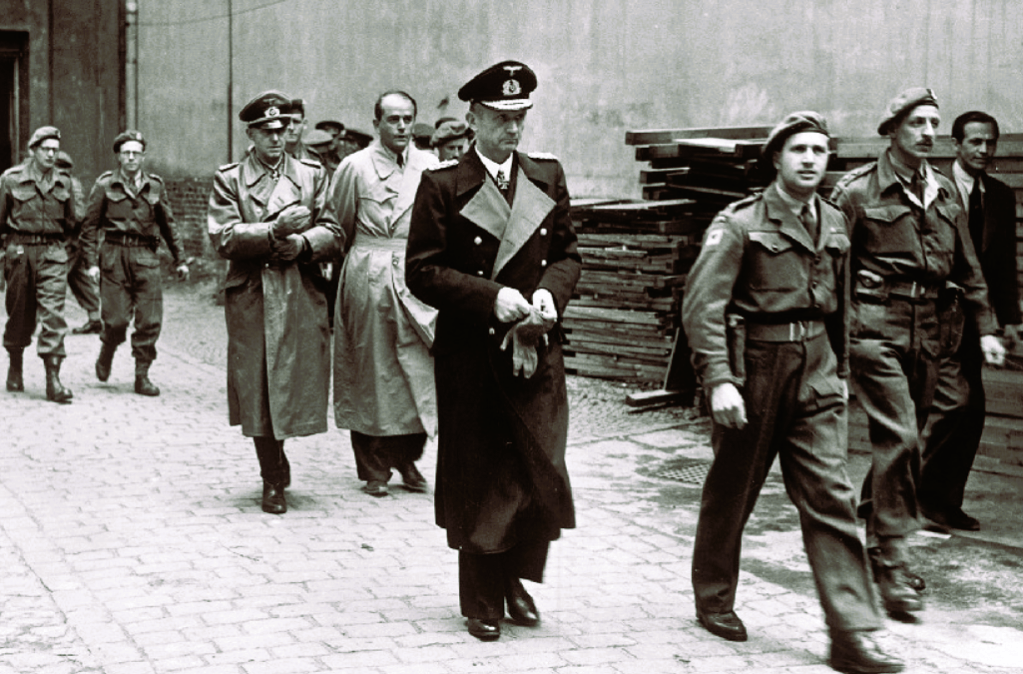
The Flensburg Government refers to a short-lived, provisional government of Nazi Germany that existed in the final days of World War II, from May 2 to May 23, 1945. Named after the town of Flensburg in northern Germany, near the Danish border, where it was headquartered, this government represented the last vestiges of the Third […]
The Flensburg Government—The Last Convulsions of the Third Reich
Alex Tabarrok on the Economic Analysis of Crime
12 Aug 2026 Leave a comment
in applied price theory, economics of crime, Gary Becker, history of economic thought, law and economics
I tell my Gary Becker story, why I like police more than prisons, how criminals are like children and more. The post Alex Tabarrok on the Economic Analysis of Crime appeared first on Marginal REVOLUTION.
Alex Tabarrok on the Economic Analysis of Crime
Utopian Dreams of Net-Zero
12 Aug 2026 1 Comment
in economics of climate change, economics of regulation, energy economics, environmentalism Tags: climate activists, climate alarmism, solar power, wind power
Whether one believes in the CO2 hypothesis or not, more fossils are existential. Both to ensure progress and growth, and to cope with climate change, manmade or not. The post Utopian Dreams of Net-Zero appeared first on Watts Up With That?.
Utopian Dreams of Net-Zero
The folly of the DSA
12 Aug 2026 1 Comment
in defence economics, economics of crime, International law, law and economics, laws of war, liberalism, Marxist economics, politics - USA, war and peace Tags: free speech, Gaza Strip, Israel, Middle-East politics, political correctness, regressive left
If you already think the Democratic Socialists of America (DSA) are bad, have a gander at this interview. An article in the Times of Israel (click screenshot below) summarizes a New Yorker interview, also on video (below), with Megan Romer, current co-chair of the DSA. As you know, DSA members or affiliates are winning important…
The folly of the DSA


Recent Comments