Why Gas Got So Expensive (It’s Not the War)
01 Sep 2022 Leave a comment
in energy economics Tags: Oil prices, OPEC
Britain’s Bitter Regret: Inevitable Result of UK’s Suicidal Renewable Energy Policy
31 Aug 2022 Leave a comment


Act in stupid haste and there’s plenty of time to repent in leisure; with the insane renewable energy rush, there comes a veritable lifetime of regret.
Britain’s power prices have risen to astronomical levels, thanks to its obsession with heavily subsidised and chaotically intermittent wind and solar. Trashing its coal-fired power fleet and failing to keep up its nuclear plants now looks positively suicidal.
As reality bites, the proletariat are starting to work out that this was the plan, all along. The powers that be didn’t want you to have power to be – anything like prosperous, safe and, heaven forbid, comfortable. No, power rationing and weather-dependent wind and solar were always going to be synonymous.
Daniel Hannan reaches the pretty obvious conclusion.
The miserable truth is that our leaders don’t want us to have cheap energy
The Telegraph
Daniel Hannan
6 August 2022
No, the energy crisis is not…
View original post 1,436 more words
Decriminalizing Heresy
31 Aug 2022 Leave a comment

Guest post by Hannah Wygiera, 31 August 2022.
The boundaries between orthodoxy and heterodoxy changed repeatedly throughout the English Reformation. Despite changes to what constituted a heretical belief, what remained constant was the ability to punish heresy as a crime. However, in 1677 members of Parliament, motivated by anti-Catholic fears, abolished the centuries-old punishment for heresy: death by burning.
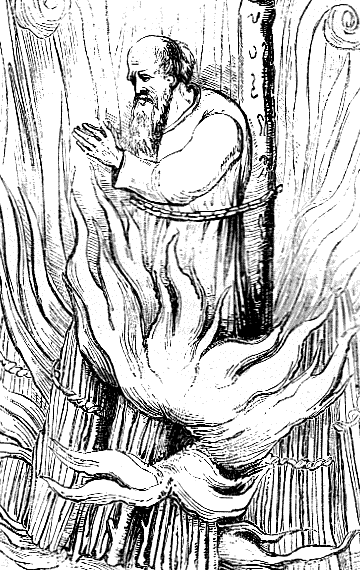
Heresy had been a long-standing religious concern in England and in 1401, it also became a criminal offence with the creation of the writ de Heretico cumburendo.[1]This writ looked back at the precedents for burning people deemed heretics and made it the punishment for heresy at common law. The writ lasted until 1677, when Parliament abolished it and effectively decriminalized heresy. This was not an act of toleration. It was an act of self-preservation by members…
View original post 1,419 more words
ATOMS AND ASHES: A GLOBAL HISTORY OF NUCLEAR DISASTERS by Serhii Plokhy
31 Aug 2022 Leave a comment

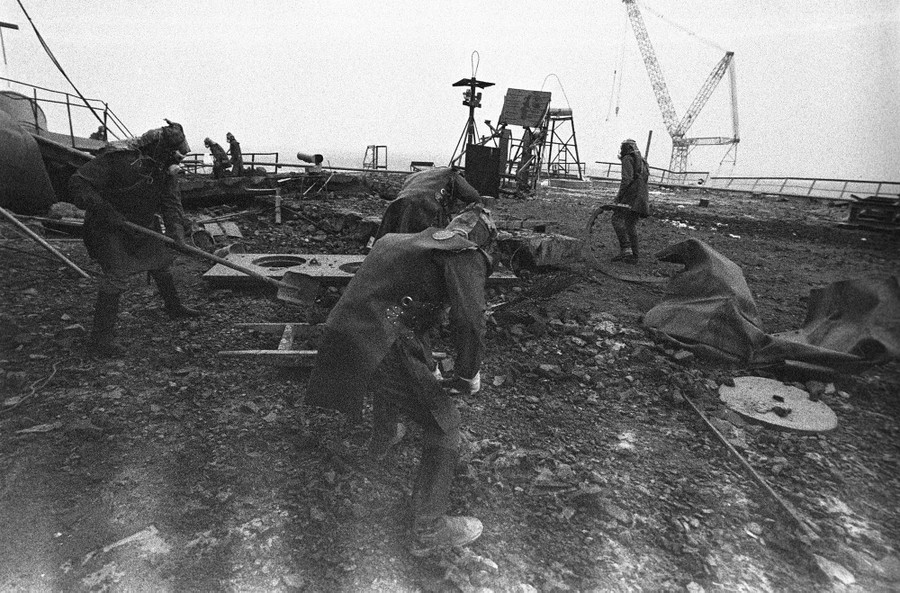
Recent newspaper headlines and reports on cable news have pointed to the threat of a nuclear disaster in the war in Ukraine. It appears that the Russians have seized the Zaporizhzhia nuclear power plant, the largest in Europe. They have forced Ukrainians to operate the massive complex and have turned it into a military base to fire missiles at enemy positions. The Russians know full well that using the plant as a “shield” would preclude the Ukrainian army from firing its own missiles at the plant or even trying to retake it. Western powers have requested that the International Atomic Energy Commission investigate, and finally after obfuscating for days the Kremlin has agreed to let inspectors into the plant today. As the situation evolves it has placed Ukraine, Europe, and even Russia in a precarious position if a nuclear accident occurs.
In this…
View original post 1,904 more words
How Google Remapped the World | The Tech Behind | @WSJ
31 Aug 2022 Leave a comment
in entrepreneurship, industrial organisation Tags: maps
German-born Jew on Interrogating Nazi Prisoners of War
31 Aug 2022 Leave a comment
in defence economics, laws of war, war and peace Tags: World War II
Global Financial System at Risk From Flawed Climate Models
31 Aug 2022 Leave a comment

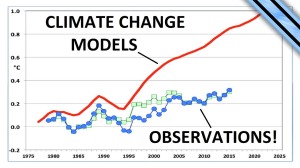
An unflattering analysis of climate models. Using mean values from numerous models is questioned. Climate attribution studies don’t fare any better: “these approaches are likely to be flawed”.
– – –
A team of Australian scientists, financiers and economists have issued a stark warning over the use of “flawed” climate models to predict financial risk, says Net Zero Watch.
Writing in the journal Environmental Research they say building future strategies on information that is not understood and potentially misleading is likely to expose the global financial system to systemic risks of its own making.
Politicians and policy-makers are increasingly seeking to assess the potential risks to the financial system associated with climate change.
View original post 291 more words


Recent Comments