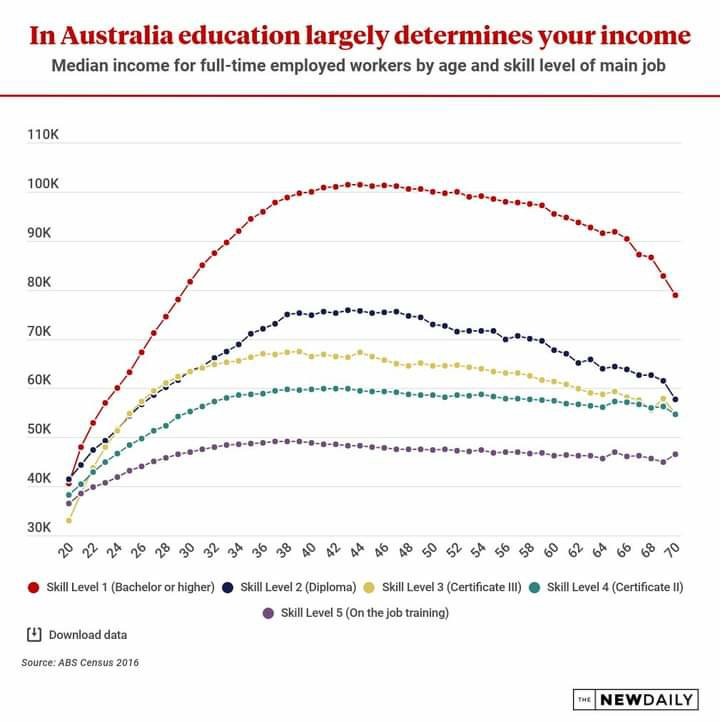
Australian graduate premium
24 Jan 2022 Leave a comment
in economics of education, economics of information, human capital, labour economics, labour supply, occupational choice, poverty and inequality Tags: Australia, graduate premium
To what end?
24 Jan 2022 Leave a comment

It is two years today since my first post about pandemics (and the economy). Rereading it, and another the following week, over the weekend and it was interesting to reflect on what issues had (and hadn’t) sprung to mind. But back then, however fearful people might or might not have been initially, few would have supposed that two years on we’d be labouring under new, and even more onerous, restrictions, and that for the best part of two years few of us would have been able to travel.
I was quite supportive of the need for restrictions, especially at the border, for quite a long time. Even last year, when the government was so slow to roll out the vaccine, doing everything possible to keep the virus out would have seemed appropriate (ie more than the government actually did). As for domestic restrictions, in both 2020 and 2021 the…
View original post 1,766 more words
The Beach Boys “Good Vibrations” on The Ed Sullivan Show
24 Jan 2022 Leave a comment
in Music, television, TV shows
How Kubrick Achieved the Beautiful Cinematography of Barry Lyndon
24 Jan 2022 Leave a comment
in movies
Did Hitler Delay the Me 262?
24 Jan 2022 Leave a comment
in defence economics, war and peace Tags: World War II
January 22, 1901: Death of Queen Victoria of the United Kingdom, Empress of India
24 Jan 2022 Leave a comment

Victoria (Alexandrina Victoria; May 24, 1819 – January 22, 1901) was Queen of the United Kingdom of Great Britain and Ireland from June 20, 1837 until her death. On May 1, 1876, she adopted the additional title of Empress of India. Known as the Victorian era, her reign of 63 years and seven months was longer than that of any of her predecessors. It was a period of industrial, cultural, political, scientific, and military change within the United Kingdom, and was marked by a great expansion of the British Empire.
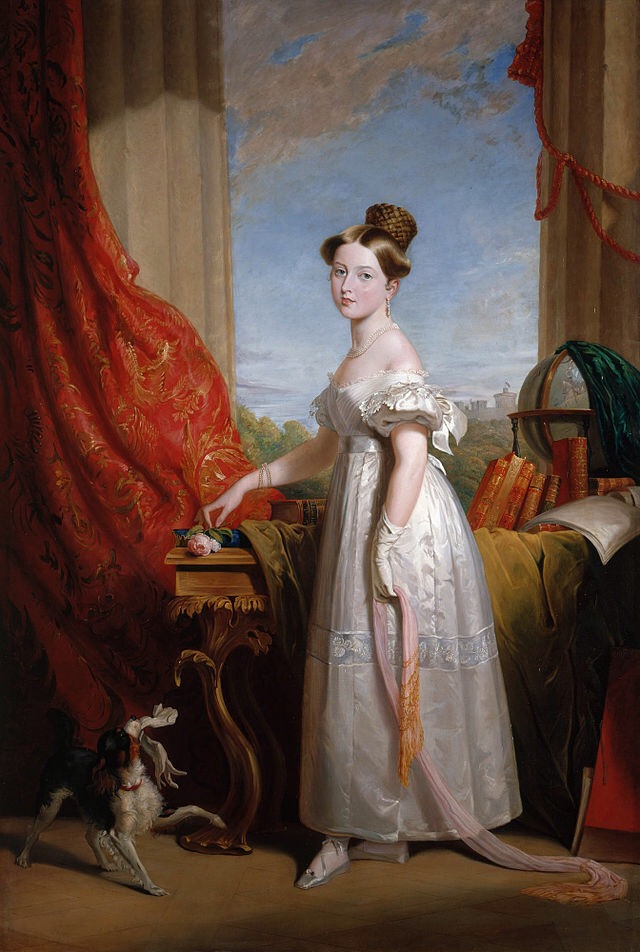 Victoria was the daughter of Prince Edward, Duke of Kent and Strathearn (the fourth son of King George III and Duchess Charlotte of Mecklenburg-Strelitz), and Princess Victoria of Saxe-Coburg-Saalfeld, the fourth daughter and seventh child of Franz Friedrich, Duke of Saxe-Coburg-Saalfeld, and Countess Augusta of Reuss-Ebersdorf.
After both her father the Duke of Kent and his father, King George III…
View original post 589 more words
Getting Away With ‘Green’ Murder: Wind Industry Destroying Vast Tracts of Australian Wilderness
23 Jan 2022 Leave a comment

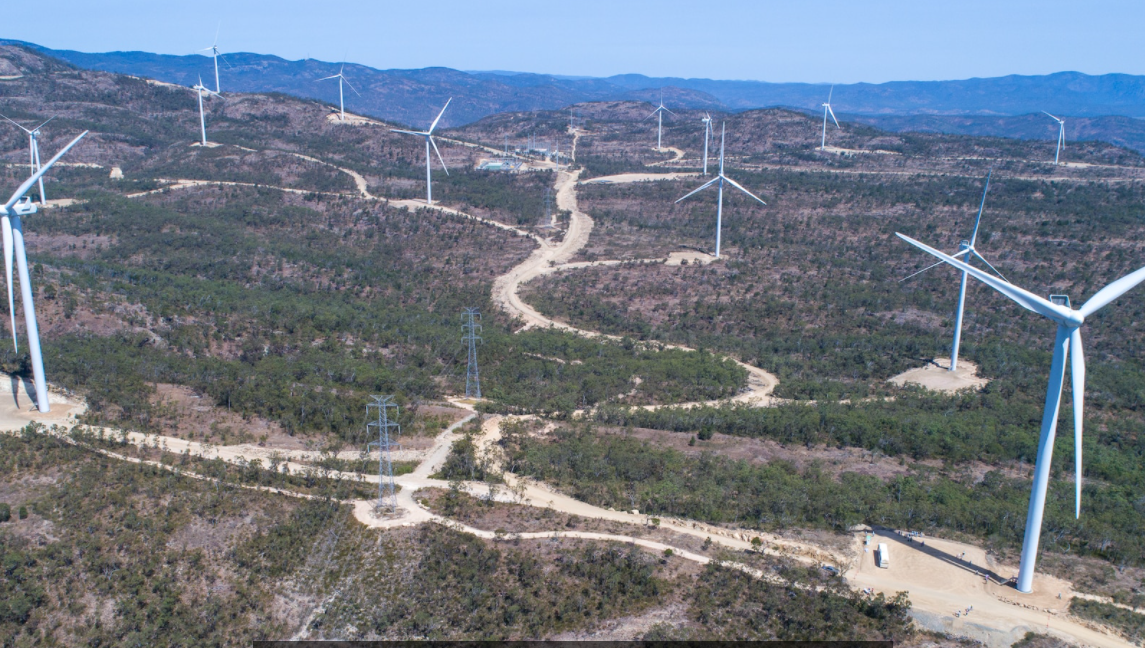
Vast tracts of Australia’s tropical and sub-tropical forests are being destroyed to make way for giant industrial wind turbines. Running like a spine down the east coast of Australia, the Great Dividing Range is prime real estate for renewable energy rent-seekers, keen on spearing 260m high monsters into territory that tree huggers used to hold in sacred reverence.
But that was before saving the planet meant clear-felling and bulldozing every ridgeline exposed to occasional stiff breezes and then, having literally moved mountains, turning newly denuded peaks into 6 lane highways.
Over time, however, the gullible environmentalists who were sucked in by claims about this wind farm powering tens of thousands of homes, with energy lovingly caressed from mother nature, began to wake up that all wasn’t well. Indeed, some of them have reacted with the kind of ‘we’ve been had’ fury expected of unwitting dupes.
The warm inner glow they…
View original post 2,739 more words
January 22, 1689: Convention Parliament convenes to decide Fate of James II-VII
23 Jan 2022 Leave a comment
The English Convention (1689) was an assembly of the Parliament of England which met between January 22 and February 12, 1689 and transferred the crowns of England and Ireland from James II-VII to William III and Mary II.
A parallel Scottish Convention met in March 1689 and confirmed that the throne of Scotland was also to be awarded to William II and Mary II.
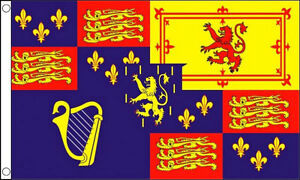 Royal Standard of William III-II and Mary II
Assemblies of 1688
Immediately following the Glorious Revolution, with King James II-VII of England, Scotland and Ireland in flight and Prince William III of Orange nearing London, the Earl of Rochester summoned the Lords Temporal and Lords Spiritual to assemble, and they were joined by the privy councillors on December 12, 1688 to form a provisional government for England. It is referred to as a Convention Parliament due to the fact it was not summoned by the King.
View original post 549 more words
What Should Be Done about Academic Bias?
23 Jan 2022 Leave a comment

I’ve only addressed academic bias one time and that was back in 2018. So let’s thoroughly examine that topic today, starting with this video from Prager University.
Let’s now augment the video with some additional data.
First, let’s confirm that academics lean far to the left. Here’s how professors rate their own ideology.
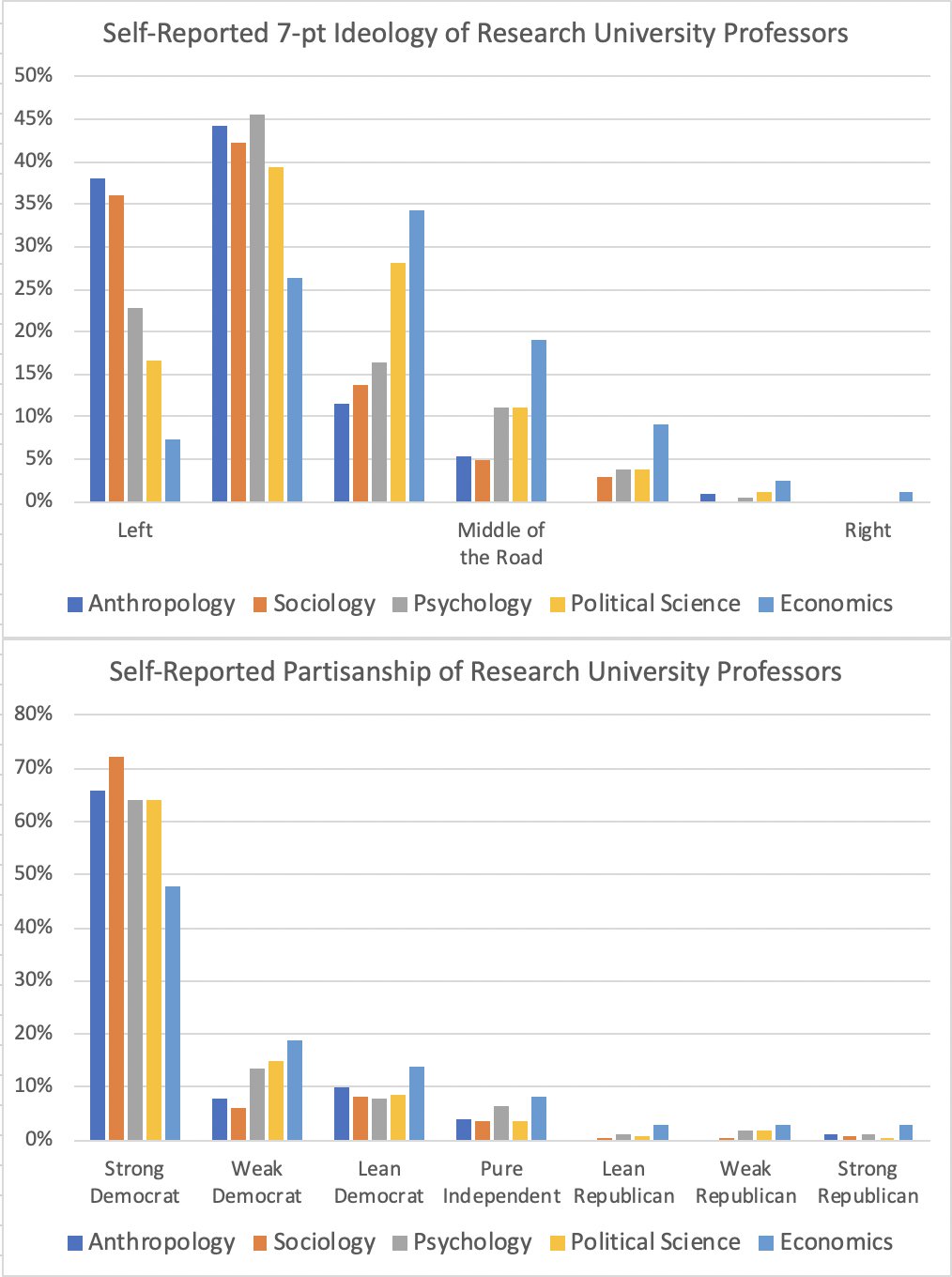
Even economists lean overwhelmingly to the left, though not quite so bad as the other fields of study.
Meanwhile, professors of tax law overwhelmingly support class warfare, including really punitive policies such as higher death taxes, global minimum taxes for business, and more punitive taxation of capital gains.
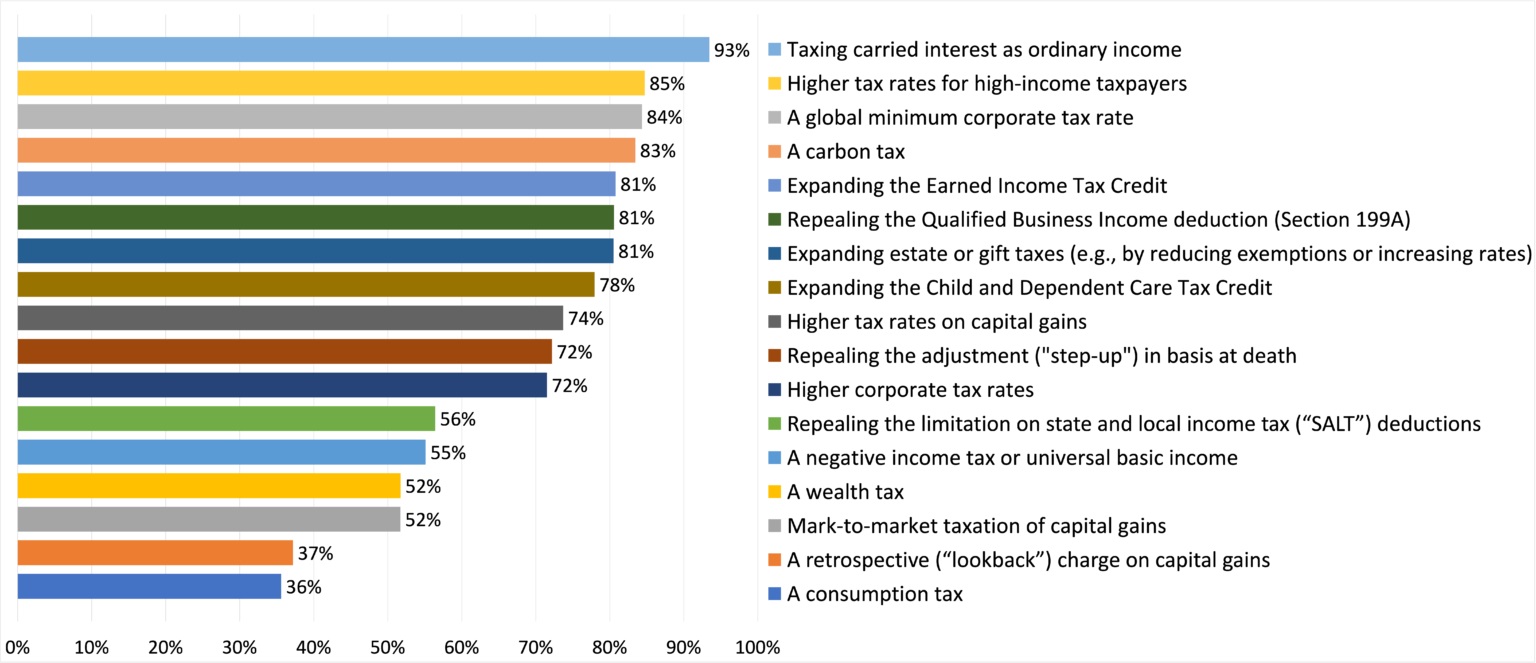
By the way, I’m guessing that tax law professors oppose a consumption tax (like the value-added tax) for the wrong reason. They’re not against more revenue for politicians, just against higher taxes that don’t specifically target upper-income taxpayers.
Academic bias is a problem at…
View original post 1,071 more words


Recent Comments