08 Jan 2022 Leave a comment
in applied price theory, applied welfare economics, comparative institutional analysis, economics of information, health economics, labour economics, labour supply Tags: health insurance
Why North Korea is the Hardest Country to Escape
08 Jan 2022 Leave a comment
in defence economics, laws of war, Marxist economics, war and peace Tags: North Korea
January 7, 1536: Death of Catherine of Aragon, Queen of England
08 Jan 2022 Leave a comment

Catherine of Aragon (December 16, 1485 – January 7, 1536) was Queen of England and Ireland as the first wife of King Henry VIII from their marriage on June 11, 1509 until their annulment on May 23, 1533. She was previously Princess of Wales as the wife of Henry’s elder brother, Arthur, Prince of Wales.
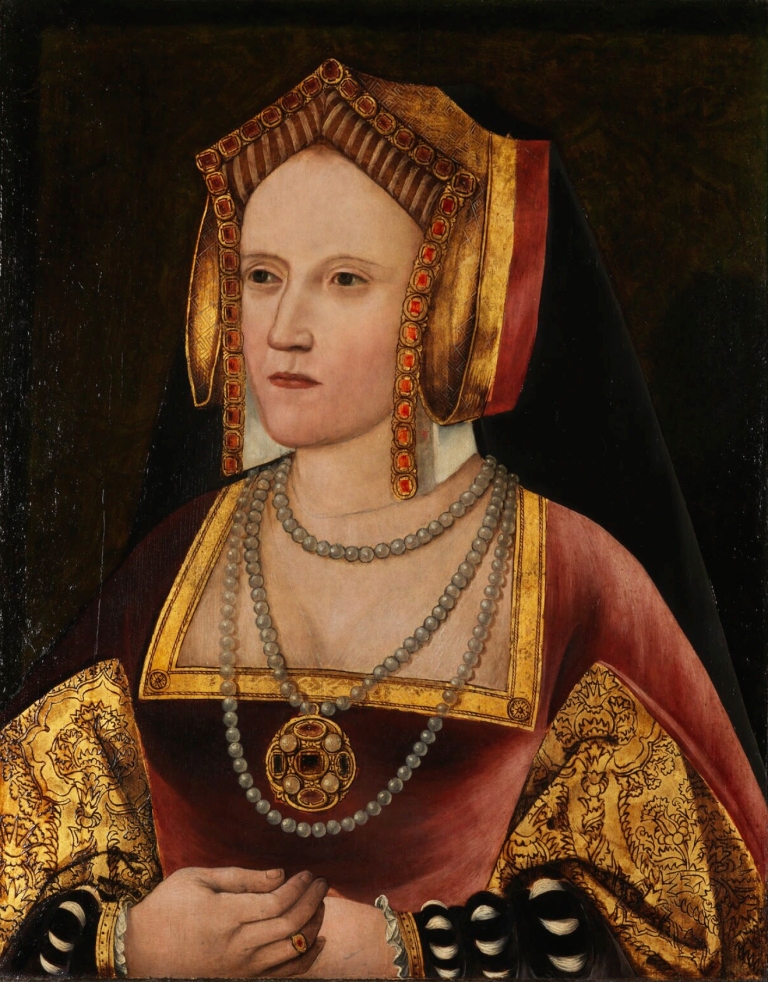 Infanta Catherine was born at the Archbishop’s Palace of Alcalá de Henares near Madrid, on the early hours of December 16, 1485. She was the youngest surviving child of King Fernando II of Aragon and Queen Isabella I of Castile. Catherine was quite short in stature with long red hair, wide blue eyes, a round face, and a fair complexion.
She was descended, on her maternal side, from the House of Lancaster, an English royal house; her great-grandmother Catherine of Lancaster, after whom she was named, and her great-great-grandmother Philippa of Lancaster were both daughters…
View original post 959 more words
Which Nations Do Best at Providing Rule of Law…and Why It Matters
08 Jan 2022 Leave a comment

Back in 2014, I shared a video explaining why the “rule of law” is important for a just and free society.
Here’s another video on the same point.
When I discuss rule of law (generally when explaining the various components that are used to calculate rankings of economic freedom), I often use a shortcut definition – namely that rule of law exists when government officials don’t have arbitrary power.
 In other words, rule of law is present when even politicians and bureaucrats have to adhere to laws and rules.
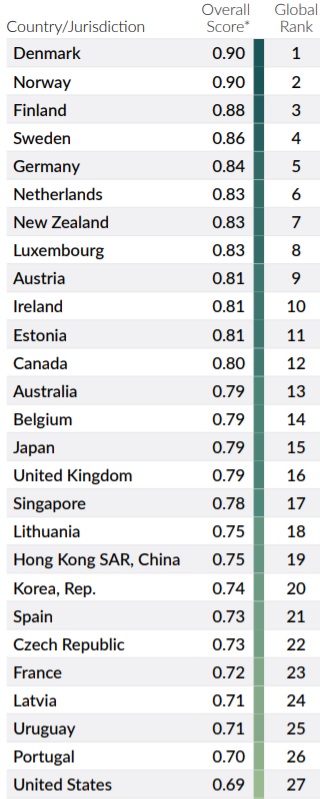
Where is the rule of law strongest?
According to the World Justice Project, Scandinavian nations are at the top, led by Denmark.
Other European nations – and European offshoot nations – dominate the rankings (there is a benefit to Western Civilization).
A handful of East Asian jurisdictions also get good scores.
And you’ll notice I had to include…
View original post 410 more words
The Future of the Title Duke of Edinburgh
08 Jan 2022 Leave a comment
There is a lot of misinformation out there and I find this to be the case when it comes to European Royalty.
I’ll admit I’m a bit of stickler for correct historical information, especially when it comes to the usage of titles, their history and how they are written in both news media and social media.
I have an account on Twitter for this blog and that is where I run into a great deal of misinformation.
With titles I think people just call the royals whatever they want and are making up their own rules. I also have received much criticism on Twitter for my stance on proper use of titles and clearing up misinformation.
It makes me wonder where the limits and boundaries are? Should we say screw all the rules and just call them what you want?
Recently the topic of the title of Duke of Edinburgh…
View original post 631 more words
What Happened After Theory of Evolution Was Published
08 Jan 2022 Leave a comment
in economics of education Tags: evolutionary biology


Recent Comments