M Economic Forces Podcast
05 Nov 2021 Leave a comment

Josh Hendrickson and Brian Albrecht have just posted our conversation about UCLA economics and economists, price theory vs. microfoundations, and my new book on their new Economic Forces Podcast. It was a really interesting conversation. Below are links to the podcast and to my book, which is now available online, and can be pre-ordered. The print version should be available in December.
https://link.springer.com/book/10.1007/978-3-030-83426-5
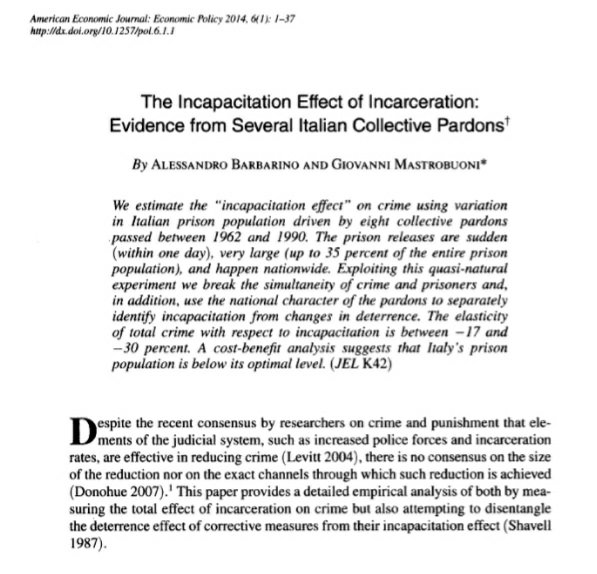
David Friedman on US Foreign Policy, Syria, Assad, Terrorism, WWII, Hitler, and much more…
05 Nov 2021 Leave a comment
in David Friedman, defence economics, economics of crime, law and economics, laws of war, property rights, war and peace
David Friedman BSU Lecture – Part 1/4
05 Nov 2021 Leave a comment
in David Friedman, law and economics
Falcon 9: SpaceX’s Reusable Rocket
05 Nov 2021 Leave a comment
in entrepreneurship, transport economics Tags: space
Biden and the Democrats are struck damaging blows in two key states
04 Nov 2021 Leave a comment

Joe Biden’s presidency has taken a near-mortal blow after significant defeats in two key state elections for governor with Republicans pulling off unexpected victories.
Glenn Youngkin won a stunning victory in Virginia on Tuesday, snatching the governor’s mansion away from the Democrats in a state that President Biden won by 10 points just a year ago.
In New Jersey, Democratic incumbent Phil Murphy was locked in an unexpected dogfight with Republican state assemblyman Jack Ciattarelli that stretched into the early hours with the latter inching ahead.
Youngkin, a businessman in his first campaign for public office, defeated Terry McAuliffe, a past governor and close ally of the Clinton family who has been a fixture of Democratic politics for decades. It was the first Republican victory in the commonwealth since 2009.
View original post 516 more words
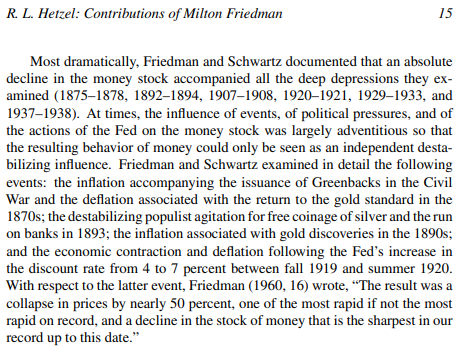
A Monetary History… provided the historical narrative supporting the contention that in many episodes, monetary instability arose independently of the behaviour of nominal income and prices
04 Nov 2021 Leave a comment
Walking the path?
04 Nov 2021 Leave a comment

At 11am the New Zealand Initiative released their latest report, by Bryce Wilkinson and Leonard Hong, under the title “Walking the Path to the Next Financial Crisis”. It comes complete with a Foreword from former Reserve Bank chief economist (and former Board chair) Arthur Grimes, under the title “A short walk?”, foretelling doom and repeating his recent attacks on the Reserve Bank’s conduct of monetary policy over the last 20 months, ending with the ominous – and printed in bold – declaration “This time is not different”.
The Initiative was kind enough to send me an embargoed copy yesterday. Perhaps the first thing that rather surprised me – in a document that is really quite critical of both monetary and fiscal policy and aspects of the way the Bank does other things – is that the acknowledgements include thanks to a Reserve Bank MPC member (Bob Buckle) for “valuable feedback…
View original post 1,603 more words
Reduce Poverty with Free Enterprise
04 Nov 2021 Leave a comment

I’ve shared several videos (here, here, here, and here) that use rigorous data to show that grinding poverty and severe material deprivation was the norm for humanity – until capitalism gained a foothold a few hundred years ago.
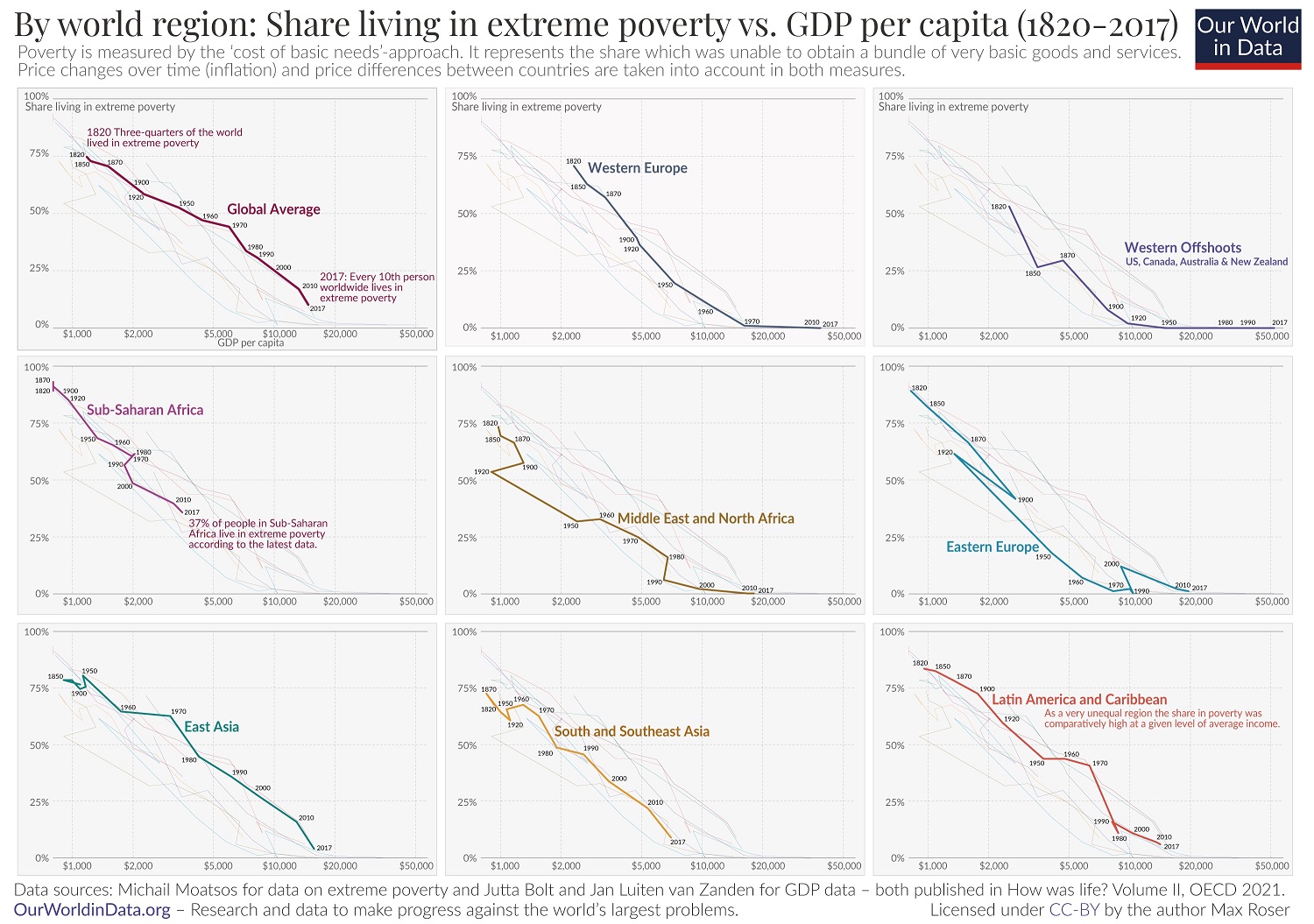 Fortunately, as free enterprise has gradually spread around the world, there’s been a remarkable increase in living standards, leading to a stunning drop in poverty.
For today’s column, let’s look at some new academic evidence about the link between capitalism and poverty reduction.
Here the abstract of a new study by Colin Doran and Thomas Stratmann of George Mason University.
We study the relationship between economic freedom and poverty rates in 151 countries over a twenty–year period. Using the World Bank’s poverty headcounts
of those living on less than $1.90 per day, $3.20 per day, and $5.50 per day, we find evidence that…
View original post 220 more words
Berlin’s Methods of Escape
04 Nov 2021 Leave a comment

In the wake of announcements from the Labour government yesterday I put forward some ideas from history that may be useful.
Courtesy of the Berlin Wall Museum, which I visited in the 1990’s, just a few years after it all came tumbling down.
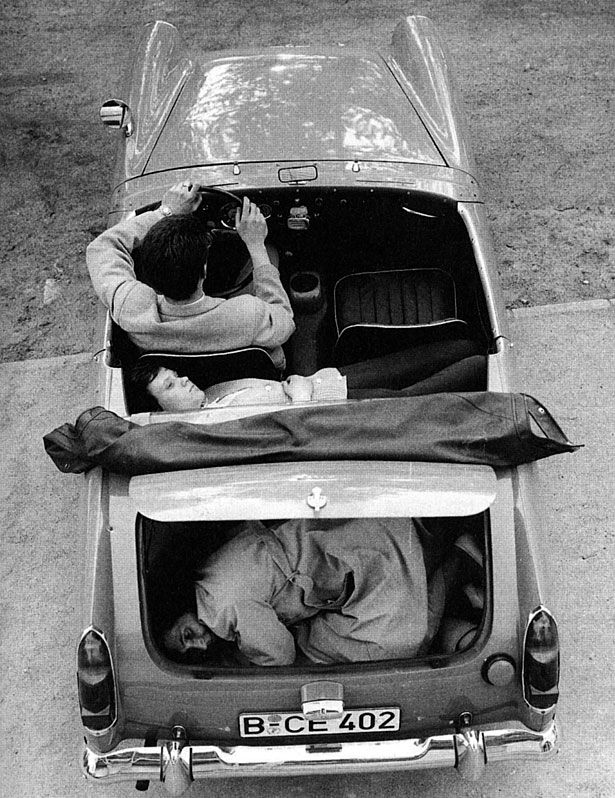
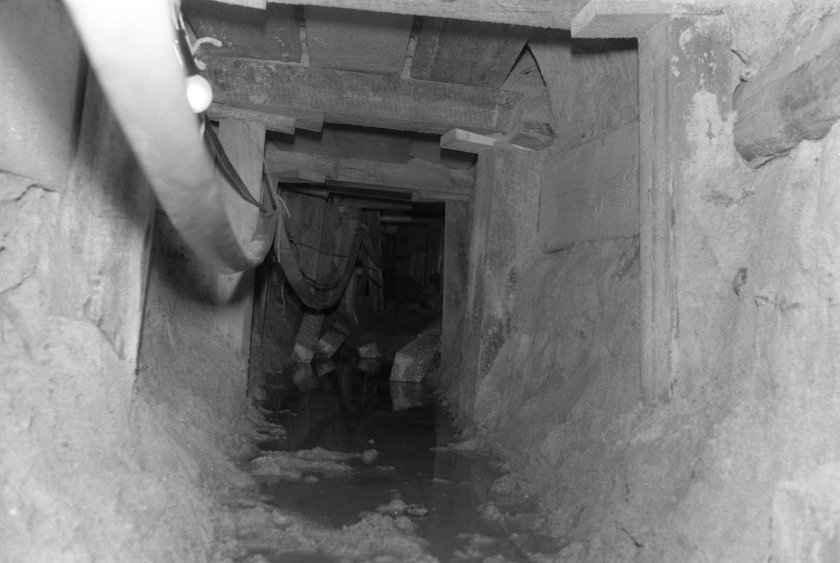
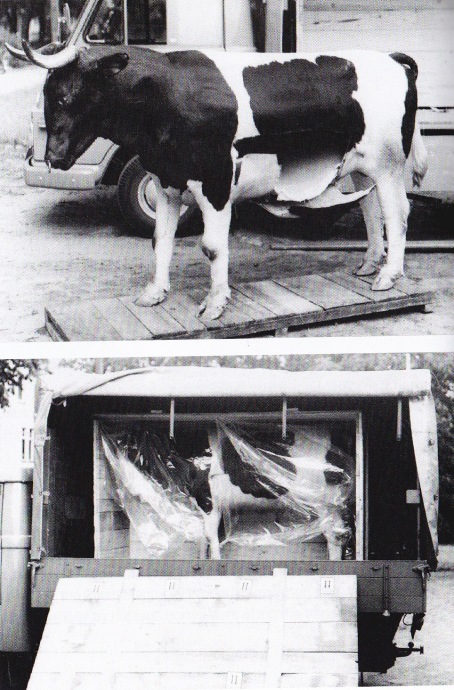
Over 5,000 people successfully escaped past the Wall between 1961 and 1989. In order to be able to overcome the constantly perfected GDR border security system, the means of escape always had to be refined. Many of them found their way to the Mauermuseum – Museum Haus am Checkpoint Charlie. These include multiple repurposed cars, a mini submarine that a refugee used to cross via the Baltic Sea, hot-air balloons, and self-made motorised hang-gliders.
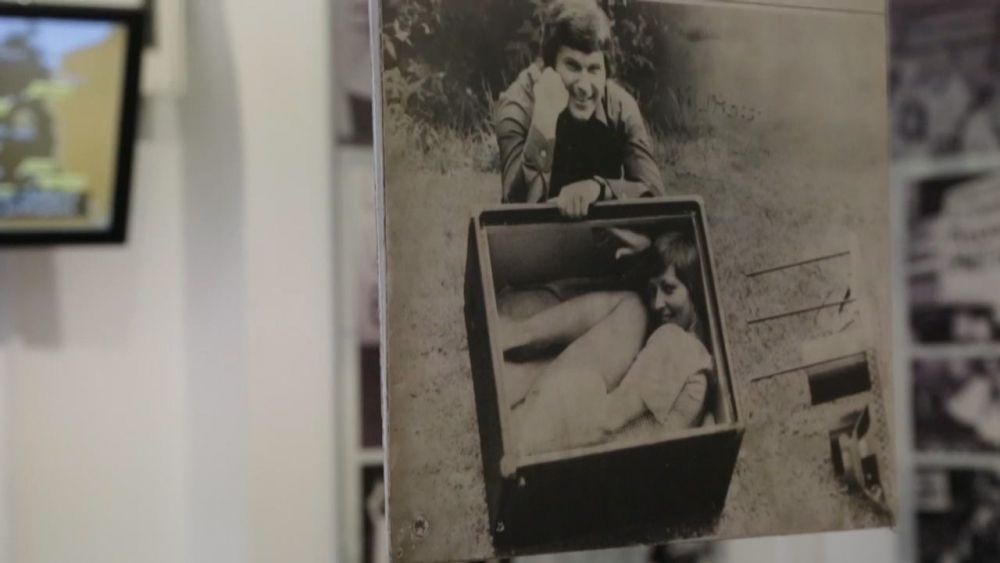
This one would take too long and Auckland lacks even unemployed miners.
The following may be the most appropriate in my case.
Readers are encouraged to put forward other ideas.


Recent Comments