
21 Oct 2021 Leave a comment
in liberalism, libertarianism, Marxist economics Tags: free speech, political correctness, regressive left
Entrepreneurship
21 Oct 2021 Leave a comment
in applied price theory, defence economics, economic history, entrepreneurship, industrial organisation, Music, survivor principle Tags: entrepreneurial alertness

No more investment in rail
21 Oct 2021 Leave a comment
in applied price theory, transport economics, urban economics
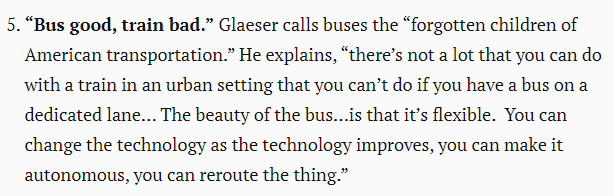
Cities at a Crossroads | Ed Glaeser
21 Oct 2021 Leave a comment
in applied price theory, applied welfare economics, development economics, economic history, economics of bureaucracy, energy economics, environmental economics, history of economic thought, human capital, industrial organisation, labour economics, labour supply, law and economics, occupational choice, poverty and inequality, property rights, Public Choice, public economics, rentseeking, transport economics, urban economics
Prorogation Tide: Elizabeth I and the Parliament of 1572-81
21 Oct 2021 Leave a comment

In the sixteenth century, parliaments were not only summoned but also prorogued at the behest of the monarch. In this blog, Dr Andrew Thrush, editor of our Lords 1558-1603 project, discusses an exceptionally large but often overlooked number of prorogations that took place during the mid-Elizabethan period…
Before the Long Parliament of 1640-53, the Parliament of 1572-81 bore the distinction of being the longest in English history. It was even longer than one might suppose, as it was not formally dissolved until 1583. Unlike the Long Parliament, this assembly, the fourth of Elizabeth’s reign, did not sit continuously, but sat over three short sessions, in 1572, 1576 and 1581. These lasted just over seventeen weeks in total, meaning that the intervals before and after each session were considerably longer than the individual sessions themselves.
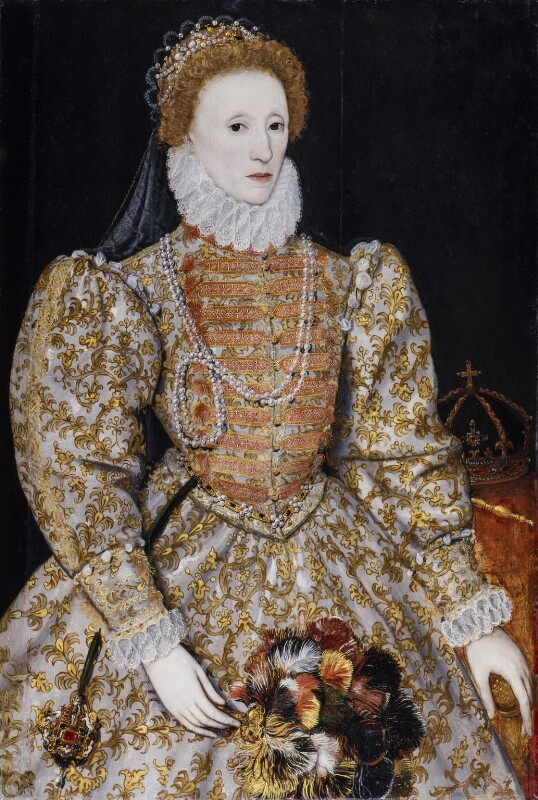
© National Portrait Gallery
View original post 933 more words
The Money Illusion
21 Oct 2021 Leave a comment

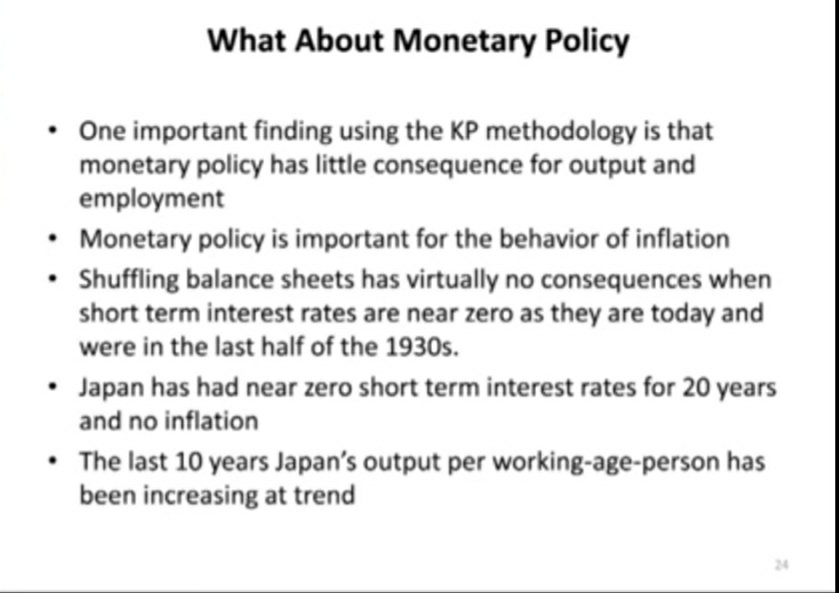
Or to give the book its full title, The Money Illusion: Market Monetarism, the Great Recession and the Future of Monetary Policy.
I was engrossed in the 2008/09 recession – and the associated financial crises – at the time it happened, as an official at the New Zealand Treasury, and it must have been very early in the piece that I started reading Professor Scott Sumner’s then new blog, also The Money Illusion. I’m not a regular reader now, but found much of what Sumner had to say about the conduct of monetary policy – mostly in the US – stimulating and thought-provoking, even (perhaps especially) when I didn’t end up agreeing. So I was keen buyer when his 400 page book appeared.
It is an interesting mixture of a book – partly textbook, partly personal intellectual autobiography, and partly a tract championing a different approach to policy…
View original post 2,384 more words
20 Oct 2021 Leave a comment
in defence economics, Marxist economics Tags: Churchill, free speech, political correctness, World War II

The coal explosion
20 Oct 2021 Leave a comment
in energy economics, environmental economics, global warming

Titles of British Monarchs: Part I.
20 Oct 2021 Leave a comment

This is a list of titles of Kings and Queens of the Kingdoms of Wessex, Anglo-Saxons and England prior to the creation of the Kingdom of Great Britain.
After the fall of the Roman Empire in Britain many small kingdoms arose. The Kingdom we will address is the Kingdom of Wessex, also known as the Kingdom of the West Saxons. Wessex was an Anglo-Saxon kingdom in the south of Great Britain, from 519 until England was unified by Æthelstan in 927.
The Anglo-Saxons believed that Wessex was founded by Cerdic and Cynric, but this may be a legend.
Cerdic is described in the Anglo-Saxon Chronicle as a leader of the Anglo-Saxon settlement of Britain, being the founder and first King of Saxon Wessex, reigning from 519 to 534 AD. Subsequent Kings of Wessex were each claimed by the Chronicle to descend in some manner from Cerdic.
 Arms of the Kingdom…
View original post 905 more words


Recent Comments