Every scam has one of these red flags: ex-con man Frank Abagnale
20 Oct 2021 Leave a comment
in economics of crime, law and economics, movies
#OTD #COVID19
20 Oct 2021 Leave a comment
in health economics Tags: economics of pandemics, vaccines

Your driving future
20 Oct 2021 Leave a comment
in law and economics, property rights, transport economics Tags: common law, driverless cars, tort law

William Nordhaus – ECB Conference on Monetary Policy – 19 October 2020
20 Oct 2021 Leave a comment
in applied welfare economics, Austrian economics, comparative institutional analysis, constitutional political economy, economic history, economics of bureaucracy, energy economics, environmental economics, global warming, Public Choice, public economics Tags: carbon tax, carbon trading
What They Really Had Planned for Apollo
20 Oct 2021 Leave a comment
in economics of media and culture Tags: moon landings
Legal Systems Very Different from Ours | David Friedman
20 Oct 2021 Leave a comment
in applied price theory, applied welfare economics, comparative institutional analysis, constitutional political economy, David Friedman, economics of crime, history of economic thought, law and economics, property rights
After Dodd Frank: John H. Cochrane
20 Oct 2021 Leave a comment
in applied welfare economics, Austrian economics, business cycles, comparative institutional analysis, economic history, economics of information, economics of regulation, financial economics, global financial crisis (GFC), great depression, great recession, history of economic thought, industrial organisation, law and economics, macroeconomics, monetary economics, property rights
The shooting range where you fire over a busy road
20 Oct 2021 Leave a comment
in defence economics, law and economics Tags: gun control, Switzerland
Apocalypse Never: Environmental Alarmism and Climate Change
19 Oct 2021 Leave a comment

Dr. Jordan Peterson and author Michael Shellenberger exchange ideas about the Apocalyptic Environmentalism that is getting mainstream coverage. Shellenberger also sheds light on the true impact of climate change and the theory of nuclear peace.
Anti-science left
19 Oct 2021 Leave a comment
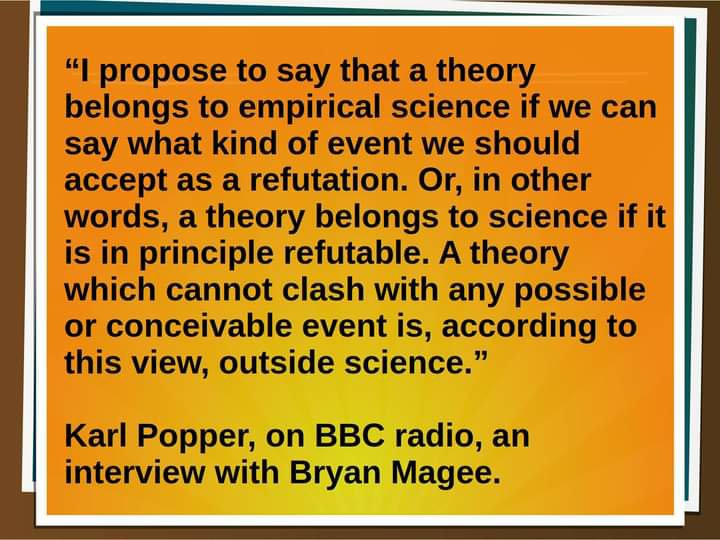
in economics of education, Marxist economics Tags: philosophy of science
Major cities in many countries have become progressively less dense
19 Oct 2021 Leave a comment

A reader yesterday linked to the recently-published United Nations World Cities Report. Sceptical as I am of most UN things, out of curiosity I dipped into a few chapters of the report.
On doing so, I stumbled on this chart
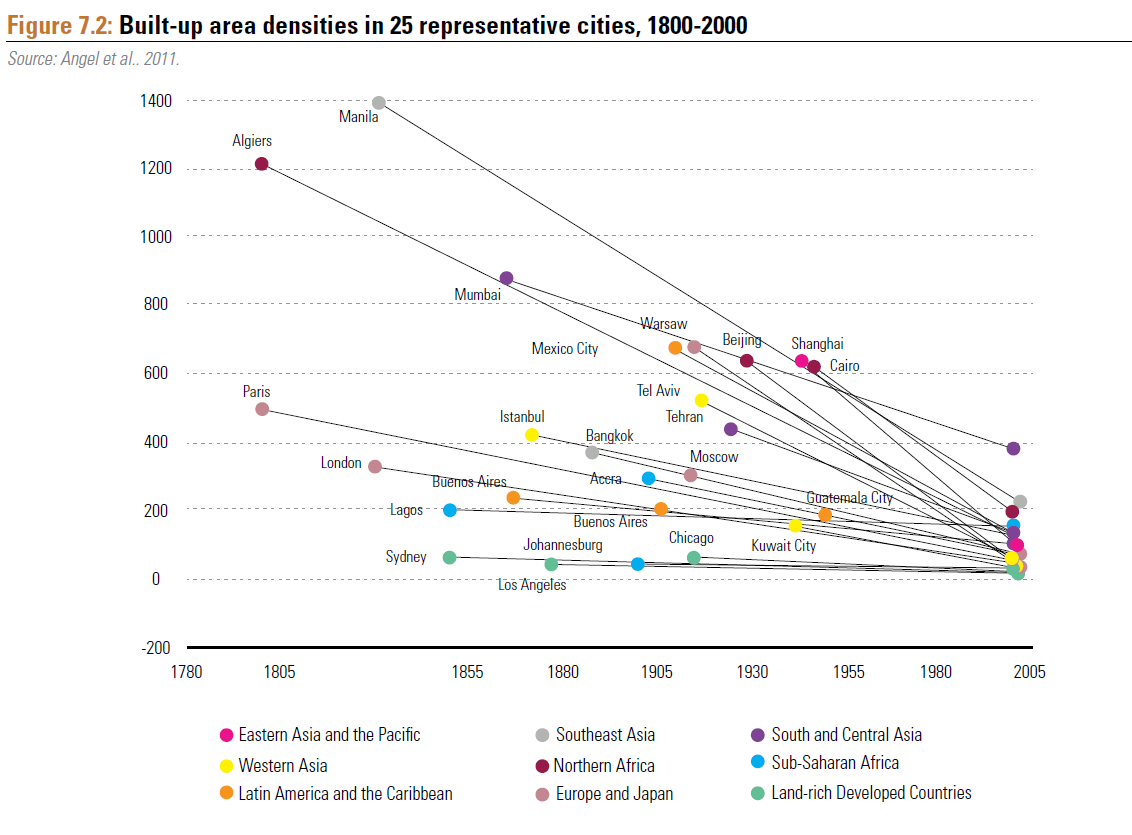
In a quite striking way it makes the same point made in an early post on this blog: as countries become richer, the cities in those countries tend to become less densely populated. Here was the chart from the earlier post showing data for London as far back as 1680 (just over a decade after the Great Fire).
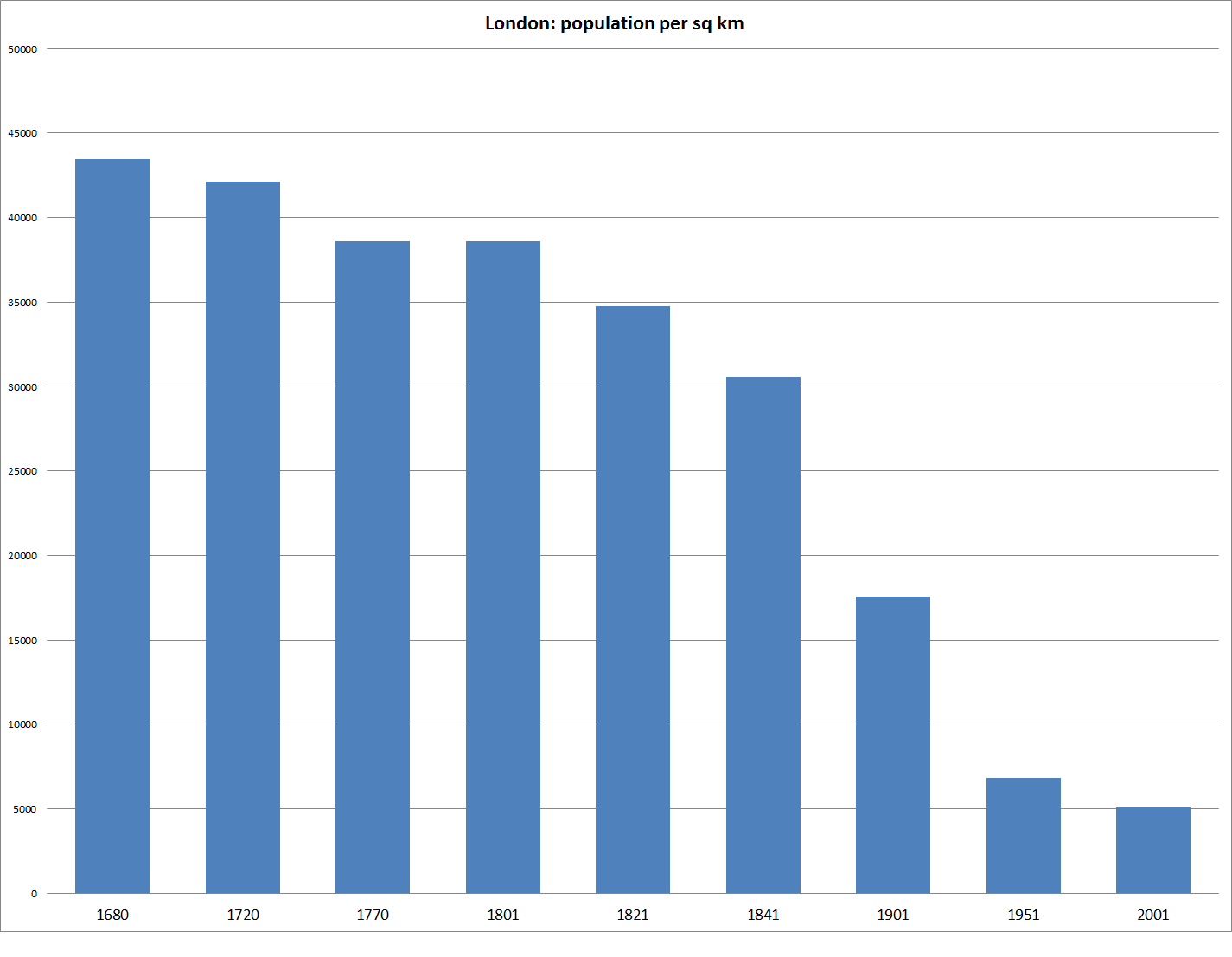
These numbers shouldn’t really be a surprise. Space is a normal good – people typically want more of it, all else equal, when they can afford it – and technological advances make longer distance commutes feasible.
No doubt there will be some issues with how the data are compiled/estimated – quite…
View original post 356 more words
Michael Foran: Parliamentary Sovereignty and the Politics of Law-making
19 Oct 2021 Leave a comment


Parliamentary sovereignty has traditionally been understood to mean that Parliament is free to enact legislation on any area of law that it chooses, and that Acts of the U.K. Parliament take precedence over subordinate legislation, regulation, or common law rule. Understood this way, parliamentary sovereignty is a constitutional principle that is couched explicitly in legal terms: it is a legal principle with legal effect, speaking to other legal entities within our constitutional order regarding how they are to exercise their legal functions in light of legislation passed by Parliament. In essence, it is a doctrine of legislative supremacy which honours Parliament’s constitutional role by according its enactments their due authority. On this view, no discernible distinction exists between parliamentary sovereignty and Parliament’s law-making powers because sovereignty describes the scope and weight of those very powers.
A central feature of the political aspect of our constitution is that the other elements…
View original post 2,659 more words
Inflation and monetary policy
19 Oct 2021 Leave a comment
No posts here for a while as I’ve been bogged down in trying to make sense of some events – little more than one week in history – from 30 years ago, where the uncertainty as to what actually happened (a precondition for making sense of what the events mean) is greatly magnified by really poor documentation and recordkeeping by….the Reserve Bank.
I was planning to return with something a bit more longer-term (perhaps tomorrow) but wasn’t yesterday’s inflation number interesting? It seems to have taken almost everyone – notably the people who do detailed components forecasts, including the Reserve Bank – by surprise to some extent.
Almost all the media focus has been on the headline number – 2.2 per cent increase for the quarter, 4.9 per cent for the year – because (I guess) it makes good headlines. (Excluding the two quarters when the GST rate was increased)…
View original post 2,106 more words


Recent Comments