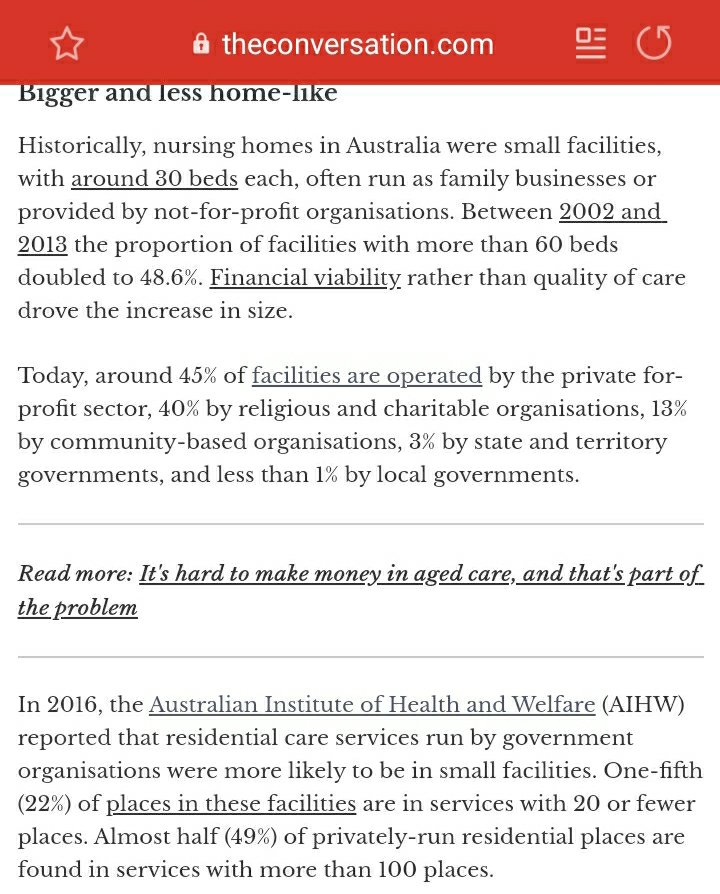
45% of Australia’s residential aged care facilities are for profit
02 Oct 2020 1 Comment
in industrial organisation, law and economics, Marxist economics, politics - Australia, property rights Tags: ageing society
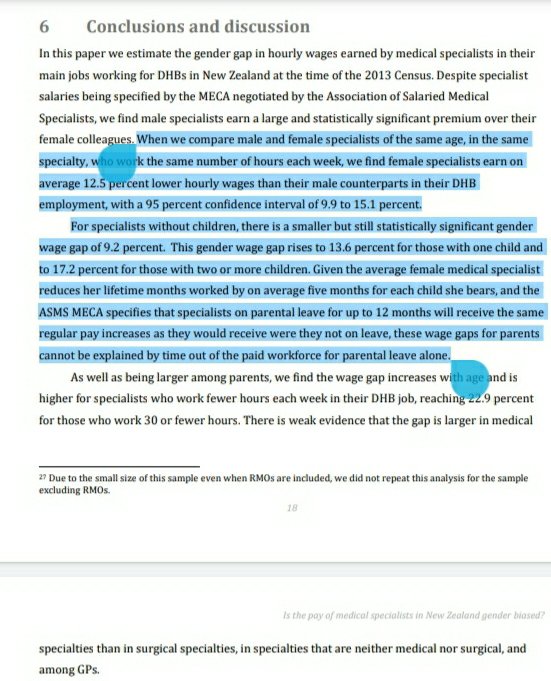
How do DHBs find out how many kids specialists have to pay mothers less per kid? Illegal to ask. Maybe supply-side factors are driving the gender wage gap?
02 Oct 2020 Leave a comment
in applied price theory, discrimination, econometerics, economics of bureaucracy, economics of education, gender, health economics, human capital, labour economics, labour supply, law and economics, occupational choice, personnel economics, politics - New Zealand, Public Choice Tags: gender wage gap, motherhood penalty
How tall is Mount Everest?
02 Oct 2020 Leave a comment

If you asked me the height of Mount Everest, I could tell you without missing a beat: 29,029 feet (I don’t know it by heart in meters, but it’s 8,848 m). That’s been the accepted height since the 1954 Survey Of India, which established the height using a number of observation stations and triangulation (trigonometry). Since then, there have been a few other measurements, all yielding heights close to the 1954 data: a 1999 National Geographic measurement gave 29,035 feet (seven feet higher), while a 2005 Chinese survey yielded 29,017 (that was the rock height, neglecting the roughly ten feet of ice and snow covering the summit).
There’s no doubt that Everest’s summit is the highest spot on earth measured from sea level (Chimborazo in Ecuador, however, is the highest mountain measured from the Earth’s center), but people want an exact figure. This article in the new National Geographic (click…
View original post 997 more words
.@BernieSanders @AOC @Greens @NZGreens
02 Oct 2020 Leave a comment
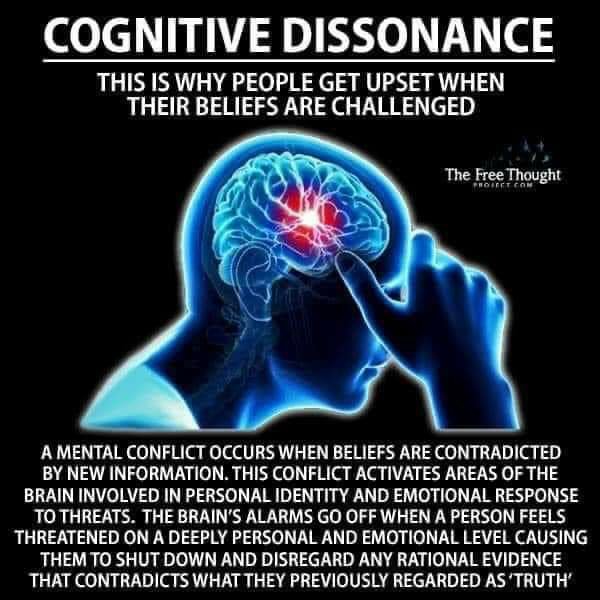
in business cycles, development economics, discrimination, economic growth, economic history, economics of bureaucracy, economics of crime, economics of education, Economics of international refugee law, economics of love and marriage, economics of regulation, economics of religion, energy economics, entrepreneurship, environmental economics, financial economics, fiscal policy, gender, global warming, growth disasters, growth miracles, health and safety, health economics, history of economic thought, human capital, income redistribution, industrial organisation, international economics, International law, job search and matching, labour economics, labour supply, law and economics, macroeconomics, Marxist economics, minimum wage, occupational choice, occupational regulation, politics - Australia, politics - New Zealand, politics - USA, poverty and inequality, privatisation, property rights, Public Choice, public economics, rentseeking, survivor principle, unemployment, unions, welfare reform Tags: Age of Enlightenment, moral psychology, offsetting behaviour, political psychology, regressive left, The fatal conceit, The Great Enrichment, unintended consequences, useful idiots
For Cardassia-Well hellooo. Maybe you should talk to Worf again.
02 Oct 2020 Leave a comment
in television
The Orville S02E13 Tomorrow, and Tomorrow, and Tomorrow – Clip only – Not whole episode
02 Oct 2020 Leave a comment
in television
Econ Duel: Why Is the Rent So Damn High?
02 Oct 2020 Leave a comment
in applied price theory, applied welfare economics, economics of regulation, law and economics, property rights, transport economics, urban economics Tags: housing affordability
Historical Breakdown of A Bridge Too Far – Planning and Failure of Market Garden I RHINELAND 45
01 Oct 2020 Leave a comment
in defence economics, war and peace Tags: World War II
Robert Hazell and Bob Morris: How has Monarchy survived in the era of Modern Democracy? Part One
01 Oct 2020 Leave a comment



Introduction
This month sees the publication of our book The Role of Monarchy in Modern Democracy: European Monarchies Compared, published by Hart. This two part Blog reflects on some of its main conclusions.
Our comparative study looked at seven other constitutional monarchies in Europe, in addition to the UK. In 1900 every country in Europe was a monarchy, save for just three: France, Switzerland and San Marino. By 2000 most countries in Europe had become republics, with the only exceptions being the Scandinavian monarchies of Denmark, Norway and Sweden, the Benelux countries of Belgium, the Netherlands and Luxembourg, Spain and the UK. These monarchies have survived partly for geopolitical reasons, most of the other European monarchies having disappeared at the end of the First or Second World Wars. But they have also survived by continuously adapting to the needs of modern democracy: monarchy depends ultimately on the support of…
View original post 1,338 more words


Recent Comments