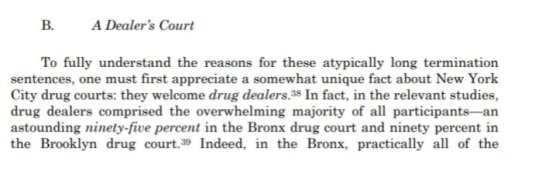
A drug courts dupes? @JustSpeakNZ @sst_nz @NZJusticeIdeas
12 Dec 2019 Leave a comment
in econometerics, economics of crime, economics of education, economics of information, human capital, labour economics, labour supply, law and economics, occupational choice, politics - New Zealand, politics - USA Tags: adverse selection, crime and punishment, criminal deterrence, law and order, moral hazard, offsetting, self-selection, The fatal conceit, unintended consequences
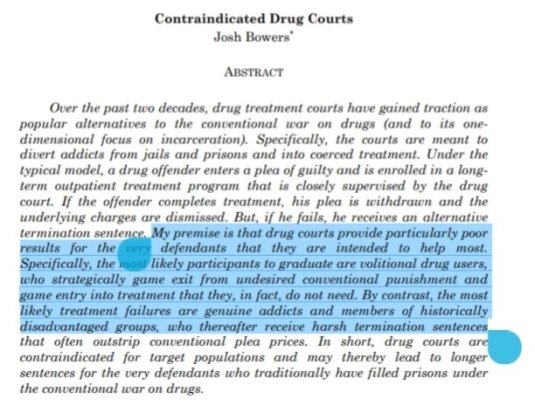
More on racist drug courts @JustSpeakNZ @NZJusticeIdeas @sst_nz
12 Dec 2019 Leave a comment
in econometerics, economics of crime, economics of education, economics of information, human capital, labour economics, labour supply, law and economics, occupational choice, politics - USA, unemployment Tags: adverse selection, crime and punishment, criminal deterrence, law and order, moral hazard, offsetting behaviour, self-selection, The fatal conceit, unintended consequences
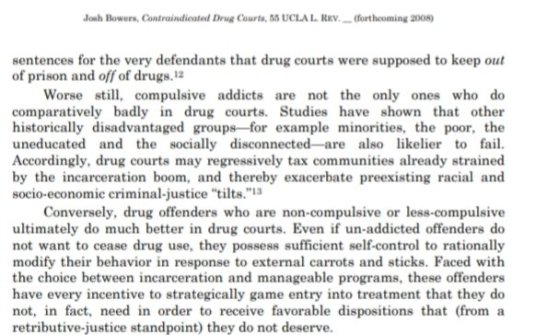
Drug courts are racist @NZJusticeIdeas @JustSpeakNZ @sst_nz
12 Dec 2019 Leave a comment
in econometerics, economics of crime, economics of education, economics of information, human capital, labour economics, labour supply, law and economics, occupational choice Tags: adverse selection, crime and punishment, criminal deterrence, drug law reform, law and order, moral hazard, self-selection, The fatal conceit, unintended consequences
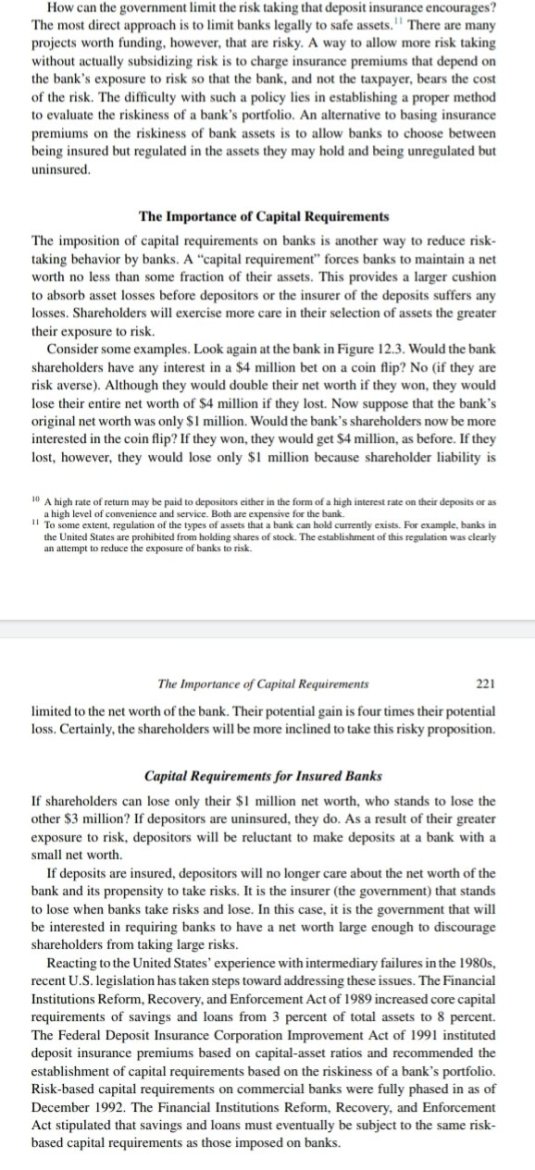
Champ and Freeman on bank capital reserves
05 Dec 2019 Leave a comment
in applied price theory, applied welfare economics, business cycles, economic history, economics of information, economics of regulation, financial economics, global financial crisis (GFC), great depression, great recession, industrial organisation, macroeconomics, monetary economics, politics - New Zealand, Public Choice, survivor principle Tags: adverse selection, agent principal problem, deposit insurance, economics of central banking, monetary policy, moral hazard, prudential regulation
Why ‘Free College’ Is a Terrible Idea
24 Oct 2019 Leave a comment
in economics of education, economics of information, human capital, labour economics, labour supply, occupational choice, personnel economics, politics - USA Tags: adverse selection, signalling
Richard A. Posner, “The Embattled Corporation”
12 Sep 2019 Leave a comment
in applied price theory, comparative institutional analysis, economic history, economics of information, economics of regulation, financial economics, industrial organisation, law and economics, managerial economics, organisational economics, property rights, Public Choice, Richard Posner, survivor principle Tags: adverse selection, moral hazard
Signaling
25 Jun 2019 Leave a comment
in applied price theory, economics of information, entrepreneurship, industrial organisation, law and economics, survivor principle Tags: adverse selection, moral hazard, signaling
Asymmetric Information and Health Insurance
24 May 2019 Leave a comment
in applied price theory, applied welfare economics, comparative institutional analysis, economics of information, entrepreneurship, health economics Tags: adverse selection, health insurance, moral hazard
What % of each occupation needs a license or certificate in the USA?
23 Apr 2016 1 Comment
in applied price theory, applied welfare economics, economics of regulation, labour economics, labour supply, occupational choice, occupational regulation, Public Choice, rentseeking Tags: adverse selection, barriers to entry, moral hazard, occupational licensing, occupational regulation
The 2015 Current Population Survey in the USA added a question about whether you needed a licence or a certificate to practice your occupation. One in 4 Americans say they need a licence or certificate. 22.4% need a license and 3.1% need a certificate among employed over the age of 16 in the USA.
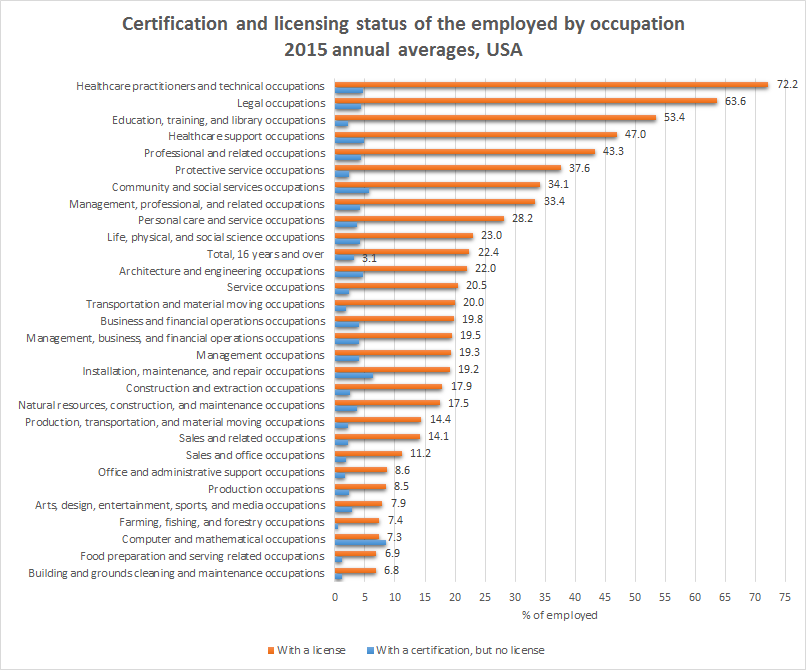
Source: Bureau of Labour Statistics, Labor Force Statistics from the Current Population Survey (2015), Certification and licensing status of the employed by occupation Table 5.
This estimate of 25% is less than the 30% estimated by Kleiner and Vorotnikov (2015) using a Harris Poll. Kleiner and Vorotnikov (2015) also found that some American states regulate twice as many occupations as others. This diversity in federalism strains any public interest explanation of occupational regulation.
Occupational regulation is more likely to be an issue for those who finished further education. It would have been better if the estimate by the Bureau of Labour Statistics was for adults and not have included teenagers.
The purpose of occupational regulation is to protect buyers from quacks and lemons – to overcome asymmetric information about the quality of the provider of the service.
The main issue with quacks in the labour market is whether there is a large cost of less than average quality service, and is there a sub-market who will buy less than average quality products in the presence of competing sellers competing on the basis of quality assurance. This demand for assurance creates opportunities for entrepreneurs to profit by providing assurance of quality.
Mostly disciplinary investigations and deregistrations under the auspices of occupational regulation are for gross misconduct and criminal convictions rather than the shading of quality.
#Morganfoundation discovers that #Ukraine is a dodgy place to buy credence goods
19 Apr 2016 Leave a comment
in economics of climate change, economics of crime, economics of information, environmental economics, global warming, industrial organisation, international economic law, international economics, International law, law and economics, politics - New Zealand, survivor principle Tags: adverse selection, asymmetric information, carbon trading, climate alarmism, climate alarmists, credence goods, experience goods, inspection goods
Morgan Foundation yesterday put out a report pointing out that many of the carbon credits purchased from the Ukraine under the carbon trading scheme are fraudulent.
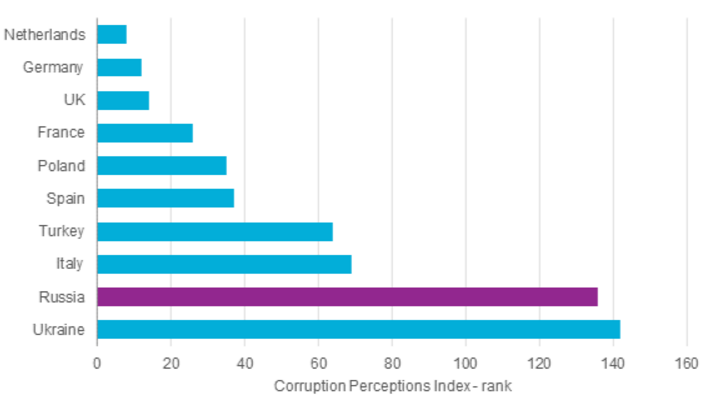
That comes with no surprise to anyone vaguely familiar with business conditions and the level of official corruption in the former Soviet Union. Russia is a more honest place to do business.
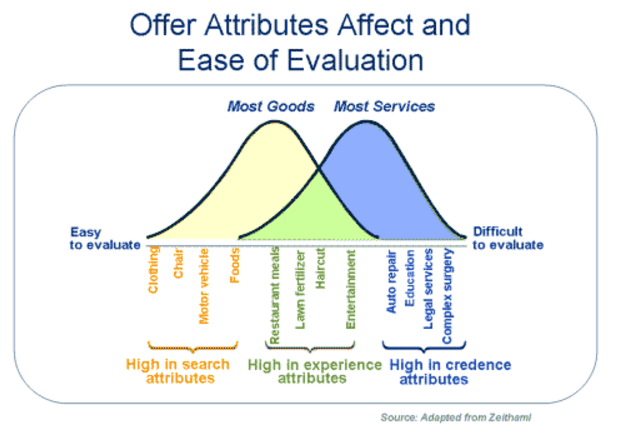
Carbon traders who buy from the Ukraine are not buying an inspection good. An inspection good is a good whose quality you can ascertain before purchase.

They are not buying an experience good. An experience good is a good whose quality is ascertained after purchase in the course of consumption.

Source: Russia, Ukraine dodgy carbon offsets cost the climate – study | Climate Home – climate change news.
What these carbon traders in New Zealand are doing is buying credence goods from the Ukraine. The credence goods are the carbon credits, which the Morgan Foundation and others have found often to be fraudulent.
A credence good is a good whose value is difficult or impossible for the consumer to ascertain. A classic example of a credence good is motor vehicle repairs.
You must trust the seller and their advice as to how much you need to buy of a credence good. Many forms of medical treatment also require you to trust the seller as to how much you need.
Carbon credits are such a credence good. You know there is corruption in the Ukraine and many other countries that supply them. You may never know at any reasonable cost whether the specific carbon credits you buy were legitimate.
The reason why carbon credits are purchased from such an unreliable source is expressive voting. As is common with expressive politics, what matters is whether the voters cheer or boo the policy. The fact whether it works or not does not matter too much.
The Greens are upset about this corruption in carbon trading. They did not mention the corruption in international carbon trading and climate aid when they welcomed the recent Paris treaty on global warming but that is for another day.
https://twitter.com/kadhimshubber/status/721831502372302849
Co-ordinated international action on global warming is rather pointless if some of the key countries with carbon emission caps are corrupt, which they are.
As Geoff Brennan has argued, CO2 reduction actions will be limited to modest unilateral reductions of a largely token character. There are many expressive voting concerns that politicians must balance to stay in office and the environment is but one of these.

Once climate change policies start to actually become costly to swinging voters, expressive voting support for these policies will fall away, and it has.
Networked Carbon Markets

Source: World Bank Networked Carbon Markets.
One way to stem that fading support is to buy carbon credits on the cheap and there is plenty of disreputable suppliers of cheap carbon credits. Buying dodgy carbon credits as a way of doing something on global warming without it costing more than expressive voters will pay.
One of the predictions of the adverse selection literature is that if consumers cannot differentiate good and bad goods from each other, such as with used cars, the market will contract sharply or even collapse because buyers cannot trust what is on offer. This risk of adverse selection undermining a market applies with clarity to carbon trading.

Source: How Can Your Vote Shape a Low Carbon Future? It Starts with Carbon Pricing.
The modern macroeconomics of the Global Financial Crisis
02 Dec 2015 Leave a comment
in applied price theory, budget deficits, business cycles, economic growth, economic history, economics of regulation, Euro crisis, fiscal policy, global financial crisis (GFC), great depression, great recession, macroeconomics, monetary economics Tags: adverse selection, bank panics, bank runs, banking crises, deposit insurance, economics central banks, financial crises, moral hazard, sovereign defaults
 Utopia, you are standing in it!
Recent Comments