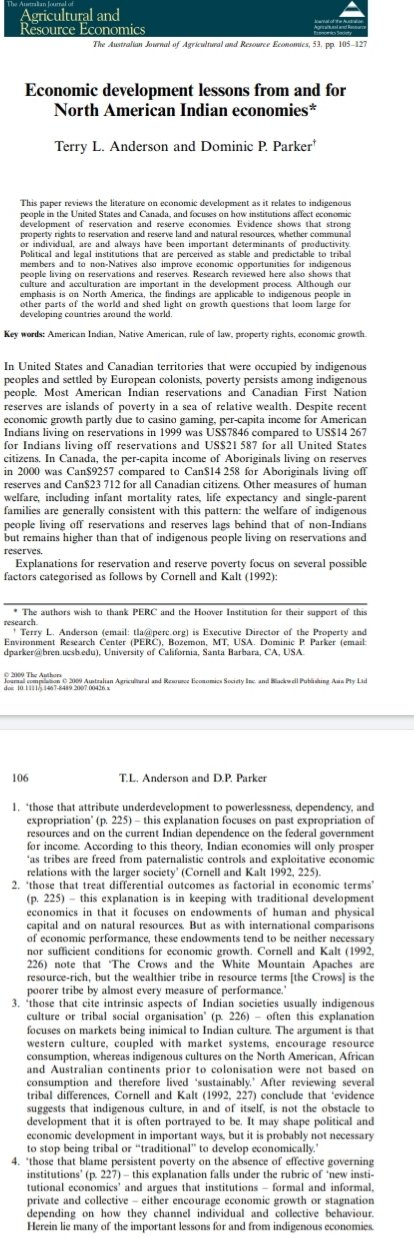
More on reservations as backwaters
28 Jun 2020 Leave a comment
in comparative institutional analysis, constitutional political economy, development economics, discrimination, economics of bureaucracy, economics of crime, economics of education, economics of regulation, human capital, income redistribution, industrial organisation, labour economics, labour supply, law and economics, politics - USA, poverty and inequality, property rights, Public Choice, public economics, rentseeking, unemployment, welfare reform Tags: Canada, racial discrimination
First Nations does not include all aboriginals; precisely the opposite to elevate treaty partners over other native Canadians
20 Jun 2020 Leave a comment
in politics - Australia Tags: Canada, political correctness, regressive left
#MedicareForAll @AOC @BernieSanders @SenWarren
31 Jan 2020 Leave a comment
in economics of regulation, health economics, income redistribution, industrial organisation, politics - USA, Public Choice, public economics, rentseeking Tags: 2020 presidential election, Canada, health insurance, offsetting behaviour, The fatal conceit, unintended consequences


The Time Canada ALMOST Split Into Two (Possibly Three)
08 Oct 2019 Leave a comment
in constitutional political economy, economic history, International law, Public Choice Tags: Canada, economics of succession
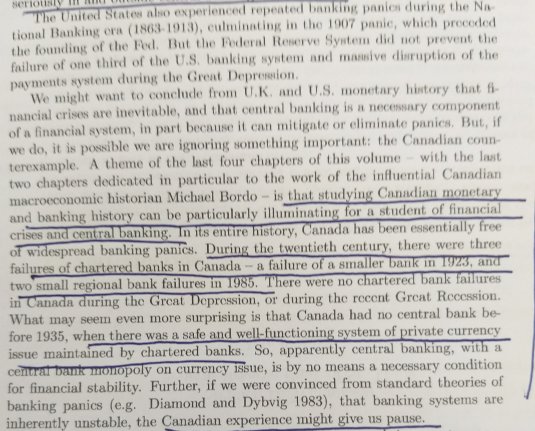
Stephen Williamson on Canada as an anomaly for conventional and Minsky theories of banking instability
27 Jul 2019 Leave a comment
The US-Canada Border Splits This Road Down The Middle
24 Dec 2018 Leave a comment
in economics of media and culture, international economics, International law, politics - USA Tags: Canada, economics of borders, maps
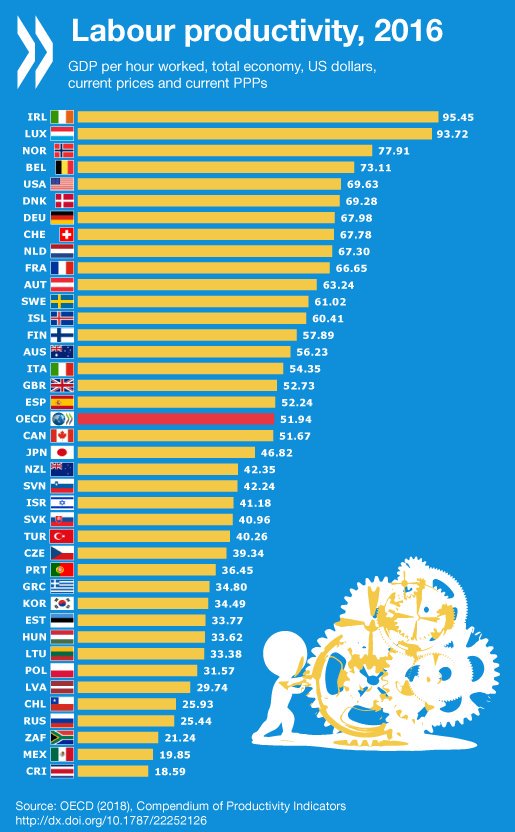
Unlike NZ, Canada can’t blame size, distance nor remoteness for low productivity
02 Jul 2018 Leave a comment
in applied price theory, economic growth, macroeconomics Tags: Canada, lost decades, New Zealand
Fleeing Saudi blasphemy law. Finding Canadian blasphemy law.
13 Feb 2018 Leave a comment
in economics of religion Tags: Canada, free speech, Freedom of religion
Animated History of Canada – Territorial Evolution
23 Oct 2016 Leave a comment
in economic history Tags: Canada, maps
Why is Canada not part of the United States?
14 Oct 2016 Leave a comment
in economic history Tags: Canada
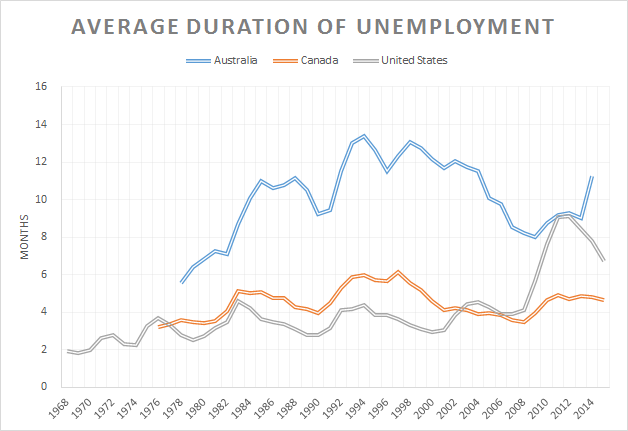
Average duration of US, Canadian and Australian unemployment since 1968
12 Oct 2016 Leave a comment
in business cycles, job search and matching, labour economics, macroeconomics, unemployment Tags: Australia, Canada, long-term unemployment, social insurance, unemployment duration
College and post-graduate wage premium in the English speaking countries, France, S. Korea, Finland, Denmark, Norway and Sweden
31 Jul 2016 Leave a comment
in economics of education, human capital, labour economics, occupational choice Tags: Australia, British economy, Canada, College premium, Denmark, education premium, Finland, France, graduate premium, Ireland, Korea, Norway, post-graduate premium, Sweden
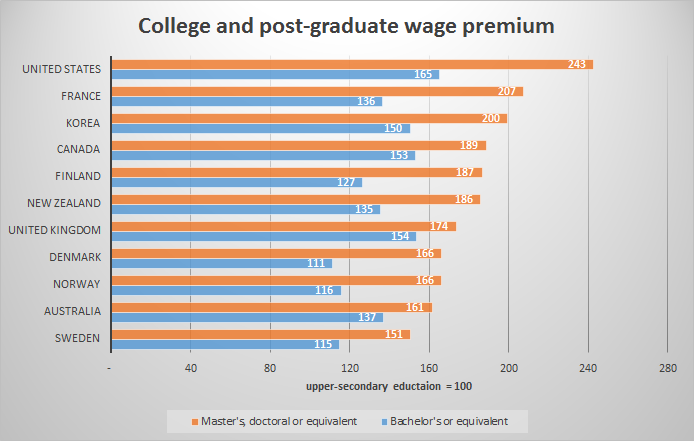
Source: Education at a Glance 2015, section 6.
 Utopia, you are standing in it!
Recent Comments