What are the costs of prioritizing driving over transit? #infographic #cities #transit http://t.co/bOGG2kKwjX—
YouthfulCities (@youthfulcities) July 21, 2015
Urban agglomeration and rent capitalisation explained
30 Jul 2015 Leave a comment
in applied price theory, applied welfare economics, transport economics, urban economics Tags: agglomeration economics, compensating differentials, equalising differences, land supply, rent capitalisation
The occupations of the top 1% and the top 0.1%
29 Jul 2015 Leave a comment
in applied price theory, applied welfare economics, entrepreneurship, financial economics, human capital, labour economics, occupational choice Tags: CEO pay, compensating differentials, entrepreneurial alertness, top 0.1%, top 1%, top income earners, top wage earners
Page 41 from "An Illustrated Guide to Income" more economic #dataviz at: bit.ly/11v2e9k http://t.co/7Hlgk4AjZn—
Catherine Mulbrandon (@VisualEcon) May 22, 2013
What group has by far the lowest jobless rate?
17 Jul 2015 Leave a comment
in economics of education, human capital, job search and matching, labour economics, labour supply, occupational choice, unemployment Tags: College premium, compensating differentials, graduate premium, labour demographics
What group has by far the lowest jobless rate? College grads on.wsj.com/1Mtk8l9 http://t.co/27ft9qYjvz—
WSJ Central Banks (@WSJCentralBanks) June 05, 2015
Why is the gender wage gap mostly an issue now for the middle class and rich?
30 Jun 2015 Leave a comment
in gender, health and safety, labour economics, labour supply, occupational choice Tags: College premium, compensating differentials, gender wage gap, graduate premium, reversing gender wage
Which are the most dangerous jobs?
29 Jun 2015 Leave a comment
in health and safety, labour economics, labour supply, occupational choice Tags: compensating differentials, risk risk trade-off is
Fatal #workplace accidents most prevalent in construction & manufacturing / via @EU_Eurostat
statista.com/chart/3544/eur… http://t.co/gmG6PB5rE3—
Statista (@StatistaCharts) June 10, 2015
Dying to be famous: the mortality rates of 1489 rock and pop stars, 1956 and 2006.
24 Jun 2015 Leave a comment
in health and safety, health economics, labour economics, Music, occupational choice Tags: compensating differentials, life expectancy, risk risk trade-offs
Rock/pop star mortality increases relative to the general population with time since fame. Increases are greater in North American stars and those with solo careers.
Relative mortality begins to recover 25 years after fame in European but not North American stars. Those reaching fame from 1980 onwards have better survival rates.
For deceased stars, cause of death was more likely to be substance use or risk-related in those with more adverse childhood experiences.
Those reaching fame from 1980 onwards have better survival rates.
For deceased stars, cause of death was more likely to be substance use or risk-related in those with more adverse childhood experiences.

% of workers working more than 50 hours per week across OECD
18 Jun 2015 1 Comment
in labour economics, labour supply, occupational choice Tags: compensating differentials, taxation and the labour supply
Figure 1: % of workers working more than 50 hours per week, OECD, 2013

Source: OECD Better Life Index 2015.
DRI-270 for week of 10-6-1: How is Job Safety Produced?
15 Jun 2015 Leave a comment
in health and safety, labour economics Tags: compensating differentials, The Great Escape
This an excellent summary

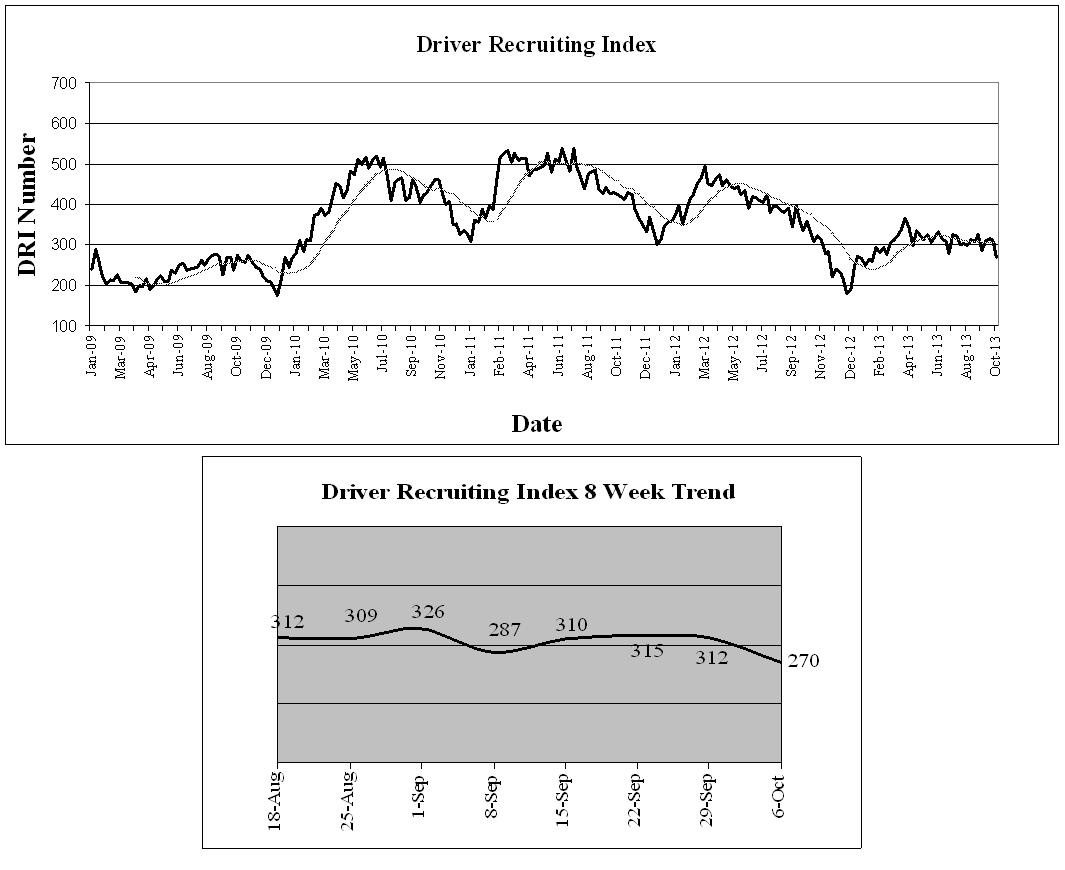
An Access Advertising EconBrief:
How is Job Safety Produced?
The best-selling book on economics in the 20th century was probably Free to Choose, the 1980 defense of free markets by Milton and Rose Friedman. It contained a chapter entitled, “Who Protects the Worker?” In it, the authors highlighted the tremendous improvement in the working conditions and living standards of workers from the Industrial Revolution onward. What, they inquired rhetorically, accounted for this? The Friedmans suggested “labor unions” and “government” as the likely top two answers to any poll taken on this subject.
One of the nation’s leading experts on the subject of risk and safety is W. Kip Viscusi, long an economics professor at Harvard, Duke and Vanderbilt universities and now affiliated with the Independent Institute. In an essay on “Job Safety” for the Fortune Encyclopedia of Economics, Viscusi wrote: “Many people believe that employers do not…
View original post 3,152 more words
Prison incarceration rates by race and education
12 Jun 2015 1 Comment
in discrimination, economics of crime, economics of education, human capital, labour economics, labour supply, law and economics, occupational choice, politics - USA Tags: compensating differentials, crime and punishment, criminal deterrence, law and order, racial discrimination, racism
Male African American high school dropouts facing a nearly 70% cumulative risk of imprisonment by their early 30s. However, the increase in incarceration rates among high school graduates appeared to be much the same for both blacks and whites.
This hints that racism is not as good explanatory of high rates of African-American male incarceration. Police do not know whether the people they arrest have high school diplomas or not but most of the people they arrest are high school dropouts. This suggests that the opportunity cost and rewards of crime over lawful occupational pursuits is a driver of the supply of crime.
The robots are coming, the robots are coming to property values
16 May 2015 Leave a comment
in applied price theory, economics of media and culture, entrepreneurship, industrial organisation, survivor principle, technological progress, transport economics, urban economics Tags: agglomeration, compensating differentials, creative destruction, driverless cars, drones, entrepreneurial alertness, land prices, land supply
A few years ago, Casey Mulligan wrote a fascinating little op-ed about the impact of drones on land prices and urban living.

As drones and driverless cars make it cheaper to move people around cities, the value of inner-city land will fall simply because their proximity to the action has diminished.
With drones and driverless cars, it will be easier to bring something in on the just-in-time basis rather than have it on hand as inventory or within walking distance because traffic congestion makes it too slow to call it up from the suburbs through the conventional commercial transport.
But we live in a world of trade-offs. More people may want to move into the city because it’s so much easier to move around and call things up by drone, driverless car and the share economy, so this may intensify agglomeration effects and increased land prices. Another big day out for the two handed economist.
Equal pay day verses equal occupational fatality day
14 Apr 2015 Leave a comment
in discrimination, gender, health and safety, labour economics Tags: compensating differentials, equal pay, reverse gender gap


Another gender wage gap that dare not speak its name
09 Apr 2015 Leave a comment
in discrimination, gender, labour economics, labour supply, occupational choice Tags: compensating differentials, gender wage gap, part-time work, reversing gender gap


Does money buy happiness?
07 Apr 2015 Leave a comment
in labour economics, labour supply, occupational choice Tags: compensating differentials, revealed preference
Life satisfaction rising with income – but interesting differences between different jobs.
( bit.ly/1xDklbn) http://t.co/b8ihg4LwVC—
Max Roser (@MaxCRoser) March 31, 2015
The obesity rates by occupation are surprising
06 Apr 2015 Leave a comment
in health and safety, health economics, labour economics, occupational choice Tags: compensating differentials, economics of obesity, obesity rates
Obesity by Occupation: In US police, firefighters, & security lead the pack. #dataviz
Source: wsj.com/articles/memo-… http://t.co/fPyQGKIUMk—
Randy Olson (@randal_olson) December 18, 2014
 Utopia, you are standing in it!
Recent Comments