We live in a society utterly confused about parenthood and the role of fathers. The last Labour government made fathers increasingly irrelevant. In 2020 a law change repealing section 70a of the Social Security Act meant mothers applying for a sole parent benefit no longer had to name the father of their child for the…
What does society expect from fathers?
What does society expect from fathers?
27 Dec 2024 Leave a comment
in economics of crime, economics of love and marriage, law and economics, politics - New Zealand Tags: economics of fertility
Desired Fertility versus the Mueller Effect
28 Nov 2024 Leave a comment
in applied price theory, economics of love and marriage, labour economics, labour supply, law and economics, population economics Tags: economics of fertility
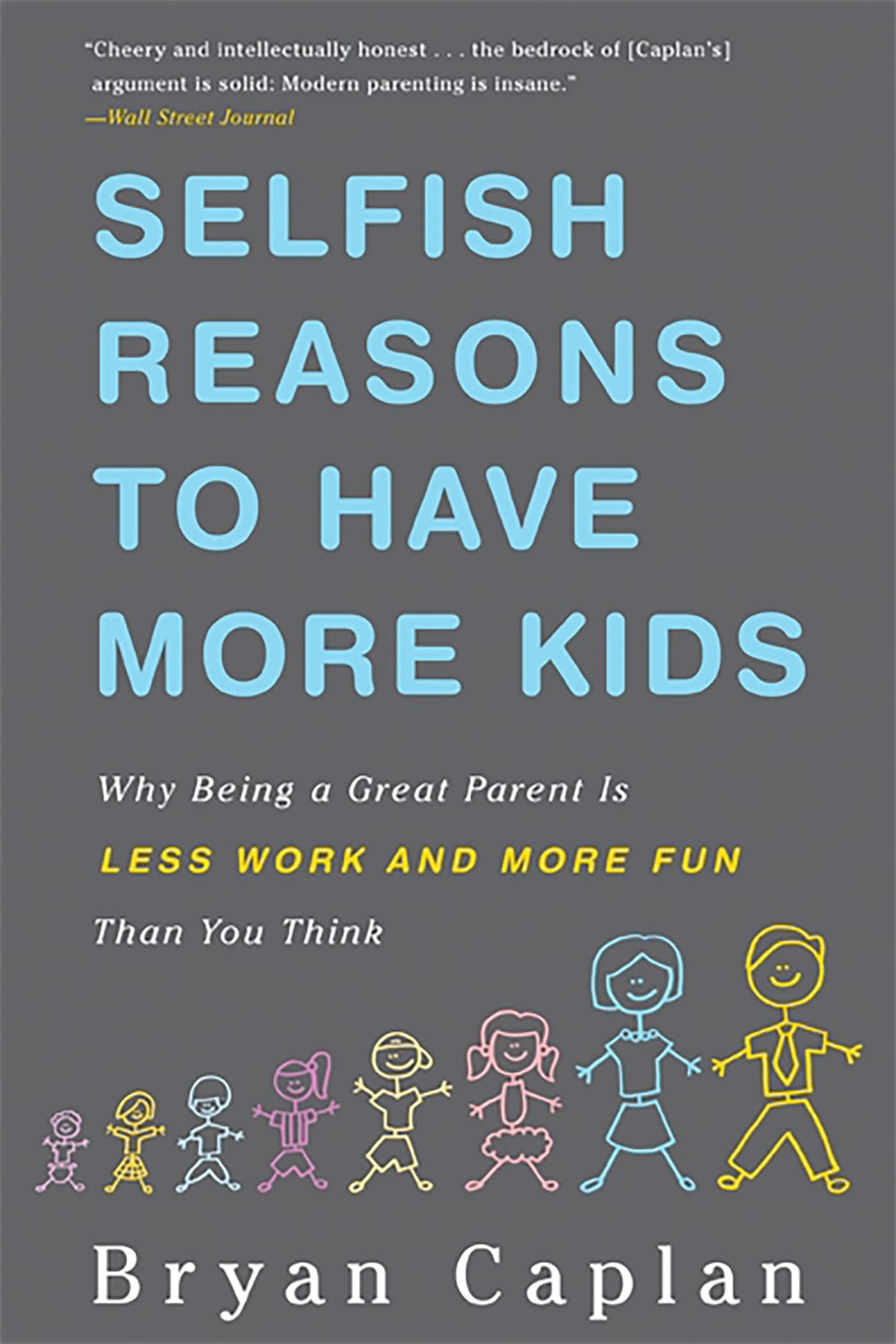
Six months ago, I’m not sure that I’d ever heard of demographer Lyman Stone. Now, people in my circles randomly drop his name on a weekly basis. His favorite topic, in case you haven’t heard, is global fertility decline. As a longtime natalist, I share his concerns. One of Stone’s top takeaways: Instead of talking…
Desired Fertility versus the Mueller Effect
The Puzzle of Japan’s Economy: When Productivity Gains Are Outside National Borders
26 Oct 2024 Leave a comment
in development economics, economic growth, economic history, growth miracles, labour economics, labour supply, macroeconomics, population economics Tags: economics of fertility, Japan
In total size, Japan’s economy is fourth-largest in the world, just behind Germany for third-largest. In per capita GDP, Japan is ahead of Spain and South Korea, although well behind Italy and France. With a life expectancy at birth of 84 years, ,Japan has one of the highest levels in the world. Clearly, Japan has…
The Puzzle of Japan’s Economy: When Productivity Gains Are Outside National Borders
Further evidence for the babysitting theory of education
08 Oct 2024 Leave a comment
in applied price theory, applied welfare economics, economics of education, economics of love and marriage, human capital, labour economics, labour supply, law and economics Tags: economics of fertility
Bryan Caplan will feel vindicated: This paper asks whether universal pre-kindergarten (UPK) raises parents’ earnings and how much these earnings effects matter for evaluating the economic returns to UPK programs. Using a randomized lottery design, we estimate the effects of enrolling in a full-day UPK program in New Haven, Connecticut on parents’ labor market outcomes […]
Further evidence for the babysitting theory of education
The economics of the falling total fertility rate in New Zealand
31 Jul 2024 Leave a comment
in human capital, labour economics, labour supply, politics - New Zealand, population economics Tags: ageing society, economics of fertility

Earlier this week, I was interviewed by Paul Brennan on Reality Check Radio, on New Zealand’s declining birth rate. You can listen to the interview here. We didn’t have time to go through all of the questions I was given beforehand, so I thought I would add some points here, along with some links to…
The economics of the falling total fertility rate in New Zealand
Chinese Economic Policy, Part I: The Demographic Challenge
17 Jul 2024 Leave a comment
in development economics, economic history, growth disasters, growth miracles, labour economics, labour supply, population economics Tags: China, economics of fertility
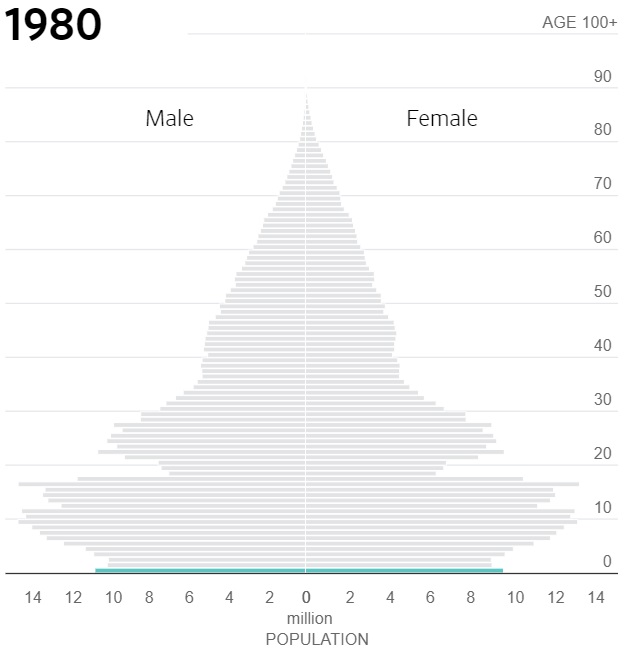
I’m in China this week, teaching about fiscal policy, convergence theory, and inequality at Northeastern University in Shenyang. So it’s a good opportunity to write about some pluses and minuses of Chinese economic policy. We’ll start this series by looking at demographics, which almost surely is the biggest long-run challenge for Chinese policymakers. How big […]
Chinese Economic Policy, Part I: The Demographic Challenge
Putting children first
26 May 2024 Leave a comment
in economics of crime, law and economics, politics - New Zealand Tags: child protection, economics of fertility
Ele Ludemann writes – Minister for Children Karen Chhour is putting children first: Hon KAREN CHHOUR: I move, That the Oranga Tamariki (Repeal of Section 7AA) Amendment Bill be now read a first time. I nominate the Social Services and Community Committee to consider the bill.
Putting children first
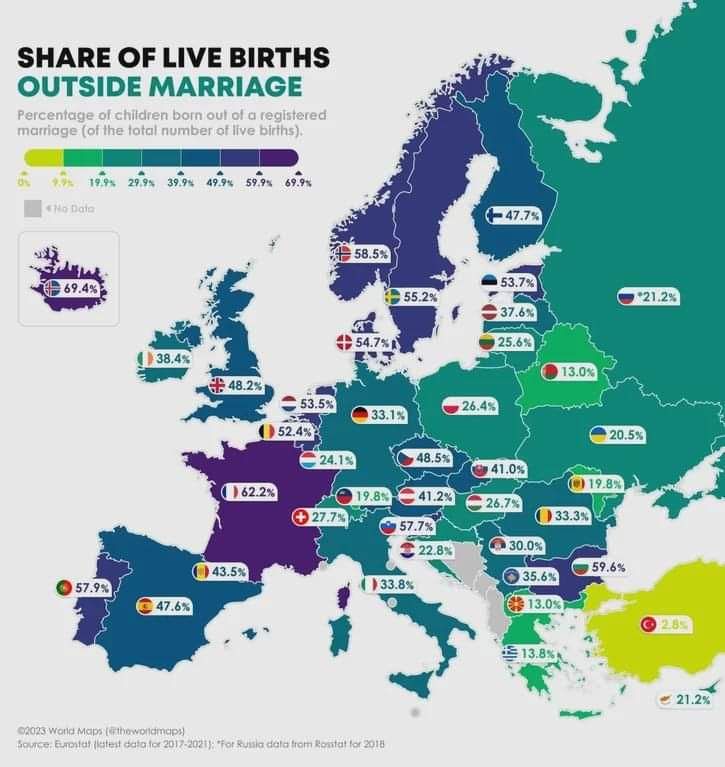
Living in sin
23 May 2024 Leave a comment
in economics of love and marriage, law and economics Tags: economics of fertility
Three Snapshots of Where US Population is Headed
29 Feb 2024 Leave a comment
in economic history, environmental economics, labour economics, labour supply, population economics Tags: ageing society, economics of fertility, economics of immigration, population bust

The Congressional Budget Office has published The Demographic Outlook: 2024 to 2054 (January 2024), which offers some recent history and projections of how the US population is evolving. Here are three snapshots: The Role of Immigration in Total US Population Growth The black line shows projected US population growth since 2004, with firm data up…
Three Snapshots of Where US Population is Headed
Family leave and the gender wage gap
16 Jan 2024 Leave a comment
in applied price theory, discrimination, econometerics, economic history, gender, human capital, labour economics, labour supply, occupational choice, poverty and inequality Tags: economics of fertility, family leave, gender wage gap, marriage and divorce, sex discrimination

The gender wage gap has been decreasing slowly and steadily over time. At least, that’s what I thought until I read this 2023 NBER Working Paper by Peter Blair (Harvard University) and Benjamin Posmanick (St. Bonaventure University). They present the following graph of the gender wage gap in the US (for White women, compared with White men,…
Family leave and the gender wage gap
LINDSAY MITCHELL: Oh, the irony
08 Dec 2023 Leave a comment
in labour economics, labour supply, occupational choice, poverty and inequality, welfare reform Tags: child poverty, economics of fertility, family poverty
Appointed by new Labour PM Jacinda Ardern in 2018, Cindy Kiro headed the Welfare Expert Advisory Group (WEAG) tasked with reviewing and recommending reforms to the welfare system. Kiro had been Children’s Commissioner during Helen Clark’s Labour government but returned to academia subsequently. In 2019 the WEAG reported back with 42 recommendations including:Recommendation 11: Remove…
LINDSAY MITCHELL: Oh, the irony
How to Kill a Country
04 Dec 2023 Leave a comment
in development economics, growth miracles, labour economics, public economics, urban economics Tags: ageing society, economics of fertility, population bomb, South Korea
Much of Seoul is a sea of high-rises. And not just Seoul: Busan and other cities in South Korea have lots of high rises. More than half of all South Korean households live in high rises, and well over 60 percent live in some kind of multifamily housing. Seoul: High … Continue reading →
How to Kill a Country
On the 50th anniversary of the DPB
16 Nov 2023 Leave a comment
in economics of education, gender, labour economics, labour supply, occupational choice, poverty and inequality, welfare reform Tags: economics of fertility, marriage and divorce
The Domestic Purposes Benefit has been variously described as a “disaster” (David McLoughlin 1995), an “economic lifeline” (Jane Kelsey 1995) and “an unfortunate experiment” (Muriel Newman 2009).Its effect on family formation can never be definitively ascertained. But the growth of the sole parent family dependent on welfare has correlated with more poverty, more child abuse…
On the 50th anniversary of the DPB
Women Working: What’s the Pill Got to Do With It?
10 Oct 2023 Leave a comment
in applied price theory, discrimination, econometerics, economic history, gender, health economics, human capital, labour economics, labour supply, occupational choice Tags: economics of fertility, gender wage gap, sex discrimination
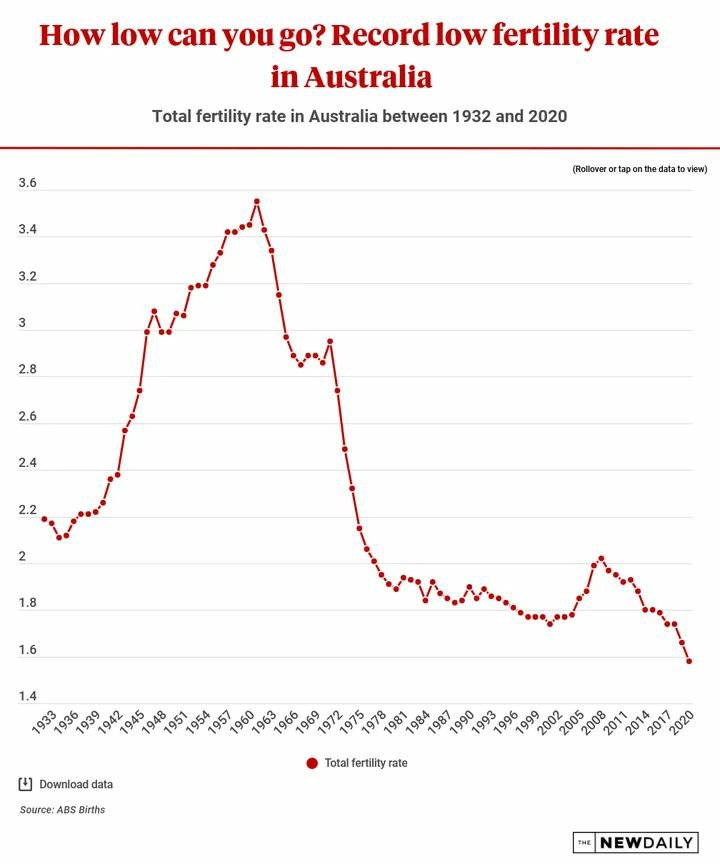
Australian fertility
17 Apr 2022 Leave a comment
in population economics Tags: Australia, economics of fertility


Recent Comments