Claudia Goldin with Kiana Scott: The Century-Long Fight to Close the Gen…
31 Oct 2023 Leave a comment
in applied price theory, comparative institutional analysis, discrimination, economic history, economics of information, gender, health and safety, history of economic thought, human capital, labour economics, labour supply, occupational choice, poverty and inequality Tags: gender wage gap, sex discrimination
Sowell Exposes Social Justice Fallacies
27 Oct 2023 Leave a comment
in applied price theory, applied welfare economics, discrimination, economic history, economics of crime, gender, history of economic thought, human capital, labour economics, labour supply, law and economics, occupational choice, politics - USA, poverty and inequality, Thomas Sowell, urban economics Tags: gender wage gap, racial discrimination, sex discrimination

Matthew Lau reviews Thomas Sowell’s latest book Social Justice Fallacies in a Financial Post article: No sacred cows in Thomas Sowell’s takedown of social justice fallacies. Excerpts in italics with my bolds and added images. In his latest book, renowned economist and author demolishes the myths that underpin the social justice movement. Thomas Sowell, age […]
Sowell Exposes Social Justice Fallacies
BRIAN EASTON: Claudia Goldin Wins The 2023 Nobel Economics Laureateship
24 Oct 2023 Leave a comment
in discrimination, economic history, gender, health and safety, history of economic thought, human capital, labour economics, labour supply, occupational choice, poverty and inequality Tags: gender wage gap, sex discrimination
Brian Easton writes – A woman who was once chief executive of New Zealand’s biggest company said ‘It is true that a large percentage of the [women’s pay] gap is unexplained and that’s where the issue comes about; could it be bias even if that’s unconscious bias? Regardless of how we’ve got a gap … […]
BRIAN EASTON: Claudia Goldin Wins The 2023 Nobel Economics Laureateship
Understanding Gender Economics
11 Oct 2023 Leave a comment
in discrimination, economics of education, gender, human capital, labour economics, labour supply, occupational choice Tags: gender wage gap, sex discrimination

I’ve written several times about the issue of the gender pay gap, mostly to point out that our friends on the left are wrong when they assert that there is pervasive and significant sex discrimination in wage levels. When debating this issue, the first thing I ask people is whether businesses want to maximize profits. […]
Understanding Gender Economics
No post-MBA gender gap, but after ten years…
10 Oct 2023 Leave a comment
in discrimination, gender, human capital, labour economics, labour supply, occupational choice Tags: gender wage gap, sex discrimination
WSJ on why Claudia Golden deserves the Econ Nobel prize: For M.B.A. students who graduated from the University of Chicago’s business school between 1990 and 2006, the authors found almost no gender gap in employment or wages just after graduation. But 10 years later, women had taken an average of one year off from work,…
No post-MBA gender gap, but after ten years…
Women Working: What’s the Pill Got to Do With It?
10 Oct 2023 Leave a comment
in applied price theory, discrimination, econometerics, economic history, gender, health economics, human capital, labour economics, labour supply, occupational choice Tags: economics of fertility, gender wage gap, sex discrimination
“She was a detective. She has inspired many researchers to study these questions
09 Oct 2023 Leave a comment
in applied price theory, discrimination, econometerics, economic history, gender, history of economic thought, human capital, labour economics, labour supply, occupational choice Tags: gender wage gap, sex discrimination
Claudia Goldin | Women in Economics
09 Oct 2023 Leave a comment
in applied price theory, discrimination, econometerics, economic history, gender, history of economic thought, human capital, labour economics, labour supply, occupational choice, poverty and inequality Tags: gender wage gap, sex discrimination
Claudia Goldin – Why Women Won
09 Oct 2023 Leave a comment
in discrimination, economic history, gender, human capital, labour economics, labour supply, occupational choice Tags: gender wage gap, sex discrimination
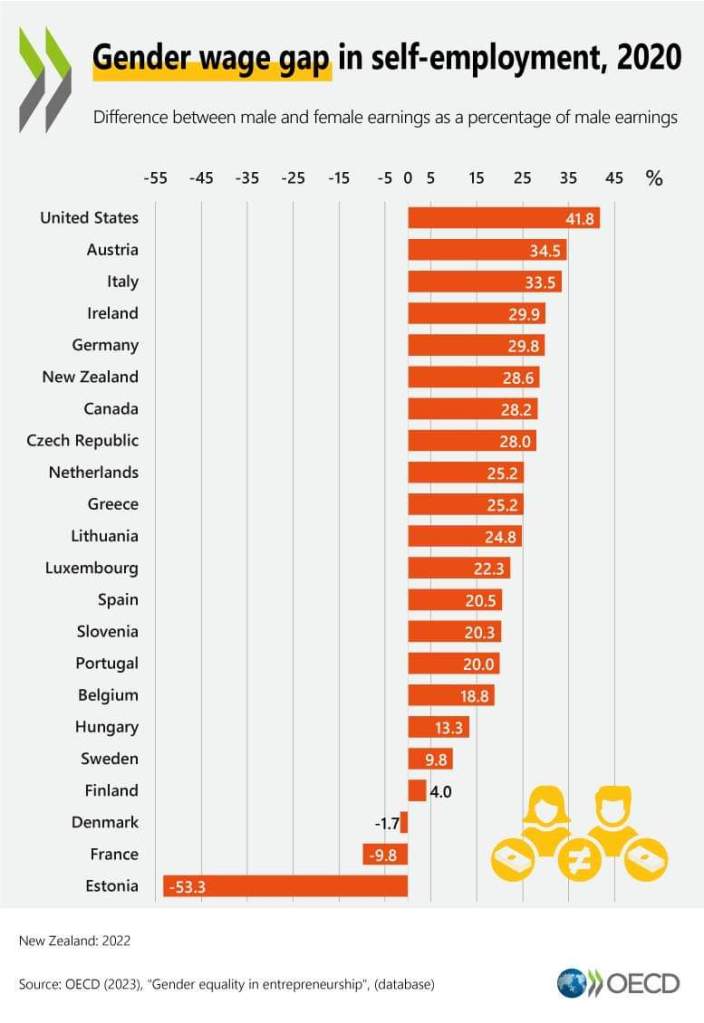
More gender gaps
28 Mar 2023 Leave a comment
in discrimination, economics of crime, economics of education, gender, health and safety, human capital, labour economics, labour supply, law and economics, occupational choice Tags: gender wage gap, law and order, sex discrimination
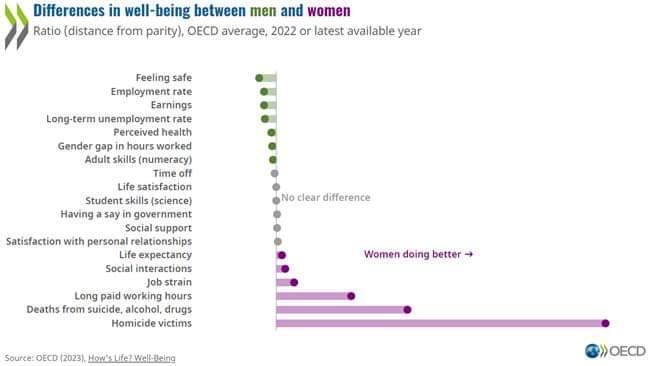
Tyler on Feminism: My Reply
29 Jan 2023 Leave a comment
in applied price theory, comparative institutional analysis, discrimination, economic history, economics of education, gender, health and safety, human capital, labour economics, labour supply, minimum wage, occupational choice, poverty and inequality Tags: gender wage gap
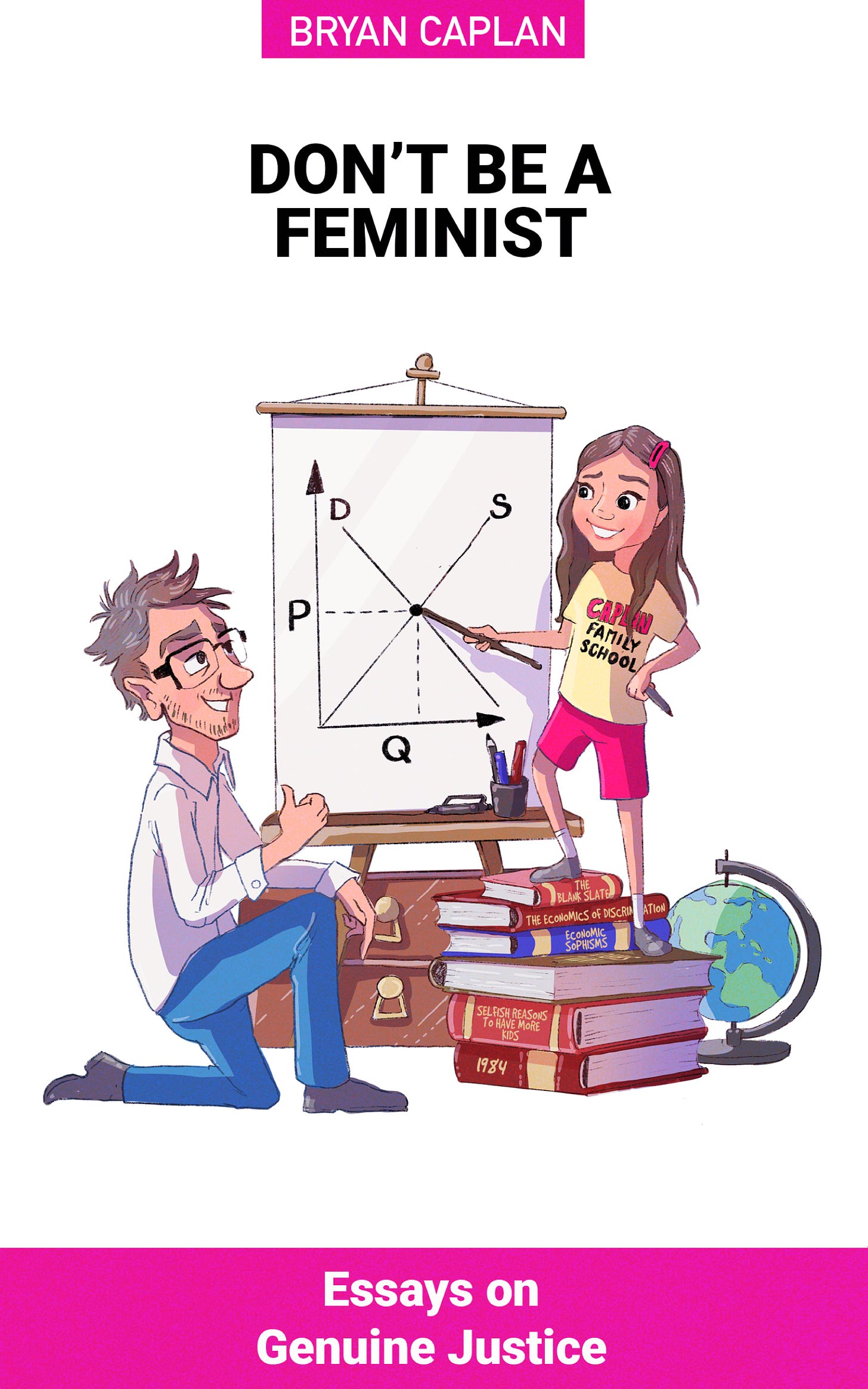
Last week, Tyler Cowen partially critiqued my new Don’t Be a Feminist: Essays on Genuine Justice. Here’s my reply, point-by-point. He’s in blockquotes; I’m not. 1,302 more words
Tyler on Feminism: My Reply
Aaronson on Feminism: My Reply
26 Jan 2023 Leave a comment
in applied price theory, applied welfare economics, comparative institutional analysis, discrimination, economics of education, gender, health and safety, human capital, labour economics, labour supply, minimum wage, occupational choice, occupational regulation, poverty and inequality, welfare reform Tags: gender wage gap
Here’s my point-by-point reply to Scott Aaronson’s thoughts on Don’t Be a Feminist. He’s in blockquotes, I’m not. Hi Bryan, Sorry for the delay! I just finished reading your book. 1,251 more words
Aaronson on Feminism: My Reply
*Don’t Be a Feminist*: The Aaronson Critique
24 Jan 2023 Leave a comment
in applied price theory, applied welfare economics, comparative institutional analysis, discrimination, economics of education, gender, human capital, labour economics, labour supply, occupational choice, occupational regulation, poverty and inequality Tags: gender wage gap
When misfortune strikes close to home, I try to avoid letting it cloud my judgment. Perhaps my family and friends are unrepresentative or unlucky. The fact that they suffer from Problem X does not show that Problem X is in fact important. 824 more words
*Don’t Be a Feminist*: The Aaronson Critique
Don’t Be a Feminist: The Montz Interview
17 Jan 2023 Leave a comment
in discrimination, economics of crime, economics of education, gender, human capital, labour economics, labour supply, law and economics, occupational choice, poverty and inequality Tags: gender wage gap
Here’s another outstanding Rob Montz production, a wide-ranging interview on feminism, academia, and more. Granted, the video’s title (“Don’t Let Your Daughter Be a Feminist”) is a bit weird, because no one can actually withhold permission from anyone to believe an idea. 92 more words
Don’t Be a Feminist: The Montz Interview
 Utopia, you are standing in it!
Recent Comments