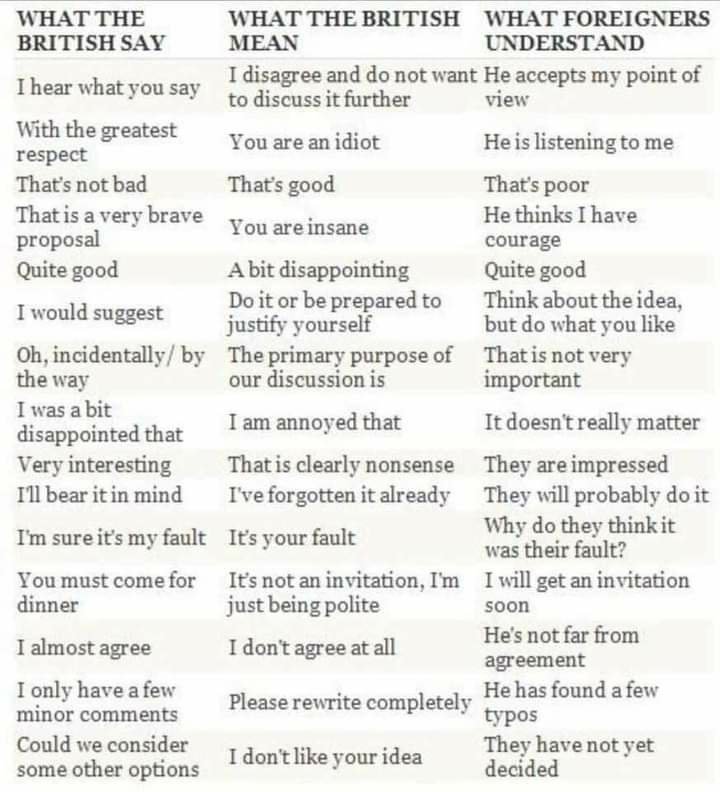
British English
14 Feb 2021 Leave a comment
in economics of education, economics of media and culture Tags: economics of languages, network goods
The Gaelic Language | David Mitchell’s SoapBox
27 Sep 2020 Leave a comment
in economics of education, economics of media and culture, politics - New Zealand Tags: economics of languages, network goods
Maori, past and present, on the indigenous language wage premium
19 Dec 2019 Leave a comment
in economic history, economics of education, human capital, labour economics, labour supply, politics - New Zealand, poverty and inequality, Public Choice Tags: economics of languages, Maori economic development, network goods

Why Computers Suck At Translation
02 Sep 2019 Leave a comment
in economics of education, economics of information, economics of media and culture Tags: evonomics of languages, network goods
Compulsory Te Reo Māori betrays those @nzlabour represents @jacindaardern @AndrewLittleMP
09 Jul 2016 Leave a comment
in economics of education, politics - New Zealand Tags: economics of languages, expressive voting, network goods, New Zealand Labour Party
This policy of Labour of making Te Reo Māori compulsory in primary school and perhaps high school is reckless and betrays those for whom Labour claims to speak.
I must first declare a bias. I struggled to pass high school English. I never scored a single mark in a phonetics test – zero every time. I was hopeless at learning Japanese. I was wise enough to resist encouragement for my dear departed mother to enrol in French classes. I had no wish to be the class dunce in French.
The only reason I went to university was Mr. Carney in the first week of grade 7 noticed that I was in the level II classes for English and social science. As all my brothers and sisters topped the school or near enough, he assumed I was hiding my light under a bushel. He promoted me to the level III classes, which put me in the stream to matriculation colleges and therefore university.
Imagine how much I would have hated study if I was required to learn a language other than English when I was struggling terribly to learn English. I am still a bad speller. I leave it to the reader to judge my grammar. Who wants to be the class dunce in both English and French?
Requiring students of modest academic ability to acquire a 2nd language when they may not be doing well in mastering the basics is playing with their lives as though they were little toys.
Learning another language is not a priority for the Pākehā children nor Māori mokupuna when you consider the poor literacy rates among Māori, Pasifika and some Pākehā.

Source: Literacy skills of young adult New Zealanders | Education Counts.
60%of Pākehā are above the minimum level of competence to meet the prose literacy requirements of a knowledge society. This contrasts with the majority of Māori and Pasifika who are below the minimum level of competence.
Requiring children who do not have an aptitude for language or school in general to learn a language will reinforce in those who are not doing well that they are not very smart. This will give them more reasons to hate school and leave as soon as possible and never go back.

Source: Literacy skills of young adult New Zealanders | Education Counts.
Taking student learning time away from basic literacy skills will do little for a Māori economic development. This is because this taking of student learning time away from literacy and basic education will slow the closing of income gaps between Māori and others.
The key to helping children who do not have an aptitude to succeed at school is to find subjects where they do do well so they can get a good start to life. If students are not good at academic subjects, requiring them to do more academic studies such as study a language is fool-hardy.
Learning Te Reo Māori will not help children in their other subjects. The psychology of the transfer of learning was founded 100 years ago to explore the hypothesis that learning Latin gave the student muscle to learn other subjects, both other languages and generally learn faster.
Educational psychologists found that Latin does not help much in studying other languages and other subjects. No significant differences were found in deductive and inductive reasoning or text comprehension among students with 4 years of Latin, 2 years of Latin or no Latin at all.
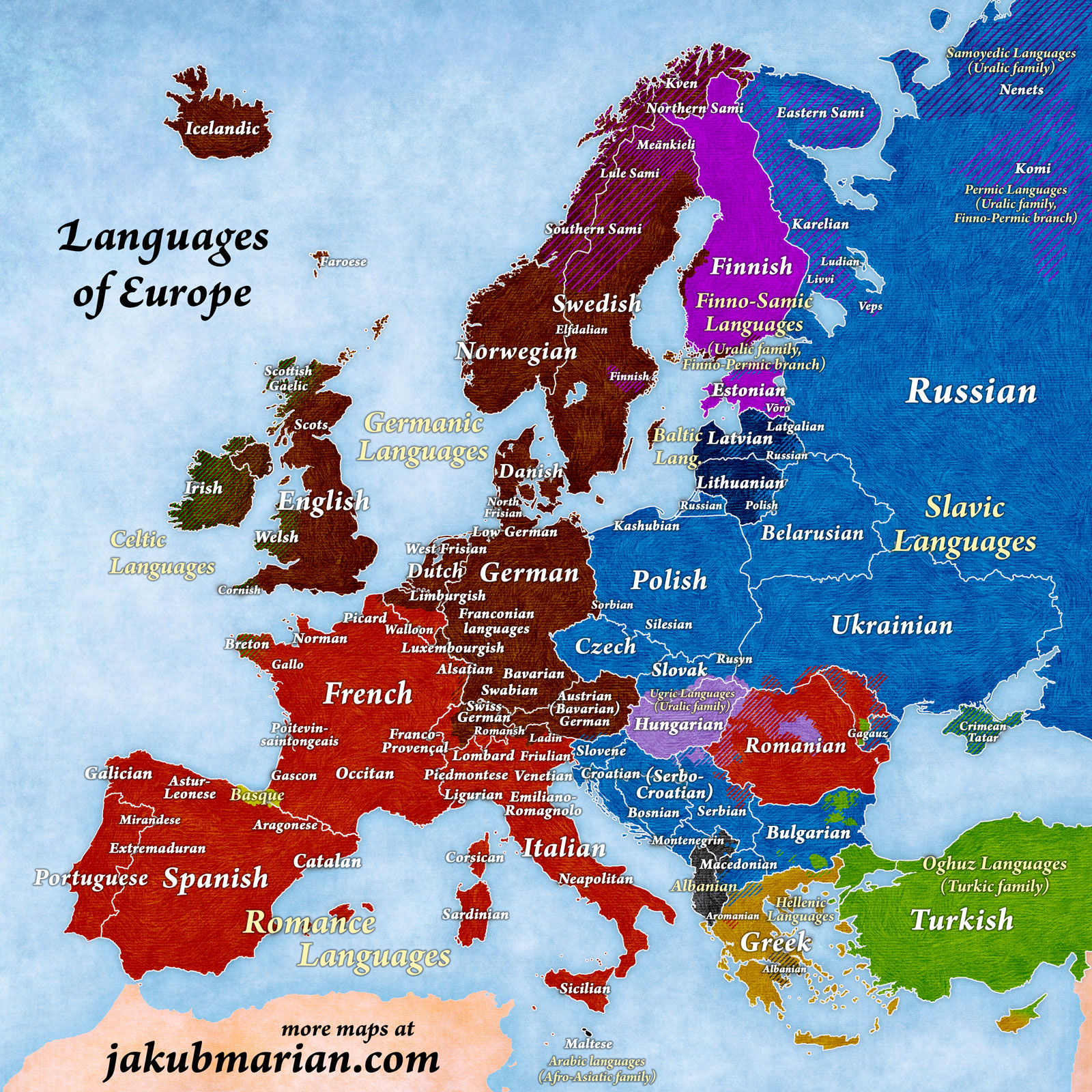
The languages of Europe
26 Jun 2016 Leave a comment
in economics of media and culture Tags: economics of languages, Europe, network goods
A Brief Case Study on the Finnish Language
21 Jun 2016 Leave a comment
in applied price theory Tags: economics of languages, Finland, network goods
Why the British and Americans have different accents?
19 Jun 2016 Leave a comment
in economic history Tags: economics of languages, network goods
World map by percentage of french speakers
10 Jun 2016 Leave a comment
in economic history Tags: economics of languages, France, network goods
#Bikes at night (in the rain) certainly must go
01 Jun 2016 1 Comment
in transport economics Tags: bicycles, club goods, network goods, road safety
 In heavy rain last night, the bike ahead of us with no lights decided to merge into the blind-spot of another car also merging into the central lane. He lived through no good management of his own.
This bicyclist with no lights then joined a pack of three others to slow the traffic down behind them. Only one of the four bicyclists had any lighting or reflective material at all.
They moved in a pack, so the cars including ours could not get around them because the traffic was heavy. Fortunately, the street was well lit so you could see them, just. Bikes must go.
Who said mobile phone networks were not contestable?
31 May 2016 Leave a comment
in industrial organisation, politics - New Zealand, survivor principle, technological progress Tags: anti-trust economics, barriers to entry, competition law, creative destruction, network goods, The meaning of competition

Source: New Zealand Commerce Commission.

Anglo-Dutch translation guide
30 Oct 2015 Leave a comment
in economics of media and culture Tags: economics of languages, network goods
If you've ever wondered how to say "This is crap" in different cultures, read this: s.hbr.org/1VV0YI7 http://t.co/vnkywLE4R5—
Harvard Biz Review (@HarvardBiz) October 16, 2015
Twitter and the fraying of civilisation
16 Oct 2015 Leave a comment
in economics of education, economics of media and culture Tags: economics of language, network goods, Twitter
The original definition of egregious
15 Sep 2015 Leave a comment
in economic history, economics of media and culture Tags: economics of language, network goods
The original definition of "egregious" was "remarkably good." Literally. http://t.co/r8lUkG7NAs—
Lisa Wade, PhD (@lisawade) April 16, 2015
 Utopia, you are standing in it!
Recent Comments