His famous 1968 book, “The Population Bomb,” changed the world. He famously predicted that human “overpopulation” would soon outstrip food supplies, leading to catastrophic famines, and societal collapse. He predicted that hundreds of millions of people would starve to death in the 1970s and 1980s, that India would be unable to feed its population by 1980, and…
‘Ever-wrong Ehrlich’s’ Greatest Hits (er, misses)
‘Ever-wrong Ehrlich’s’ Greatest Hits (er, misses)
18 Mar 2026 Leave a comment
in development economics, economic history, environmentalism, growth disasters, growth miracles, labour economics, labour supply, population economics Tags: pessimism bias, population bomb, population bust
How to Kill a Country
04 Dec 2023 Leave a comment
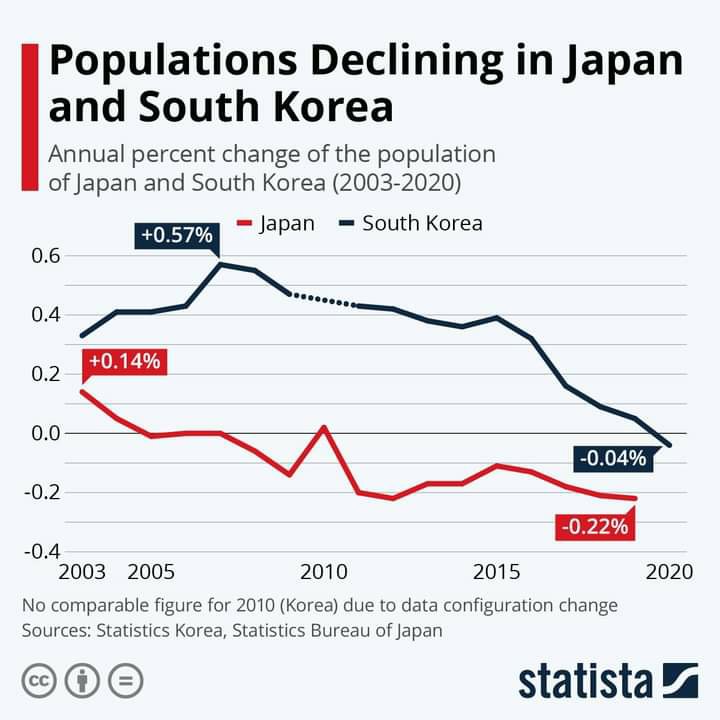
in development economics, growth miracles, labour economics, public economics, urban economics Tags: ageing society, economics of fertility, population bomb, South Korea
Much of Seoul is a sea of high-rises. And not just Seoul: Busan and other cities in South Korea have lots of high rises. More than half of all South Korean households live in high rises, and well over 60 percent live in some kind of multifamily housing. Seoul: High … Continue reading →
How to Kill a Country
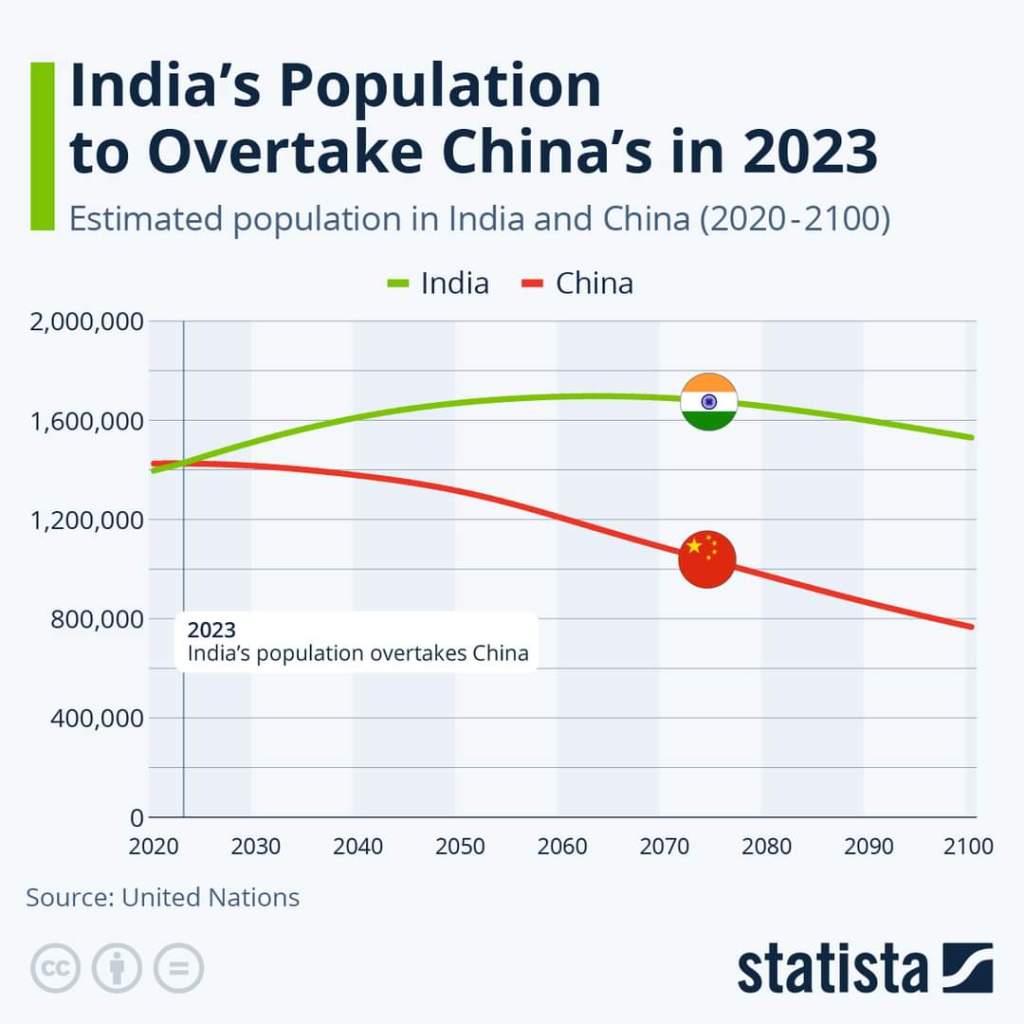
Population bombs
07 Feb 2023 Leave a comment
in development economics, economic history, labour economics, labour supply, population economics Tags: ageing population, China, India, population bomb, The fatal conceit
fb://photo/5756323937813370?set=a.168793176566502&sfnsn=mo&mibextid=6aamW6
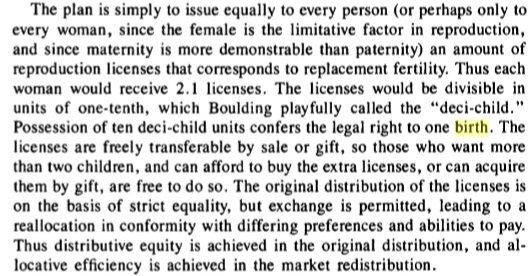
What is ecological economics’ BIRTH CREDITs? What does BIRTH CREDIT mean?
06 Oct 2020 Leave a comment
in applied price theory, economics of crime, economics of love and marriage, labour economics, labour supply, law and economics, population economics Tags: ageing society, cranks, population bomb
Overpopulation is back in the news
24 Jan 2020 Leave a comment
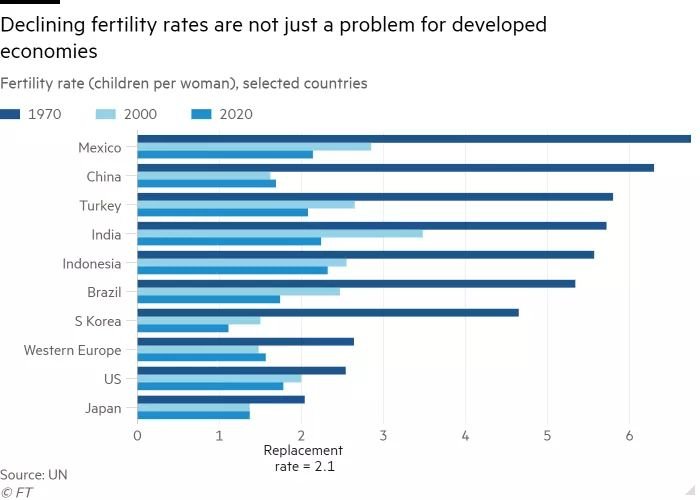
in development economics, economic growth, economic history, economics of love and marriage, growth disasters, growth miracles, health economics, labour economics, labour supply, macroeconomics, population economics, Public Choice, urban economics Tags: ageing society, economics of fertility, population bomb
Tradeable birth permits: ecological economics finest hour
30 Dec 2019 Leave a comment
in development economics, economics of love and marriage, law and economics, population economics Tags: ageing society, cranks, pessimism bias, population bomb
The Population Bomb? | Retro Report | @nytimes @EricCrampton @_jamiewhyte
19 Aug 2018 Leave a comment
in applied price theory, development economics, economic history, economics of bureaucracy, growth disasters, growth miracles, health economics, population economics, Public Choice, urban economics Tags: ageing society, baby bust, child mortality, population bomb, The Great Escape
Paul Ehrlich really has lost touch with reality
24 Apr 2018 Leave a comment
in development economics, energy economics, environmental economics, environmentalism, growth miracles, health economics, population economics Tags: cranks, pessimism bias, population bomb
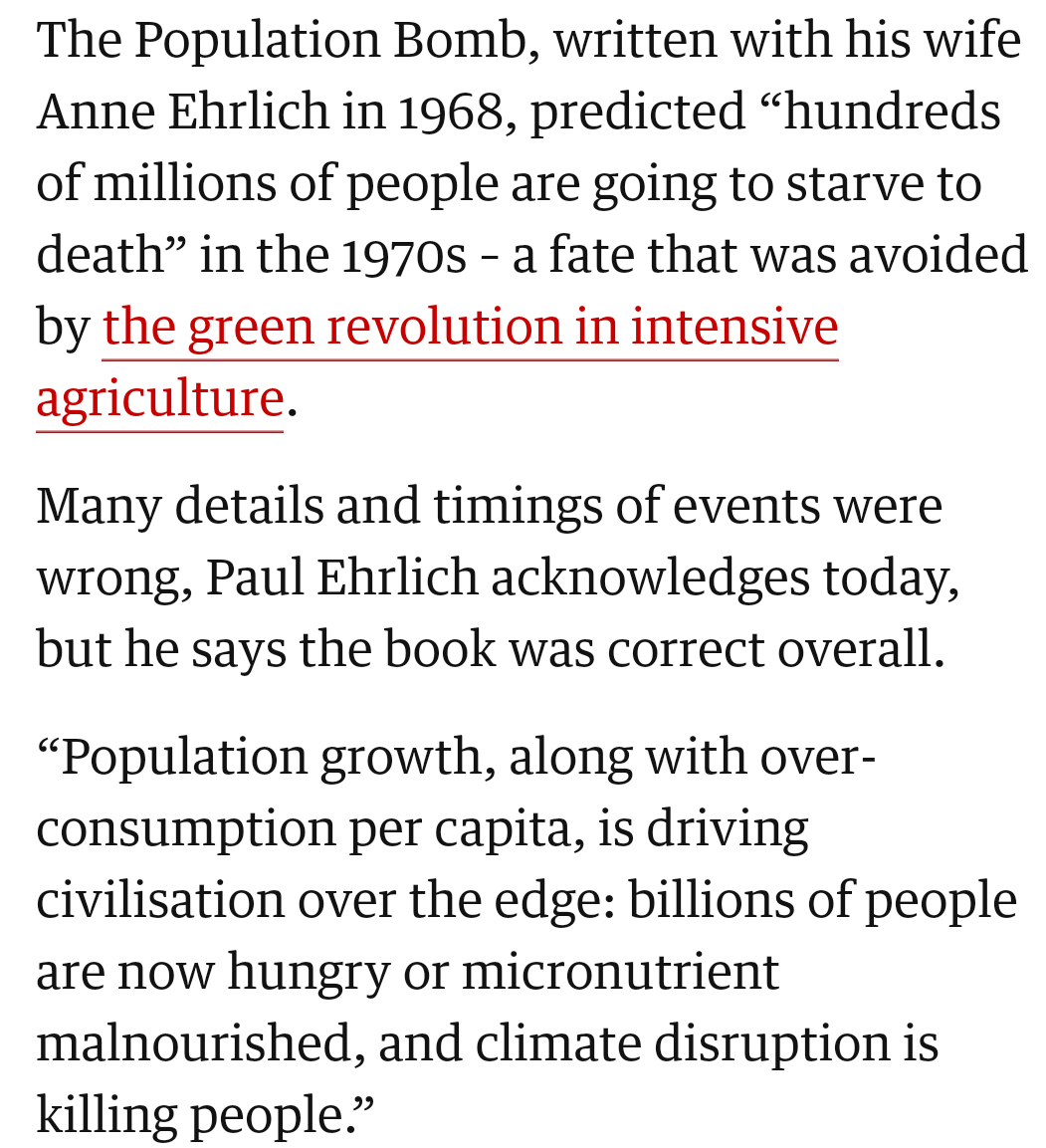
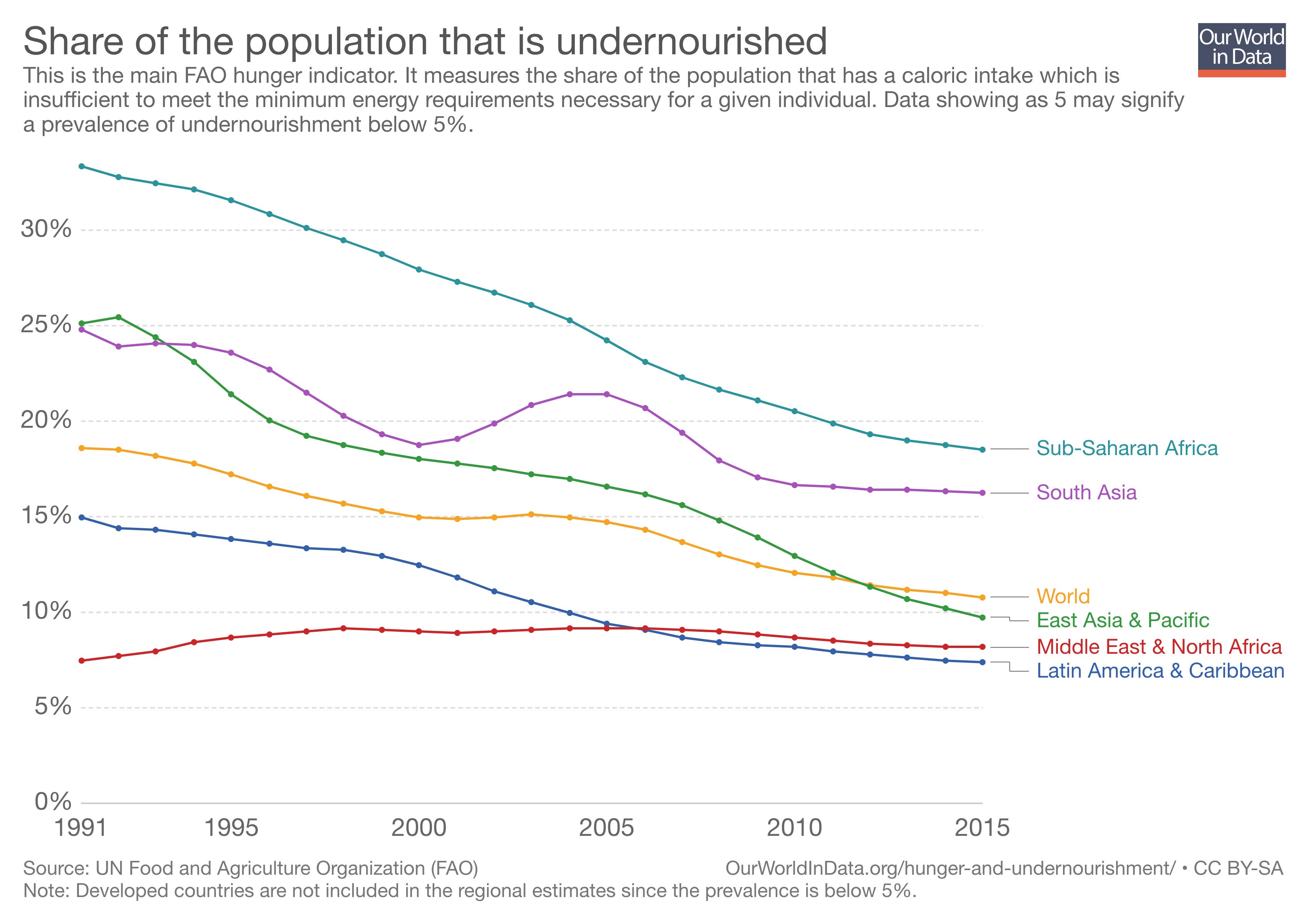
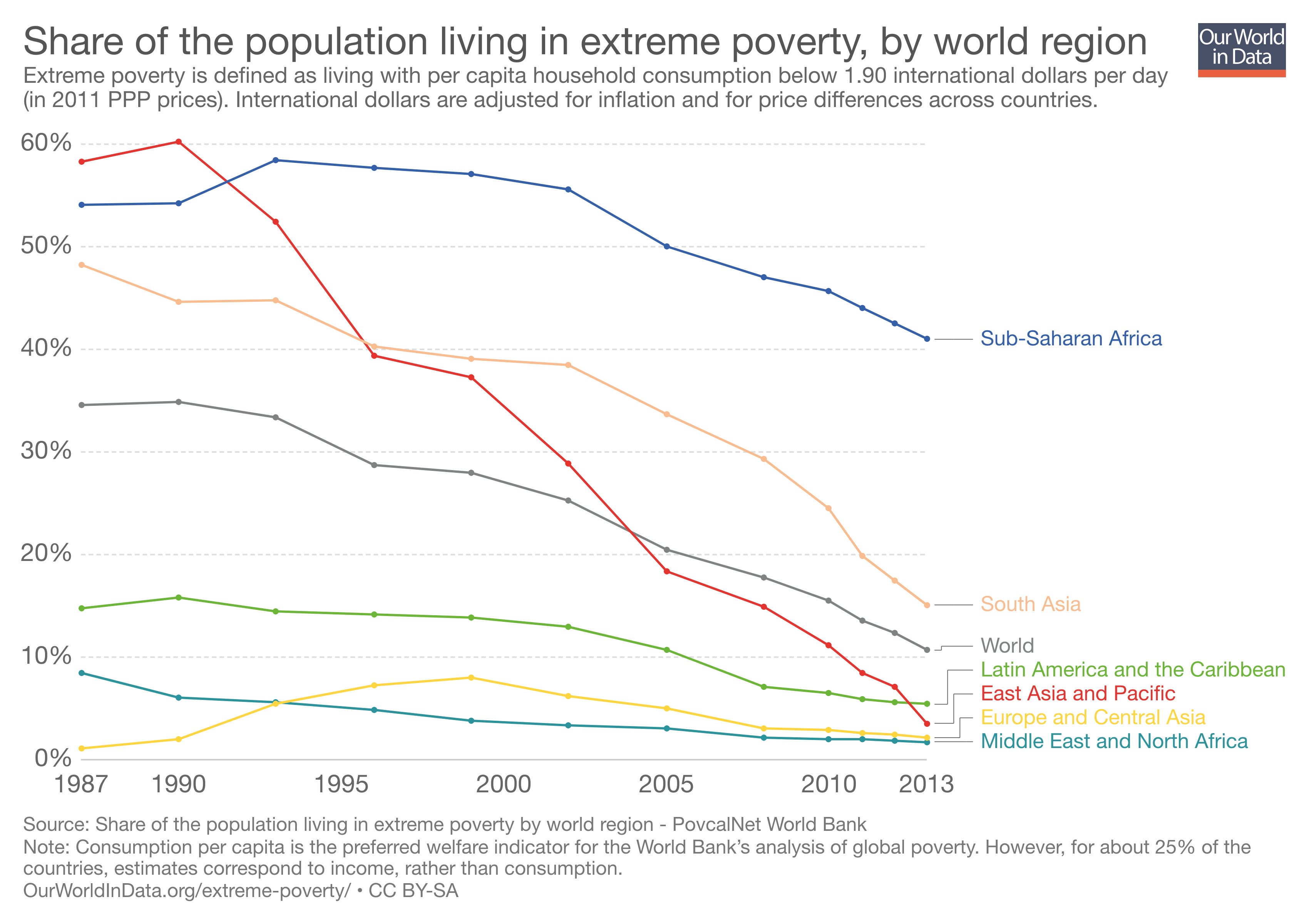
We’re All Gonna Starve!
12 Mar 2018 Leave a comment
in development economics, economic history, entrepreneurship, growth miracles, health economics, population economics Tags: agricultural economics, green revolution, India, pessimism bias, population bomb

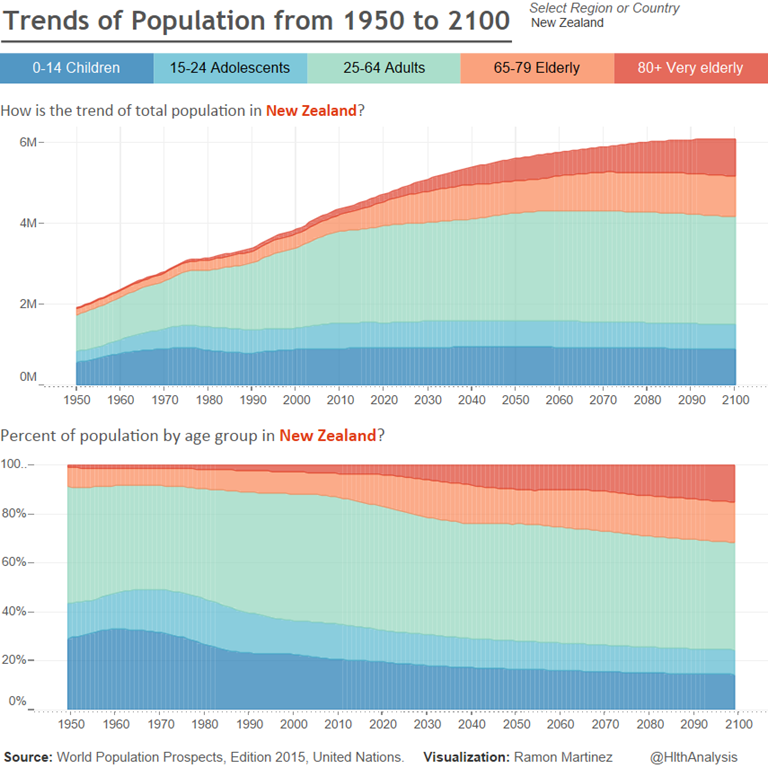
New Zealand population trends, 1950-2100
30 May 2016 Leave a comment
in labour economics, labour supply, population economics Tags: ageing society, demographic crisis, labour demographics, population bomb, Population demographics
Will the population bomb prevent the great stagnation?
16 Apr 2016 Leave a comment
in applied price theory, development economics, economic growth, industrial organisation, P.T. Bauer, population economics Tags: doomsday prophecies, endogenous growth theory, pessimism bias, population bomb

If only Paul Ehrlich had been right! Population explosion would have meant an explosion in people who could invent new technologies and populate in much larger markets to provide an incentive to invent new products.

Among Paul Ehrlich’s many analytical errors, he did not take into account that more people meant more inventors and more untapped markets.
Jones argued that in the very long run the only way to have further innovation is to have more people. If there are more people undertaking R&D and more people to populate the markets for those inventions, there will be further growth because the decreasing returns to knowledge creation will be overcome by having more R&D workers.
Jones attributes much of the growth in the 20th century to one-off effects that cannot be repeated such as putting more people into higher education:
… growth in educational attainment, developed-economy R&D intensity, and population are all likely to be slower in the future than in the past. These factors point to slower growth in US living standards.
Second, a counterbalancing factor is the rise of China, India, and other emerging economies, which likely implies rapid growth in world researchers for at least the next several decades.
Third, and more speculatively, the shape of the idea production function introduces a fundamental uncertainty into the future of growth. For example, the possibility that artificial intelligence will allow machines to replace workers to some extent could lead to higher growth in the future.
A larger population increases the rate of technological progress by increasing the number of geniuses and other creative people.The doomsday prophecies about the population bomb never took that into account. That is why they are wrong.
 Utopia, you are standing in it!
Recent Comments