
Democracy and Political Ignorance: Why Smaller Government Is Smarter
11 Jun 2016 Leave a comment
in applied price theory, applied welfare economics, comparative institutional analysis, constitutional political economy, economics, economics of information, income redistribution, Public Choice, public economics, rentseeking Tags: rational ignorance, rational irrationality, voter demographics
#feelthebern will raise your taxes
09 Jun 2016 Leave a comment
in applied price theory, applied welfare economics, economics, entrepreneurship, health economics, labour economics, minimum wage, politics - USA, public economics Tags: 2016 presidential election, antimarket bias, expressive voting, living wage, Old Left, pessimism bias, rational irrationality
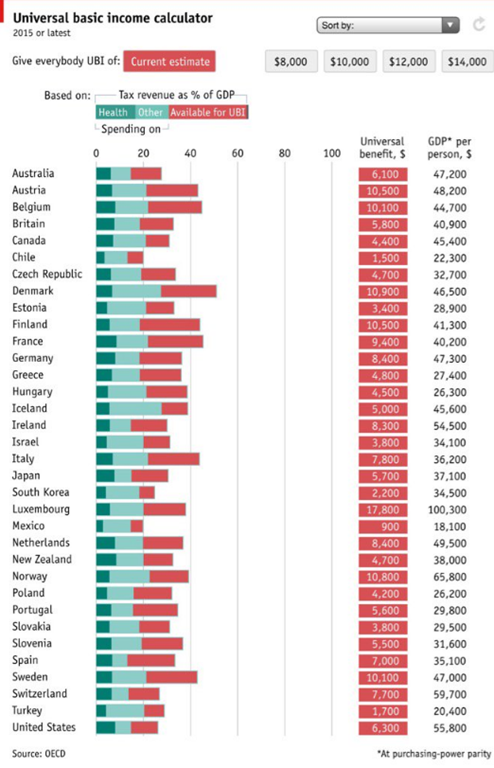
NZ #UBI can be only $4,700 @JordNZ @GrantRobertson1 @GeoffSimmonz
04 Jun 2016 Leave a comment
in labour economics, labour supply, politics - New Zealand, poverty and inequality Tags: expressive voting, growth of government, New Zealand Labor Party, rational irrationality, size of government, social insurance, universal basic income, welfare state
A universal basic income in New Zealand will have to be financed by a great big new tax because the existing ones are not enough according to the Economist calculations below.
HT: Paul Kerby.
Coal is the best resource we have in the fight to end poverty
04 Jun 2016 Leave a comment
in development economics, economic history, energy economics, environmental economics, global warming, growth disasters, growth miracles Tags: coal prices, rational irrationality, The Great Escape
$5.2 billion in rail spending since 2003 budget @JulieAnneGenter @JordNZ
02 Jun 2016 Leave a comment
in politics - New Zealand, transport economics Tags: celebrity technologies, expressive voting, KiwiRail, network economics, picking losers, picking winners, rational irrationality, urban transport
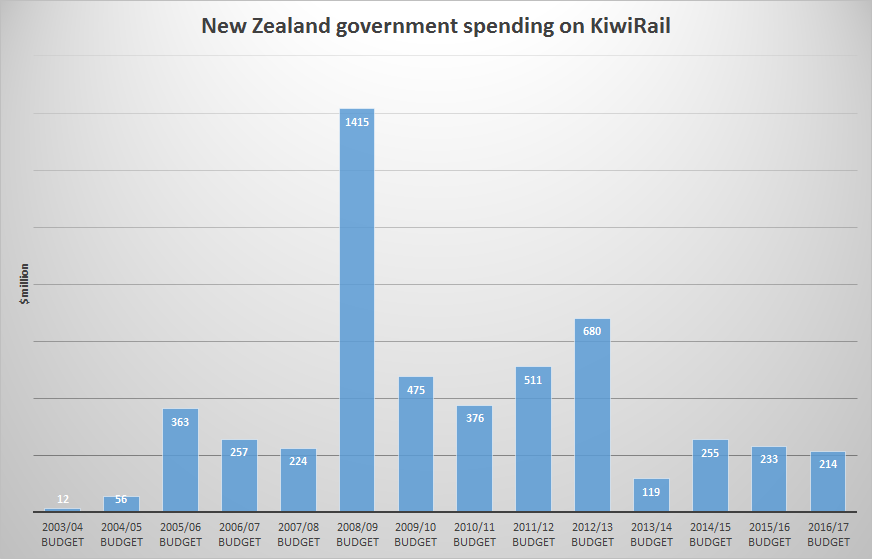
$5.2 billion in rail spending since the 2003 budget! This $5.2 billion does not include any spending on urban rail, commuter train networks or their electrification. The $5.2 billion since the 2003 budget is for the passenger and freight network, not the urban metro contracts
Source: New Zealand Budget Papers, various years.
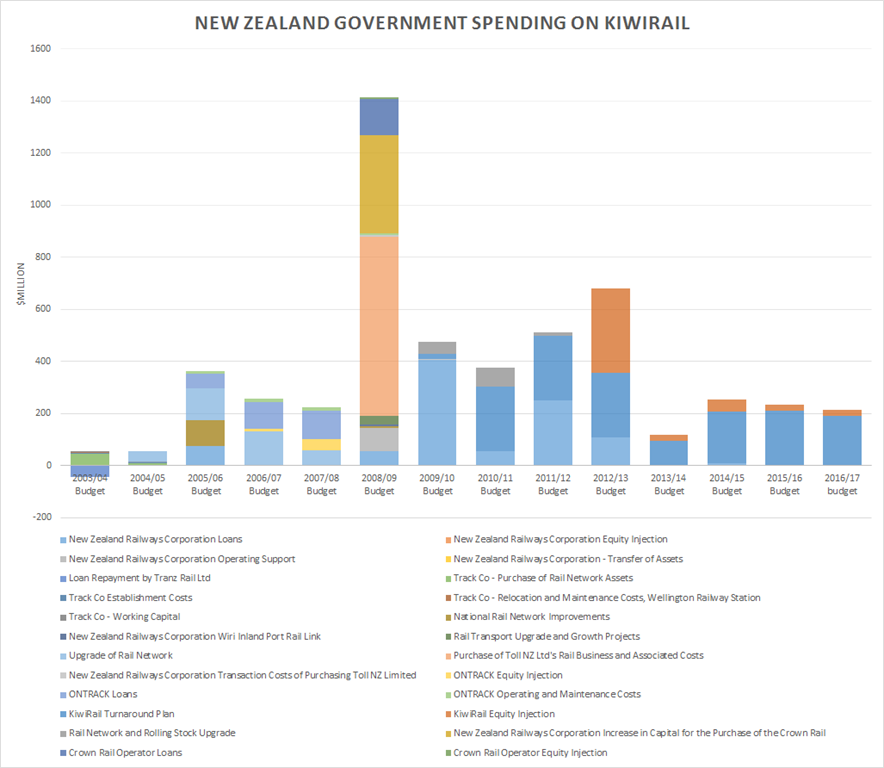
Desperately waiting for that dividend the taxpayers lose if any of these assets are privatised. The spending listed below in the two charts includes loans, capital injections and the purchase of the track and of the train operator itself. The latter was purchased for $690 million which was soon written down to zero.
Source: New Zealand Budget Papers, various years.
There is no table because the table format breaks down when blogged.
At various times, OnTrack and KiwiRail was subsidiaries of the New Zealand Railways Corporation, which was the holding company. Now OnTrack is a division of KiwiRail.
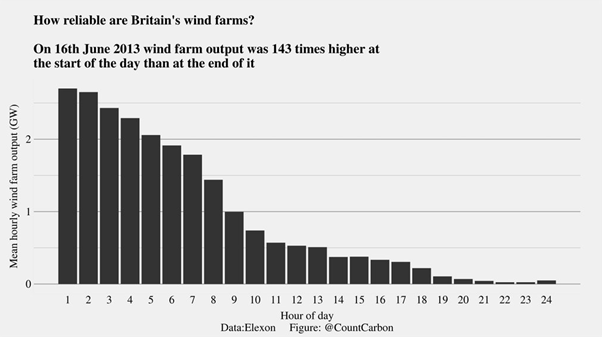
No @sarahinthesen8 this is not acceptable. Stopping the boats saved hundreds of lives
30 May 2016 Leave a comment
in Economics of international refugee law, international economic law, International law, labour economics, politics - Australia Tags: Australian Greens, avoiding difficult choices, economics of immigration, Leftover Left, rational irrationality
People who enter illegally by boat do not increase the number of refugees of Australia admits in any one year. They change who was granted asylum within the same fixed quota. Increasing the quota will not change incentives for illegal entry if illegal entry allows for settlement in Australia.
How Do We Make Society Better? Left vs. Right
29 May 2016 Leave a comment
in applied price theory, applied welfare economics, economics of media and culture Tags: expressive voting, rational irrationality
Price Plays an Important Role in Smoking
26 May 2016 Leave a comment
in applied price theory, health economics Tags: Ban-it left, economics of smoking, metals and preferences, nanny state, rational addiction, rational irrationality, tobacco taxation
Different forms of tobacco were tax differently in the USA from 2009. Tobacco taxation is the only time that the Ban-it Left left believes in supply-side economics and the economics of rational addiction.
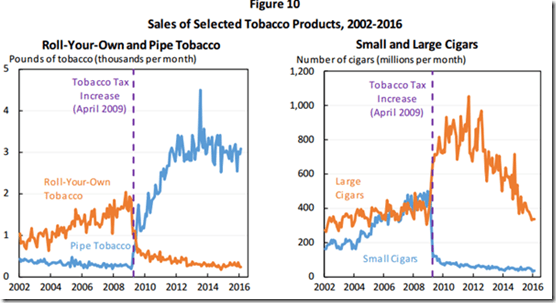
Source: Jason Furman speaking at the World Bank via Incentives in Action – Marginal REVOLUTION.
Bryan Bruce’s boy’s own memories of pre-neoliberal #NewZealand @Child_PovertyNZ
23 May 2016 Leave a comment
in applied welfare economics, comparative institutional analysis, economic history, economics of regulation, income redistribution, industrial organisation, politics - New Zealand, poverty and inequality, Public Choice, rentseeking Tags: child poverty, conspiracy theories, expressive voting, family poverty, Leftover Left, living standards, neoliberalism, Old Left, pessimism bias, rational irrationality, reactionary left, top 1%
New work by Chris Ball and John Creedy shows substantial *declines* in NZ inequality.
initiativeblog.com/2015/06/24/ine… http://t.co/f94fw4Bhae—
Eric Crampton (@EricCrampton) June 24, 2015
You really are still fighting the 1990 New Zealand general election if Max Rashbrooke makes more sense than you on the good old days before the virus of neoliberalism beset New Zealand from 1984 onwards.
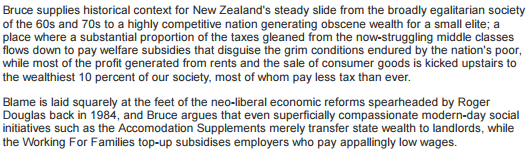
Source: Mind the Gap: Why most of us are poor | Stuff.co.nz.
Bryan Bruce in the caption looks upon the New Zealand of the 1960s and 70s as “broadly egalitarian”. Even Max Rashbrooke had to admit that was not so if you were Maori or female.
The present rate of technology adoption is nearly a vertical line —@blackrock https://t.co/3oS3YAI4ld—
Vala Afshar (@ValaAfshar) January 22, 2016
Maybe 65% of the population of those good old days before the virus of neoliberalism. were missing out on that broadly egalitarian society championed by Bryan Bruce.
As is typical for the embittered left, the reactionary left, gender analysis and the sociology of race is not for their memories of their good old days. New Zealand has the smallest gender wage gap of any of the industrialised countries.
The 20 years of wage stagnation that proceeded the passage of the Employment Contracts Act and the wages boom also goes down the reactionary left memory hole.
That wage stagnation in New Zealand in the 1970s and early 80s coincided with a decline in the incomes of the top 10%. When their income share started growing again, so did the wages of everybody after 20 years of stagnation. The top 10% in New Zealand managed to restore their income share of the early 1970s and indeed the 1960s. That it is hardly the rich getting richer.
#FightFor15 why not double everybody’s wage if it works for the minimum wage?
21 May 2016 Leave a comment
in applied price theory, labour economics, minimum wage, politics - USA, unemployment Tags: expressive loading, rational irrationality
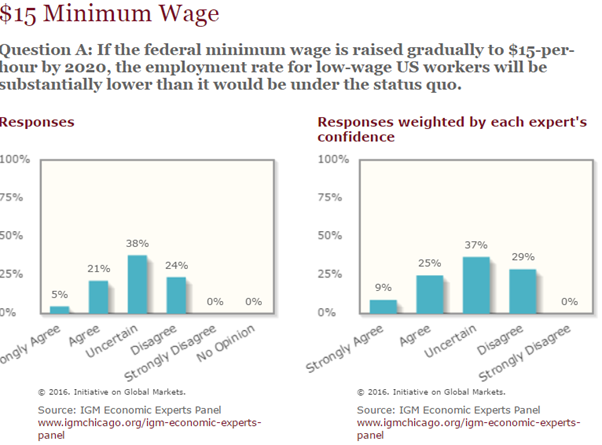
Source: Poll Results | IGM Forum.

 Utopia, you are standing in it!
Recent Comments