Iranian Women March Against Hijab and Islamic Laws – March 8, 1979
28 May 2017 Leave a comment
in economic history, liberalism Tags: Iran, political correctness, sex discrimination, The Age of Enlightenment, women's liberation
Sociologist documents what Gary Becker knew in 1957
12 May 2017 Leave a comment
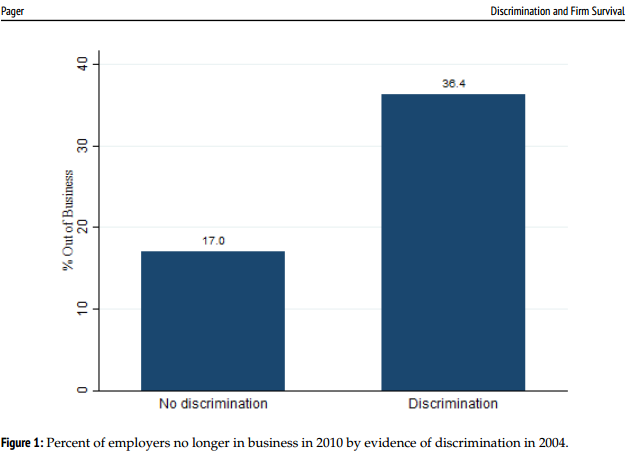
Source: Pager, Devah. 2016. “Are Firms that Discriminate More Likely to Go Out of Business?” Sociological Science (September):849-859. PDF
But @NZLabour must be guilty of racism if it uses its own evidence standards
03 May 2017 Leave a comment
in discrimination, gender, politics - New Zealand Tags: affirmative action, implicit bias, New Zealand Labour Party, political correctness, racial discrimination, racism, sex discrimination, sexism, unconscious bias
Prominent New Zealand Labour Party stalwart Sunny Kaushal has resigned from the Party amidst allegations of hostilities and bullying from Party Membership and Party Hierarchy.

With the growing use of arguments about unconscious bias, it is near impossible to rebut an accusation of racism.
Certainly, once the accusation is spit at you, the onus is on you to prove to a stranger who never met you before beyond reasonable doubt that you are not a racist. One misfortunate glance, a raised eyebrow, a jumbled sentence is enough to undo a life of principle
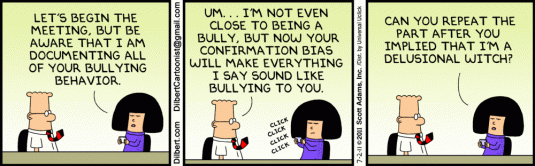
Unconscious bias is the main driver of the gender wage gap if my betters are to be believed. Why not racism? What is the view of the New Zealand Labour Party on unconscious bias in proving racial discrimination and pay inequity?
The Labour Party wants to reverse the onus of proof in sexual assault trials. Certainly these standards should filter down into civil proceedings and pub conversations.

The Labour Party must be a cauldron of sexism if the only way it can get gender balance in caucus is quotas. Why is racism not any less insidious within Labour decision-making than sexism?
Discrimination—a mountain of evidence and no solutions
08 Oct 2016 Leave a comment
in discrimination, economics, gender, labour economics Tags: racial discrimination, sex discrimination
Dissenting opinion in the Fourth Circuit case on transgender students and restrooms
02 Jun 2016 Leave a comment
in discrimination, gender, labour economics, liberalism Tags: moral panic, political correctness, sex discrimination, social friction, transgender people
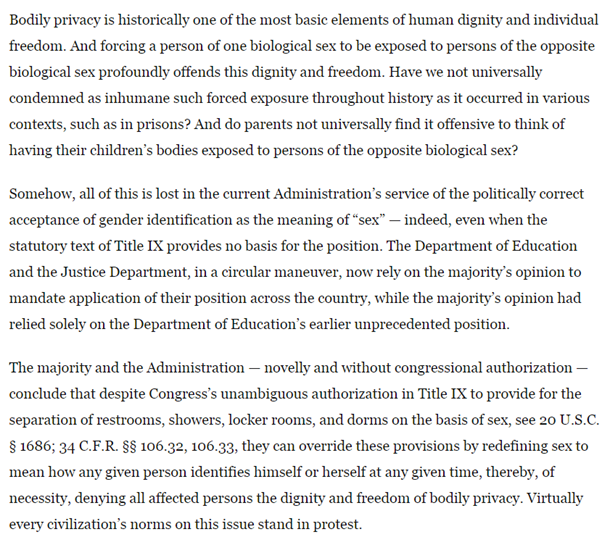
Until a few months ago, there is universal agreement particularly among women that men should not be allowed into female bathrooms and change rooms. There are relatively few transgender people according to New York at times estimates, and few had heard of them until recently to discriminate against them in long-standing bathroom arrangements.
This is not a case of sex discrimination. It is some people being rather unusual and not fitting into arrangements that suit everybody else. These arrangements regarding bathrooms, change rooms and privacy were crafted with absolutely no malice or hostility towards those who find them inconvenient such as transgender people. You just cannot please everybody.
There are certainly hostility and indeed violence against transgender people. That violence is by a minority full of hate looking for someone to hate on any criteria. There are some people are not nice and who take pleasure in being nasty and at times violent towards other people. That is separate from managing the long-standing human preference for bodily privacy.
Opposing discrimination is about telling people to stop being an arsehole. They have preferences about who they deal with that are appalling and mean. The segregation of bathrooms and changing rooms by sex is about a fundamental human desire for bodily privacy.
Screen actor demographics
07 Feb 2016 Leave a comment
in discrimination, gender, labour economics Tags: customer discrimination, employer discrimination, Hollywood economics, racial discrimination, sex discrimination
Pakistan’s first female truck driver
19 Sep 2015 Leave a comment
in development economics, discrimination, growth disasters, labour economics, occupational choice Tags: gender wage gap, Pakistan, sex discrimination
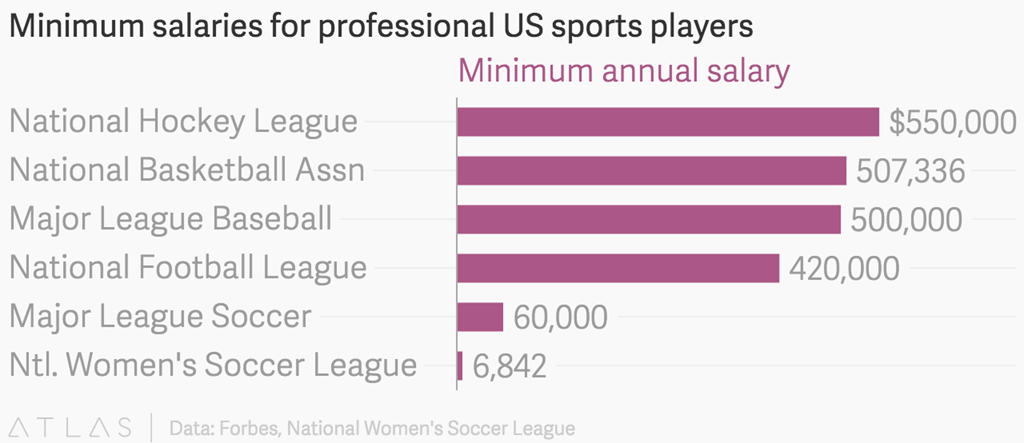
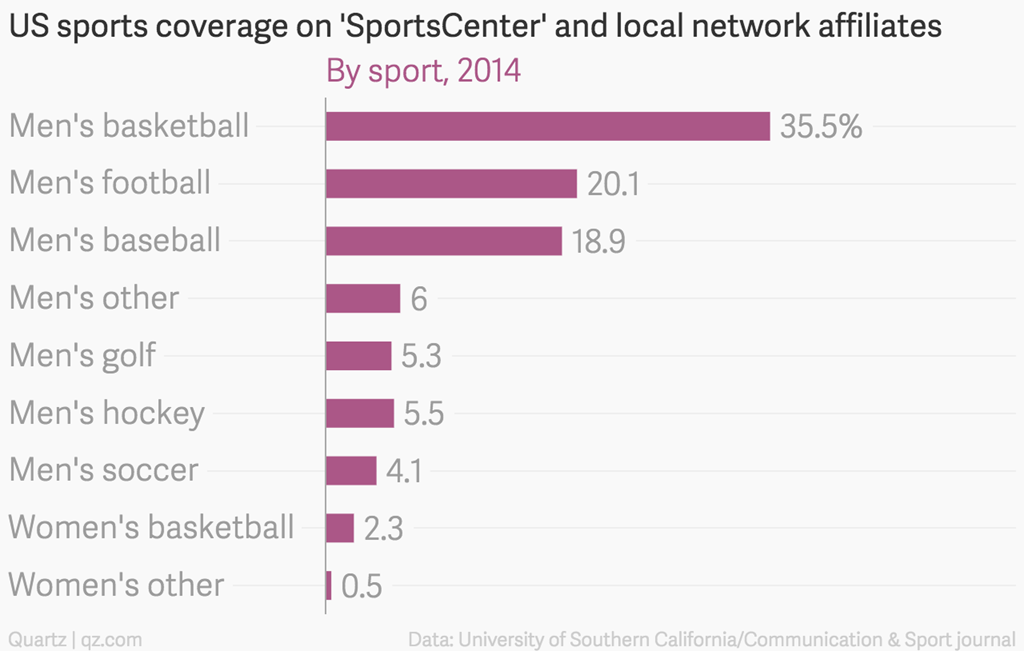
Minimum salaries of American professional sports players and media coverage
13 Jul 2015 Leave a comment
in applied price theory, discrimination, economics of media and culture, entrepreneurship, gender, industrial organisation, labour economics, occupational choice, sports economics, survivor principle Tags: gender wage gap, media bias, sex discrimination, superstar wages, superstars

The market erodes discrimination
01 Jun 2015 Leave a comment
in applied price theory, discrimination, economic history, entrepreneurship, international economics Tags: entrepreneurial alertness, racial discrimination, sex discrimination
Great excerpt on #immigration as #development from @bill_easterly's Tyranny of Experts @AlexNowrasteh @m_clem http://t.co/5eruOdEcGm—
David Bier (@myfreesociety) May 09, 2014
Why is the gender wage gap so big in the public sector that the unions invoiced the government for it?
12 May 2015 1 Comment
in discrimination, gender, human capital, labour economics, politics - New Zealand, unions Tags: employer discrimination, gender wage gap, gender wage gap discrimination, government discrimination, New Zealand Greens, sex discrimination
The unions representing public servants and the Green Party are very excited about the gender wage gap this week. So much so that the public service union presented the Treasury with an invoice for that wage gap in the public sector of 14.1%.
Women in the public service are paid 14.1% less than men. We've invoiced @honbillenglish for the missing $294,827,136 http://t.co/QW5z4tU7bv—
(@NZPSA) May 11, 2015
Oddly enough, despite their concerns with the gender wage gap in the public service, the public service unions are stridently against both privatisation and contracting out.
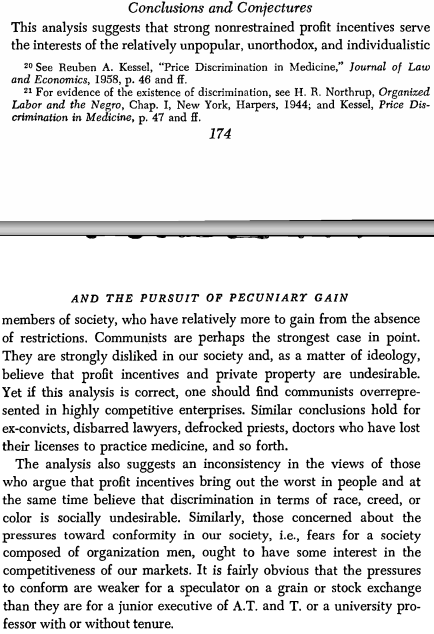
It is almost trite to note is that one of the earliest analytical results in the labour economics of discrimination was that profit maximising employers are much less likely to discriminate than firms that are not subject to a profit and loss constraint and the discipline of bankruptcy.
A prejudiced employer pays a wage above the competitive wage to attract the particular recruits he or she is prejudiced in favour of and does not hire enough workers because he must pay higher wages. This results in lower output and profits than without discrimination.
@greencatherine Unadjusted NZ gender pay gap is 6%, the best in world. http://t.co/2fYuVbJg9E—
Jim Rose (@JimRose69872629) March 19, 2015
Bureaucrats can indulge their prejudices without putting the survival of their business in jeopardy. Entrepreneurs who don’t hire on merit risk running out of going out of business because their costs are hire and their businesses less productive.
…market mechanisms impose inescapable penalties on profits whenever for-profit enterprises discriminate against individuals on any basis other than productivity. Though bigoted managers may hold sway for a time, in the long run the profit penalty makes profit-seeking enterprises tenacious champions of fair treatment.
Early examples of the greater propensity for discrimination in the public sector and non-profit organisations are by Armen Alchian and Ruben Kessel in Competition, Monopoly, and the Pursuit of Money in 1962 and Gary Becker’s pioneering The Economics of Discrimination in 1957.
Labour stays silent over gender segregation at party rally
05 May 2015 Leave a comment
in discrimination, election campaigns, gender Tags: British general election, Left-wing hypocrisy, sex discrimination, UK politics
Labour stays silent over gender segregation at party rally specc.ie/1QcJHJf via @spectator http://t.co/Qs2FZV9Z7e—
Steerpike (@MrSteerpike) May 03, 2015
Up to a thousand expected at the great Labour Rally tomorrow at 4.00 being organised by @ansar_ali_khan http://t.co/Paec01bT8c—
Jack Dromey (@JackDromeyMP) May 01, 2015
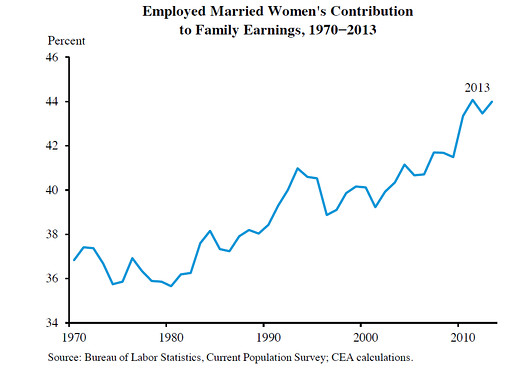
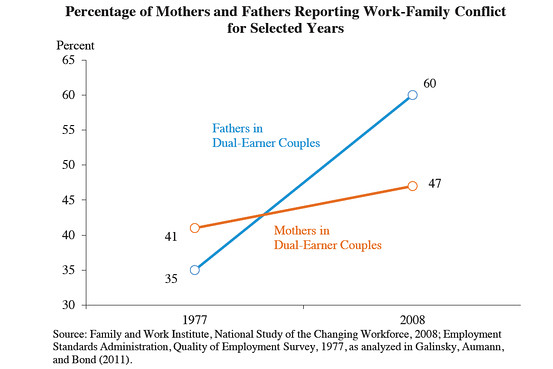
The reversing gender gap
19 Mar 2015 Leave a comment
in discrimination, gender, human capital, labour economics, labour supply, occupational choice, poverty and inequality, welfare reform Tags: gender wage, reversing gender gap, sex discrimination
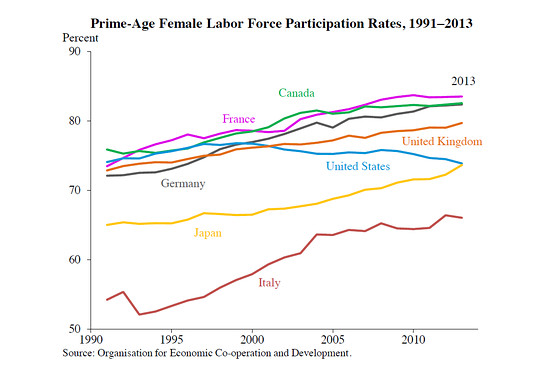
Should young women pay the same car insurance premiums as young men?
28 Feb 2015 Leave a comment
in applied welfare economics, economics of regulation, rentseeking, transport economics Tags: gender neutral insurance premiums, offsetting behaviour, sex discrimination
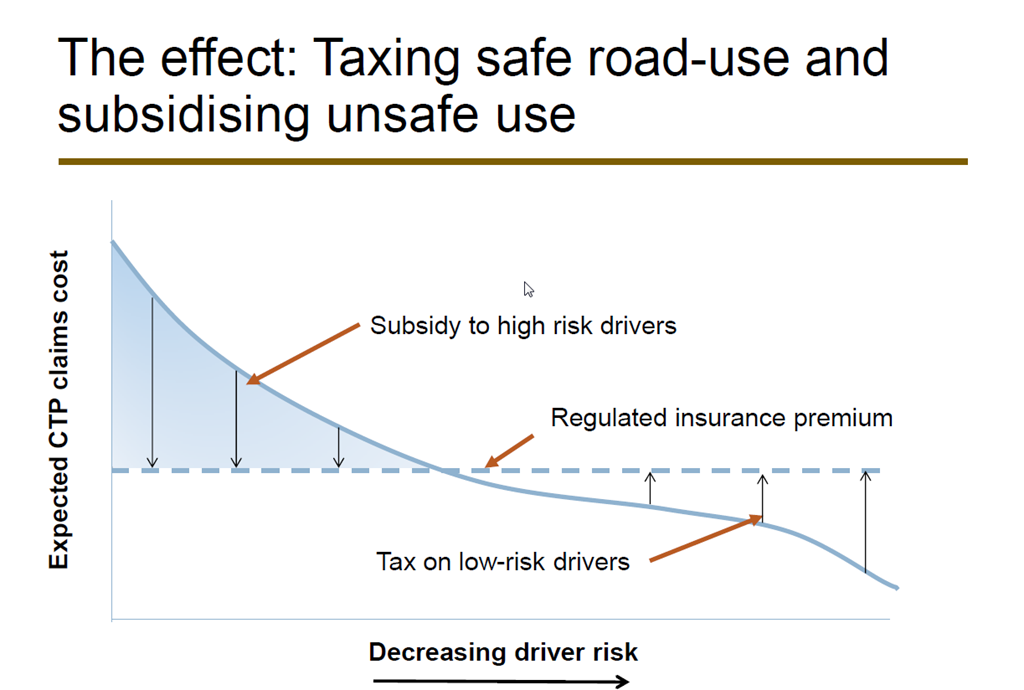
Thrill-seeking young men are prone to drive too fast, late at night, and cause horrific fatalities. Young males are 10 times more likely to be killed or injured than a driver aged over 35.

Young women’s car insurance premiums increased by 50% after insurers adjust their prices to comply with new European "gender neutral" rules on premiums.
.


Recent Comments