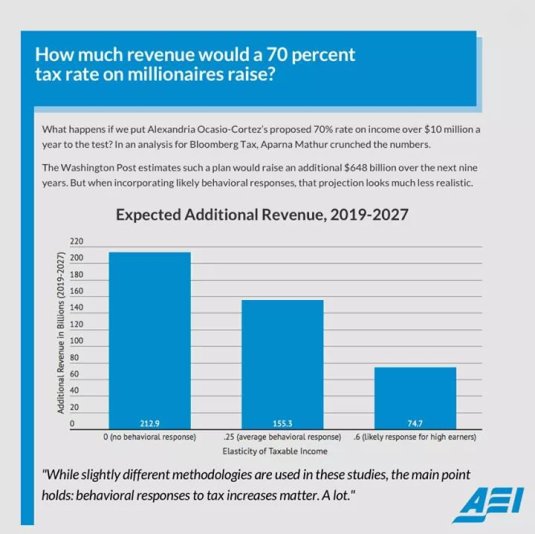
True tax is love is a low top marginal income tax rate
08 Apr 2019 Leave a comment
in applied price theory, economics of education, entrepreneurship, human capital, income redistribution, labour supply, occupational choice, Public Choice, public economics Tags: taxation and entrepreneurship, taxation and investment, taxation and labour supply

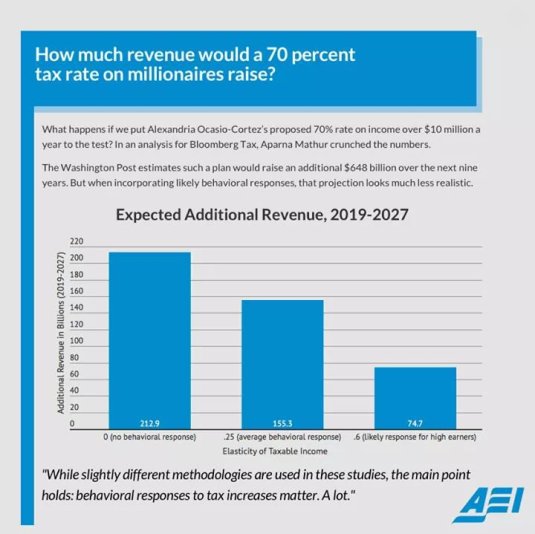
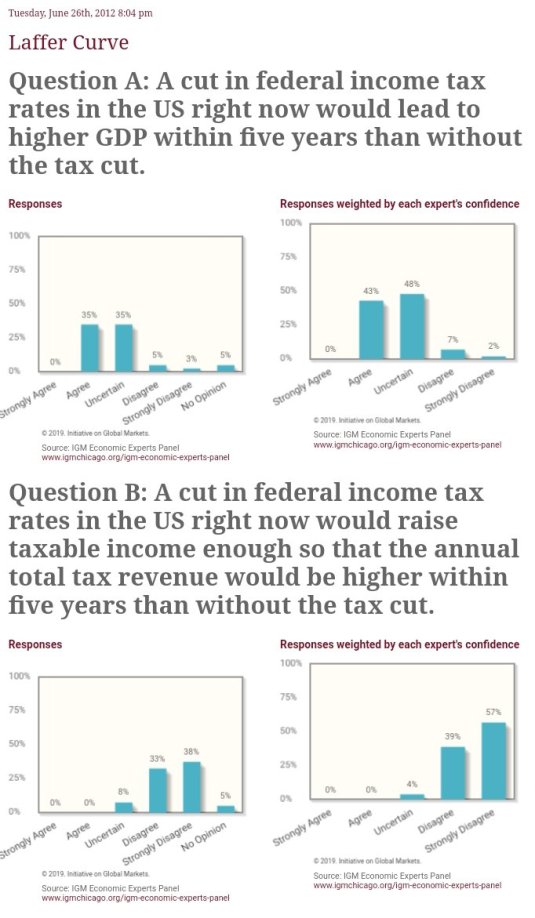
The toll of a capital gains tax on entrepreneurship and innovation is far greater than previously thought @TaxpayersUnion
15 Jan 2019 Leave a comment
in applied price theory, entrepreneurship, human capital, labour economics, occupational choice, politics - New Zealand, politics - USA, Public Choice, public economics, technological progress Tags: taxation and entrepreneurship, taxation and investment
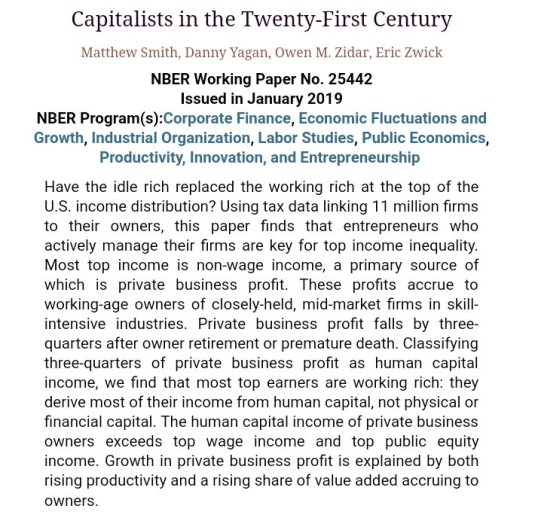
Chad Jones is a trouble maker on top tax rates @paulkrugman
10 Jan 2019 Leave a comment
in applied price theory, economics of education, entrepreneurship, human capital, income redistribution, industrial organisation, labour economics, labour supply, law and economics, occupational choice, politics - USA, poverty and inequality, Public Choice, public economics Tags: creative destruction, superstars, taxation and entrepreneurship, taxation and investment, taxation and labour supply, top 1%

Chad Jones’ awkward remarks on top tax rates and innovation spillovers
09 Jan 2019 Leave a comment
in applied price theory, applied welfare economics, economic growth, economics of education, entrepreneurship, fiscal policy, human capital, income redistribution, industrial organisation, labour economics, labour supply, macroeconomics, occupational choice, politics - USA, poverty and inequality, Public Choice, public economics, rentseeking Tags: creative destruction, taxation and entrepreneurship, taxation and investment, taxation and labour supply, top 1%

Steven Landsburg Discusses Incentives and Taxes
05 Dec 2018 Leave a comment
in applied price theory, applied welfare economics, development economics, economic growth, economic history, entrepreneurship, fiscal policy, human capital, labour economics, labour supply, macroeconomics, public economics Tags: taxation and entrepreneurship, taxation and investment, taxation and labour supply
Steven Landsburg: taxing capital
02 Dec 2018 Leave a comment
in applied price theory, applied welfare economics, economic growth, financial economics, fiscal policy, macroeconomics, public economics Tags: taxation and entrepreneurship, taxation and investment, taxation and labour
Finn Kydland on the Great Recession
27 Nov 2018 1 Comment
in budget deficits, business cycles, economic growth, fiscal policy, great recession, macroeconomics, public economics Tags: monetary policy, taxation and entrepreneurship, taxation and investment, taxation and labour supply

Do the Rich Pay Their Fair Share?
13 Jul 2016 Leave a comment
in politics - USA, public economics Tags: envy, superstars, taxation and entrepreneurship, taxation and investment, top 1%, top 10%
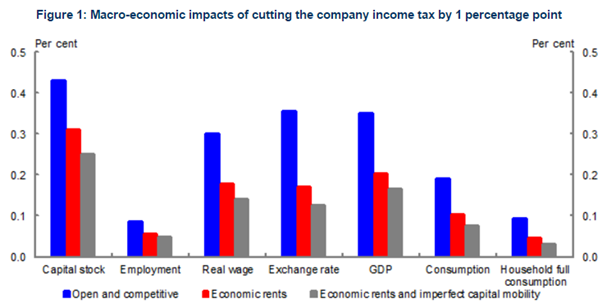
The effects of cutting the Australian company tax by one percentage point
02 Jun 2016 Leave a comment
in applied price theory, politics - Australia, politics - New Zealand, public economics Tags: Australia, company tax, international tax competition, tax incidents, taxation and entrepreneurship, taxation and investment
@PikettyLeMonde pension fund socialism has finished taking over #capitalism #Piketty
28 May 2016 Leave a comment
in economic history, financial economics, politics - USA, public economics Tags: company tax, Leftover Left, pension fund socialism, Peter Drucker, tax havens, taxation and entrepreneurship, taxation and investment, Twitter left
Peter Drucker first pointed out in the 70s that the retirement savings of ordinary workers will end up opening the majority of public listed companies. That day has come much to the disappointment of the Leftover Left ranging from Thomas Piketty to Max Rashbrooke.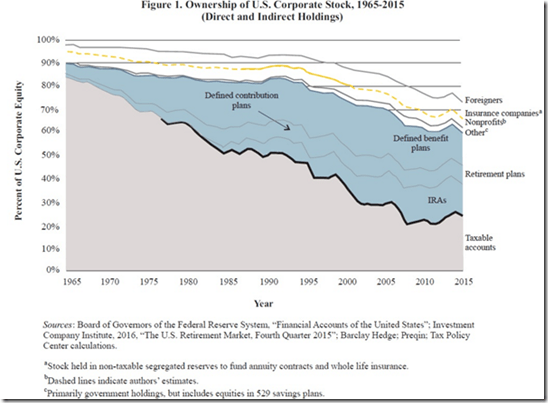
Source: CONVERSABLE ECONOMIST: US Corporate Stock: The Transition in Who Owns It.
Any call for higher taxes on investment incomes and capital and even tax havens is an attack on the retirement savings of ordinary workers.
#NeverTrump but why no #neverBernie, only #feelthebern?
28 May 2016 Leave a comment
in constitutional political economy, politics - USA Tags: 2016 presidential election, Leftover Left, reactionary left, taxation and entrepreneurship, taxation and investment, taxation and labour supply, Twitter left
Why have no Democrats formed the equivalent of #NeverTrump?
Bernie Sanders is not even a member of their party. Have they no principles?
Many of their republican opponents do in rejecting Trump and planning to vote for either Clinton or Gary Johnson.
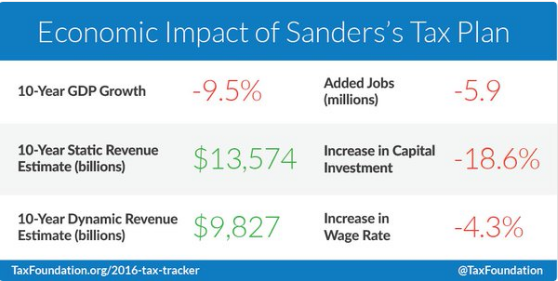
Sanders is an old socialist throwback whose economic policies would plunge the American economy into a deep recession harming most of all those that Democrats claim to represent.
Sander’s mind is just as inflexible as that of Trump as is his unwillingness to learn from events.
Why is GST but not company tax incidence so easy to understand
28 Apr 2016 Leave a comment
in public economics Tags: company tax, rational irrationality, tax incidence, taxation and entrepreneurship, taxation and investment
 The tax incidence of sales taxes is understood by everybody but who pays company tax is stubbornly misunderstood. The seller is sending the tax cheque to the taxman does not fool anyone regarding who ultimately pays sales taxes.
Everyone expects that sales tax increases such as of the GST or VAT will be passed on to buyers but sometimes a little bit is absorbed in terms of lower profits by sellers if it is more than the market can bear.
When it comes to company taxes, this intuitive understanding of the economics of the incidence of taxes completely disappears. There is a strong belief that only investors pay the company tax in the form of dividends.
The notion that investors may reduce their investment and therefore the amount of capital with which workers can work is stoutly denied as is the implications for lower than otherwise wages because of this.
The possibility that the entire company tax may show up as lower wages when capital is internationally mobile is just not even contemplated. This is despite foreign direct investment being welcomed on the grounds that more capital means higher wages for local workers.

Likewise, when a factory is re-located offshore, it is understood that that will harm wages. That understanding does not carry through to company tax incidence when the factory relocates offshore because of low company taxes rather than import competition.
 Utopia, you are standing in it!
Recent Comments