In our textbook, Modern Principles, Tyler and I write: Imagine how difficult it would be to get a date if every date required marriage? In the same way, it’s more difficult to find a job when every job requires a long-term commitment from the employer. In two new excellent pieces, Brian Albrecht and Pieter Garicano…
The Hidden Cost of Hard-to-Fire Labor Laws: Why European Firms Don’t Take Risks
The Hidden Cost of Hard-to-Fire Labor Laws: Why European Firms Don’t Take Risks
08 Mar 2026 Leave a comment
in applied price theory, economics of bureaucracy, economics of regulation, entrepreneurship, labour economics, law and economics, managerial economics, organisational economics, personnel economics, property rights, Public Choice, theory of the firm, unemployment Tags: creative destruction, employment law, European Union, Germany
The actual helicopter drop?
07 Mar 2026 Leave a comment
in applied price theory, development economics, financial economics, growth disasters, history of economic thought, macroeconomics, Milton Friedman, monetarism, monetary economics, property rights
When Milton Friedman pondered what would happen if a helicopter dropped $1,000 from the sky, he likely never imagined that one day a military cargo plane would scatter millions of dollars into one of Bolivia’s largest cities. But while the Nobel Prize-winning economist worried about the inflation that an influx of cash could generate, the impact in…
The actual helicopter drop?
The Nightmare Scenario Leading to a Wealth Tax
07 Mar 2026 Leave a comment
in applied price theory, economic growth, economic history, entrepreneurship, fiscal policy, income redistribution, liberalism, macroeconomics, Marxist economics, politics - USA, Public Choice, public economics Tags: taxation and entrepreneurship, taxation and investment, taxation and labour supply

Is it time to pack our belongings and head to Argentina, where Javier Milei is dramatically improving economic policy and cultural attitudes? I’m joking, but also not joking. The reason I’m not joking is that there’s a very depressing scenario for America’s near-term economic outlook. It involves these six potential developments. Thanks in part to […]
The Nightmare Scenario Leading to a Wealth Tax
The Evaluative Emptiness of the Economic Approach to Law
04 Mar 2026 Leave a comment
in applied price theory, applied welfare economics, comparative institutional analysis, history of economic thought, law and economics, Public Choice

Law & economics traces its intellectual roots to the University of Chicago. That lineage still shapes how the field is understood. Chicago price theory—especially Gary Becker’s (1976) systematic application of maximization, equilibrium, and stable preferences across social life, and George Stigler’s (1992, p. 459) suggestion that “every durable social institution or practice is efficient, or…
The Evaluative Emptiness of the Economic Approach to Law
The Macroeconomic Effects of Tariffs
02 Mar 2026 Leave a comment
in applied price theory, econometerics, economic history, history of economic thought, international economics Tags: free trade, tariffs
We study the macroeconomic effects of tariff policy using U.S. historical data from 1840–2024. We construct a narrative series of plausibly exogenous tariff changes – based on major legislative actions, multilateral negotiations, and temporary surcharges – and use it as an instrument to identify a structural tariff shock. Tariff increases are contractionary: imports fall sharply,…
The Macroeconomic Effects of Tariffs
Bet On It Book Club: For a New Liberty, Chapter 4
02 Mar 2026 Leave a comment
in applied price theory, Austrian economics, comparative institutional analysis, economics of bureaucracy, industrial organisation, law and economics, liberalism, Murray Rothbard, privatisation, Public Choice
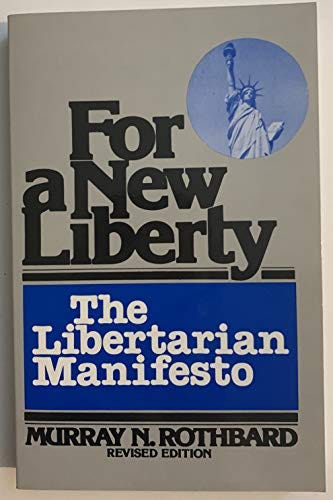
Update: I’m doing a Substack Live today on You Have No Right to Your Culture with the Boyd Institute’s Peter Banks. 4 PM ET.SummaryThis is the shortest chapter of the book, just six pages long. Rothbard makes a laundry list of what he calls “the major problem areas of our society” and argues that government…
Bet On It Book Club: For a New Liberty, Chapter 4
Laying Off Workers: Cheap vs. Expensive
01 Mar 2026 Leave a comment
in applied price theory, economics of regulation, entrepreneurship, industrial organisation, labour economics, labour supply, survivor principle Tags: creative destruction

When thinking about what makes an economy flourish, many of us tend to focus on the success stories of innovation and growth. After all, success stories involve an element of risk, which means a chance of failure. When it’s more expensive to fail, then avoiding the risk of failure–by avoiding innovative but risky business choices–starts…
Laying Off Workers: Cheap vs. Expensive
The Party Dominated Economy, Part 2
27 Feb 2026 Leave a comment
in applied price theory, comparative institutional analysis, constitutional political economy, industrial organisation, politics - USA

The NY Times realizes that Trump is not a free market capitalist
The Party Dominated Economy, Part 2
Competition, elasticity and weight-loss drugs
27 Feb 2026 Leave a comment
in applied price theory, health economics, industrial organisation
See The Weight-Loss Price Wars Are Breaking Big Pharma’s Business Model: Prices for GLP-1s are falling fast and forcing companies to adapt by David Wainer of The WSJ.”Two years ago, a GLP-1 prescription could cost an uninsured patient more than $1,000 a month. Today, Novo Nordisk’s Wegovy pill starts at just $149 through cash-pay programs.””Typically, drug…
Competition, elasticity and weight-loss drugs
“Tough on crime” is good for young men
26 Feb 2026 Leave a comment
in applied price theory, econometerics, economics of crime, law and economics, politics - USA Tags: crime and punishment, criminal deterrence, law and order
Using data from hundreds of closely contested partisan elections from 2010 to 2019 and a vote share regression discontinuity design, we find that narrow election of a Republican prosecutor reduces all-cause mortality rates among young men ages 20 to 29 by 6.6%. This decline is driven predominantly by reductions in firearm-related deaths, including a large reduction in firearm…
“Tough on crime” is good for young men
What are Folk Economic Beliefs?
25 Feb 2026 Leave a comment
in applied price theory, behavioural economics, economics of education
In the modern world, many of the topics about which people have opinions are some distance away from any actual experience or expertise that these same people have. In this situation, people are unlikely to form their opinions with a deep dive into relevant history, data, and academic research. Instead, they are more likely to…
What are Folk Economic Beliefs?
From Discount to Discrimination: The Strange Economics of Anti-Competitive Antitrust
24 Feb 2026 Leave a comment
in applied price theory, economics of regulation, entrepreneurship, history of economic thought, industrial organisation, law and economics Tags: competition law, creative destruction
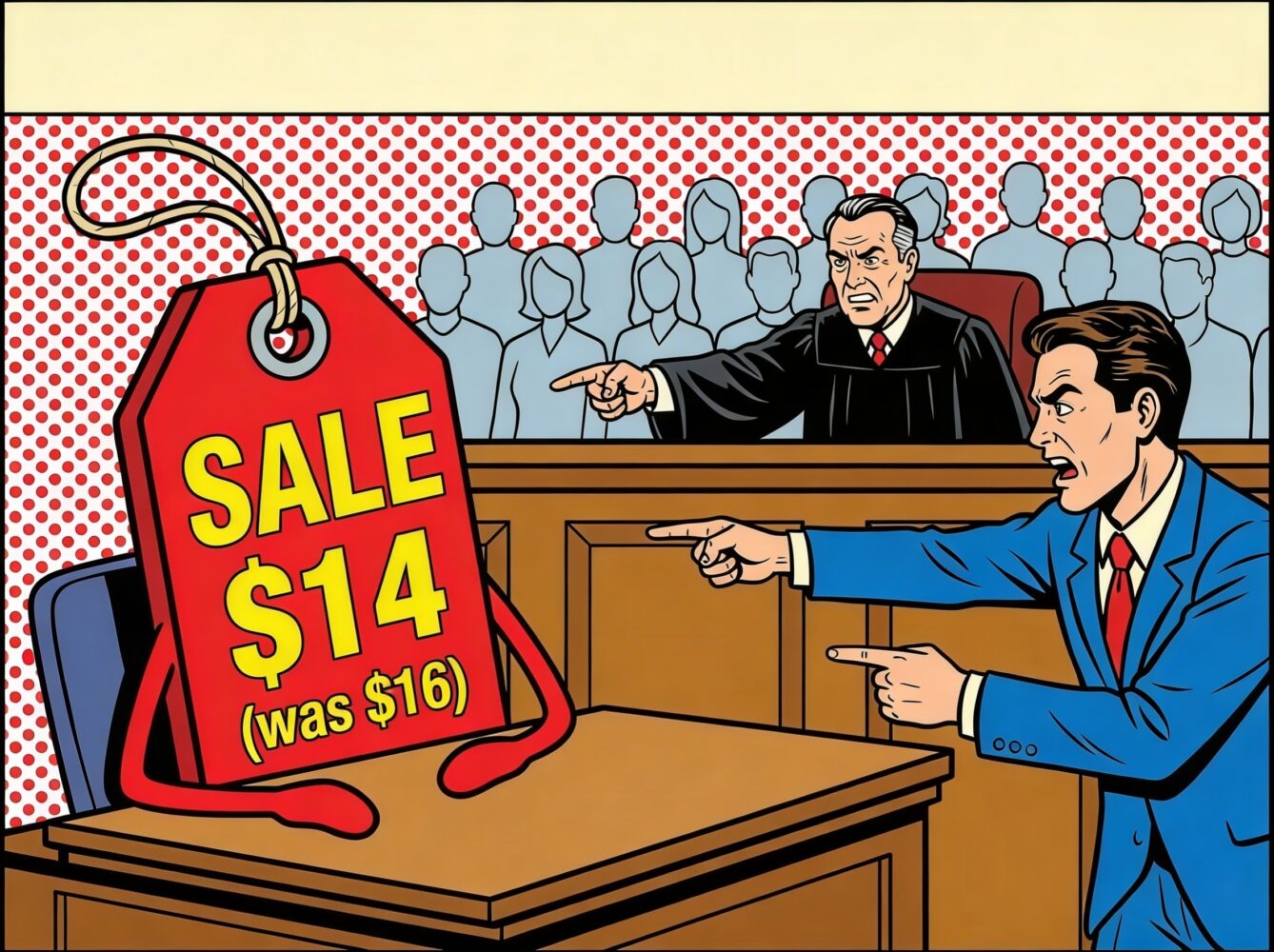
Antitrust has always been a strange regulatory enterprise. Businesses are largely free to engage in various commercial practices involving price, output, product design, distribution, research, and innovation—until they’re not. Outside the paradigmatic examples of explicit agreements among competitors to fix price and output, many business practices live in a gray zone. Whether a particular pricing…
From Discount to Discrimination: The Strange Economics of Anti-Competitive Antitrust
Is There a Political Downside to Tax Migration?
24 Feb 2026 Leave a comment
in applied price theory, economic growth, economic history, fiscal policy, labour economics, labour supply, macroeconomics, politics - USA, Public Choice, public economics Tags: taxation and entrepreneurship, taxation and investment, taxation and labour supply

I’m a big fan of tax migration. I cheer when productive people escape high-tax states or high-tax nations. And when the geese with the golden eggs fly away, it thwarts the plans of greedy politicians. The latest example of this is the exodus of billionaires – worried about a wealth tax – from California (the […]
Is There a Political Downside to Tax Migration?
New Zealand First’s Economics
23 Feb 2026 Leave a comment
in applied price theory, politics - New Zealand
Shane Jones is committed to state-led economic development. New Zealand First and ACT sit further apart on the economics spectrum than do Labour and National. On other parts of the policy spectrum the two are more aligned, but this column’s focus is primarily on economics and, particularly, the economics of NZF. I leave Christopher Luxon’s […]
New Zealand First’s Economics
The Economic Burden of Protectionism, Part III
23 Feb 2026 Leave a comment
in applied price theory, econometerics, economic history, history of economic thought, industrial organisation, international economics, politics - USA, survivor principle

In Part I and Part II of this series, we looked at research showing that Americans are bearing the burden of Trump’s trade taxes. Those findings are a useful antidote to Trump’s silly and illiterate claim that foreign companies are swallowing the added cost. In both of those columns, however, I pointed out that I’m […]
The Economic Burden of Protectionism, Part III
 Utopia, you are standing in it!
Recent Comments