In the modern world, many of the topics about which people have opinions are some distance away from any actual experience or expertise that these same people have. In this situation, people are unlikely to form their opinions with a deep dive into relevant history, data, and academic research. Instead, they are more likely to…
What are Folk Economic Beliefs?
What are Folk Economic Beliefs?
25 Feb 2026 Leave a comment
in applied price theory, behavioural economics, economics of education
From Discount to Discrimination: The Strange Economics of Anti-Competitive Antitrust
24 Feb 2026 Leave a comment
in applied price theory, economics of regulation, entrepreneurship, history of economic thought, industrial organisation, law and economics Tags: competition law, creative destruction
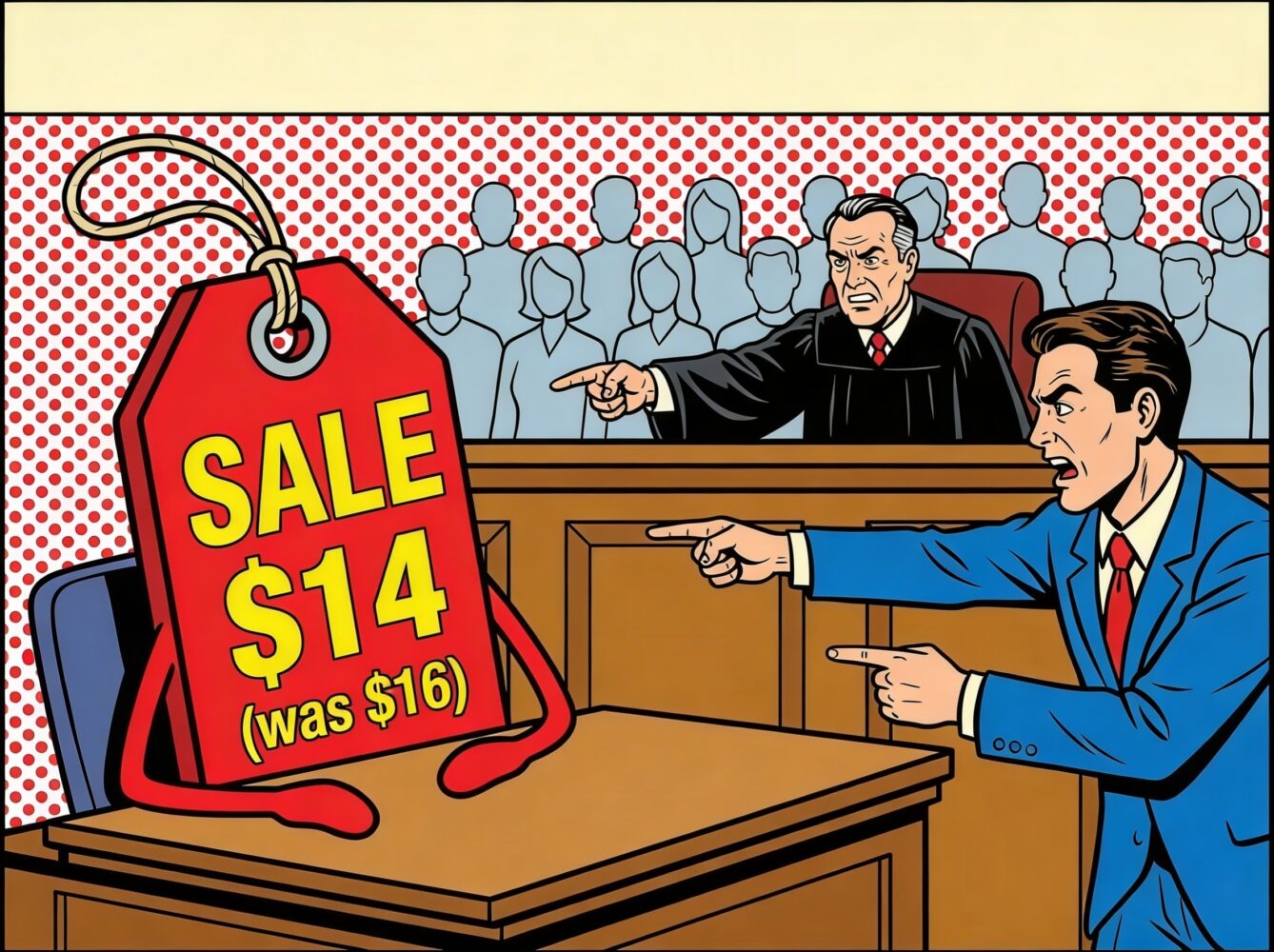
Antitrust has always been a strange regulatory enterprise. Businesses are largely free to engage in various commercial practices involving price, output, product design, distribution, research, and innovation—until they’re not. Outside the paradigmatic examples of explicit agreements among competitors to fix price and output, many business practices live in a gray zone. Whether a particular pricing…
From Discount to Discrimination: The Strange Economics of Anti-Competitive Antitrust
Is There a Political Downside to Tax Migration?
24 Feb 2026 Leave a comment
in applied price theory, economic growth, economic history, fiscal policy, labour economics, labour supply, macroeconomics, politics - USA, Public Choice, public economics Tags: taxation and labour supply, taxation and entrepreneurship, taxation and investment

I’m a big fan of tax migration. I cheer when productive people escape high-tax states or high-tax nations. And when the geese with the golden eggs fly away, it thwarts the plans of greedy politicians. The latest example of this is the exodus of billionaires – worried about a wealth tax – from California (the […]
Is There a Political Downside to Tax Migration?
New Zealand First’s Economics
23 Feb 2026 Leave a comment
in applied price theory, politics - New Zealand
Shane Jones is committed to state-led economic development. New Zealand First and ACT sit further apart on the economics spectrum than do Labour and National. On other parts of the policy spectrum the two are more aligned, but this column’s focus is primarily on economics and, particularly, the economics of NZF. I leave Christopher Luxon’s […]
New Zealand First’s Economics
The Economic Burden of Protectionism, Part III
23 Feb 2026 Leave a comment
in applied price theory, econometerics, economic history, history of economic thought, industrial organisation, international economics, politics - USA, survivor principle

In Part I and Part II of this series, we looked at research showing that Americans are bearing the burden of Trump’s trade taxes. Those findings are a useful antidote to Trump’s silly and illiterate claim that foreign companies are swallowing the added cost. In both of those columns, however, I pointed out that I’m […]
The Economic Burden of Protectionism, Part III

Damned if they do, damned if they don’t: The billion-dollar bill for Labour’s gas ban
20 Feb 2026 Leave a comment
in applied price theory, economics of bureaucracy, economics of climate change, economics of regulation, energy economics, environmental economics, environmentalism, global warming, politics - New Zealand, Public Choice
Few policies manage to unite the left, the right and the Taxpayers’ Union in opposition. The Government’s billion-dollar LNG import terminal in Taranaki managed it inside 24 hours. By Tuesday morning, it had been attacked from the left as a gas tax, from the right as a new levy on households, and from the commentariat […]
Damned if they do, damned if they don’t: The billion-dollar bill for Labour’s gas ban
The Economic Burden of Protectionism, Part II
18 Feb 2026 Leave a comment
in applied price theory, industrial organisation, international economics, politics - USA Tags: free trade, tarrifs

In Part I of this series, we reviewed some new research from the New York Federal Reserve. That study showed that Americans bear about 90 percent of the burden of Trump’s Liberation Day trade taxes. Though I added my own two cents because I don’t actually care that much about who bears the burden of […]
The Economic Burden of Protectionism, Part II
Any Hope for a European Economic Renaissance?
18 Feb 2026 Leave a comment
in applied price theory, budget deficits, economic growth, economic history, economics of education, economics of regulation, fiscal policy, industrial organisation, labour economics, labour supply, macroeconomics Tags: European Union

The good news is that Europe has a lot of economic freedom by world standards. Especially Western Europe. The bad news is that economic freedom has been declining in Western Europe. To make matters worse, Europe has a big demographic problem, with a growing number of older people over time who have been promised benefits […]
Any Hope for a European Economic Renaissance?
Minimum Wages for Gig Workers Can’t Work
17 Feb 2026 Leave a comment
in applied price theory, labour economics, labour supply, occupational choice
In 2017, I analyzed the Uber Tipping Equilibrium: What is the effect of tipping on the take-home pay of Uber drivers? Economic theory offers a clear answer. Tipping has no effect on take home pay. The supply of Uber driver-hours is very elastic. Drivers can easily work more hours when the payment per ride increases…
Minimum Wages for Gig Workers Can’t Work
“You see tech and AI everywhere but in the productivity statistics”
17 Feb 2026 Leave a comment
in applied price theory, econometerics, history of economic thought, industrial organisation, labour economics, labour supply Tags: creative destruction
How many times have I heard versions of that claim? Erik Brynjolfsson picks up the telephone in the FT: While initial reports suggested a year of steady labour expansion in the US, the new figures reveal that total payroll growth was revised downward by approximately 403,000 jobs. Crucially, this downward revision occurred while real GDP…
“You see tech and AI everywhere but in the productivity statistics”
Changes in the Gender Wage Gap for Business Professionals
14 Feb 2026 1 Comment
in applied price theory, discrimination, economics of education, gender, human capital, labour economics, labour supply, managerial economics, occupational choice, organisational economics, personnel economics Tags: gender wage gap
In the United States, much of the gap in earnings between men and women is due to the persistent gap for high wage earners. This paper explores changes in the gender wage gap for MBAs graduating from a large public university over 30 years. We document large gender wage gaps on average, which grow in…
Changes in the Gender Wage Gap for Business Professionals
The Rise and Fall (and Rise) of Sweden, Part III
10 Feb 2026 Leave a comment
in applied price theory, comparative institutional analysis, constitutional political economy, economic growth, economic history, economics of regulation, fiscal policy, income redistribution, industrial organisation, labour economics, labour supply, macroeconomics, Public Choice, public economics Tags: Sweden

Based on a video from the Center for Freedom and Prosperity back in 2010, as well a video from Johan Norberg I shared in 2016, there’s a lot to learn by looking at Swedish economic history. Here’s a more recent video that also looks at that nation’s economic track record. You’ll notice a similar message […]
The Rise and Fall (and Rise) of Sweden, Part III
Trump’s Pharmaceutical Plan
07 Feb 2026 Leave a comment
in applied price theory, health economics, politics - USA Tags: price discrimination
Pharmaceuticals have high fixed costs of R&D and low marginal costs. The first pill costs a billion dollars; the second costs 50 cents. That cost structure makes price discrimination—charging different customers different prices based on willingness to pay—common. Price discrimination is why poorer countries get lower prices. Not because firms are charitable, but because a…
Trump’s Pharmaceutical Plan
Part I(b): Yes, Taxes Change Behavior
06 Feb 2026 Leave a comment
in applied price theory, fiscal policy, macroeconomics, politics - USA, public economics Tags: taxation and entrepreneurship, taxation and investment

The death tax presumably is the most destructive tax on a per-dollar-collected basis, but I suspect the capital gains tax is in second place. Like the death tax, the capital gains tax is pure double taxation, thus exacerbating the tax code’s bias against saving and investment. And the capital gains tax is particularly foolish since […]
Part I(b): Yes, Taxes Change Behavior
 Utopia, you are standing in it!
Recent Comments