In yesterday’s post, I noted a number of opportunities for research on the economics of social media. At least one of those opportunities intersected with the impact of traditional media. So, I was interested to read this new article by Elliott Ash, Sergio Galletta, Matteo Pinna (all ETH Zurich), and Christopher Warshaw (George Washington University), published…
The impact of Fox News on American democracy
The impact of Fox News on American democracy
20 Jan 2025 Leave a comment
in applied price theory, econometerics, industrial organisation, politics - USA Tags: 2008 presidential election, 2012 presidential election, 2016 US presidential election, 2020 presidential election, 2024 presidential election, media bias
Quotation of the Day…
19 Jan 2025 1 Comment
in Adam Smith, applied price theory, comparative institutional analysis, development economics, economic history, economics of love and marriage, economics of regulation, entrepreneurship, history of economic thought, industrial organisation, labour economics, labour supply, law and economics, poverty and inequality, property rights, unemployment
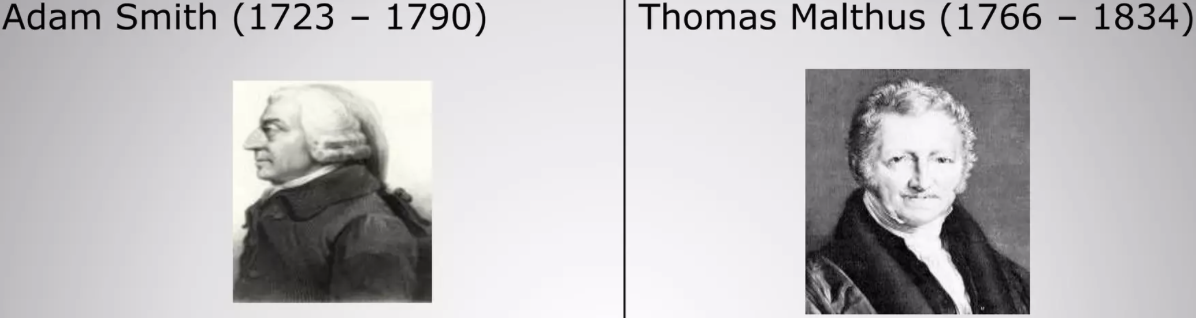
Tweet… is from page 53 of the late, great Harold Demsetz’s excellent 2008 book, From Economic Man to Economic System: Adam Smith and Thomas Malthus differed in their forecasts of mankind’s future. Smith (1776), in his Wealth of Nations, offered an optimistic view, basing this on his understanding of the new economic system that began…
Quotation of the Day…
Congestion charges work
19 Jan 2025 Leave a comment
in applied price theory, politics - USA, transport economics Tags: congestion charging, road pricing
Radio NZ reports: Traffic in Manhattan’s central business district fell by 7.5 percent last week and 273,000 fewer cars entered the borough’s central business district after the first congestion pricing fee in the US took effect on 5 January, New York City transit officials said on Monday. The fee was designed to reduce traffic and raise billions […]
Congestion charges work
Canada’s missing entrepreneurs
18 Jan 2025 Leave a comment
in applied price theory, economics of regulation, entrepreneurship, industrial organisation, regulation Tags: Canada
From John Ruffalo.
Canada’s missing entrepreneurs
Natural Diamonds Had a Rough Year—Some Hope to Restore Their Shine
18 Jan 2025 Leave a comment
in applied price theory, entrepreneurship, industrial organisation, market efficiency, survivor principle Tags: creative destruction
Lab-grown diamonds are gaining share, but they might be getting too cheap and largeBy Jinjoo Lee of The WSJ. Excerpts:”After a postpandemic surge in demand in 2021 and 2022, natural-diamond prices are down about 8% compared with the first quarter of 2020, while lab-grown diamond prices are down 75%” [if they are substitutes for each…
Natural Diamonds Had a Rough Year—Some Hope to Restore Their Shine
Further proof the Council just made things worse
17 Jan 2025 Leave a comment
in applied price theory, comparative institutional analysis, economics of bureaucracy, economics of regulation, entrepreneurship, industrial organisation, politics - New Zealand, Public Choice, public economics, rentseeking, survivor principle
Stuff reports: Reading Cinemas is set to return to Wellington after it was revealed on Tuesday night that the cinema chain’s owner, Reading International, intends to undertake a redevelopment of the old building. The company has entered into a Sale and Purchase Agreement with Prime Property Group, with part of the deal including a seismic upgrade […]
Further proof the Council just made things worse
CA gov prevents voluntary wealth-creating transactions
17 Jan 2025 Leave a comment
in applied price theory, comparative institutional analysis, economics of natural disasters, economics of regulation, law and economics, politics - USA, property rights
From REASON: On January 7, Newsom issued a state of emergency as fires spread in Los Angeles County. On Tuesday, Newsom signed Executive Order N-7-25, prohibiting buyers for three months from “making any unsolicited offer to an owner of real property” in fire-affected areas “for an amount less than the fair market value of the…
CA gov prevents voluntary wealth-creating transactions
Margaret Thatcher, Michael Curley, and the 19th Theorem of Government
16 Jan 2025 Leave a comment
in applied price theory, applied welfare economics, Austrian economics, comparative institutional analysis, constitutional political economy, economic growth, economic history, economics of regulation, energy economics, environmental economics, financial economics, fiscal policy, human capital, income redistribution, international economics, labour economics, labour supply, law and economics, liberalism, libertarianism, macroeconomics, Marxist economics, politics - USA, poverty and inequality, property rights, Public Choice, public economics, regulation, rentseeking
In this 12-second video, Margaret Thatcher is talking about the Labour Party in the United Kingdom, but her warning has universal application. And when I say her warning has universal application, I’m not joking. Politicians generally can’t resist the temptation to buy votes. And I fear that this can and will happen at all levels […]
Margaret Thatcher, Michael Curley, and the 19th Theorem of Government
One early report on congestion pricing in NYC
16 Jan 2025 1 Comment
in applied price theory, applied welfare economics, comparative institutional analysis, market efficiency, politics - USA, public economics, transport economics, urban economics Tags: road pricing
That is my latest Bloomberg column, here is one bit: The core version of the plan stipulates a $9 toll for drivers entering Manhattan below and including 60th Street. Implementation is by E-Z Pass, and the tolls can vary in complex ways. But if you don’t cross the line, you don’t pay. So residents below 60th Street are exempt, […]
One early report on congestion pricing in NYC
Bad leaders solicit bad advice
16 Jan 2025 1 Comment
in applied price theory, econometerics, economic history, human capital, labour economics, labour supply, politics - New Zealand, poverty and inequality, unemployment, welfare reform Tags: child poverty, family poverty
When Jacinda Ardern became Prime Minister, she was determined to increase income for children in welfare-dependent families – her magic bullet for solving child poverty. The Welfare Expert Advisory Group, led by Cindy Kiro, was convened to make the desired recommendations. A number of evidence briefs were provided to the group, one concerned the “likely…
Bad leaders solicit bad advice
Climatists Make Their Case by Omitting Facts
15 Jan 2025 1 Comment
in applied price theory, applied welfare economics, economic history, economics of climate change, economics of regulation, energy economics, environmental economics, environmentalism, global warming, politics - USA Tags: climate activists, climate alarmism

One of the world’s top economists has written an expert court report that forcefully supports a group of children and young adults who have sued the federal government for failing to act on climate change. (Source: Inside Climate News here) Excerpts in italics with my bolds. Stiglitz, a Columbia University economics professor and former World […]
Climatists Make Their Case by Omitting Facts
Not a useful question
14 Jan 2025 Leave a comment
in applied price theory, politics - New Zealand, Public Choice, transport economics Tags: state ownership
Radio NZ report: A new poll has found close to half of New Zealanders want the new Interislander ferries to be rail-enabled. The government is still considering replacement options after ditching Labour’s iRex project citing a large cost blowout, in particular from upgrading port infrastructure, taking the pricetag upwards of $3 billion. Horizon Research has found 48 […]
Not a useful question
Economists Should Never Abandon Their Principles
14 Jan 2025 Leave a comment
in applied price theory, Austrian economics, comparative institutional analysis, economics of information, economics of regulation
TweetIn the Spring of 2023 I had the honor of delivering, at the Richmond Fed, the annual Sandridge Lecture to the Virginia Association of Economists. The text of that lecture – the title of which is “The Role of the Economic Scholar in Highly Politicized Society” – is available here. And pasted below are two…
Economists Should Never Abandon Their Principles
The Acemoglu arguments against high-skilled immigration
13 Jan 2025 Leave a comment
in applied price theory, economics of education, entrepreneurship, human capital, international economics, labour economics, labour supply, occupational choice, politics - USA, poverty and inequality Tags: economics of immigration
Here is Daron Acemoglu’s Project Syndicate piece, mostly critical on high-skilled immigration. Here is the first argument from Acemoglu: …one would expect corporate America’s growing need for skilled STEM workers to translate into advocacy for, and investments in, STEM education. But an overreliance on the H-1B program may have broken this link and made American […]
The Acemoglu arguments against high-skilled immigration
Noah Smith on L.A: fire lessons
13 Jan 2025 Leave a comment
in applied price theory, economics of bureaucracy, economics of natural disasters, environmental economics, environmentalism, income redistribution, law and economics, politics - USA, property rights, Public Choice, rentseeking, urban economics Tags: unintended consequences
The best piece I have seen so far, here is one bit: Basically, the lessons I take away from the horrific L.A. fires are: The insurance industry as we know it is in big trouble. Climate change is making wildfires worse, but there’s not much we can do about that right now. Forest management needs […]
Noah Smith on L.A: fire lessons


Recent Comments