We study the macroeconomic effects of tariff policy using U.S. historical data from 1840–2024. We construct a narrative series of plausibly exogenous tariff changes based on major legislative actions, multilateral negotiations, and temporary surcharges– and use it as an instrument to identify a structural tariff shock. Tariff increases are consistently contractionary: imports fall sharply, exports…
The Macroeconomic Effects of Tariffs: Evidence From U.S. Historical Data
The Macroeconomic Effects of Tariffs: Evidence From U.S. Historical Data
31 Dec 2025 Leave a comment
in applied price theory, econometerics, economic history, international economics Tags: free trade, tariffs
Noah Smith Is Mistaken About Trade Deficits
31 Dec 2025 Leave a comment
in applied price theory, international economics
TweetHere’s a letter to a long-time, friendly patron of Café Hayek. Pete: Thanks for sending along Noah Smith’s Christmas-eve post titled “Why Europe should resist the Second China Shock.” Like you, I disagree with much that’s in this post. Especially disappointing is Smith writing this: “That’s what a trade deficit is – the writing of…
Noah Smith Is Mistaken About Trade Deficits
US Growth: From Hours Worked or Productivity Gains?
30 Dec 2025 Leave a comment
in applied price theory, econometerics, economic growth, economic history, labour economics, labour supply, macroeconomics

US economic growth can be divided into two parts: more hours worked, or more productivity per hour worked. In the past, the US labor force has been rising over time: the US labor force totaled 107 million people in 1980, 142 million in 2000, and was up to 171 million this year. However, after several…
US Growth: From Hours Worked or Productivity Gains?
Is house flipping a perfectly competitive industry?
30 Dec 2025 Leave a comment
in applied price theory, urban economics
One of the characteristics of perfect competition is free entry. If firms make an above average rate of return, new firms will enter. This increase in supply will lower price and the rate of return starts to fall. This might be happening in house flipping.See Why It’s a Tough Time for House-Flippers by Lori Ioannou of…
Is house flipping a perfectly competitive industry?
Canada fact of the day
29 Dec 2025 Leave a comment
in applied price theory, development economics, labour economics, labour supply, poverty and inequality, welfare reform Tags: Canada
Since 2015, Canada has tripled its Indigenous spending – paying more than on national defense. Over those same years, Indigenous people have suffered a catastrophic collapse in health and well-being: on average almost a full decade of lost life expectancy. That is from David Frum. The post Canada fact of the day appeared first on…
Canada fact of the day
Celebrating Two Years of Libertarian Success in Argentina
27 Dec 2025 Leave a comment
in applied price theory, Austrian economics, budget deficits, comparative institutional analysis, constitutional political economy, development economics, economic growth, economics of bureaucracy, economics of regulation, fiscal policy, growth disasters, history of economic thought, income redistribution, industrial organisation, labour economics, liberalism, libertarianism, macroeconomics, Public Choice, rentseeking, unemployment Tags: Argentina
As explained in my four-part series (here, here, here, and here) and in this clip from a recent interview, Javier Milei’s first two years have been amazingly successful. There are two points in the interview that deserve emphasis. First, Javier Milei’s libertarian policies already have been extremely beneficial for the Argentine economy. Inflation has dramatically […]
Celebrating Two Years of Libertarian Success in Argentina
Is Christmas Gift Giving Inefficient?
25 Dec 2025 Leave a comment
In 1993, Yale economics professor Joel Waldfogel published an article titled The deadweight loss of Christmas. The idea is that gift recipients often place a lower dollar value on the item than its actual price. Maybe someone buys you a tie for $20 that you would pay no more than $5 for. So the inefficiency…
Is Christmas Gift Giving Inefficient?
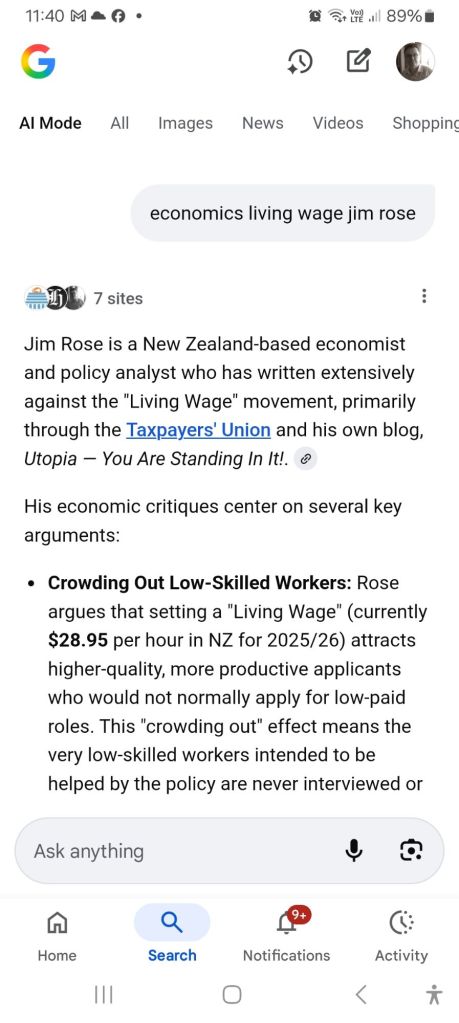
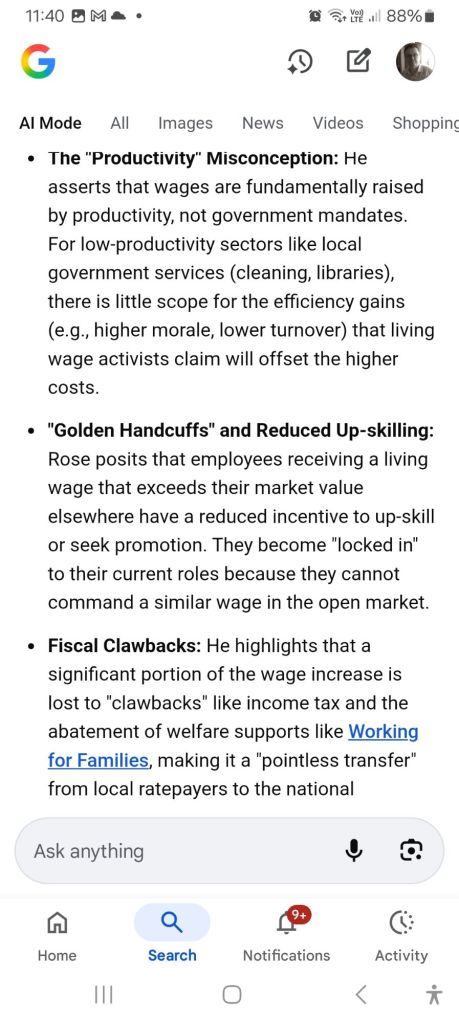
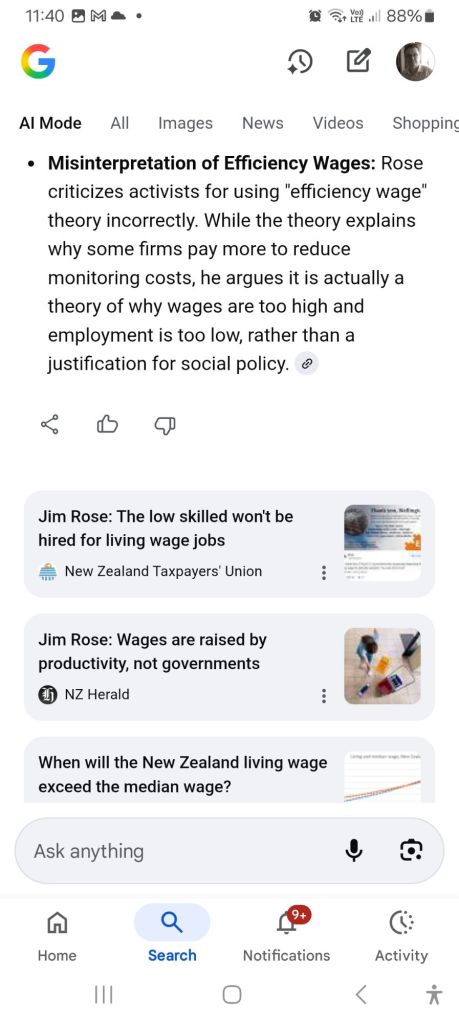
AI summary of my living wage paper
24 Dec 2025 Leave a comment
in applied price theory, history of economic thought, income redistribution, job search and matching, labour economics, labour supply, macroeconomics, minimum wage, politics - New Zealand, poverty and inequality, Public Choice, rentseeking Tags: living wage
A tale of two cities and rent control
23 Dec 2025 Leave a comment
in applied price theory, comparative institutional analysis, econometerics, economics of regulation, law and economics, market efficiency, property rights, Public Choice, rentseeking, urban economics Tags: rent control
WSJ: What the Twin Cities Tell Us About Fixing the Housing CrisisThe Natural Experiment: In 2022, St. Paul enacted one of the strictest rent-control regimes in the country. The ordinance capped annual rent increases at 3% for most apartments, even empty ones. It didn’t adjust for inflation. … Across the Mississippi River, Minneapolis steered clear of rent…
A tale of two cities and rent control
Adam Smith And Joseph Campbell On The Dangers Of “The Man Of System”
23 Dec 2025 Leave a comment
in Adam Smith, applied price theory, comparative institutional analysis, economics of information, economics of regulation, history of economic thought
Here is a passage from The Theory of Moral Sentiments by Smith (author of the book The Wealth of Nations in 1776 that started economics) at the Library of Economics and Liberty. Smith emphasizes the arrogance and conceit of those who think they can arrange society any way they want. In a separate passage, Smith…
Adam Smith And Joseph Campbell On The Dangers Of “The Man Of System”
Rent Control Creates Ghost Apartments
22 Dec 2025 1 Comment
in applied price theory, econometerics, economic history, economics of regulation, law and economics, politics - USA, property rights, urban economics Tags: rent control

Adam Lehodey writing at City Journal: In New York City, making a profit on real estate has become increasingly difficult. Rent-stabilization laws built on the mantra that “housing is a human right,” a dysfunctional housing court, and myriad other interventions have driven thousands of units off the market, giving rise to the phenomenon of New York’s “ghost…
Rent Control Creates Ghost Apartments
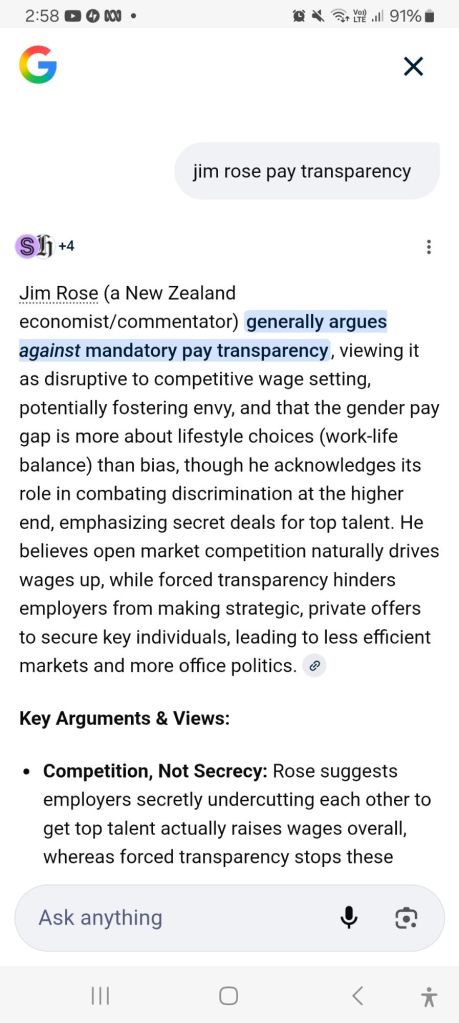
My first AI op-ed summary
21 Dec 2025 Leave a comment
in applied price theory, discrimination, economics of education, economics of information, entrepreneurship, gender, human capital, labour economics, labour supply, politics - New Zealand Tags: gender wage gap


Ask not what economics can do for sports; ask what sports can do for economics
20 Dec 2025 Leave a comment
in applied price theory, econometerics, history of economic thought, sports economics
Regular readers of this blog will know that I enjoy blogging about research that uses a sports setting to illustrate economic concepts (except when the research is terrible). Sport makes for an interesting setting for testing economic theories. The rules are known. The incentives are usually clear. The outcomes are usually unambiguous. Other real-world settings…
Ask not what economics can do for sports; ask what sports can do for economics
Stop Slaying the Strawman Case Against Tariffs
19 Dec 2025 1 Comment
in applied price theory, applied welfare economics, international economics, politics - USA Tags: free trade, tariffs
TweetHere’s a letter to a new correspondent. Mr. W__: Because I read the Wall Street Journal avidly, I was familiar, before you sent it, with its report titled “Why Everyone Got Trump’s Tariffs Wrong.” Nevertheless, thanks for your email in which you suggest that this report should prompt me to humbly reassess what you call…
Stop Slaying the Strawman Case Against Tariffs
Lessons from Brexit
19 Dec 2025 Leave a comment
in applied price theory, applied welfare economics, comparative institutional analysis, constitutional political economy, economic growth, international economic law, international economics, macroeconomics Tags: British politics, economics of customs unions, free trade, tariffs
How we connect economically with the world is critical. Brian Easton writes – The British Labour Government is struggling. Partly it is because they were badly prepared in opposition: the Conservative Government was making such a charlie of itself that Labour expected that it would do better and gave little thought as to how it […]
Lessons from Brexit
 Utopia, you are standing in it!
Recent Comments