Bjorn Lomborg: Don’t waste trillions on BAD Climate Policy
06 Mar 2020 Leave a comment
in applied welfare economics, energy economics, environmental economics, global warming, politics - Australia, politics - New Zealand, politics - USA, Public Choice Tags: climate alarmists
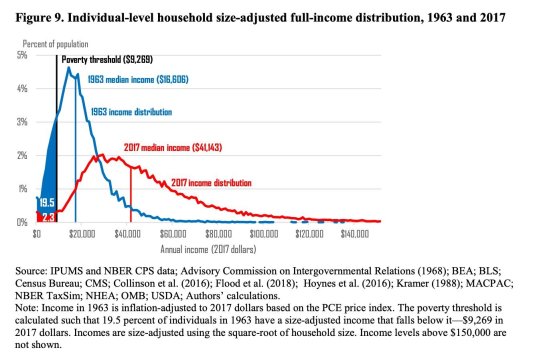
Why do @AOC @BernieSanders @SenWarren lie about the rich are getting richer and the poor are getting poorer?
04 Mar 2020 Leave a comment
in applied welfare economics, economic history, income redistribution, labour economics, politics - USA, poverty and inequality, Public Choice Tags: 2020 presidential election, child poverty, family poverty, social insurance
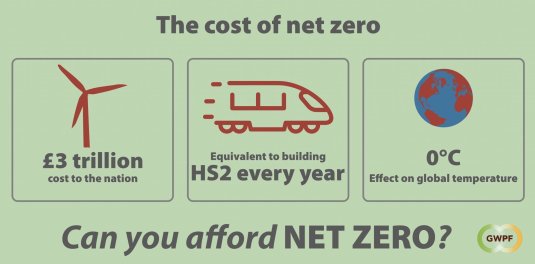
#climateemergency #globalwarming @GreenpeaceUK
01 Mar 2020 Leave a comment
in applied welfare economics, energy economics, environmental economics, global warming Tags: climate alarmists, The fatal conceit
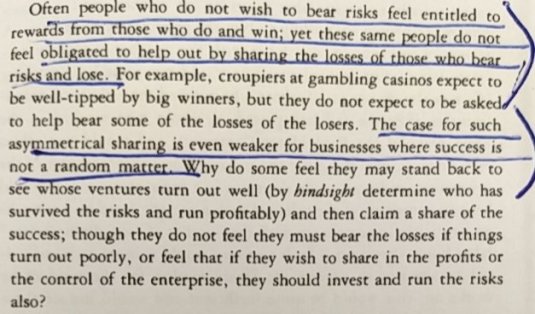
A fair summary by Dube; note repeated reference to modest increases. This can be offset by diluting service quality and staffing levels and hours such as in old age care studies
23 Feb 2020 Leave a comment
in applied price theory, applied welfare economics, labour economics, minimum wage Tags: offsetting behaviour, The fatal conceit, unintended consequences

When does the pause matter?
22 Feb 2020 Leave a comment
in applied welfare economics, econometerics, energy economics, environmental economics, global financial crisis (GFC)
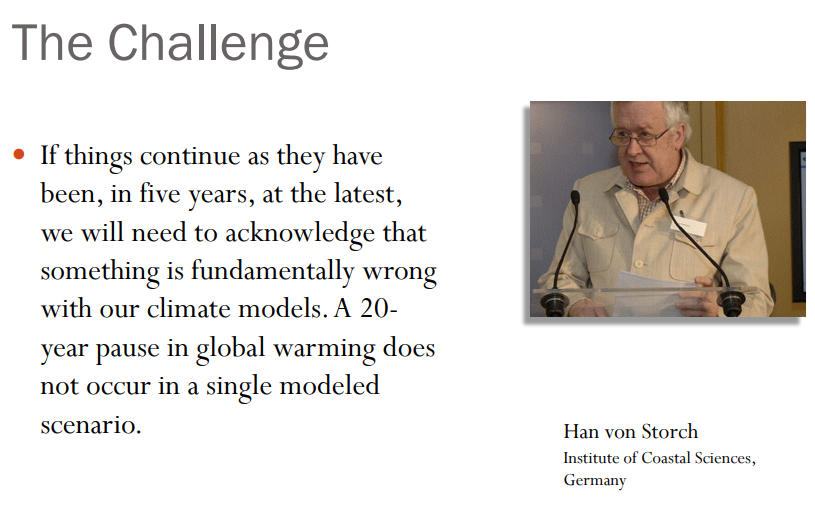
See https://www.friendsofscience.org/assets/documents/McKitrick2014_ThePause.pdf and https://www.rossmckitrick.com/uploads/4/8/0/8/4808045/model_obs_comp_nov_2019.pdf
The fact that CO2 emissions lead to changes in the atmospheric carbon concentration is not controversial. Nor is the fact that CO2 and other greenhouse gases (GHGs) absorb infrared energy in the atmosphere and contribute to the overall greenhouse effect. Increases in CO2 levels are therefore expected to lead to atmospheric warming, and this is the basis for the current push to enact policies to reduce GHG emissions.
For more than 25 years, climate models have reported a wide span of estimates of the sensitivity of the climate to CO2 emissions, ranging from relatively benign to potentially catastrophic. These continuing uncertainties have direct policy implications. Economic models for analyzing climate policy are calibrated using climate models, not climate data. In a low-sensitivity model, GHG emissions lead only to minor changes in temperature, so the socioeconomic costs associated with the emissions are minimal. In a high-sensitivity model, large temperature changes would occur, so marginal economic damages of CO2 emissions are larger.
The data show that, over the past two decades, warming has actually slowed down to a pace well below most model projections. Depending on the data set used, there has been no statistically significant temperature change for the past 15 to 20 years. Yet atmospheric GHG levels have increased rapidly over this interval, and there is now a widening discrepancy between most climate model projections and observed temperatures.
Since economic models are trained to match climate models, if climate models overstate the effect of CO2 emissions, economic models will overstate the social damages associated with them. Consequently, there is good reason to suppose that economic models too may be subject to revision over the next few years. Hence, it is essential to build into the policy framework clear feedback mechanisms that connect new data about climate sensitivity to the stringency of the emissions control policy. And since important new information about climate sensitivity is expected within a few years, there is value to waiting for this information before making any irreversible climate policy commitments, in order to avoid making costly decisions that are revealed a short time later to have been unnecessary.
12. Are temperatures changing? What about air quality?
21 Feb 2020 Leave a comment
in applied welfare economics, energy economics, environmental economics, global warming Tags: climate alarmists
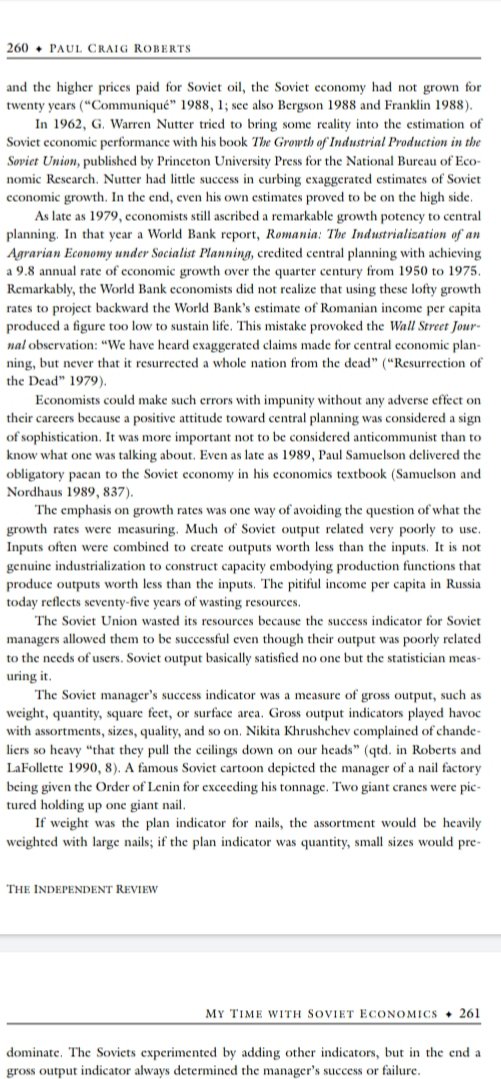
Hayek’s finest paper
16 Feb 2020 Leave a comment
in applied price theory, applied welfare economics, Austrian economics, comparative institutional analysis, economics of information, F.A. Hayek, history of economic thought, industrial organisation, property rights Tags: The fatal conceit, The meaning of competition, The pretence to knowledge
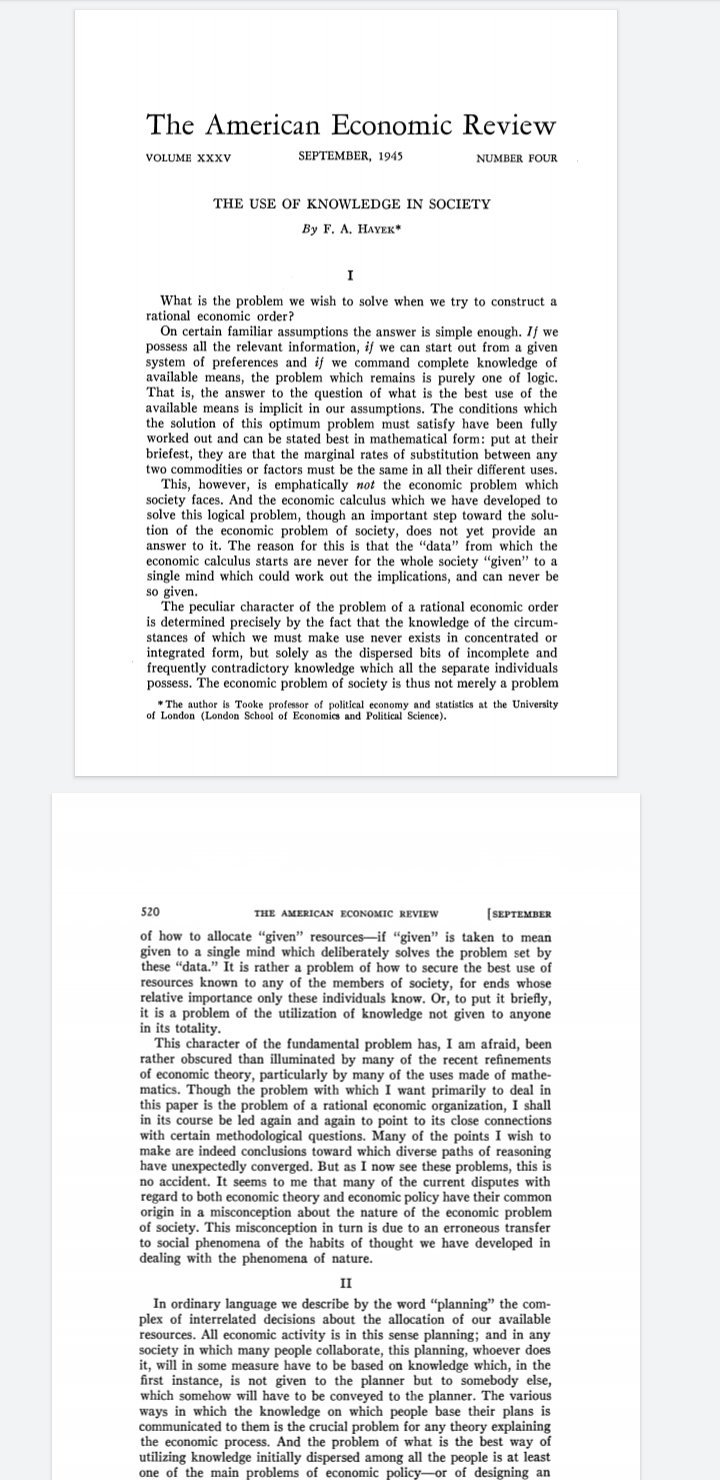
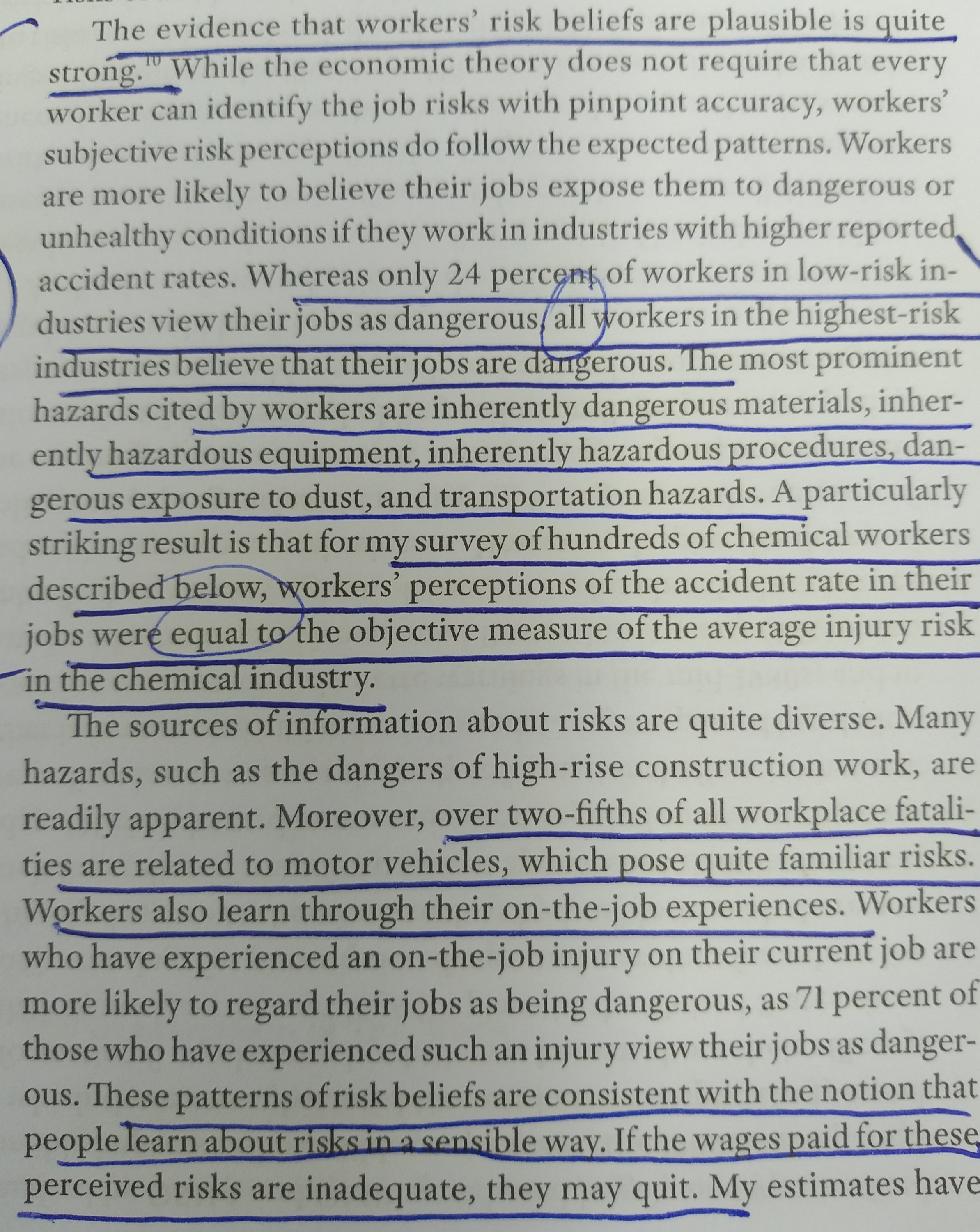
Edward Prescott, Monetary Policy with 100% Reserve Banking: An Exploration
12 Feb 2020 Leave a comment
in applied price theory, applied welfare economics, budget deficits, business cycles, econometerics, economic history, Edward Prescott, global financial crisis (GFC), great depression, great recession, industrial organisation, macroeconomics, Milton Friedman, monetarism, monetary economics, property rights, Public Choice, Robert E. Lucas Tags: real business cycles
Competition Law and the Free Market – The Antitrust Paradox: A Policy at War with Itself – Easterbrook, Ginsberg and Manne
04 Feb 2020 Leave a comment
in applied welfare economics, Austrian economics, comparative institutional analysis, economic history, economics of bureaucracy, economics of information, economics of regulation, history of economic thought, industrial organisation, law and economics, politics - USA, Public Choice Tags: competition law
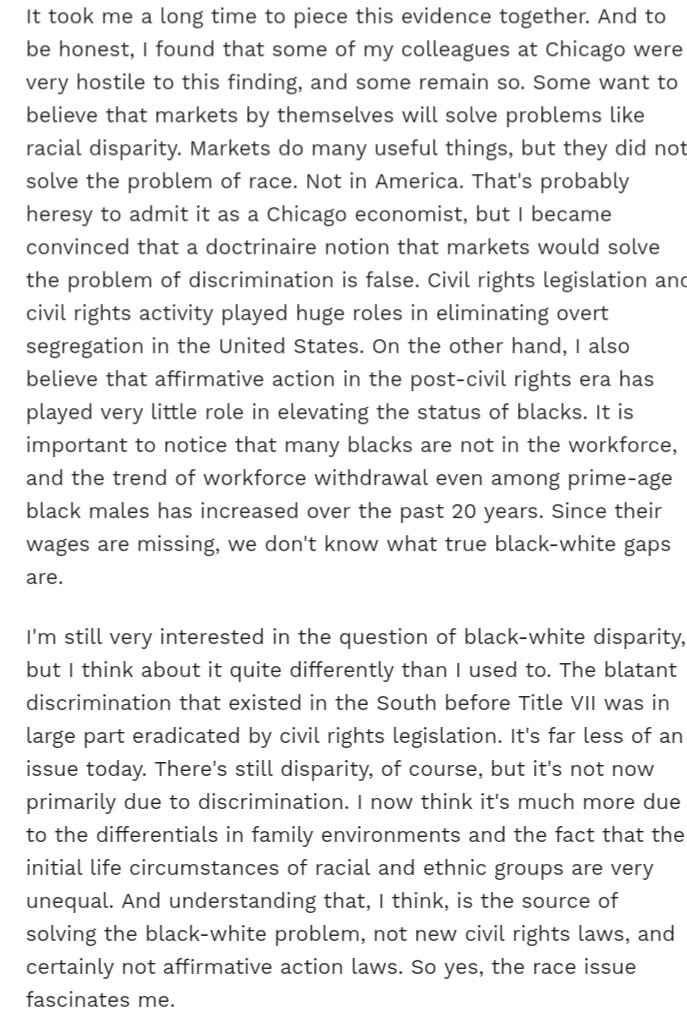
James Heckman on affirmative action
01 Feb 2020 Leave a comment
in applied price theory, applied welfare economics, comparative institutional analysis, constitutional political economy, discrimination, econometerics, economic history, economics of bureaucracy, economics of education, economics of information, economics of regulation, human capital, income redistribution, labour economics, labour supply, law and economics, occupational choice, occupational regulation, politics - USA, population economics, poverty and inequality, Public Choice, public economics, urban economics Tags: affirmative action, child poverty, family poverty, racial discrimination, The fatal conceit
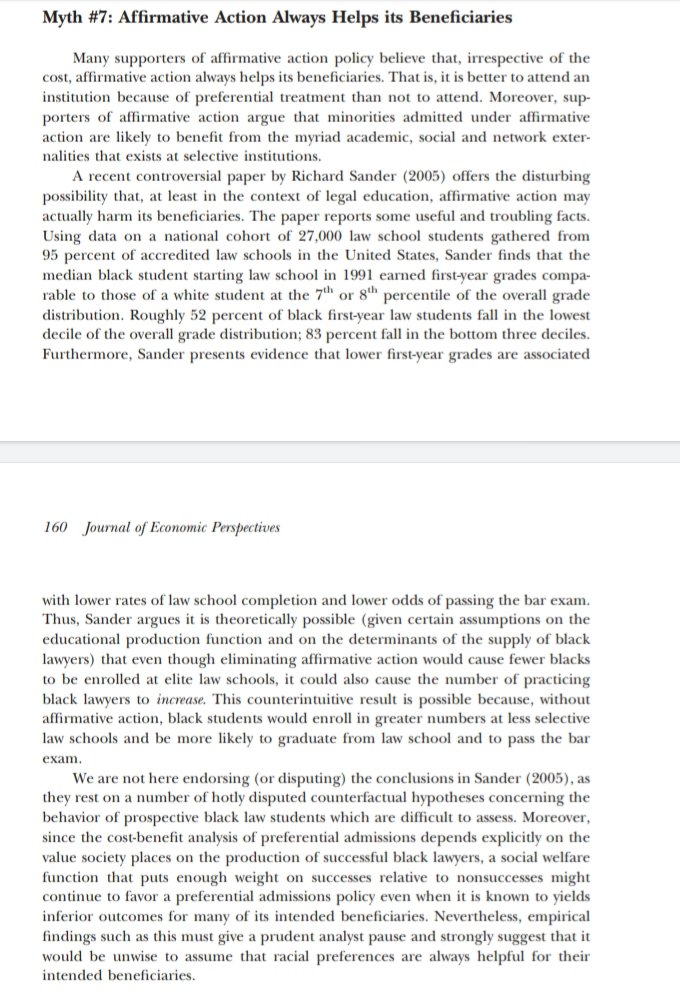
Affirmative Action and Its Mythology by Roland G. Fryer Jr. and Glenn C. Loury
01 Feb 2020 Leave a comment
in applied price theory, applied welfare economics, comparative institutional analysis, discrimination, econometerics, economic history, economics of bureaucracy, economics of education, economics of information, economics of regulation, gender, human capital, income redistribution, labour economics, labour supply, law and economics, occupational choice, politics - USA, poverty and inequality, Public Choice, public economics, rentseeking Tags: affirmative action
 Utopia, you are standing in it!
Recent Comments