
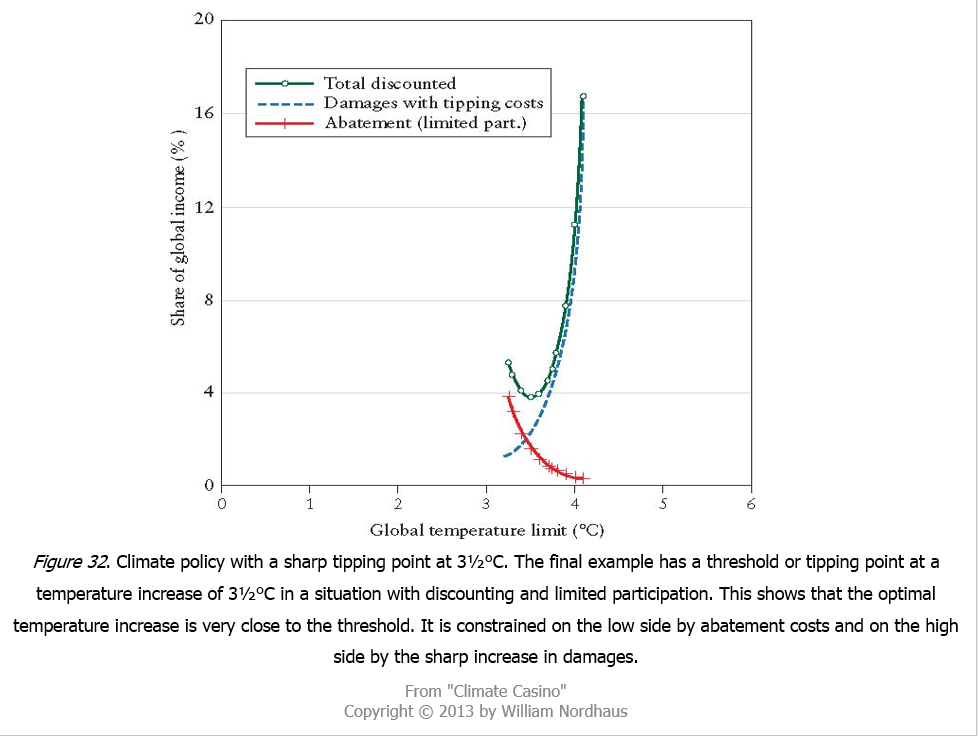
Nordhaus on tipping points in Climate Casino
03 Nov 2019 Leave a comment
in applied price theory, applied welfare economics, econometerics, environmental economics, global warming Tags: climate alarmism
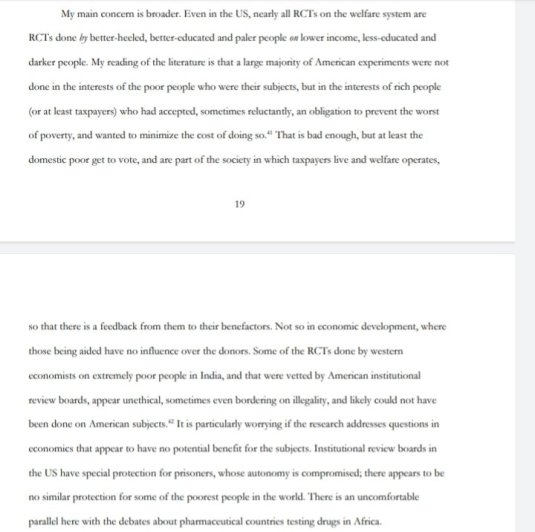
Angus Deaton on randomised trials and the class war
03 Nov 2019 Leave a comment
in applied price theory, applied welfare economics, comparative institutional analysis, development economics, econometerics, economics of bureaucracy, experimental economics, growth disasters, growth miracles, labour economics, law and economics, Public Choice Tags: The fatal conceit
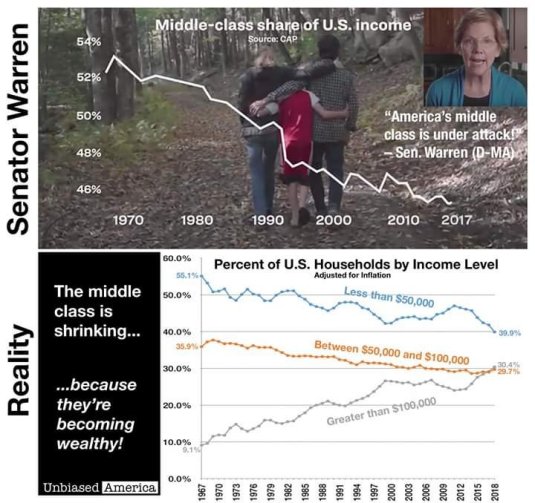
#fakenews from @AOC @SenWarren @BernieSanders
30 Oct 2019 Leave a comment
in applied welfare economics, economics of information, politics - USA, poverty and inequality Tags: 2020 presidential election, envy, top 1%
Are business cycles costly?
28 Oct 2019 Leave a comment
in applied welfare economics, business cycles, economic growth, economic history, Edward Prescott, macroeconomics, monetary economics, Robert E. Lucas Tags: real business cycles

@ProfSteveKeen says “Nordhaus ignores tipping points”
24 Oct 2019 Leave a comment
in applied welfare economics, climate change, environmental economics, global warming

Jennifer Doleac on crime
23 Oct 2019 Leave a comment
in applied price theory, applied welfare economics, comparative institutional analysis, econometerics, economics of crime, economics of information, human capital, labour economics, labour supply, law and economics, occupational choice Tags: crime and punishment, criminal deterrence
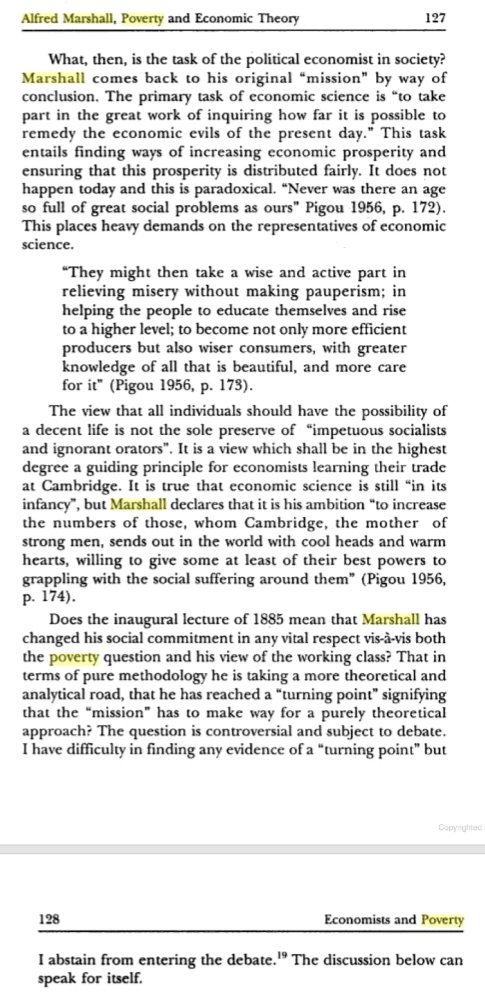
On the ethics of the randomisters
20 Oct 2019 Leave a comment
in applied price theory, applied welfare economics, development economics, econometerics, economics of bureaucracy, economics of education, health economics, Public Choice Tags: The fatal conceit

Would a “Wealth Tax” Help Combat Inequality? A Debate with Saez, Summers, and Mankiw
20 Oct 2019 Leave a comment
in applied price theory, applied welfare economics, comparative institutional analysis, economics of education, entrepreneurship, financial economics, human capital, income redistribution, industrial organisation, labour economics, labour supply, Marxist economics, occupational choice, politics - USA, poverty and inequality, Public Choice, public economics, rentseeking, survivor principle Tags: envy, superstar wages, superstars, taxation and entrepreneurship, taxation and investment, taxation and labour supply, top 1%, wealth taxes
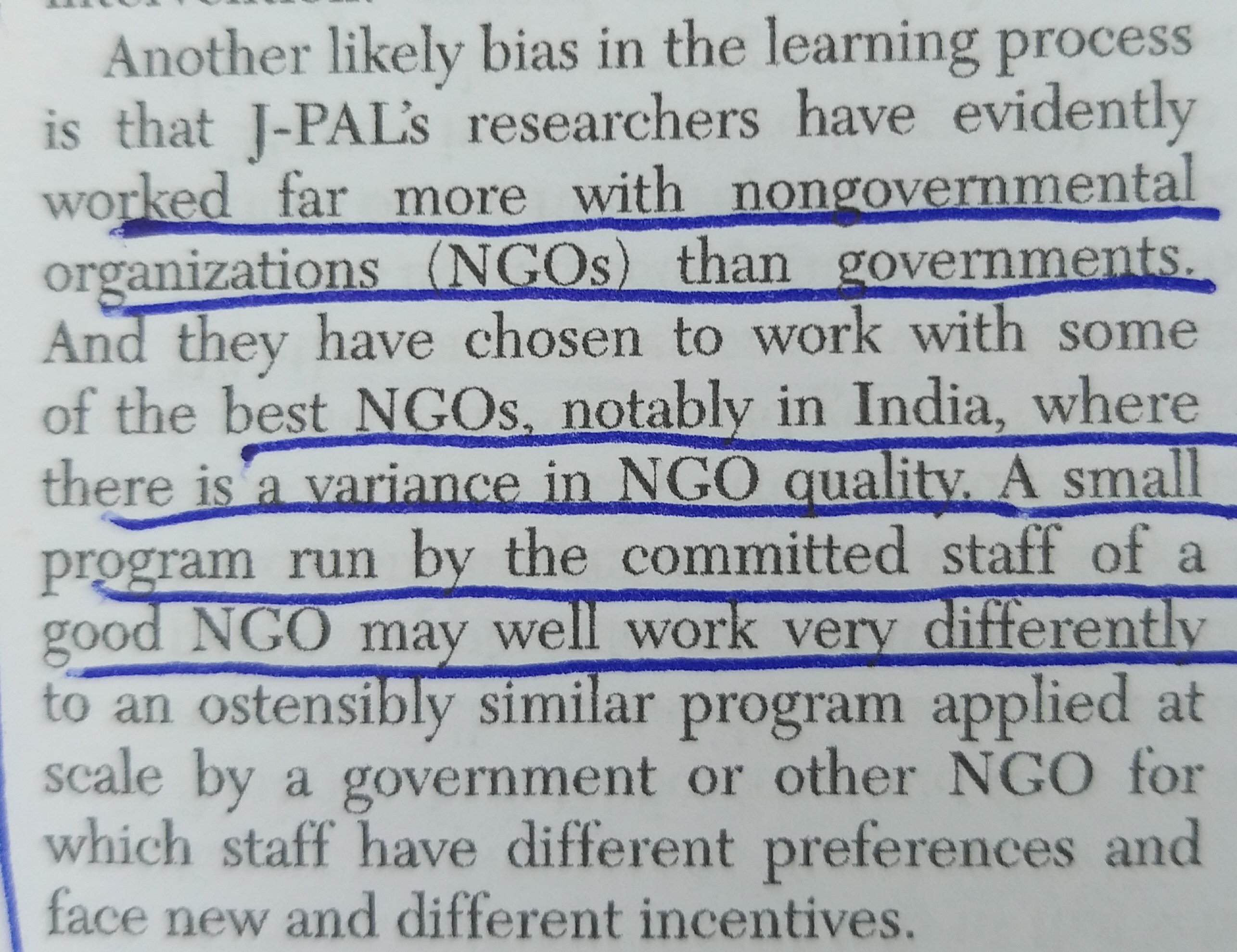
Ravallion on pilot bias or randomisters scaling up in poor, corrupt countries after succcesfully working with squeaky clean NGOs
19 Oct 2019 Leave a comment
in applied price theory, applied welfare economics, comparative institutional analysis, development economics, economics of bureaucracy, economics of crime, economics of information, growth disasters, law and economics, Public Choice Tags: bribery and corruption, The fatal conceit
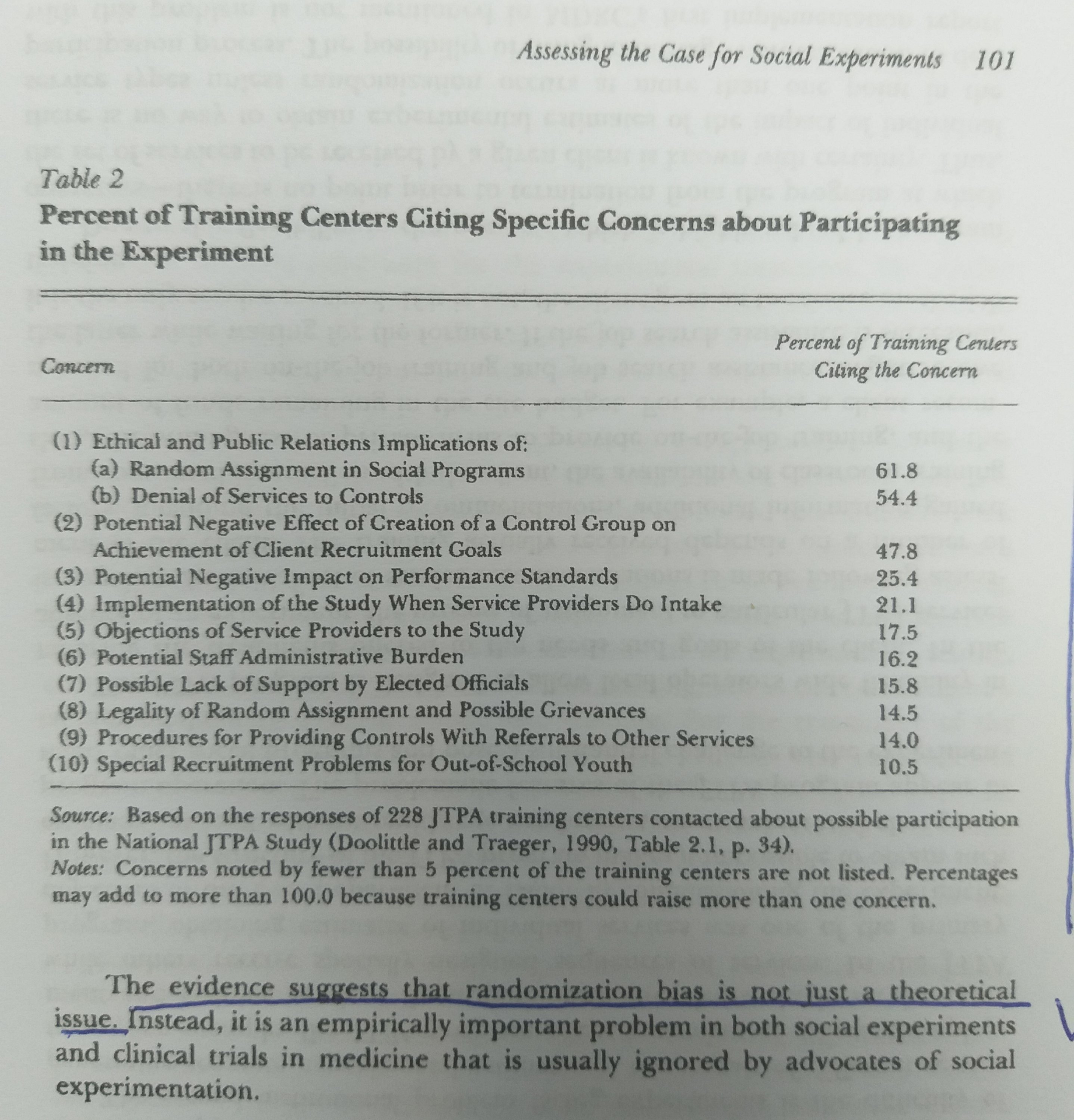
James Heckman on the lab rats fighting back against the randomisters
18 Oct 2019 Leave a comment
in applied price theory, applied welfare economics, econometerics, economics of bureaucracy, economics of information, Public Choice Tags: The fatal conceit
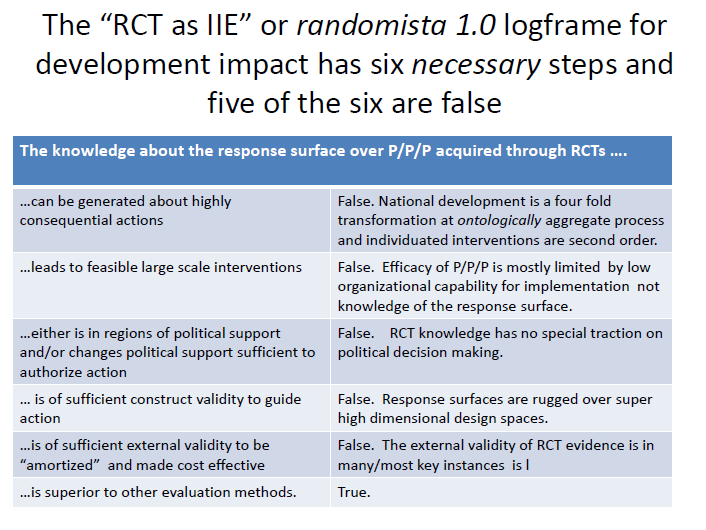
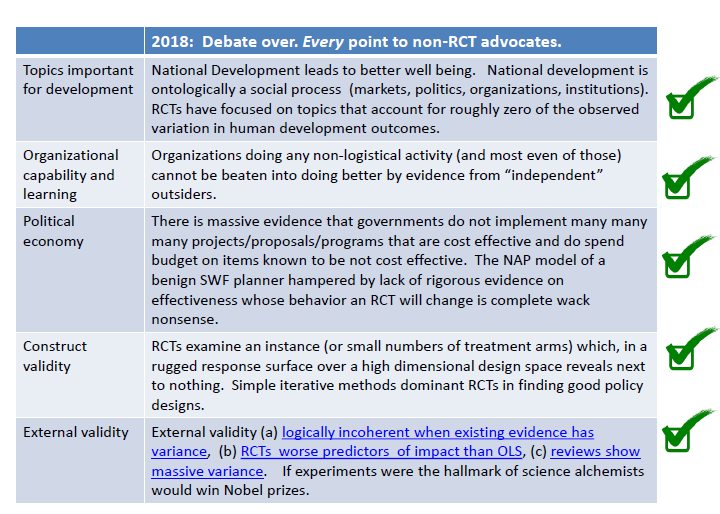
Lant Pritchett — The Debate about RCTs in Development is over.
18 Oct 2019 Leave a comment
in applied price theory, applied welfare economics, comparative institutional analysis, constitutional political economy, development economics, economics of bureaucracy, economics of crime, economics of education, economics of information, economics of regulation, growth disasters, growth miracles, history of economic thought, industrial organisation, labour economics, law and economics, property rights, Public Choice
Douglass North and Timur Kuran: Institutions and Economic Performance
17 Oct 2019 Leave a comment
in applied price theory, applied welfare economics, Austrian economics, comparative institutional analysis, constitutional political economy, defence economics, development economics, economic history, economics of bureaucracy, economics of education, economics of regulation, economics of religion, financial economics, growth disasters, growth miracles, history of economic thought, income redistribution, industrial organisation, law and economics, property rights, Public Choice, rentseeking, survivor principle Tags: The Great Enrichment
 Utopia, you are standing in it!
Recent Comments