Anyone watching and trying to understand last Sunday’s Q&A where Jack Tame interviewed Debbie Ngarewa-Packer will realise that she seems to be beyond reason. Tame tried to examine bits of her blather and her obvious misuse of words, but she immediately slithered like an eel under a rock and made louder assertions about how Maori “korero”…
MICHAEL BASSETT: DEALING WITH TODAY’S SMALL, RAUCOUS, CRAZY MAORI FRINGE
MICHAEL BASSETT: DEALING WITH TODAY’S SMALL, RAUCOUS, CRAZY MAORI FRINGE
22 Jul 2024 Leave a comment
in comparative institutional analysis, economic history, income redistribution, International law, law and economics, politics - New Zealand, property rights, Public Choice, rentseeking Tags: constitutional law, Maori economic development
BBB in the NYT
15 Jul 2024 Leave a comment
in applied price theory, applied welfare economics, comparative institutional analysis, economic history, economics of bureaucracy, economics of regulation, income redistribution, law and economics, politics - USA, property rights, Public Choice, rentseeking, urban economics Tags: housing affordability, land supply, zoning
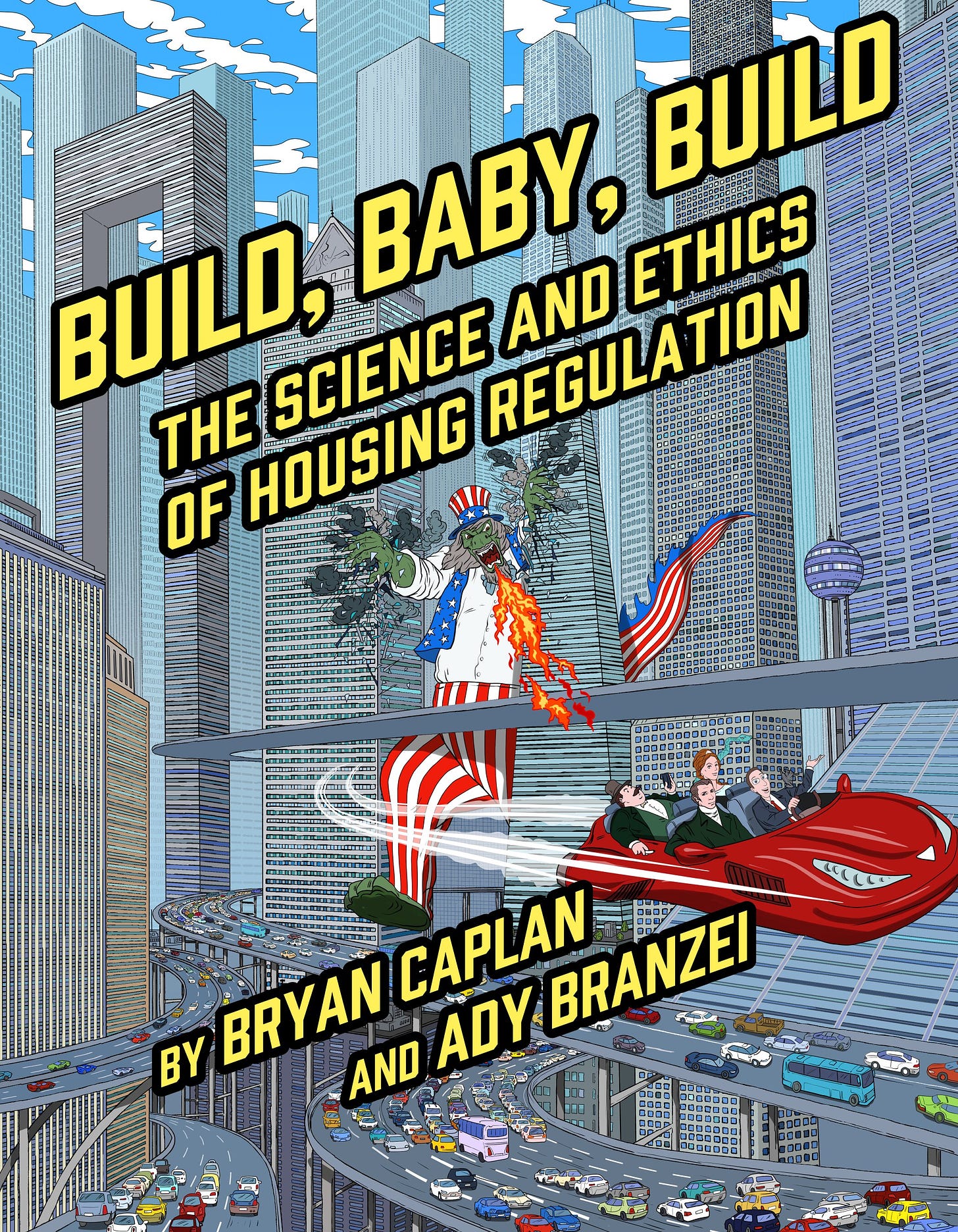
I pitch Build, Baby, Build in today’s New York Times. No illustrations, but a bunch of cool graphs cooked up by Sara Chodosh of the NYT data analytics team. The original title was “The Panacea Policy,” but now it’s “Yes in My Backyard: The Case For Housing Deregulation.” And for you, dear readers, it’s ungated!…
BBB in the NYT
Biden’s Desperate Vote-Buying Proposal for Nationwide Rent Control
15 Jul 2024 Leave a comment
in applied price theory, comparative institutional analysis, economic history, economics of regulation, income redistribution, law and economics, politics - USA, property rights, Public Choice, rentseeking, urban economics Tags: rent control
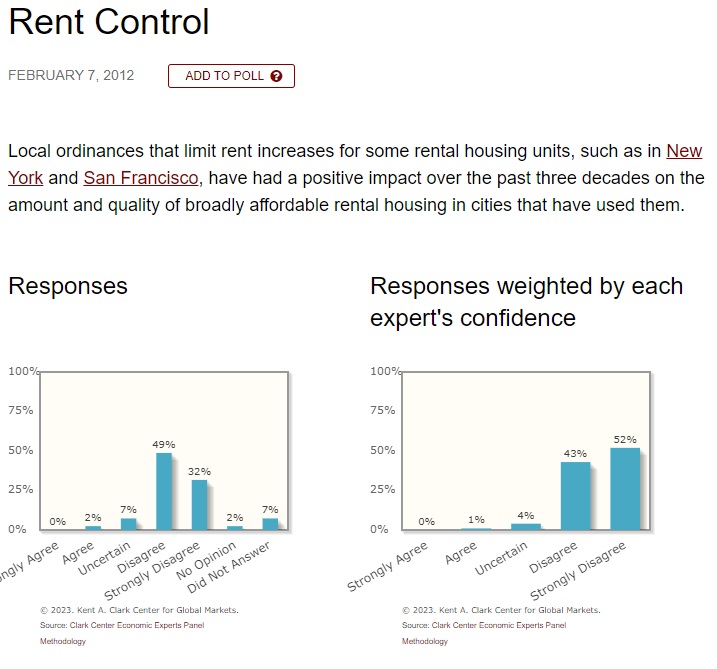
I’m not a political pundit, but I’m guessing that yesterday’s despicable assassination attempt on Donald Trump increases the likelihood that he reclaims the White House. That’s probably not good news for trade policy (though Biden has been just as bad), but it will be very good news for housing policy. Not because of what Trump […]
Biden’s Desperate Vote-Buying Proposal for Nationwide Rent Control
Market Preserving Federalism in the USA
14 Jul 2024 Leave a comment
in applied price theory, comparative institutional analysis, economics of bureaucracy, income redistribution, Public Choice, rentseeking
One of my favorite economic journal articles is by Barry Weingast and has the short title “Market Preserving Federalism” (MPF). In this paper, Weingast lays out the conditions necessary for two tenuous equilibria: A) Federalism & B) Federalism that preserves a market economy. Given that we just celebrated Independence Day in the USA, it seems […]
Market Preserving Federalism in the USA
Bryan Caplan on YIMBY in the NYT
12 Jul 2024 Leave a comment
in applied price theory, applied welfare economics, comparative institutional analysis, economic history, economics of regulation, income redistribution, law and economics, politics - USA, property rights, Public Choice, regulation, rentseeking, urban economics Tags: housing affordability, land supply, zoning
Here is one excerpt: What few appreciate is that the overregulation of housing has blocked a classic American path: moving to a higher-wage part of the country to secure a better life. A paper by the economists Peter Ganong and Daniel Shoag shows that housing costs now routinely outweigh wage gains: While janitors and waiters do indeed […]
Bryan Caplan on YIMBY in the NYT
Is France about to demonstrate “ideal” semi-presidentialism in action?
12 Jul 2024 Leave a comment
in comparative institutional analysis, constitutional political economy, law and economics, Public Choice Tags: France
The outcome of the French assembly election of 2024 appears to have set up a situation that could be described as the “ideal” way that semi-presidential systems are meant to operate, based on how such governance models were articulated by their original theorists.
Is France about to demonstrate “ideal” semi-presidentialism in action?
Pharmac’s free ride won’t last forever
04 Jul 2024 Leave a comment
in applied price theory, comparative institutional analysis, health economics Tags: drug lags
Americans contribute disproportionately toward the pharmaceutical innovation from which we all benefit, but their tolerance for subsidising the rest of the world is on the wane… Eric Crampton writes If philosophy students remember one thing from their lectures on Immanuel Kant in undergraduate classes, it is his categorical imperative. It’s easy to remember […]
Pharmac’s free ride won’t last forever
Do not stifle supply and then subsidize demand
25 Jun 2024 Leave a comment
in applied price theory, applied welfare economics, comparative institutional analysis, income redistribution, law and economics, politics - USA, Public Choice, rentseeking Tags: offsetting behavior, unintended consequences
That phrasing comes from Arnold Kling, right? It is also the topic of my latest Bloomberg column. Here is one bit: Unfortunately, the US already was setting a bad example for the British. Recent plans from the Biden administration called for a broadly similar approach to housing policy, namely subsidizing demand. Earlier this year, Biden called for […]
Do not stifle supply and then subsidize demand
Guest Post: Funding Infrastructure
24 Jun 2024 Leave a comment
in applied price theory, comparative institutional analysis, economics of bureaucracy, politics - New Zealand, Public Choice, transport economics, urban economics
A guest post by Gary Lindsay responding to the speech by Infrastructure Minister Chris Bishop: Chris Bishop’s speech regarding infrastructure has been a long time coming. It’s great that a government is finally serious about the massive infrastructure deficit that has been building since the major (necessary) cuts in 1984. Correcting a 40 year infrastructure […]
Guest Post: Funding Infrastructure
Murphy’s Law of Economic Policy
21 Jun 2024 Leave a comment
in applied price theory, applied welfare economics, comparative institutional analysis, economics of bureaucracy, economics of regulation, history of economic thought, Public Choice, public economics

Economists have the least influence on policy where they know the most and are most agreed; they have the most influence on policy where they know the least and disagree most vehemently.” I’d never heard of it before and it’s quoted in this review of a book called “Free Lunch Thinking – How Economics Ruins […]
Murphy’s Law of Economic Policy
Can Democracy Survive the “Defenders of Democracy”?
11 Jun 2024 Leave a comment
in comparative institutional analysis, constitutional political economy, economics of crime, law and economics, politics - USA Tags: 2016 US presidential election, 2020 presidential election, 2024 presidential election

Below is my column in The Hill on the latest calls to protect democracy with distinctly undemocratic measures. Former presidential candidate Hillary Clinton insisted that the 2024 election was our D-Day, suggesting that voters would have to fight the GOP like the Nazis in World War II. Clinton previously called on Europe to censor American […]
Can Democracy Survive the “Defenders of Democracy”?
Leftists Against Growth: Honest, but Wrong
10 Jun 2024 Leave a comment
in comparative institutional analysis, constitutional political economy, development economics, economic growth, economic history, macroeconomics Tags: constitutional law
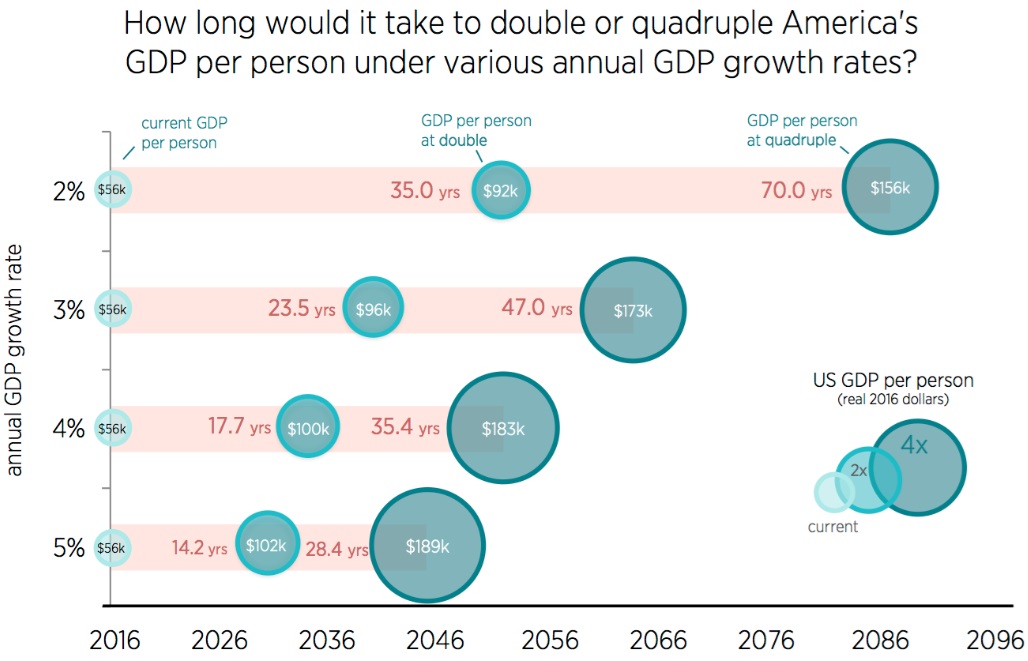
Just as trend lines are important for fiscal policy, they are perhaps even more important when looking at economic performance. Even small difference in annual growth rates, for instance, can lead to big changes in prosperity within a couple of decades. And enormous changes over longer periods of time. All of which explains why I’m […]
Leftists Against Growth: Honest, but Wrong
On electing gangsters
10 Jun 2024 Leave a comment
in comparative institutional analysis, development economics, economic history, economics of bureaucracy, economics of crime, growth disasters, growth miracles, income redistribution, law and economics, Public Choice, rentseeking Tags: economics of corruption, India
In India it’s common for politicians to have criminal cases against them. Why do voters vote for criminals? One compelling explanation provided by political scientist Milan Vaishnav is that voters often care less about their represntative’s ability to deliver broad-based development or draft good laws, and more about the effectiveness at helping them access limited […]
Haan, goonda hai, magar hamara goonda hai
Did the British Empire REALLY Drive the Industrial Revolution? IEA Debates
06 Jun 2024 Leave a comment
in applied price theory, comparative institutional analysis, constitutional political economy, economic history, economics of bureaucracy, growth disasters, growth miracles, income redistribution, Public Choice, rentseeking Tags: Age of Discovery, age of empires, economics of colonialism
Nicholas Kilford: Interpreting The Devolution Statutes
05 Jun 2024 Leave a comment
in comparative institutional analysis, constitutional political economy, law and economics Tags: British constitutional law, British politics, Scotland

*Editors’ Note: This post is part of the ‘Unwritten Constitutional Norms and Principles Blog Series’* Throughout the life of devolution, the courts appear to have diverged on how to properly determine the scope and limits of devolved lawmaking power, and the extent to which norms and principles not expressly contained in the text of the […]
Nicholas Kilford: Interpreting The Devolution Statutes
 Utopia, you are standing in it!
Recent Comments