10 Reasons You Might Be A Liberal
03 Oct 2015 Leave a comment
in constitutional political economy, liberalism Tags: capitalism and freedom
Deirdre McCloskey on Bourgeois Equality: How Ideas, Not Capital, Changed the World
02 Oct 2015 Leave a comment
in applied price theory, constitutional political economy, economic growth, economic history, liberalism Tags: Deirdre McCloskey, The Great Enrichment, The Great Fact
This chart shows one of humanity's greatest modern accomplishments vox.com/2015/8/13/9145… http://t.co/QSxzps2i3Z—
Vox (@voxdotcom) August 13, 2015
@NZGreens @JulieAnneGenter are right! Government cars should go electric!
01 Oct 2015 Leave a comment
in constitutional political economy, economics of bureaucracy, politics - New Zealand, transport economics
Ministerial cars going electric is a great idea. The range limitations and range anxiety inherent to electric cars would mean ministers will find it much more difficult to do their jobs and therefore will have less time each day to mess up the economy and regulate unnecessarily.

One of the most productive things I ever saw the Green MPs do in Wellington was taking the bus to and from work.
I could not be happier when I saw Green coleaders Russel Norman and Metiria Turei waiting at a bus stop. They are just waiting, they will not working with a colleague, they were not working on their phones. They were just standing there doing nothing. That was the most productive moments of their times in parliament.

Every second a Green MP spends waiting for a bus and travelling on a bus and arranging to fit in with bus timetables is one second less spent making New Zealand a poorer country and deterring investment from coming to New Zealand through their high tax and heavy regulation policies.
The politics of marijuana in the USA
30 Sep 2015 Leave a comment
in comparative institutional analysis, constitutional political economy, economics of crime, law and economics, politics - Australia, politics - New Zealand, politics - USA, Public Choice Tags: economics of federalism, laboratory federalism, marijuana decriminalisation, meddlesome preferences, medical marijuana, nanny state
In representative democracy that is a unitary state such as New Zealand, the issue on marijuana decriminalisation is who will change their vote to vote against a party who advocates marijuana decriminalisation under a MMP system where all elections are close.
A plurality of Americans back marijuana reform. Another 20% don't care. Only 3 in 10 oppose.
msnbcmedia.msn.com/i/MSNBC/Sectio… http://t.co/UlvBT1D0ms—
Christopher Ingraham (@_cingraham) September 29, 2015
In a strong federal state, where some states allow citizen initiated referendums to change the law, it is possible to pioneer reform without that backlash. Then laboratory federalism takes over. Subsequent to the decriminalisation of marijuana or medical marijuana by various state governments, the Congress defunded federal marijuana drug law enforcement in states who had decriminalised marijuana. That major reform was underreported.
RT @oxfamnz @Oxfam what halved global poverty in 15 years? @NZGreens @RusselNorman @GreenpeaceNZ
30 Sep 2015 Leave a comment
in comparative institutional analysis, constitutional political economy, development economics, economic history, growth disasters, growth miracles, liberalism, Public Choice Tags: capitalism and freedom, Leftover Left, New Zealand Greens, Oxfam, The Great Enrichment, The Great Escape, The Great Fact, Twitter left
How can we eradicate #poverty by 2030? @Winnie_Byanyima wef.ch/1QvSVPW #development http://t.co/reBsT24BU3—
World Economic Forum (@wef) September 24, 2015
@syed17005919 @Noahpinion Look at what happened in a "world where corporations rule:" http://t.co/tAbbJW1Gvd—
David Andolfatto (@dandolfa) June 28, 2015
In 1980, the average American was 42x wealthier than the average Chinese. Now it's 4x wapo.st/1j6YcDc http://t.co/7afGdDf6mp—
Ana Swanson (@AnaSwanson) September 22, 2015
Parliament debates the Sustainable Development Goals today. But how did the MDGs fare? bit.ly/1gbcH6W http://t.co/r12PKVmPzK—
Commons Library (@commonslibrary) September 10, 2015
How the UN works: Set an unverifiable goal and then claim you achieved it. goo.gl/onJjCm http://t.co/bKm7zgeynH—
Steve Milloy (@JunkScience) September 29, 2015
How did the MDGs fare?
27 Sep 2015 Leave a comment
in comparative institutional analysis, constitutional political economy, development economics, economic history, growth disasters, growth miracles Tags: do gooders, MDG, ODA, overseas aid, United Nations
Parliament debates the Sustainable Development Goals today. But how did the MDGs fare? bit.ly/1gbcH6W http://t.co/r12PKVmPzK—
Commons Library (@commonslibrary) September 10, 2015
More reasons to let @jeremycorbyn be Corbyn – non-voters believe much the same things as voters
24 Sep 2015 1 Comment
in constitutional political economy, income redistribution, Marxist economics, Public Choice Tags: British politics, expressive voting, rational ignorance, rational irrationality, Twitter left, voter demographics
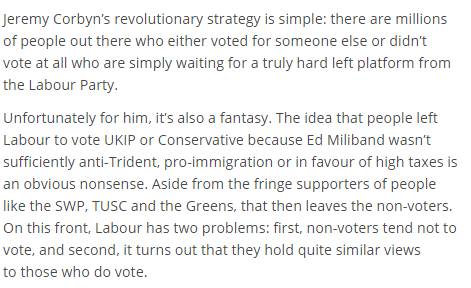
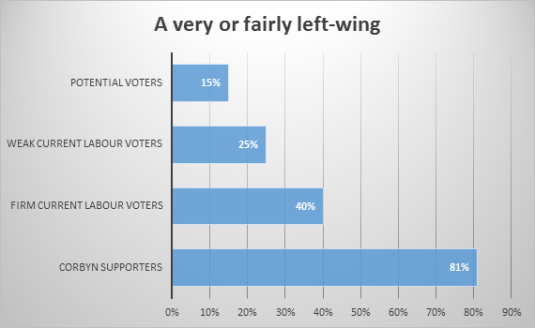
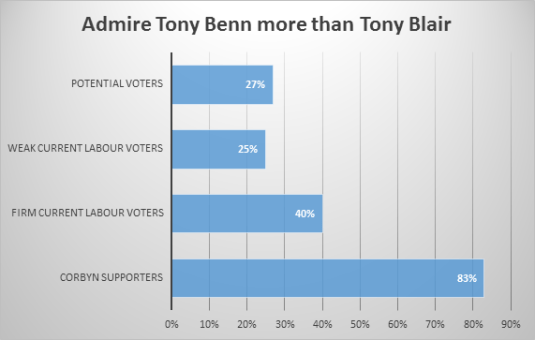
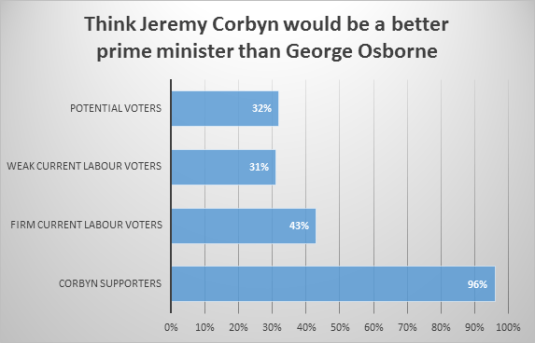
It is vital to permanent Tory rule that Jeremy Corbyn stay staunch to the principles and electoral strategy on which he was elected by Labour Party members and supporters to be their leader and alternative Prime Minister.
Source: The huge shock coming down the track for the Corbynites | Conservative Home
Source: New polling data shows the challenge facing Jeremy Corbyn
Source: New polling data shows the challenge facing Jeremy Corbyn
Source: New polling data shows the challenge facing Jeremy Corbyn
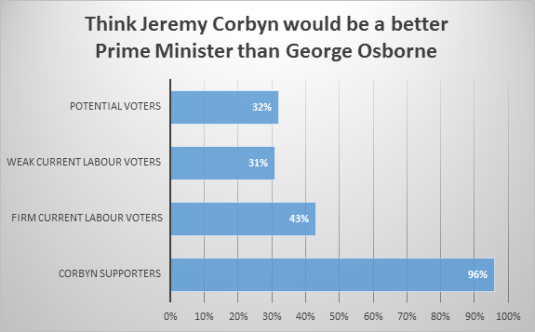
Source: New polling data shows the challenge facing Jeremy Corbyn
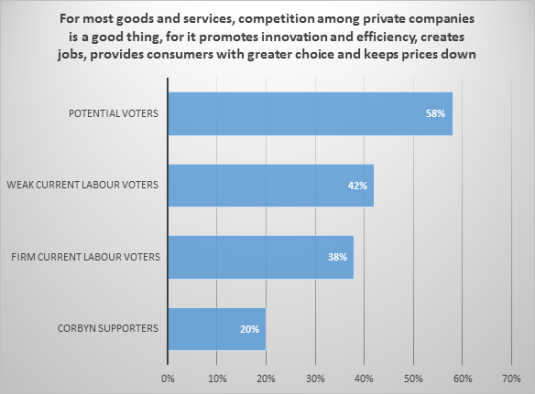
Source: New polling data shows the challenge facing Jeremy Corbyn
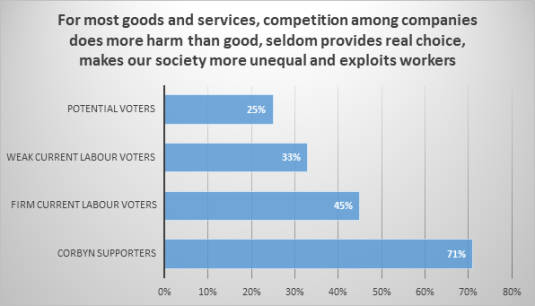
Source: New polling data shows the challenge facing Jeremy Corbyn
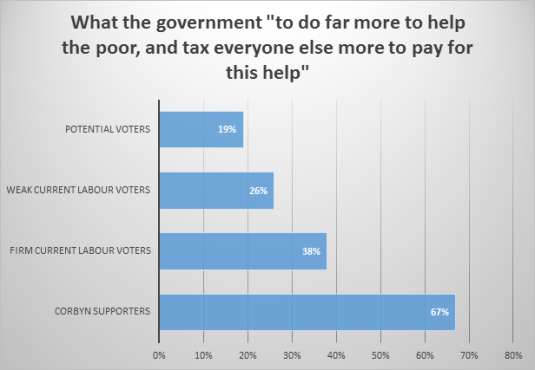
Source: New polling data shows the challenge facing Jeremy Corbyn
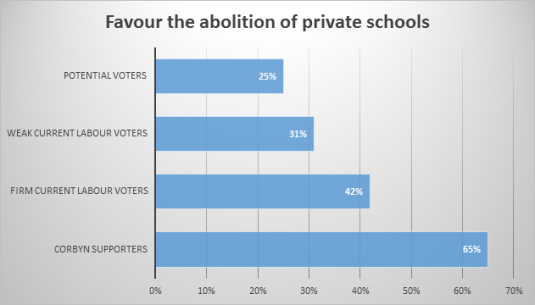
Source: New polling data shows the challenge facing Jeremy Corbyn
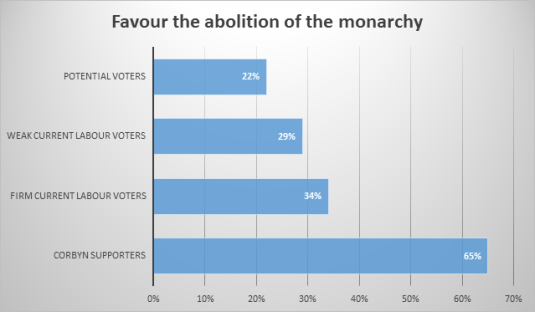
Source: New polling data shows the challenge facing Jeremy Corbyn
Peter Kellner: Measuring the gap between Corbyn’s supporters and Labour’s target voters – y-g.co/1izSpph http://t.co/f1NaNL4xgt—
(@YouGov) September 25, 2015
If Economists Are So Smart, Why Is Africa So Poor?
23 Sep 2015 Leave a comment
in constitutional political economy, development economics, economic history, growth disasters, growth miracles

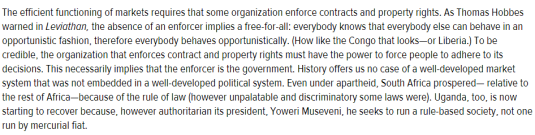
Source: Stephen Haber, Douglass C. North, and Barry R. Weingast If Economists Are So Smart, Why Is Africa So Poor? | Hoover Institution
The rise of democracy in the 20th century
20 Sep 2015 Leave a comment
in constitutional political economy, income redistribution, liberalism, Marxist economics, Public Choice, rentseeking, war and peace Tags: Age of the Enlightenment, capitalism and freedom, rule of law
Hayek explains the inexplicable value of capitalism and traditions
13 Sep 2015 Leave a comment
in applied price theory, applied welfare economics, comparative institutional analysis, constitutional political economy, F.A. Hayek, liberalism Tags: capitalism and freedom, market selection, spontaneous order, The meaning of competition
@NZGreens are so polite on Twitter @MaramaDavidson @RusselNorman @greencatherine
12 Sep 2015 1 Comment
in comparative institutional analysis, constitutional political economy, economics of media and culture, liberalism, managerial economics, organisational economics Tags: Cass Sunstein, Daily Me, information cocoons, infotopia, John Stuart Mill, Karl Popper, New Zealand Greens, Twitter, Twitter left
One of the first things I noticed when feuding on Twitter with Green MPs was how polite they were. Twitter is not normally known for that characteristic and that is before considering the limitations of 144 characters. People who are good friends and work together will go to war over email without any space limitations for the making an email polite and friendly. Imagine how easy it is to misconstrue the meaning and motivations of tweets that can only be 144 characters.

The New Zealand Green MPs in their replies on Twitter make good points and ask penetrating questions that explain their position well and makes you think more deeply about your own. Knowledge grows through critical discussion, not by consensus and agreement.

Cass Sunstein made some astute observations in Republic.com 2.0 about how the blogosphere forms into information cocoons and echo chambers. People can avoid the news and opinions they don’t want to hear.
Sunstein has argued that there are limitless news and information options and, more significantly, there are limitless options for avoiding what you do not want to hear:
- Those in search of affirmation will find it in abundance on the Internet in those newspapers, blogs, podcasts and other media that reinforce their views.
- People can filter out opposing or alternative viewpoints to create a “Daily Me.”
- The sense of personal empowerment that consumers gain from filtering out news to create their Daily Me creates an echo chamber effect and accelerates political polarisation.
A common risk of debate is group polarisation. Members of the deliberating group move toward a more extreme position relative to their initial tendencies! How many blogs are populated by those that denounce those who disagree? This is the role of the mind guard in group-think.
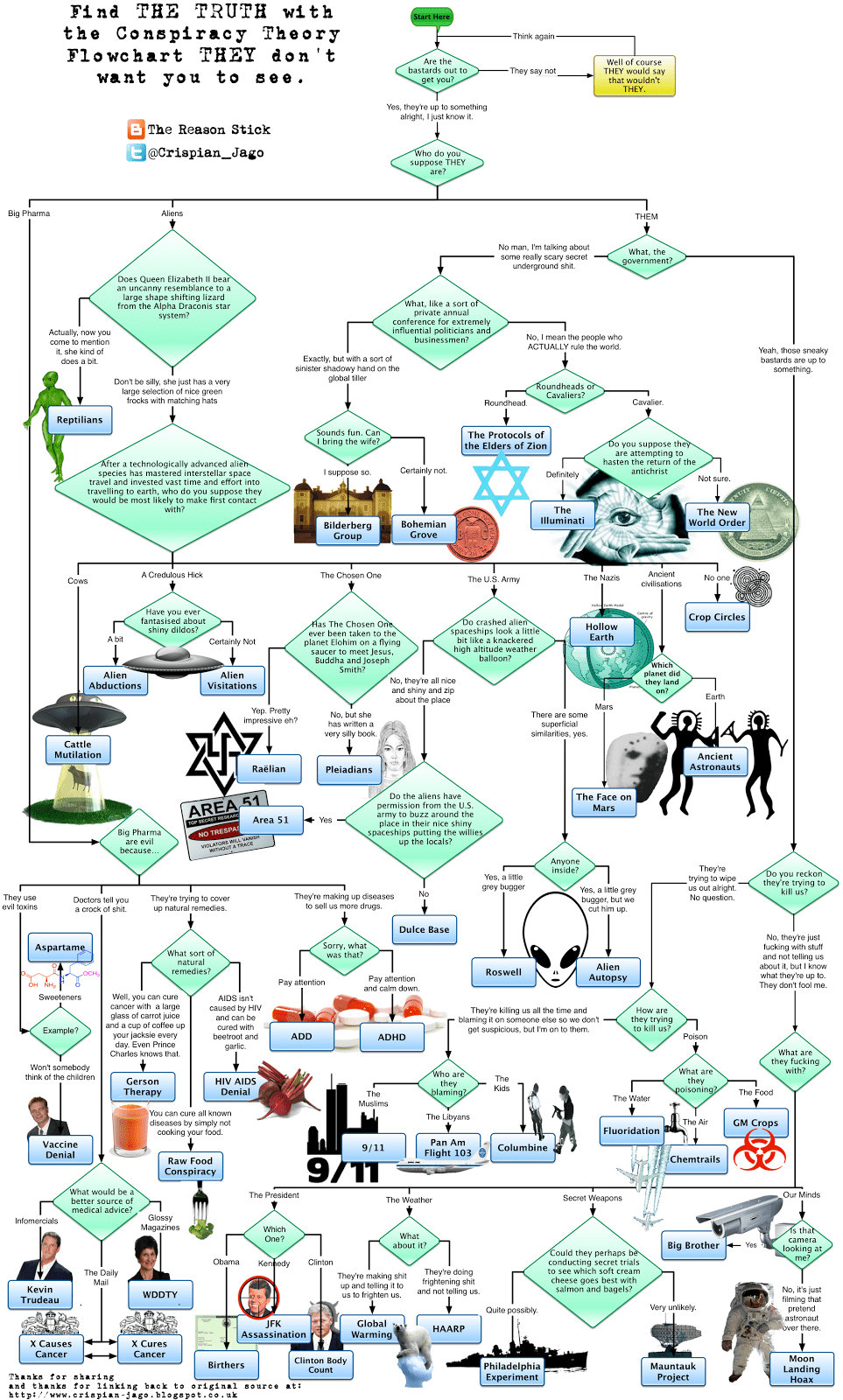
Sunstein in Infotopia wrote about how people use the Internet to spend too much time talking to those that agree with them and not enough time looking to be challenged:
In an age of information overload, it is easy to fall back on our own prejudices and insulate ourselves with comforting opinions that reaffirm our core beliefs. Crowds quickly become mobs.
The justification for the Iraq war, the collapse of Enron, the explosion of the space shuttle Columbia–all of these resulted from decisions made by leaders and groups trapped in “information cocoons,” shielded from information at odds with their preconceptions. How can leaders and ordinary people challenge insular decision making and gain access to the sum of human knowledge?
Conspiracy theories had enough momentum of their own before the information cocoons and echo chambers of the blogosphere gained ground.

J.S. Mill pointed out that critics who are totally wrong still add value because they keep you on your toes and sharpened both your argument and the communication of your message. If the righteous majority silences or ignores its opponents, it will never have to defend its belief and over time will forget the arguments for it.
As well as losing its grasp of the arguments for its belief, J.S. Mill adds that the majority will in due course even lose a sense of the real meaning and substance of its belief. What earlier may have been a vital belief will be reduced in time to a series of phrases retained by rote. The belief will be held as a dead dogma rather than as a living truth.
Beliefs held like this are extremely vulnerable to serious opposition when it is eventually encountered. They are more likely to collapse because their supporters do not know how to defend them or even what they really mean.

J.S. Mill’s scenarios involves both parties of opinion, majority and minority, having a portion of the truth but not the whole of it. He regards this as the most common of the three scenarios, and his argument here is very simple. To enlarge its grasp of the truth, the majority must encourage the minority to express its partially truthful view. Three scenarios – the majority is wrong, partly wrong, or totally right – exhaust for Mill the possible permutations on the distribution of truth, and he holds that in each case the search for truth is best served by allowing free discussion.

Mill thinks history repeatedly demonstrates this process at work and offered Christianity as an illustrative example. By suppressing opposition to it over the centuries Christians ironically weakened rather than strengthened Christian belief. Mill thinks this explains the decline of Christianity in the modern world. They forgot why they were Christians.
Being classically liberal
12 Sep 2015 Leave a comment
in constitutional political economy, liberalism, Public Choice Tags: Leftover Left, meddlesome preferences, nanny state, progressive left, The fatal conceit, The pretence to knowledge
Mises on feminism
12 Sep 2015 Leave a comment
in constitutional political economy, discrimination, economics of education, gender, labour economics, labour supply, liberalism, occupational choice, Public Choice, rentseeking Tags: economics of fertility, economics of the family, engines of liberation, female labour force participation, feminism, women's liberation
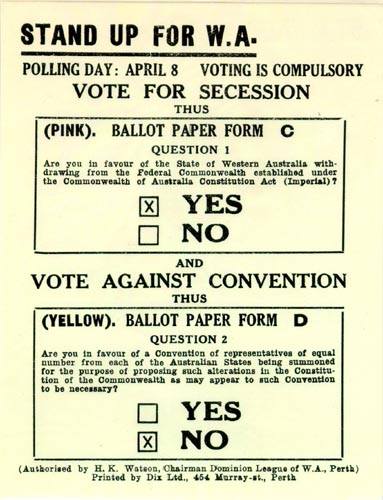
An opportunity lost – to expel #WesternAustralia from the rest of Australia and seal the border
11 Sep 2015 Leave a comment
in comparative institutional analysis, constitutional political economy, economic history, politics - USA, Public Choice, rentseeking Tags: Australia, economics of borders, economics of succession, Scotland, self-determination, succession movements, Western Australia
Western Australian secessionists, in common with Scottish nationalists, really do like to dictate the terms of their succession which always includes an open border and a generous financial settlement regarding division of federal government debts.
How arrogant. Why should parting be sweet? If you do not want us, why should we want you. If you want to find your own destiny, you can find it good and hard.


Recent Comments