A map of Europe based on how many colonies each country had i100.io/SpgD1re http://t.co/Atj5Td1dHN—
i100 (@thei100) July 04, 2015
How many colonies did each European country have?
20 Sep 2015 Leave a comment
in defence economics, economic history, Public Choice, rentseeking Tags: age of empires, British empire, British imperialism, colonialism
Who controls what in Syria and Iraq
31 Aug 2015 Leave a comment
in defence economics, war and peace Tags: Iraq, ISIS, Syria, war on terror
The Kurds are helping fight #ISIS. Why is Turkey bombing them?
16 Aug 2015 Leave a comment
in defence economics, war and peace Tags: ISIS, Kurds, Turkey

Squeamishness kills alert: were the atomic bombings unnecessary? Would have Japan surrendered anyway?
06 Aug 2015 Leave a comment
in defence economics, laws of war, war and peace Tags: atomic bombings, Hiroshima, Japan
https://twitter.com/makingdayscount/status/629162313879154688
8.15 am, 6 August 1945 bit.ly/1IrpJoA
#Hiroshima http://t.co/rtP26Q3qHm—
The Conversation (@ConversationUK) August 06, 2015#ThisDayInHistory 1945 – Atomic bombs were dropped on Hiroshima killing at least 129,000 people. http://t.co/4LmdcoJ034—
Paul Henry (@PaulHenryShow) August 06, 2015https://twitter.com/historyfacts247/status/629304405024763904
The atomic bomb is dropped on Hiroshima on this day 70 years ago. nyti.ms/1MPqwTn http://t.co/GAiWFzQcvV—
NYT Archives (@NYTArchives) August 06, 2015How The Japan Times reported the atomic bombings of Hiroshima and Nagasaki jtim.es/QvTPC http://t.co/xYwL62C16Z—
The Japan Times (@japantimes) August 06, 2015

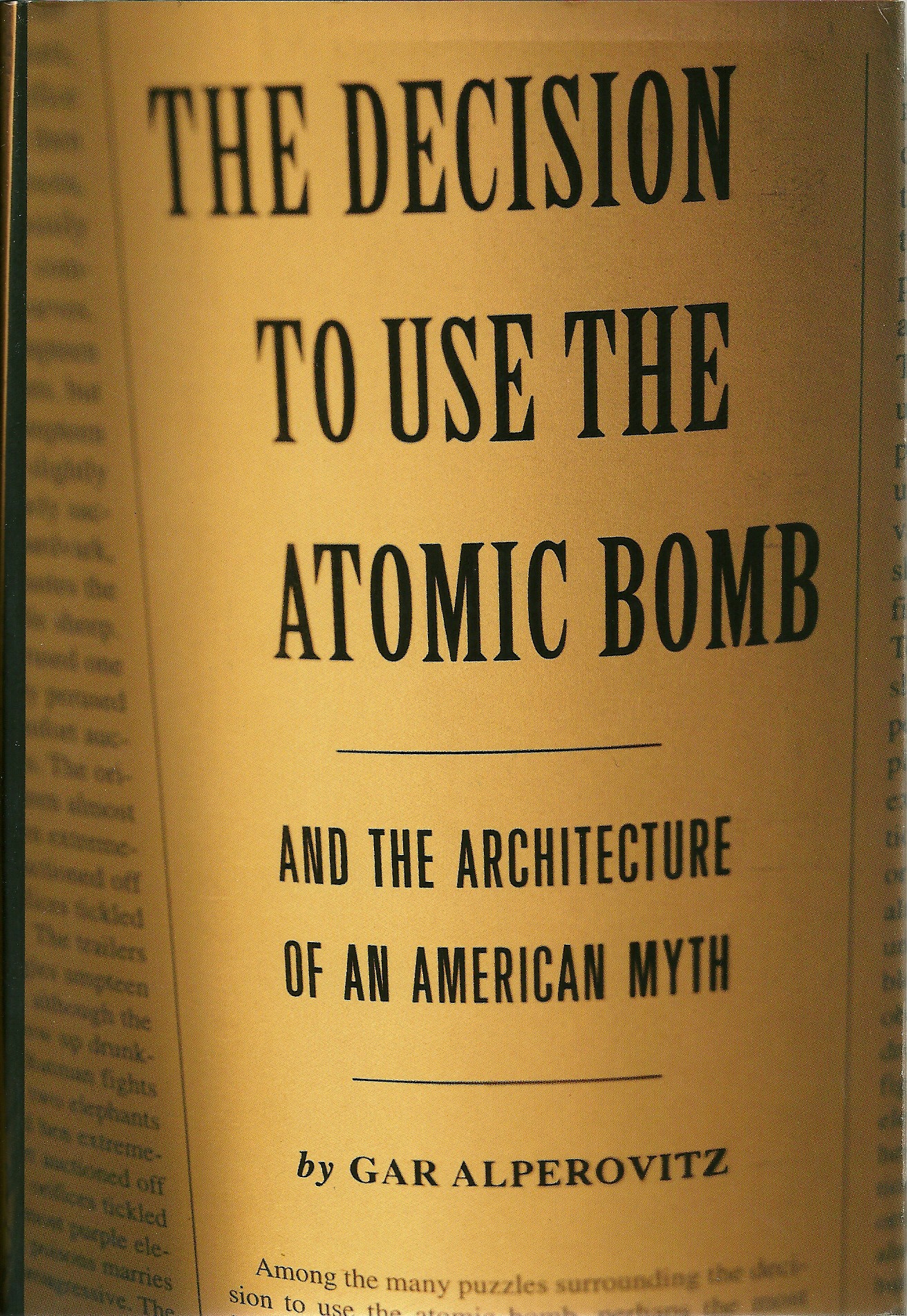
Those that argue that Japan surrendered for reasons other than the atomic bomb put forward contradictory arguments.
The first is the Japan was already seeking terms for surrender. That is true, but among those terms was avoiding occupation.
The Japanese leadership had already interpreted the terms of the Potsdam declaration was a sign of weakness. They hoped that by making the invasion of Japan as bloody as possible, they could extract even better terms in light of this sign of weakness at Potsdam. Kyushu, the obvious initial invasion site in southern Japan, was being heavily reinforced by the middle of 1945.
Japan no longer had a realistic prospect of winning the war by the end of 1994 and they knew it.
Japan’s leaders believed they could make the cost of conquering Japan too high for the Allies to accept, leading to some sort of armistice rather than total defeat. The Japanese…
View original post 529 more words
Modern European borders superimposed over Europe in 1914
06 Aug 2015 Leave a comment
in defence economics, economic history, war and peace Tags: France, Germany, Russia, UK politics, World War I
Modern European borders superimposed over Europe in 1914 immediately before World War ! – bit.ly/1BCI17c http://t.co/0vADDCvp2l—
Brilliant Maps (@BrilliantMaps) December 12, 2014
What a great fort!
04 Aug 2015 Leave a comment
in defence economics, economic history Tags: EU
Bourtange, Netherlands. Built in 1593 (during the Eighty Years' War), this is a great example of a Star Fort. http://t.co/10NnjhaJVf—
History (@HistoryTime_) July 01, 2015
This week in the Syrian civil war
02 Aug 2015 Leave a comment
in defence economics, war and peace Tags: Iran, ISIS, Kurds, Middle-East politics, Syria, Turkey, war against terror
https://twitter.com/ianbremmer/status/625742628450115587/photo/1
The worrying spread of terrorism in Africa http://t.co/C16YJy3szT—
ian bremmer (@ianbremmer) July 20, 2015
Arab Gulf states vastly outspend Iran on military
01 Aug 2015 Leave a comment
in defence economics, economic history, war and peace Tags: arms races, Gulf States, Iran, Middle-East politics, Saudi Arabia
Arab Gulf states vastly outspend Iran on military http://t.co/9Aq2RBpSJm—
ian bremmer (@ianbremmer) July 29, 2015
ISIS terrorist attacks this year
30 Jul 2015 Leave a comment
in defence economics, economics of crime, law and economics, war and peace Tags: ISIS, Middle-East politics, war against terror
https://twitter.com/nytgraphics/status/625780164610379777/photo/1
ISIS has inspired or directed attacks in at least 14 countries outside of Iraq and Syria nyti.ms/1Lfwbof http://t.co/ptDFG3EXRU—
NYT Graphics (@nytgraphics) July 27, 2015
John Howard’s birthday – what I admire most about him
26 Jul 2015 Leave a comment
in defence economics, economic history, politics - Australia, Public Choice, Thomas Schelling, war and peace Tags: Australian national security policy, East Timor, game theory, Indonesia, John Howard
What I admire most about John Howard was his decision to intervene in East Timor to stop massacres, which were a by-product of succession struggles within TNI. Howard didn’t have to do that. He didn’t.
If there ever was a prime directive in Australian national security policy, more so than have a great and powerful friend (first the UK, than the USA, dumping Britain like a stone in 1941 when a better great and powerful friend became available), it’s never put Australian military forces in a position risking an exchange of fire with TNI.
That did happen during the East Timor intervention. There were armed stand-offs at roadblocks between the Australian Army and TNI. Platoon leaders in the Australian Army had to keep their cool with guns drawn on both sides otherwise it would be a real shooting war that could spiral out of control.
That is why there is a genuine risk of major war not from accidents in the military machine but through a diplomatic process of commitment and escalation that is itself unpredictable. Schelling also argues that nations, like people, are continually engaged in demonstrations of resolve, tests of nerve, and explorations for understandings and many misunderstandings.
In Schelling’s view, many wars including World War 1 were products of mutual alarm and unpredictable tests of will. When people discuss the futility of World War 1, they under rate the role of unintended consequences and the dark side of human rationality in situations involving collective action.
Indonesia and its politically ambitious and corrupt military wing are next door to Australia forever. A pragmatic approach is a necessity of survival along such a volatile border.
That’s actually why Whitlam did what he did, and sat on his hands over the East Timor massacres in 1975. Australia had no credible capability of intervening, particularly against a country with such a large military and unstable politics. In 1975, the Indonesian military most certainly would have shot back.
What do American soldiers get paid
24 Jul 2015 Leave a comment
in defence economics, labour economics, occupational choice, occupational regulation Tags: military pay
Salaries of Active Duty US Military Personnel bit.ly/195NbKb http://t.co/3fNenWtcF2—
Catherine Mulbrandon (@VisualEcon) December 24, 2013
For the first time in 14 years, USA not engaged in a major ground war
08 Jul 2015 Leave a comment
in defence economics, politics - USA, war and peace Tags: war against terror
#Dailychart: For the first time in 14 years, America is not engaged in a major ground war econ.st/1TeK8oR http://t.co/qUmjCIDQaQ—
The Economist (@ECONdailycharts) June 11, 2015
The current state of play in Syria
08 Jul 2015 Leave a comment
in defence economics, politics - USA, war and peace Tags: Middle-East politics, Syria, war against terror
A weak ISIS and a weak U.S. strategy: wapo.st/1H5LE4i http://t.co/3IpQclcSvg—
Post Graphics (@PostGraphics) July 07, 2015


Recent Comments