Does Child Labor Help Children in Poverty?
12 Jun 2016 Leave a comment
in development economics, economic history, growth disasters, growth miracles, industrial organisation, labour economics, labour supply Tags: child labour
Tyler Cowen on Joseph Schumpeter
10 Jun 2016 Leave a comment
in development economics, entrepreneurship, industrial organisation, Joseph Schumpeter, survivor principle Tags: creative destruction
Why Capitalism is Better than Socialism
09 Jun 2016 Leave a comment
in applied price theory, applied welfare economics, comparative institutional analysis, constitutional political economy, development economics, economic history, history of economic thought, Marxist economics Tags: capitalism and freedom
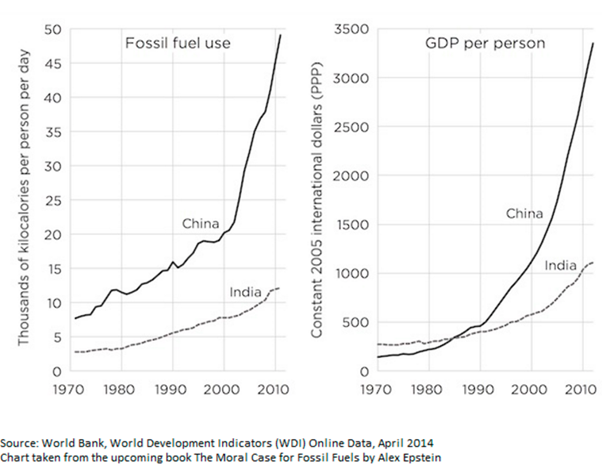
Fossil fuels and The Great Escape
09 Jun 2016 Leave a comment
in applied welfare economics, development economics, economic history, energy economics, environmental economics, global warming, growth miracles, Public Choice, rentseeking Tags: China, energy poverty, extreme poverty, India, The Great Enrichment, The Great Escape
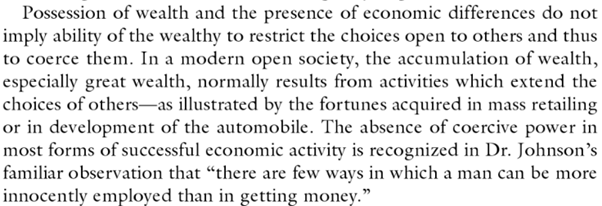
PT Bauer on wealth and power
06 Jun 2016 Leave a comment
in comparative institutional analysis, constitutional political economy, development economics, labour economics, liberalism, P.T. Bauer, poverty and inequality, Public Choice Tags: wealth and power
Poverty halves in #LatinAm in last 10 years, @WBG_Poverty @WorldBank still grumbling
05 Jun 2016 Leave a comment
in development economics, economic history, economics of bureaucracy, poverty and inequality

The World Bank should enquire more as to why particular Latin countries succeeded while others did not and the economic systems employed in each.
#MiltonFriedman v. @berniesanders
05 Jun 2016 Leave a comment
in applied price theory, applied welfare economics, comparative institutional analysis, constitutional political economy, development economics, economic history, economics, economics of regulation, entrepreneurship, growth disasters, growth miracles, income redistribution, industrial organisation, labour economics, macroeconomics, Milton Friedman, minimum wage, occupational choice, politics - USA, Public Choice, public economics Tags: 2016 presidential election, Leftover Left
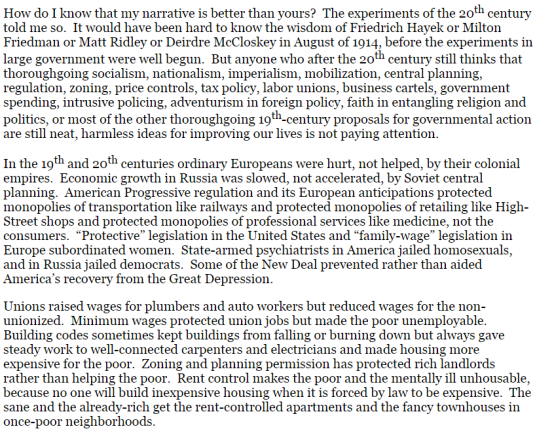
Deirdre McCloskey on the importance of paying attention to what happened under the jackboot of neoliberalism
05 Jun 2016 Leave a comment
in applied price theory, applied welfare economics, development economics, economic history, economics of regulation, income redistribution, liberalism, Marxist economics

Yes, the World is Getting Better. Here’s Why.
05 Jun 2016 Leave a comment
in applied welfare economics, development economics, economic growth, economic history Tags: pessimism bias, The Great Enrichment
3 common myths about capitalism
05 Jun 2016 Leave a comment
in applied price theory, applied welfare economics, development economics, economic history, growth disasters, growth miracles, industrial organisation Tags: capitalism and freedom, The Great Fact
Coal is the best resource we have in the fight to end poverty
04 Jun 2016 Leave a comment
in development economics, economic history, energy economics, environmental economics, global warming, growth disasters, growth miracles Tags: coal prices, rational irrationality, The Great Escape
The Reversal of Fortune
31 May 2016 Leave a comment
in development economics, economic history, economics, growth disasters, growth miracles Tags: The Great Fact
BS @WorldBank that #climateaction = no sacrifice 4 poor countries @cjsnowdon @RichardTol @BjornLomborg @WBG_Climate
30 May 2016 Leave a comment
in applied welfare economics, development economics, economics, economics of media and culture, energy economics, environmental economics, global warming, growth disasters, growth miracles Tags: climate alarmism, The Great Escape
Night-light maps shows huge need 4 #infrastructure investment in African #cities. Video: wrld.bg/Ufzpy https://t.co/BJXzwAZPyE—
World Bank (@WorldBank) November 10, 2015
The Great Escape into the middle class in Latin America and the Caribbean (LAC)
30 May 2016 Leave a comment
in development economics, economic history, growth disasters, growth miracles Tags: Latin America, The Great Escape, Withering away of the proletariat
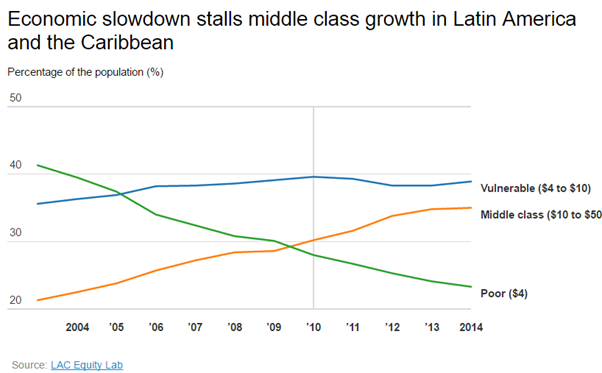
Source: World Bank Economic slowdown puts the brakes on middle class growth in Latin America | The Data Blog


Recent Comments