From 1990 to 2010, rising numbers of H-1B holders caused 30–50 percent of all productivity growth in the US economy. This means that the jobs and wages of most Americans depend in some measure on these workers. The specialized workers who enter on this visa fuel high-tech, high-growth sectors of the 21st century economy with skills like computer […]
Michael Clemens on H1-B visas
Michael Clemens on H1-B visas
24 Sep 2025 1 Comment
in applied price theory, econometerics, economic growth, economic history, entrepreneurship, human capital, international economics, labour economics, labour supply, macroeconomics, politics - USA Tags: economics of immigration
David Splinter on how much tax billionaires pay
30 Aug 2025 Leave a comment
in applied price theory, econometerics, entrepreneurship, human capital, income redistribution, labour economics, labour supply, politics - USA, poverty and inequality, Public Choice, public economics Tags: taxation and entrepreneurship, taxation and investment
Here is his comment on the paper presented here: Summary: The U.S. tax system is highly progressive. Effective tax rates increase from 2% for the bottom quintile of income to 45% for the top hundredth of one percent. But rates may be lower among those with the highest wealth. This comment starts with the “top 400” […]
David Splinter on how much tax billionaires pay
The Ongoing Tragedy of Cuban Socialism
30 Aug 2025 Leave a comment
in applied price theory, development economics, econometerics, economic history, economics of bureaucracy, growth disasters, history of economic thought, industrial organisation, law and economics, Marxist economics, property rights, Public Choice Tags: Cuba

I’ve written several articles about the failure of Cuban socialism (2024, 2022, 2021, 2019, and 2016). My leftist friends almost always respond by claiming that U.S.-imposed trade restrictions are the primary reason for Cuba’s terrible economy. Since I like free trade, I certainly agree that trade restrictions are bad for growth (a lesson I wish […]
The Ongoing Tragedy of Cuban Socialism
The smallest gender pay gap in history
28 Aug 2025 Leave a comment
in applied price theory, discrimination, econometerics, economic history, gender, human capital, labour economics, labour supply, occupational choice, politics - New Zealand, poverty and inequality Tags: gender wage gap, sex discrimination
Stats NZ reports: The gender pay gap was 5.2 percent in the June 2025 quarter, down from 8.2 percent in the June 2024 quarter, according to figures released by Stats NZ today. “The June 2025 quarter gender pay gap of 5.2 percent is the lowest since the series began in 1998,” labour market spokesperson Abby […]
The smallest gender pay gap in history
The Weird and Lovely Surge of US Productivity Growth
04 Jul 2025 Leave a comment
in applied price theory, econometerics, economic growth, economic history, industrial organisation, labour economics, labour supply, macroeconomics, politics - USA

In the long run, a rising standard of living is always and everywhere based on productivity growth. Thus, Austan Goolsbee notedin a keynote address at the “Summit” conference held at the Stanford Institute of Economic Policy Research (SIEPR) in February (“Remarks on Productivity Growth and Monetary Policy,” February 28, 2025): As Goolsbee notes, annual productivity…
The Weird and Lovely Surge of US Productivity Growth
“An Evolving Economic Force,” A Conversation with Claudia Goldin
03 Jul 2025 Leave a comment
in applied price theory, discrimination, econometerics, economic history, gender, health and safety, human capital, labour economics, labour supply, occupational choice, poverty and inequality Tags: gender wage gap, sex discrimination
The gender wage gap uses bogus statistics | FACTUAL FEMINIST
02 Jul 2025 Leave a comment
in applied price theory, discrimination, econometerics, economics of regulation, gender, health and safety, human capital, income redistribution, labour economics, labour supply, occupational choice, politics - USA, Public Choice Tags: gender wage gap, sex discrimination
Weaker incentives in unionized plants make them more likely to close
27 Jun 2025 1 Comment
in applied price theory, econometerics, history of economic thought, labour economics, unions Tags: union power
Unionized plants have worse incentive alignment: 26% less likely to offer performance-based bonuses. 11% less likely to promote based on performance 13% less likely to dismiss workers for poor performance. Consequently, unionized plants have: Higher rates of business closures, lower investment slower employment growth BOTTOM LINE: right-to-work states (no unions) have higher employment and better outcomes. CITE:Maksimovic, Vojislav and…
Weaker incentives in unionized plants make them more likely to close
Racial Disparities in Mortality by Sex, Age, and Cause of Death
25 Jun 2025 Leave a comment
in discrimination, econometerics, health economics, politics - USA Tags: cancer survival rates, life expectancies, racial discrimination
Racial differences in mortality are large, persistent and likely caused, at least in part, by racism. While the causal pathways linking racism to mortality are conceptually well defined, empirical evidence to support causal claims related to its effect on health is incomplete. In this study, we provide a unique set of facts about racial disparities […]
Racial Disparities in Mortality by Sex, Age, and Cause of Death
Markets are forward-looking
18 Jun 2025 1 Comment
in applied price theory, defence economics, econometerics, economic growth, economic history, financial economics, macroeconomics, market efficiency, politics - USA, war and peace Tags: efficient markets hypothesis, World War II
LPL Financial analyzed 25 major geopolitical episodes, dating back to Japan’s 1941 attack on Pearl Harbor. “Total drawdowns around these events have been fairly limited,” Jeff Buchbinder, LPL’s chief equity strategist, wrote in a research note on Monday. (Full recoveries often “take only a few weeks to a couple of months,” he added.) Deutsche Bank analysts […]
Markets are forward-looking
What Explains Growing Gender and Racial Education Gaps?
16 Jun 2025 Leave a comment
in applied price theory, discrimination, econometerics, economic history, economics of love and marriage, gender, human capital, labour economics, labour supply, law and economics, occupational choice, poverty and inequality Tags: gender wage gap, racial discrimination, sex discrimination
In the 1960 cohort, American men and women graduated from college at similar rates, and this was true for Whites, Blacks and Hispanics. But in more recent cohorts, women graduate at much higher rates than men. Gaps between race/ethnic groups have also widened. To understand these patterns, we develop a model of individual and family […]
What Explains Growing Gender and Racial Education Gaps?
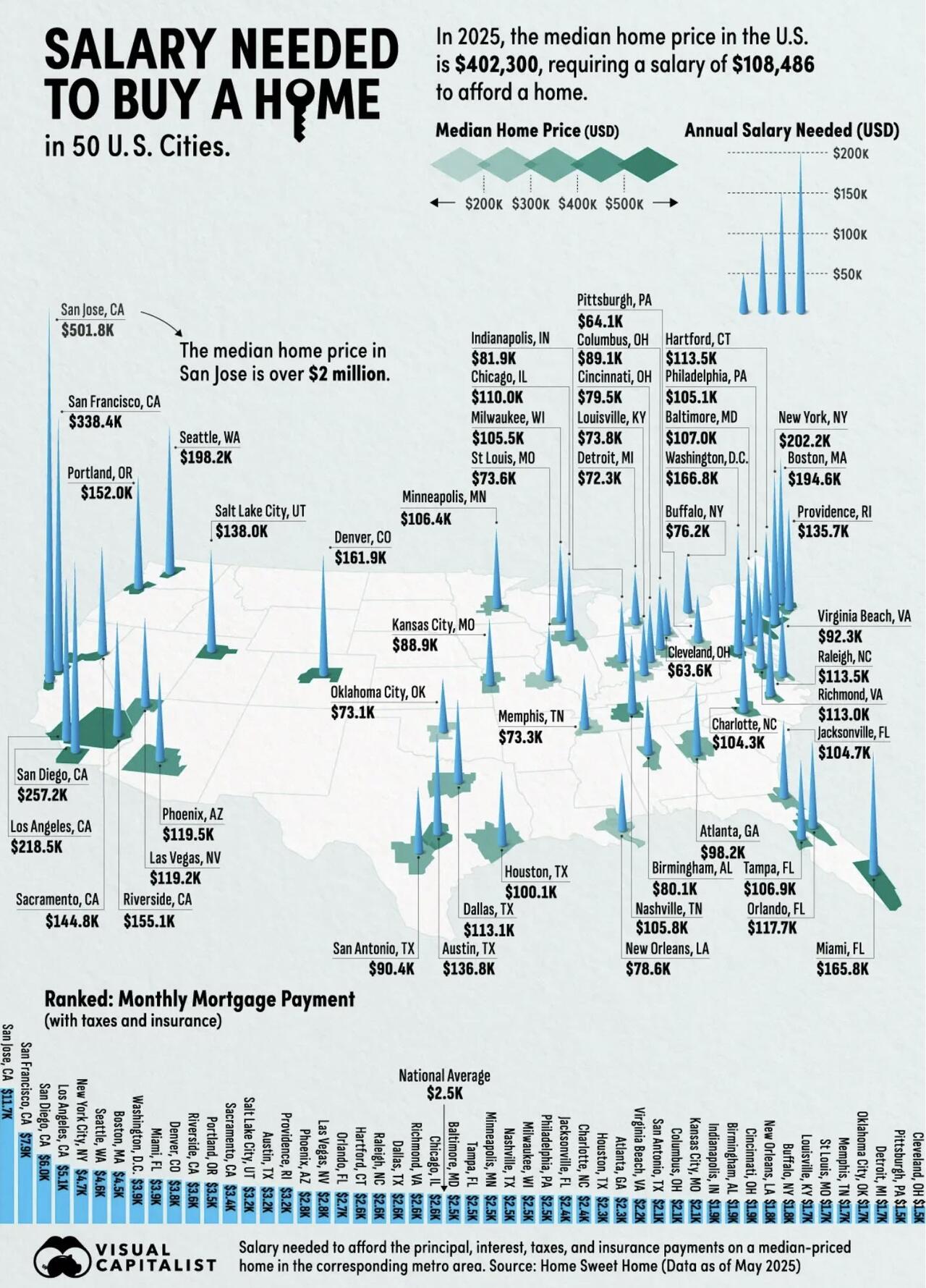
Effects of Zoning: when we restrict supply, prices go up.
14 Jun 2025 1 Comment
in applied price theory, econometerics, income redistribution, law and economics, property rights, Public Choice, public economics, rentseeking, urban economics Tags: housing affordability, land supply, zoning
US State-Level Abortion Regulations: Causes and Effects
23 May 2025 Leave a comment
in applied price theory, discrimination, econometerics, economic history, gender, health economics, labour economics, politics - USA, population economics Tags: abortion law reform

Regulations about abortion are often wildly controversial. But what effects to they actually have? Caitlin Myers addresses these issues in “From Roe to Dobbs: 50 Years of Cause and Effect of US State Abortion Regulations” (Annual Review of Public Health 2025, pp. 433-446). As a starting point, consider the years before and after the 1973 US Supreme Court…
US State-Level Abortion Regulations: Causes and Effects
Live at 1 p.m. Eastern: SHOCK CLIMATE REPORT! Urban Heat Islands Responsible for 65% of Global Warming
18 May 2025 Leave a comment
in econometerics, economics of climate change, energy economics, environmental economics, environmentalism, global warming Tags: climate alarmism
A new study from the University of Alabama in Huntsville addresses the question of how much the Urban Heat Island (UHI) effect is responsible for the higher temperatures at weather stations across the world. Dr. Roy Spencer and Dr. John Christy have spent several years developing a novel method that quantifies, for the first time, the average UHI warming effects related to population density. Their finding: no less than 65% of “runaway global warming” is not caused by our emissions of carbon dioxide, but by the urbanization of the world.
Live at 1 p.m. Eastern: SHOCK CLIMATE REPORT! Urban Heat Islands Responsible for 65% of Global Warming
Some Links
13 May 2025 Leave a comment
in applied price theory, econometerics, industrial organisation, international economics, survivor principle Tags: free trade, tariffs
TweetNicholas Bloom, Kyle Handley, André Kurmann, and Philip A. Luck revisit the “China Shock.” Two slices: Our research investigates the extent to which the opposing trends in manufacturing and services job growth are related. Our findings reveal that local labor markets more exposed to Chinese import competition experienced larger manufacturing job losses. But these losses…
Some Links
 Utopia, you are standing in it!
Recent Comments