David Friedman on consequences of climate change 2023
13 Feb 2025 Leave a comment
in applied price theory, David Friedman, economic history, energy economics, environmental economics, global warming, Ronald Coase
Good question
13 Feb 2025 Leave a comment
in defence economics, economic history, war and peace Tags: China

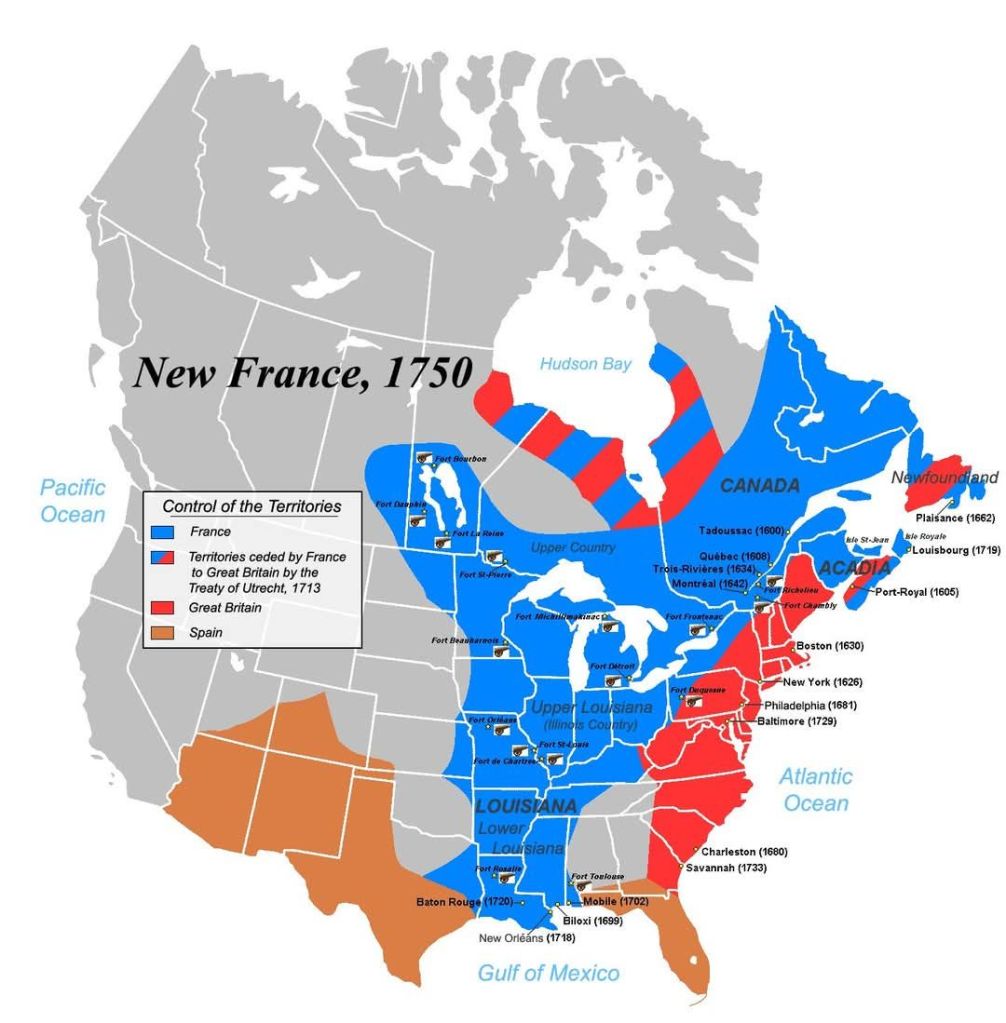
I like maps
12 Feb 2025 Leave a comment
in defence economics, economic history, International law, law and economics, property rights Tags: economics of borders, maps
Ireland: Good Corporate Tax Policy vs. Bad Government Spending Policy
11 Feb 2025 Leave a comment
in budget deficits, business cycles, economic growth, economic history, Euro crisis, fiscal policy, global financial crisis (GFC), great recession, labour economics, labour supply, law and economics, macroeconomics, monetary economics, public economics Tags: Ireland, taxation and investment
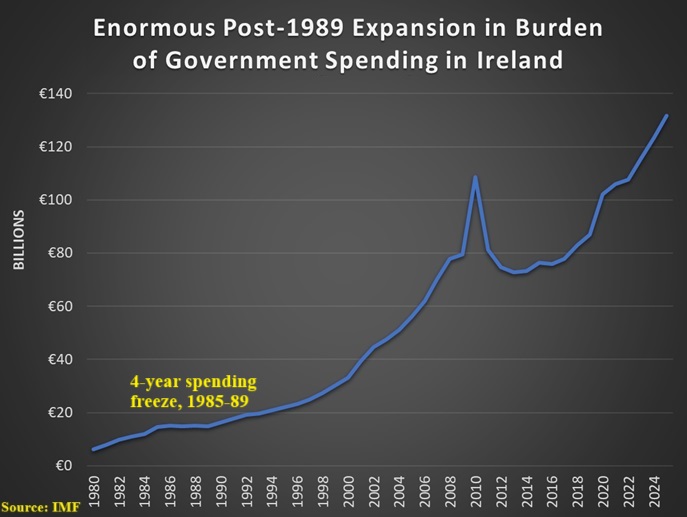
I’m a big fan of Ireland’s low corporate tax rate for three reasons. First, it shows that good tax policy generates positive economic outcomes as per-capita GDP in Ireland has grown by record amounts. Second, it shows that lower tax rates can in some cases lead to more revenue. Sort of a turbo-charged version of […]
Ireland: Good Corporate Tax Policy vs. Bad Government Spending Policy
Interesting piece of history
10 Feb 2025 Leave a comment
in defence economics, economic history, International law, war and peace Tags: Gaza Strip, Israel, Middle-East politics, regressive left

The sovereign reality and our path to nationhood
07 Feb 2025 Leave a comment
in economic history, politics - New Zealand Tags: constitutional law
Roger Partridge writes – Waitangi day debates about New Zealand’s sovereignty often fixate on a single moment: the signing of the Treaty of Waitangi in 1840. This focus is understandable, given the Treaty’s significance to both Māori and the Crown. But is this the full story of how New Zealand’s sovereignty was established? And if […]
The sovereign reality and our path to nationhood
Some Links
06 Feb 2025 Leave a comment
in applied price theory, applied welfare economics, economic history, history of economic thought, international economics, politics - USA Tags: 2024 presidential election, free trade, game theory, tariffs
TweetNational Review‘s Charles Cooke explains that Trump’s trade war is needless. Two slices: How do I hate President Trump’s capricious levying of tariffs? Let me count the ways. They are constitutionally suspect, statutorily usurpative, diplomatically toxic, and culturally chaotic; they represent a profound political risk for the new administration — the potential upsides of which…
Some Links
Identity-based hiring goes wild in New Zealand
05 Feb 2025 Leave a comment
in discrimination, economic history, economics of education, human capital, labour economics, labour supply, law and economics, liberalism, Marxist economics, occupational choice, politics - New Zealand, property rights, Public Choice, public economics, rentseeking Tags: affirmative action, Age of Enlightenment, constitutional law, free speech, political correctness, racial discrimination, regressive left

Just to show you how, in the hiring process, New Zealand gives much more weight to identity than to merit, I enclose part of the job description for the position of Chief Operating Officer of Wellington Water, the water utility for the Greater Wellington region (Wellington, a lovely city, is the capital of New Zealand). […]
Identity-based hiring goes wild in New Zealand
*Progressive Myths*: The Caplan-Huemer Interview
05 Feb 2025 Leave a comment
in econometerics, economic history, law and economics, liberalism, Marxist economics, politics - USA, Public Choice Tags: Age of Enlightenment, conjecture and refutation, free speech, philosophy of science, political correctness, regressive left

I recently interviewed Mike Huemer on his new Progressive Myths. To repeat, I consider it “the best book on wokeness.” You know you’re reading a special book by page 3, when Huemer states:I will not give a neutral presentation in the following chapters, but I do aim to give an objective presentation. I am a…
*Progressive Myths*: The Caplan-Huemer Interview
Levels of Industrial Policy
05 Feb 2025 Leave a comment
in applied price theory, comparative institutional analysis, development economics, economic history, entrepreneurship, industrial organisation, Public Choice, rentseeking Tags: industry policy
In arguments over industrial policy, there’s often a moment where someone makes an assertion like: “Every nation has industrial policy. Even not having an industrial policy is a type of industrial policy. The only relevant question is what kind of industrial policy we should choose.” In my experience, the people who make this argument then…
Levels of Industrial Policy
Going for growth…..perhaps
04 Feb 2025 Leave a comment
in applied price theory, comparative institutional analysis, economic growth, economic history, economics of regulation, entrepreneurship, macroeconomics, politics - New Zealand

The Prime Minister’s speech 10 days or so ago kicked off a flurry of commentary. No one much anywhere near the mainstream (ie excluding Greens supporters) questioned the rhetoric. New Zealand has done woefully poorly on productivity for a long time and we really need better outcomes, and the sorts of policy frameworks that would […]
Going for growth…..perhaps
Good question
03 Feb 2025 Leave a comment
in defence economics, economic history, International law, war and peace Tags: Gaza Strip, Middle-East politics, regressive left, war against terror, West Bank

How are Mexico and Turkey right now like the USA in the 1920s? (Prohibition is causing deaths from drug & alcohol poisoning)
03 Feb 2025 Leave a comment
in applied price theory, economic history, economics of regulation, health economics Tags: economics of prohibition
The picture below is of a few paragraphs from the book The Economics of Public Issues, which I often used as a supplemental textbook when I was teaching. Now for modern day Mexico. See How Mexican Cartels Test Fentanyl on Vulnerable People and Animals: A global crackdown on fentanyl has led cartels to innovate production methods…
How are Mexico and Turkey right now like the USA in the 1920s? (Prohibition is causing deaths from drug & alcohol poisoning)
Babies and the Macroeconomy
02 Feb 2025 Leave a comment
in applied price theory, development economics, economic history, economics of love and marriage, economics of marriage, human capital, labour economics, labour supply Tags: ageing society, economics of fertility, marriage and divorce
By Claudia Goldin. From NPR’s Planet Money.”Countries around the world have seen a jaw-dropping decline in fertility rates. In this paper, Claudia Goldin, the 2023 winner of the Nobel Prize in economic sciences, offers a new theory to help explain why (listen to The Indicator’s conversation with her back in 2021). Goldin starts by providing…
Babies and the Macroeconomy
Technological Disruption in the Labor Market
02 Feb 2025 Leave a comment
in econometerics, economic history, human capital, industrial organisation, labour economics, labour supply, occupational choice, poverty and inequality, unemployment Tags: creative destruction
By David J. Deming, Christopher Ong, and Lawrence H. Summers. From NPR’s Planet Money. Summers was Secretary of the Treasury from 1999 to 2001, director of the National Economic Council from 2009 to 2010 and president of Harvard University from 2001 to 2006.”Obviously, there is a big fear right now that artificial intelligence will kill…
Technological Disruption in the Labor Market
 Utopia, you are standing in it!
Recent Comments