In 2016, here’s some of what I wrote about the economic outlook in Illinois. And I shared the same observation when writing about California in 2018. There’s a somewhat famous quote from Adam Smith (“there is a great deal of ruin in a nation“) about the ability of a country to survive and withstand lots of […]
I HAVE BEEN RESISTING the conclusion that New Zealand no longer possesses a “left-wing” movement. What the news media persists in referring to as “the Left” or “progressives” are no such thing. By any reasonable definition, the movements identified – or identifying themselves – as left-wing fail to measure up. What they truly are we […]
As I wrote nine years ago, Oxfam is a pathetic organization. Originally created to help the poor, it has been captured by activists who peddle class warfare. But they play that role in an incredibly sloppy fashion. In all the debates I’ve been part of over the years, no left-leaning academic has been willing to […]
Let us hope: Britain is seeing early signs of a long-awaited turnaround of its productivity woes, according to an alternative measure that suggests output per hour worked has risen at a pace not seen since before the financial crisis. The Resolution Foundation said a “blistering” productivity surge has been masked by problems with official statistics and pointed…
Steven Pinker wrote at the Free Press: Human progress continues, with some backsliding. Since publishing two books on human progress (The Better Angels of Our Nature, 2011, and Enlightenment Now, 2018), every year I update my graphs on the major dimensions of human well-being. Most people think everything’s gotten worse, but that can be a misleading…
Here is another piece for “contrarian Tuesday,” like it or not: We construct an international panel data set comprising three distinct yet plausible measures of government indebtedness: the debt-to-GDP, the interest-to-GDP, and the debt-to-equity ratios. Our analysis reveals that these measures yield differing conclusions about recent trends in government indebtedness. While the debt-to-GDP ratio has…
Simple arithmetic already raises red flags. EU emissions fell by 37% over the 33 years from 1990 to today. Achieving an additional 68% reduction in just 17 years would require nearly tripling the pace of decarbonization.
In 1933, John Maynard Keynes gave the first Finlay Lecture delivered at University College, Dublin, on the subject of “National Self-Sufficiency” (Studies: An Irish Quarterly Review,” June 1933, 22: 86, pp. 177-193). The Irish Free State of 1933 was a transition phase: after the Irish War of Independence that had ended in 1921, but before…
We study the macroeconomic effects of tariff policy using U.S. historical data from 1840–2024. We construct a narrative series of plausibly exogenous tariff changes based on major legislative actions, multilateral negotiations, and temporary surcharges– and use it as an instrument to identify a structural tariff shock. Tariff increases are consistently contractionary: imports fall sharply, exports…
by Javier Vinos We have been fortunate to witness the largest climate event to occur on the planet since the advent of global satellite records, and possibly the largest event since the eruption of Mount Tambora in 1815. It is … Continue reading → The post The 2023 climate event revealed the greatest failure of…
US economic growth can be divided into two parts: more hours worked, or more productivity per hour worked. In the past, the US labor force has been rising over time: the US labor force totaled 107 million people in 1980, 142 million in 2000, and was up to 171 million this year. However, after several…
I think 2021 will be remembered where people lost the sense of perspective. So many people are saying how kids nowadays have it more difficult then ever before. The picture above A starving child in Sudan, 1993. Terezka, a girl who grew up in a concentration camp, draws a picture of her Poland “home”, December […]
Why Evolution is True is a blog written by Jerry Coyne, centered on evolution and biology but also dealing with diverse topics like politics, culture, and cats.
“We do not believe any group of men adequate enough or wise enough to operate without scrutiny or without criticism. We know that the only way to avoid error is to detect it, that the only way to detect it is to be free to inquire. We know that in secrecy error undetected will flourish and subvert”. - J Robert Oppenheimer.


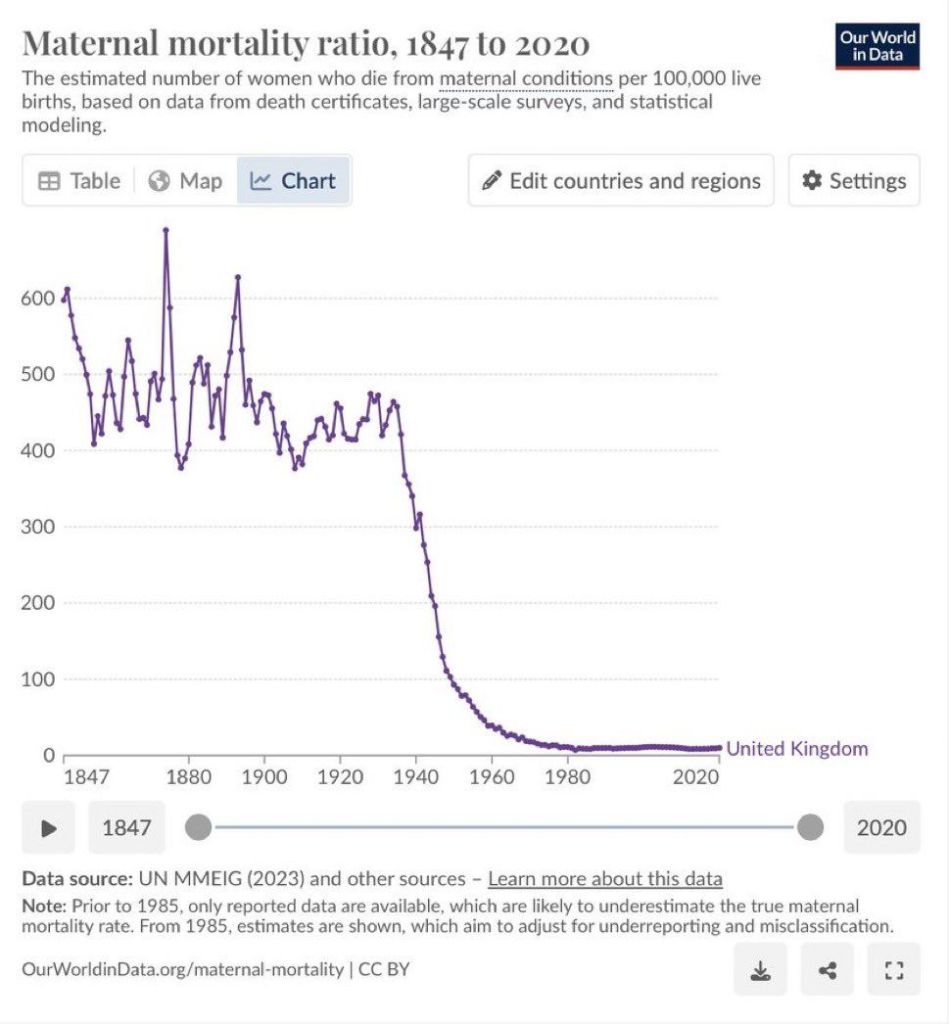

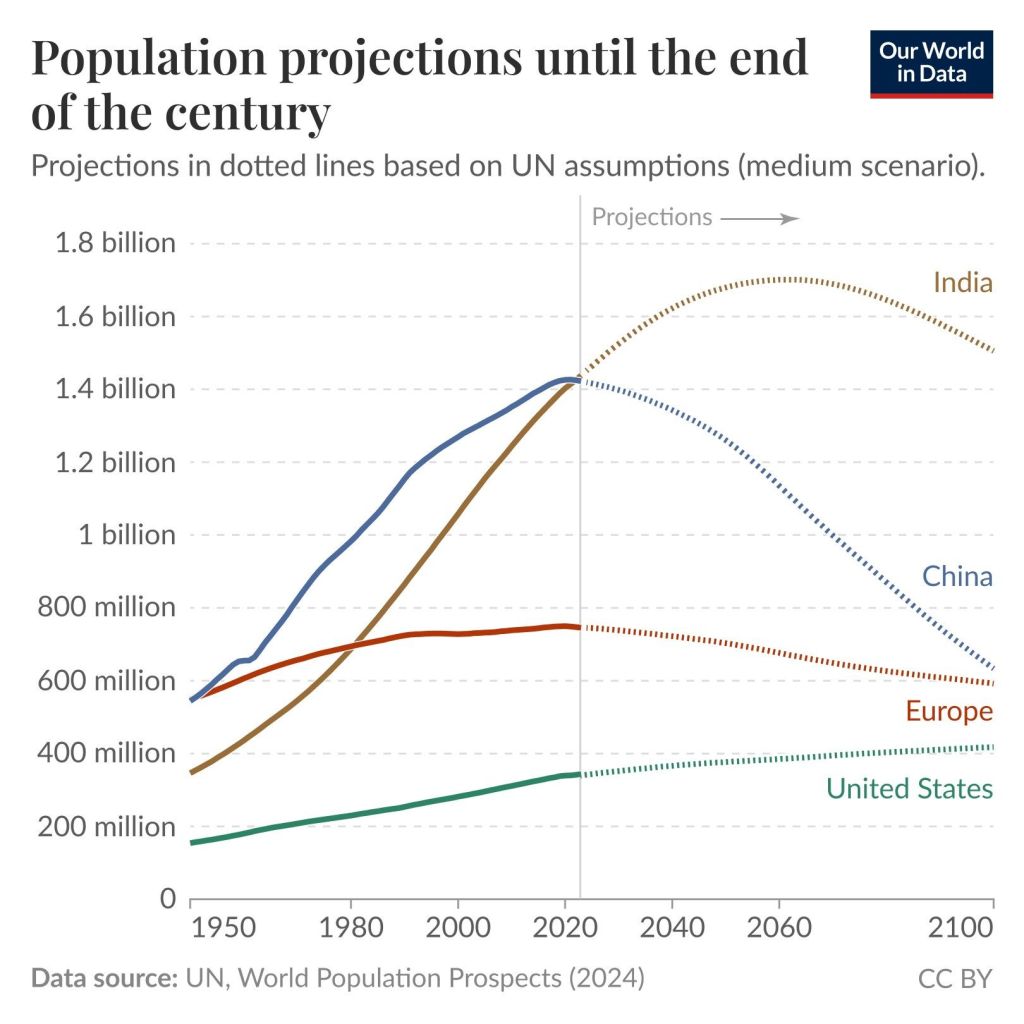


 Utopia, you are standing in it!
Recent Comments