TweetHere’s a second note to a commenter at my Facebook page. Mr. Schlomach: Commenting on my Facebook page, you allege that China ‘dumps’ goods in the U.S. and, in doing so, “has used our love of cheap stuff to suck our country of strategically critical technology/industry.” By suggesting that your fellow Americans buy stuff simply…
More On Alleged Chinese Dumping
More On Alleged Chinese Dumping
24 Aug 2025 Leave a comment
in applied price theory, development economics, economic history, entrepreneurship, growth miracles, history of economic thought, industrial organisation, international economics, politics - USA, Public Choice, rentseeking Tags: free trade, tariffs
Maori life expectancy rising the fastest
20 Aug 2025 1 Comment
in economic history, health economics Tags: life expectancies
Stats NZ have published the latest life expectancy at birth data. Here’s the increase for each ethnic and gender group from 2006 to 2023. This is what TPM presumably calls genocide!
Maori life expectancy rising the fastest
House of Lords reform: a Victorian perspective
18 Aug 2025 Leave a comment
in constitutional political economy, economic history, Public Choice Tags: British constitutional law, British history, British politics

Unlike the House of Commons, which underwent major ‘democratic’ reform in the 19th century, the Lords remained virtually unchanged during the entire Victorian period. With a new hereditary peers bill now entering its final stages, Dr Philip Salmon explores how and why the House of Lords was able to survive the ‘age of reform’, highlighting […]
House of Lords reform: a Victorian perspective
Fred Hockley-Executed 9 hours after Japanese surrender.
15 Aug 2025 1 Comment
in defence economics, economic history, economics of crime, International law, law and economics, laws of war, war and peace Tags: World War II

Following the Hiroshima bombing on August 6, the Soviet declaration of war and the Nagasaki bombing on August 9, the Emperor’s speech was broadcast at noon Japan Standard Time on August 15, 1945, and did reference the atomic bombs as a reason for the surrender. The broadcast was recorded a day earlier but was broadcast […]
Fred Hockley-Executed 9 hours after Japanese surrender.
Some Links
11 Aug 2025 1 Comment
in applied price theory, economic history, history of economic thought, international economics, politics - USA Tags: tarrifs
TweetFareed Zakaria, writing in the Washington Post, eloquently corrects many of the fallacies believed by MAGA-types (and also by many – most? – progressives’) about the American economy. Two slices: The Organization for Economic Cooperation and Development’s measure of median disposable household income in America was higher than in all but one advanced industrial economy…
Some Links
Chlöe Swarbrick’s homelessness hyperbole
11 Aug 2025 Leave a comment
in applied price theory, economic history, economics of regulation, human capital, labour economics, law and economics, liberalism, Marxist economics, politics - New Zealand, poverty and inequality, property rights, Public Choice, rentseeking, transport economics, urban economics Tags: family poverty, homelessness, regressive left
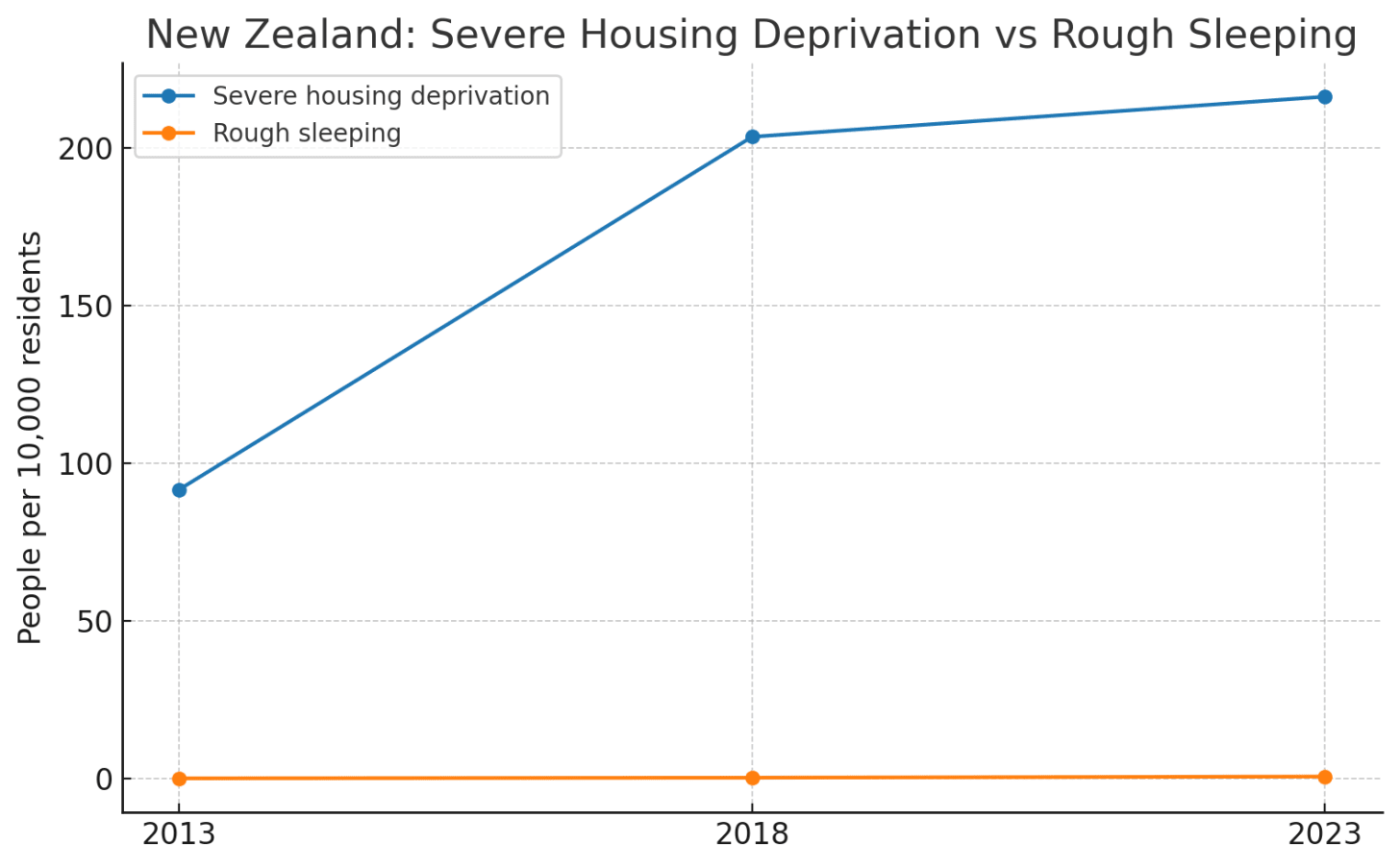
Ani O’Brien writes – Chlöe Swarbrick wants you to believe the Government is intentionally increasing homelessness. She told RNZ’s Mata with Mihingarangi Forbes: “The only conclusion that I can really come to is that this Government has intentionally increased homelessness…” It’s the kind of soundbite that plays well on social media. Outrage travels faster than nuance, and a […]
Chlöe Swarbrick’s homelessness hyperbole
Sovereignty and Land Ownership: Distinct Legal Domains
11 Aug 2025 Leave a comment
in constitutional political economy, economic history, law and economics, property rights Tags: constitutional law
Introduction Throughout history, territories have frequently changed hands through war, conquest, and annexation. However, the shift in sovereignty—the legal authority to govern and control a territory—should not be conflated with the transfer of private land ownership within that territory. Sovereignty concerns public law and political authority, whereas land ownership is a matter of private law […]
Sovereignty and Land Ownership: Distinct Legal Domains
The US Auto Industry: Evolving, not Evaporating
09 Aug 2025 Leave a comment
in economic history, industrial organisation, labour economics, labour supply, survivor principle, transport economics, urban economics

One of those facts that “everyone knows” is that the US auto industry has been crushed by foreign competition. As Adam Ozimek points out in “Myths and Lessons from a Century of American Automaking” (Economic Innovation Institute, August 1, 2025), while the US car industry certainly no longer features large manufacturing plants in the city…
The US Auto Industry: Evolving, not Evaporating
Diocletian, the Roman Empire, and Forever Failing Price Controls
08 Aug 2025 1 Comment
in applied price theory, economic history, economics of regulation, history of economic thought Tags: price controls, Roman empire
By Tarnell Brown. At EconLog.”The Roman Empire was in trouble. During the fifty-plus years known as the Crisis of the Third Century (235-284 AD), the throne of Rome changed some 26 times, with the Roman Army engaging in a steady diet of crowning and removing claimants to the throne. These autocrats, known as “barracks emperors,”…
Diocletian, the Roman Empire, and Forever Failing Price Controls
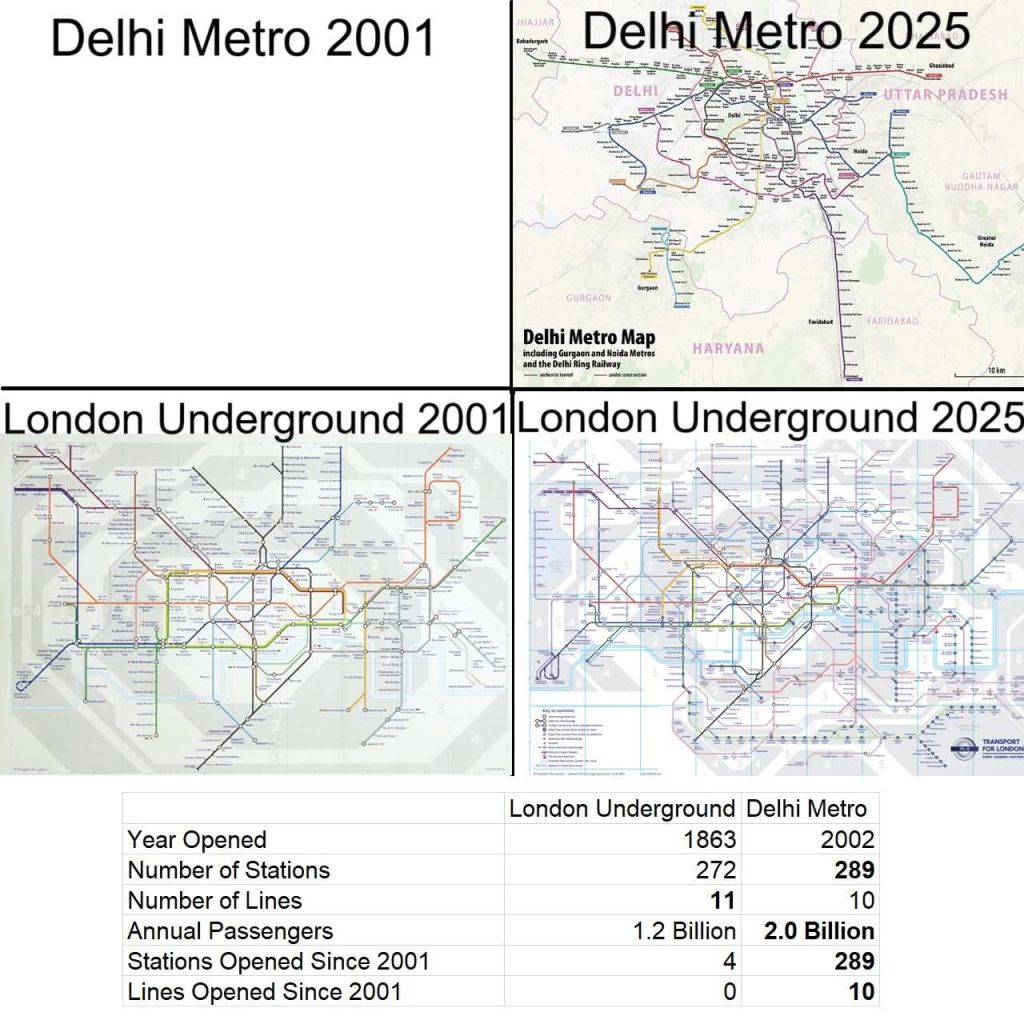
A Great Enrichment
06 Aug 2025 Leave a comment
in development economics, economic history, growth disasters, growth miracles, transport economics, urban economics Tags: India
The economics of the U.S. auto industry, a brief history
03 Aug 2025 Leave a comment
in economic history, entrepreneurship, industrial organisation, survivor principle

From Adam Ozimek: The economic value of the cars being made has climbed substantially through the years. As a result, real value added and industrial production — two different ways of measuring actual output — are now at all-time highs. And this: What about jobs? The auto industry today employs 1 million workers. Between 1950 and […]
The economics of the U.S. auto industry, a brief history
Revolution by Judicial Decree: A Review of Professor Peter Watts KC’s “Ellis v R, A Revolution in Aotearoa New Zealand, Welcome or Not”
24 Jul 2025 Leave a comment
in comparative institutional analysis, constitutional political economy, economic history, economics of bureaucracy, law and economics, politics - New Zealand, property rights, Public Choice Tags: constitutional law
Roger Partridge writes – Revolutions conjure images of violent uprisings, the storming of institutions, and the forcible overthrow of existing orders. But constitutional foundations can be destroyed through more subtle means. When judges discard long-established constitutional principles and remake the law according to their preferences, they engage in a revolution that may be no less […]
Revolution by Judicial Decree: A Review of Professor Peter Watts KC’s “Ellis v R, A Revolution in Aotearoa New Zealand, Welcome or Not”
Creative destruction
23 Jul 2025 Leave a comment
in economic history, entrepreneurship, industrial organisation Tags: creative destruction

Woman of the day
18 Jul 2025 Leave a comment
in defence economics, discrimination, economic history, gender, labour economics, labour supply Tags: France, gender wage gap, sex discrimination
OTD in 1965, France changed the law to allow married women the right to work without their husbands’ permission. Yes, really. To mark the occasion, Woman of the Day is journalist Madeleine Riffaud, French Resistance, who didn’t need any man’s permission to fight for her country.… pic.twitter.com/nlp3f2GIsK — The Attagirls (@TheAttagirls) July 13, 2025
Woman of the day
The Cross of Gold: Brazilian Treasure and the Decline of Portugal (due to the resource curse)
18 Jul 2025 Leave a comment
in applied price theory, comparative institutional analysis, constitutional political economy, development economics, economic growth, economic history, growth disasters, international economics, law and economics, macroeconomics, property rights, Public Choice, rentseeking, resource economics Tags: Portugal, resources curse
By Davis Kedrosky and Nuno Palma. Published in The Journal of Economic History.In the book The Economics of Macro Issues which I used as a supplemental text, they mention that Russia has many resources but its per capita income is less than that of Luxembourg which has few resources. The book suggests that the economic…
The Cross of Gold: Brazilian Treasure and the Decline of Portugal (due to the resource curse)
 Utopia, you are standing in it!
Recent Comments