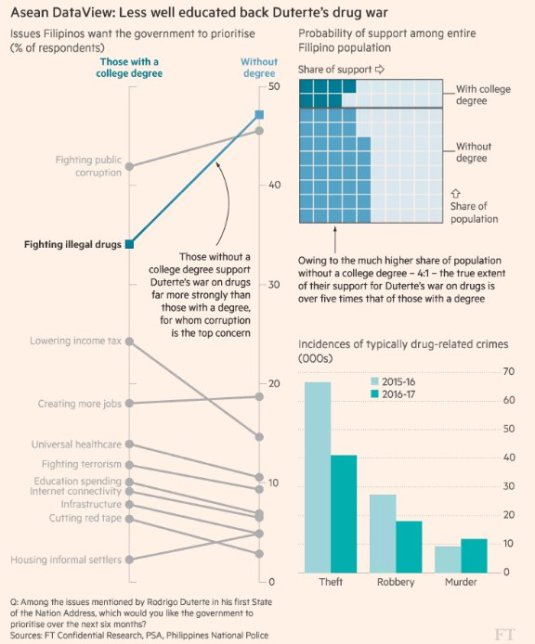
The myth of studying Latin to build mental muscles – Bryan Caplan
02 Sep 2017 Leave a comment
in economics of education, human capital
The myth of studying to language to build mental muscles – Bryan Caplan
18 Jul 2017 Leave a comment
in economics of education Tags: signalling
Bryan Caplan destroys connection between education and work skills
16 Jul 2017 Leave a comment
in economics of education, human capital Tags: signalling
“Education, Education, Education” | THINK 2017
15 Jul 2017 Leave a comment
in economics of education, industrial organisation, survivor principle Tags: School choice
Celebrating 40 years of training: Video Arts in the 80’s.
06 Jul 2017 Leave a comment
in economics of education, human capital, labour economics
Celebrating 40 years of training: Video Arts in the 70’s.
05 Jul 2017 Leave a comment
in economics of education, human capital, labour economics
Sir Humphrey Appleby on Education
02 Jun 2017 Leave a comment
in economics of education, television Tags: Yes Prime Minister
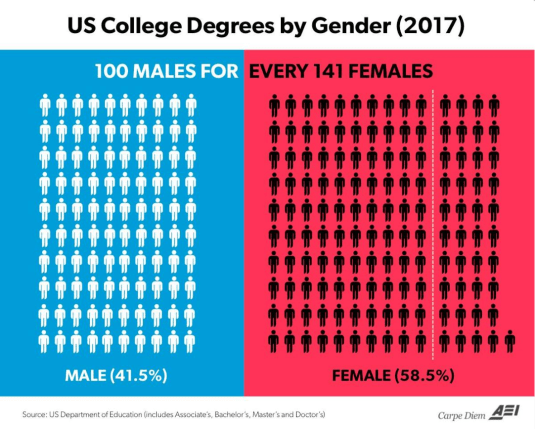
Campus Feminism – the increased focus on vulnerability
14 May 2017 Leave a comment
in discrimination, economics of education, gender Tags: political correctness
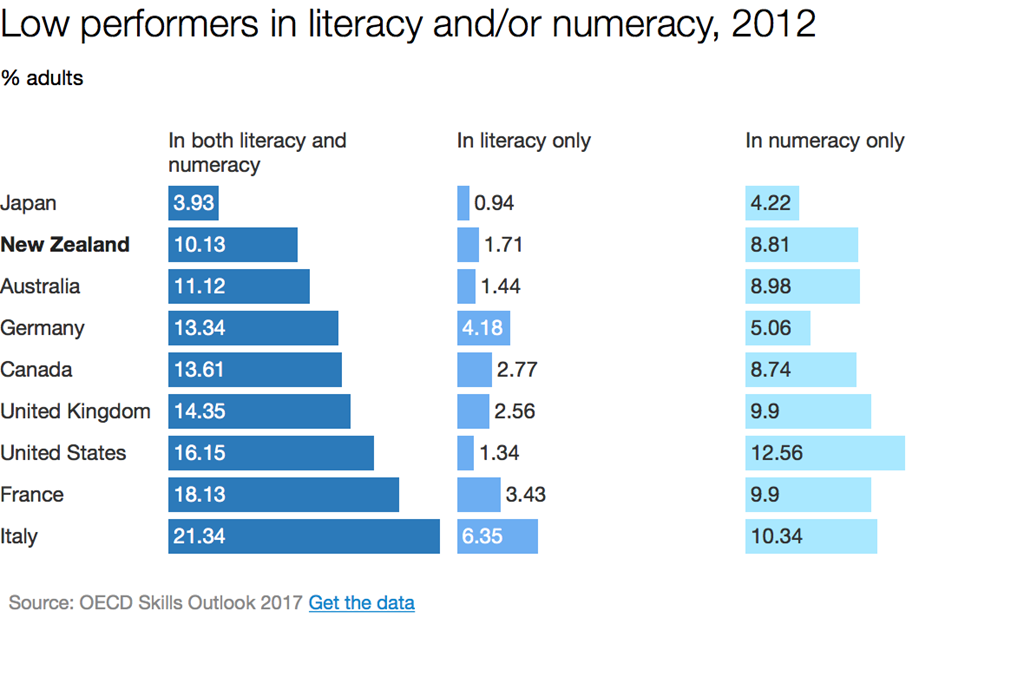
% adult low performers in literacy and/or numeracy, G7, Australia and New Zealand
05 May 2017 Leave a comment
Graduates grumble about paying 25% of the price of the keys to heaven
01 May 2017 Leave a comment
in economics of education, politics - New Zealand Tags: College premium, crybaby left, graduate premium
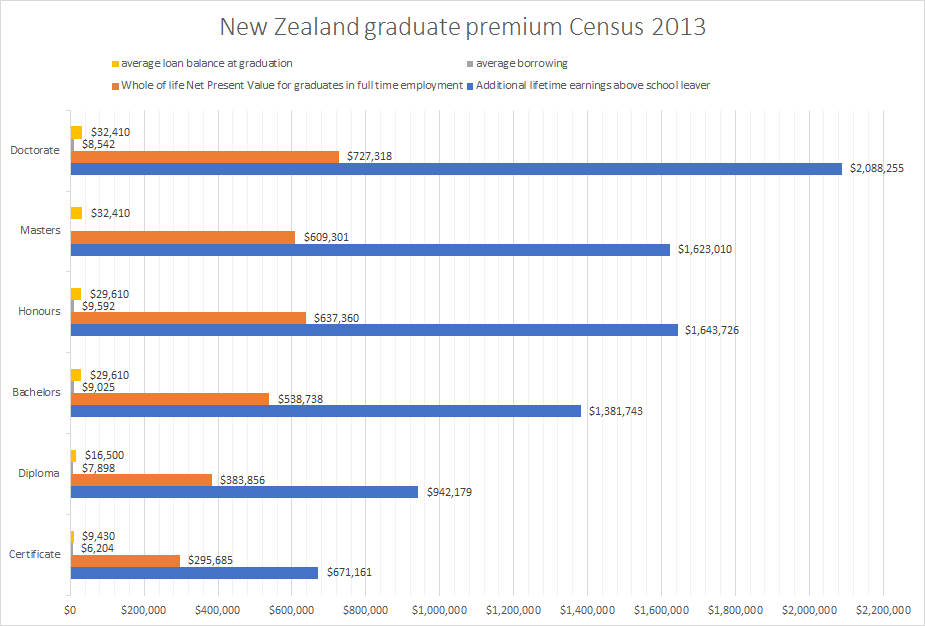
Source: A Degree is a smart investment | Universities New Zealand – Te Pōkai Tara and Student Loan Scheme Annual Report 2016 | Education Counts
.
The rapid adaptation of women to changing prospects
01 May 2017 1 Comment
in discrimination, economics of education, gender, human capital, labour economics, labour supply, occupational choice Tags: College premium, gender way, reversing gender gap
On the upside, Goldin (2006) showed that women adapted rapidly over the 20th century to changing returns to working and education as compared to options outside the market. Their labour force participation and occupational choices changed rapidly into long duration professional educations and more specialised training in the 1960s and 1970s as many more women worked and pursued careers. The large increase in tertiary education by New Zealand after 1990 and their move into many traditionally male occupations is another example.
The key is what drives the rapid changes in the labour force participation and occupational choices of women. Some of the factors are global technology trends such rising wages and the emergence of household technologies and safe contraception and antidiscrimination laws. All of these increased the returns to working and investing in specialised education and training.
Up until the mid-20th century, women invested in becoming a teacher, nurse, librarian or secretary because these skills were general and did not deprecate as much during breaks. When expectations among women of still working at the age of 35 doubled, there were massive increases in female labour force participation and female investments in higher education and specialised skills (Goldin and Katz 2006). These trends continue to today.
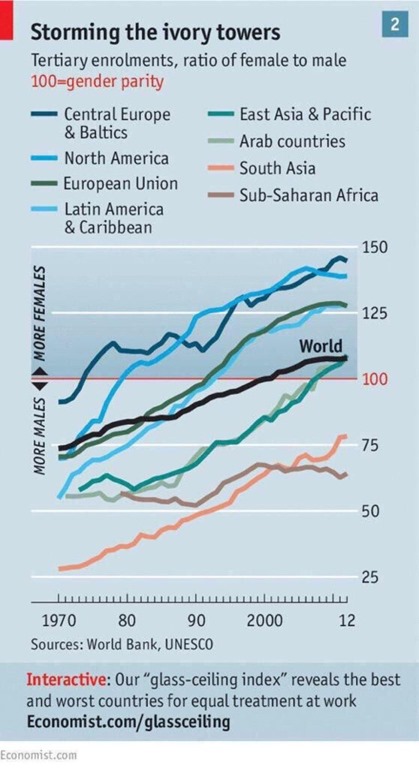 Women and in particular those women making education choices need good information on their prospects in different occupations. The evidence is they adapt rapidly to changing prospects (Goldin 2004, 2006). Goldin (2004, 2006) referred to a quiet revolution in women’s employment, earnings and education because the changes in female labour supply and occupational choices were abrupt and large.
Women adapted rapidly to changes in their expectations about their future working life, graduation rates, attainment of professional degrees, age of first marriage, and the timing and number of children. These expectations of women about their futures turned out the surprisingly accurate (Katz 2004, 2006). Young women are surprisingly good forecasters of their labour market involvement. Any gender policy options must be sensitive to the high level of responsiveness of women to changing educational opportunities and prospects and their precision to date as forecasters.
The complex decisions youth make about education and occupational choices is driven by many sources. Women are interested in issues that are of less importance to men such as work-life balance and the costs of career breaks to their earning power and human capital. Goldin (2004, 2006) argued that women who have a more accurate assessment of their future labour market involvement will invest more wisely in education and occupational choice.
The market process rewards the skills and commitment the men and women bring to the labour market. The differences in skills and commitment the men and women bring arise from a gendered division of labour and effort in the household and in raising families that appears to be open to only minor changes that are expensive in terms of growth and prosperity. This is because most gains in the status of women were the result of economic growth rather than legal interventions. Child care subsidies and parental leave arose after rising income made them and the modern welfare state fiscally affordable rather than the other way around.
The illiberal left at college
30 Apr 2017 Leave a comment
in economics of education Tags: political correctness
Forward looking behaviour and occupational segregation
28 Apr 2017 Leave a comment
in discrimination, economics of education, gender, human capital, labour economics, labour supply, occupational choice Tags: college major, College premium, gender wage gap, graduate premium, reversing gender gap
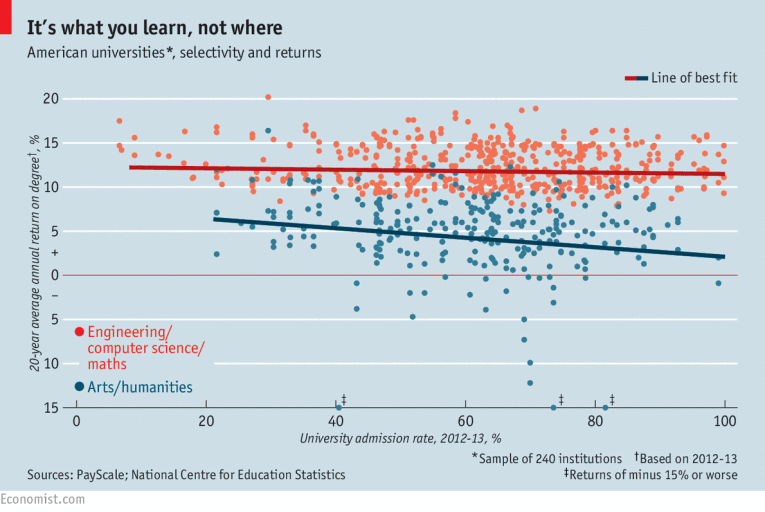
Rosen (2004) suggests that the engineering market responds strongly to economic forces. The demand for engineers responds to the price of engineering services and demand shocks such as recessions and defence cuts. Supply and enrolment decisions are remarkably sensitive to career prospects in engineering. Students also appear to use some forward-looking elements to forecast demand for engineers. Many students also change their majors in light on more information on whether the like their current choices and other news (Bettinger 2010).
This evidence of students use forward-looking elements to forecasting the occupational demand for human capital suggests that better information may improve these choices. The government has made a distributional judgment to expand the choices open to women. The growing evidence of relatively accurate forward looking decisions making by students suggests that they will respond to additional information on prospects in different careers.
In addition, earnings from some occupations are also more uncertain than others. The STEM occupations are an example where shortages and, in particular, surpluses are more common because durable goods industries bear the bulk of business cycle risk. There is also the political unpredictability of defence and R&D spending. Women seem to prefer jobs that are more secure. Some occupations have higher risks of injury than others. Fewer parents, and both single fathers and single mothers, in particular, enter these more injury prone occupations.
These gender-based preferences about hazards and uncertainties will lead to fewer women entering occupations that are more injury prone or more at risk to recessions and industry-specific downturns. Occupational segregation will still persist in the labour market in the relative absence of either discrimination or a gendered division of labour and household effort.


Recent Comments