An Economist’s Case for Liberty | David Friedman
07 Nov 2025 Leave a comment
in applied price theory, comparative institutional analysis, David Friedman, economics of bureaucracy, economics of information, economics of regulation, history of economic thought, income redistribution, law and economics, libertarianism, market efficiency, Milton Friedman, property rights, Public Choice, rentseeking
Emotions and Policy Views
07 Jul 2025 Leave a comment
in applied price theory, behavioural economics, economics of information, politics - Australia, politics - New Zealand, politics - USA
I would call this a story of negative emotional contagion: This paper investigates the growing role of emotions in shaping policy views. Analyzing social citizens’ media postings and political party messaging over a large variety of policy issues from 2013 to 2024, we document a sharp rise in negative emotions, particularly anger. Content generating anger […]
Emotions and Policy Views
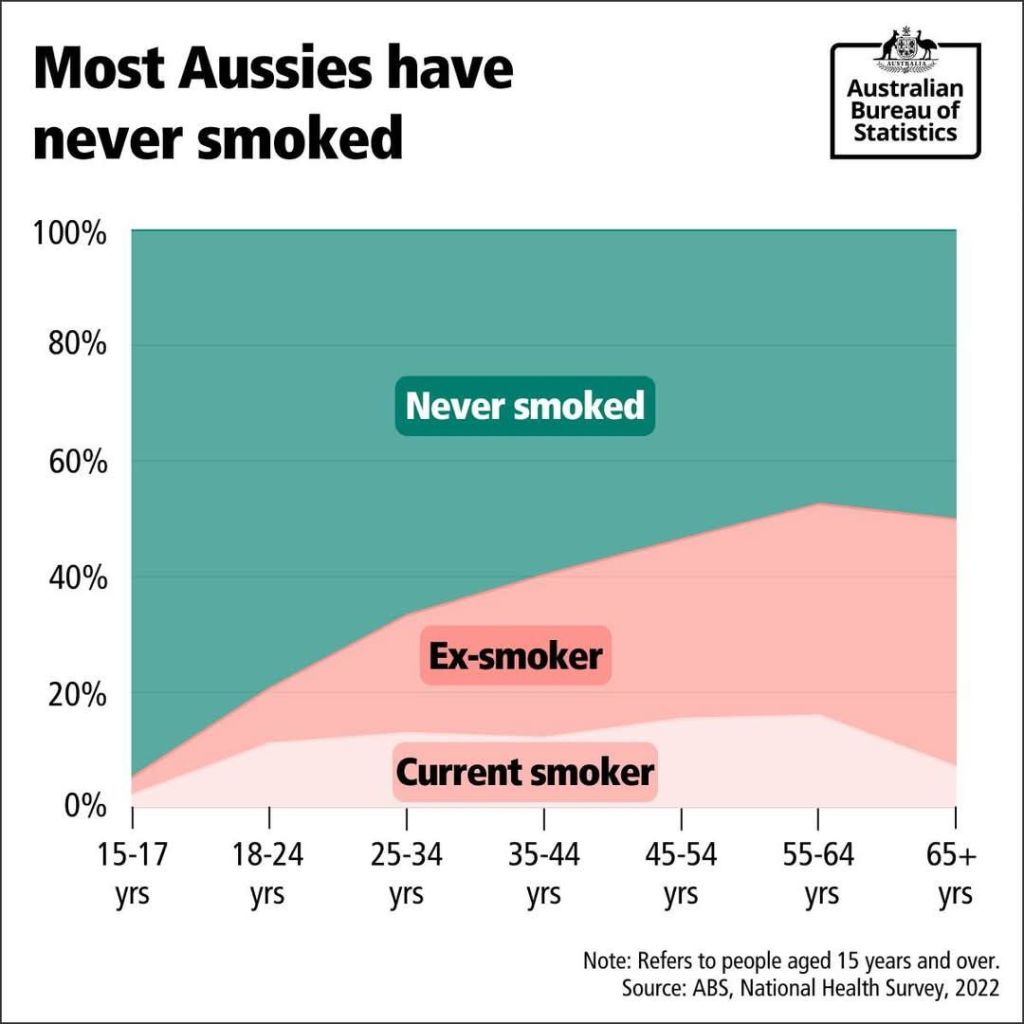
No smoking
02 Jun 2025 Leave a comment
in economics of information, economics of regulation, health economics, industrial organisation Tags: economics of smoking
Irrationality As the Fountainhead of Market Failure
28 May 2025 Leave a comment
in applied price theory, applied welfare economics, comparative institutional analysis, economics of information, history of economic thought
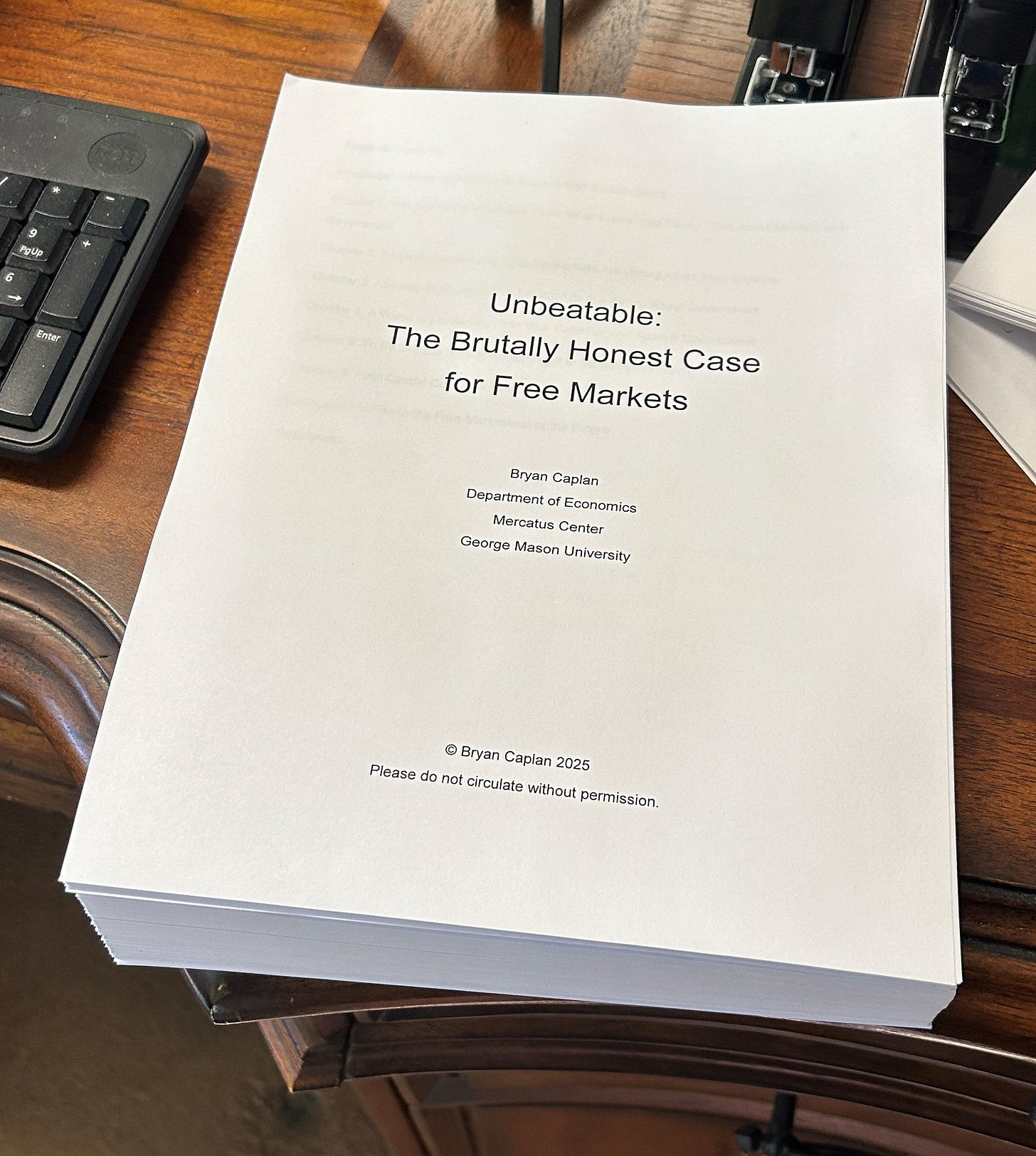
An excerpt from Chapter 4 of *Unbeatable*
Irrationality As the Fountainhead of Market Failure
Pro-Market & Pro-Business: Firms Strive to Satisfy the Customer
22 May 2025 Leave a comment
in applied price theory, comparative institutional analysis, economics of information, economics of regulation, entrepreneurship, history of economic thought, industrial organisation, labour economics, law and economics, property rights
Why the housing market imploded
29 Apr 2025 Leave a comment
in applied price theory, behavioural economics, economic history, economics of information, financial economics, global financial crisis (GFC), great recession, macroeconomics, monetary economics
In a recent paper, Christopher L. Foote, Kristopher S. Gerardi, and Paul S. Willen report (pdf): This paper presents 12 facts about the mortgage market. The authors argue that the facts refute the popular story that the crisis resulted from financial industry insiders deceiving uninformed mortgage borrowers and investors. Instead, they argue that borrowers and […]
Why the housing market imploded
How a Secretive Gambler Called ‘The Joker’ Took Down the Texas Lottery
26 Apr 2025 Leave a comment
in applied price theory, economics of information, economics of media and culture
A global team of gambling whizzes hatched a scheme to snag the jackpot; millions of tickets in 72 hoursBy Joe Wallace and Katherine Sayre of The WSJ. Excerpts:”There were 25.8 million potential number combinations. The tickets were $1 apiece. The jackpot was heading to $95 million. If nobody else also picked the winning numbers, the…
How a Secretive Gambler Called ‘The Joker’ Took Down the Texas Lottery
Smith Reviews Stiglitz
24 Apr 2025 Leave a comment
in applied price theory, Austrian economics, comparative institutional analysis, economics of information, economics of regulation, entrepreneurship, experimental economics, history of economic thought, industrial organisation
Vernon Smith reviews Joe Stiglitz’s book The Road to Freedom: Stiglitz did work in the abstract intellectual theoretical tradition of neoclassical economics showing how the standard results were changed by asymmetric or imperfect information. He is oblivious, however, to the experimental lab and field empirical research showing that agent knowledge of all such information is […]
Smith Reviews Stiglitz
When Genius Failed
10 Apr 2025 1 Comment
in applied price theory, business cycles, economic growth, economics of information, economics of regulation, entrepreneurship, financial economics, global financial crisis (GFC), history of economic thought, industrial organisation, macroeconomics, politics - USA

Myron Scholes was on top of the world in 1997, having won the Nobel Prize in economics that year for his work in financial economics, work that he had applied in the real world in a wildly successful hedge fund, Long Term Capital Management. But just one year later, LTCM was saved from collapse only […]
When Genius Failed
Uneducated vs educated
03 Apr 2025 Leave a comment
in comparative institutional analysis, constitutional political economy, economics of bureaucracy, economics of education, economics of information, economics of media and culture, international economics, law and economics, liberalism, Marxist economics, politics, property rights, Public Choice Tags: Brexit, British politics, political psychology
Political battles historically have been framed as contests between left-wing and right-wing ideologies, with clear distinctions based on policy preferences and socio-economic class interests. However, contemporary political dynamics reveal a new axis of conflict: the division between the educated and the uneducated. This emerging distinction marks a significant departure from traditional political alignments, reshaping electoral […]
Uneducated vs educated
Argentina’s DOGE
27 Mar 2025 Leave a comment
in applied price theory, development economics, economics of information, economics of regulation, growth disasters, health economics, industrial organisation, labour economics, law and economics, liberalism, Marxist economics, property rights, regulation Tags: Argentina
Cato has a good summary of Deregulation in Argentina: The end of Argentina’s extensive rent controls has resulted in a tripling of the supply of rental apartments in Buenos Aires and a 30 percent drop in price. The new open-skies policy and the permission for small airplane owners to provide transportation services within Argentina has […]
Argentina’s DOGE
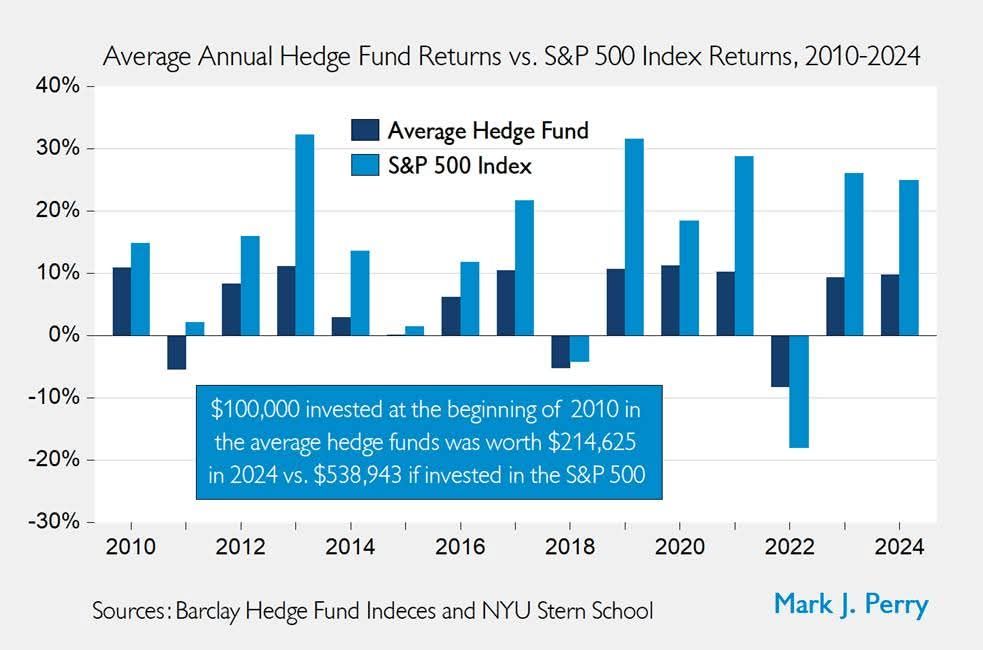
Beating the market
23 Mar 2025 Leave a comment
in econometerics, economics of information, entrepreneurship, financial economics Tags: active investing, efficient markets hypothesis, passive investing
Boettke on the Socialist Calculation Debate
14 Mar 2025 Leave a comment
in applied price theory, Austrian economics, comparative institutional analysis, constitutional political economy, economics of information, entrepreneurship, history of economic thought, industrial organisation, law and economics, property rights Tags: economics of planning
An excellent EconTalk episode with Pete Boettke on the socialist calculation debate. I like Boettke on the three Ps. The three Ps–property, prices, and profits and loss. Property incentivizes us. Prices guide us. Profits lure us to new changes and losses discipline us. Today, “incentives matter” is often considered the first lesson of economics. But […]
Boettke on the Socialist Calculation Debate
Hawks, doves, Israel and Iran
13 Mar 2025 Leave a comment
in applied price theory, defence economics, economics of information, economics of media and culture, Public Choice, war and peace Tags: game theory, Iran, Israel, Middle-East politics, war against terror

In The Conversation last October, Andrew Thomas (Deakin University) discussed the recent (at that time) military flare-up between Iran and Israel, likening it to a ‘game of chicken’:Israel’s strike on military targets in Iran over the weekend is becoming a more routine occurrence in the decades-long rivalry between the two states…There is a reason why…
Hawks, doves, Israel and Iran
The American Rōnin: How Displaced “Disinformation Experts” Are Seeking New Opportunities in Europe and Academia
27 Feb 2025 Leave a comment
in economics of bureaucracy, economics of education, economics of information, economics of media and culture, entrepreneurship, financial economics, industrial organisation, law and economics, liberalism, Marxist economics, politics - USA, property rights, Public Choice, rentseeking Tags: 2024 presidential election, free speech, political correctness, regressive left

Below is my column in the Hill on the new American emigres: “disinformation experts” who are finding themselves unemployed with the restoration of free speech protections. Here is the column:
The American Rōnin: How Displaced “Disinformation Experts” Are Seeking New Opportunities in Europe and Academia


Recent Comments